

1 min walk
Palazzo Vecchio
- Must see · Heritage site
- Historic monument
Language · 11 published
Museum · Florence
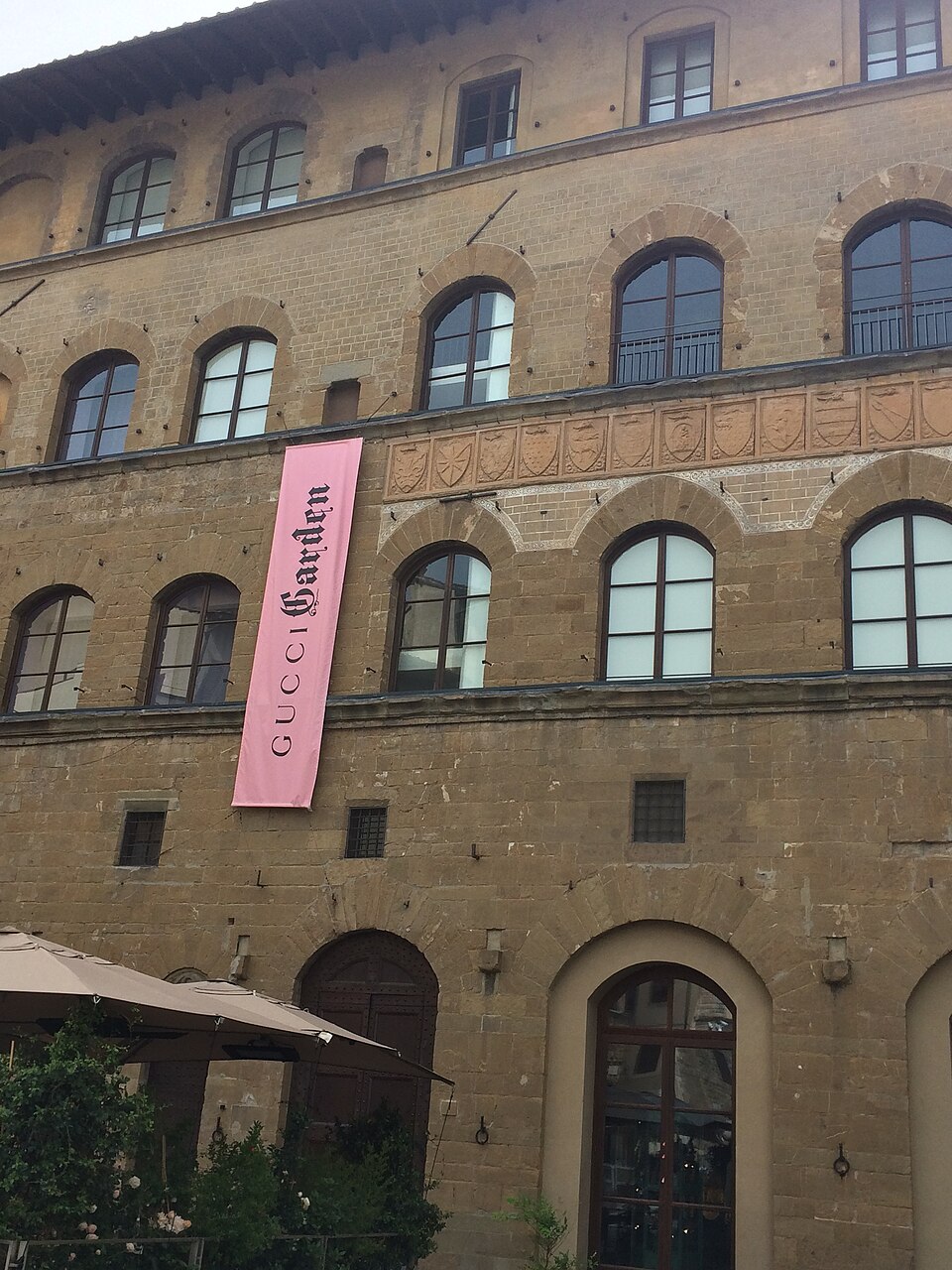
The Gucci Museum is a fashion museum in Florence dedicated to the history of the Italian luxury house Gucci. Located in the historic centre, it occupies the medieval Palazzo della Mercanzia. The museum traces the evolution of the brand from its 1921 founding by Guccio Gucci in Florence through its development as a global fashion icon. Exhibits include archival clothing, accessories, documents, and multimedia installations that illustrate the company's craftsmanship and design heritage. The museum also explores connections between Gucci and Florentine artisan traditions.
Checked 2026-08-26
The museum presents themed rooms covering different aspects of Gucci's identity and history. Displays feature vintage luggage, handbags, clothing, and footwear from across decades. There are sections devoted to iconic patterns such as the Flora print and the double-G logo. The collection includes pieces worn by celebrities and items showcasing the brand's equestrian roots. Contemporary art installations and video content complement historical objects. A bookstore offers design and fashion publications. The space also contains a cafe for visitors seeking refreshment during their visit.
Checked 2026-08-26
Visitors typically spend between one and two hours exploring the museum's displays. The duration depends on individual interest in fashion history and the level of detail examined in each room. Those with strong enthusiasm for luxury brands or design may prefer a slower pace. The compact layout of the palazzo allows efficient circulation without excessive walking. Reading all informational panels and watching multimedia content extends the visit. The cafe and bookstore offer optional additional time for those wishing to browse or rest after viewing the main exhibitions.
Checked 2026-08-26
Operator-confirmed hours are Not recorded pending review. Visitors should consult official Gucci Museum communications or authorised tourism channels before planning their arrival. Florence experiences peak tourist seasons during spring and early autumn, when major attractions draw larger crowds. Summer brings heat that may affect comfort in historic buildings without modern climate control. Winter offers quieter conditions though reduced daylight hours. Morning visits to any central Florence museum generally provide calmer conditions than afternoons. Checking current operational status remains essential given possible seasonal adjustments or special events.
Checked 2026-08-26
Operator-confirmed prices are Not recorded pending review. The museum may offer standard admission and reduced rates for eligible categories such as students or seniors, though specific figures require verification. Combination arrangements with other Florence attractions are not confirmed in available sources. Payment methods and advance booking options should be confirmed directly with the museum. Some fashion-brand museums operate with timed entry systems during busy periods. Visitors should budget for potential supplementary costs including audio guides, special exhibitions, or purchases from the museum shop and cafe.
Checked 2026-08-26
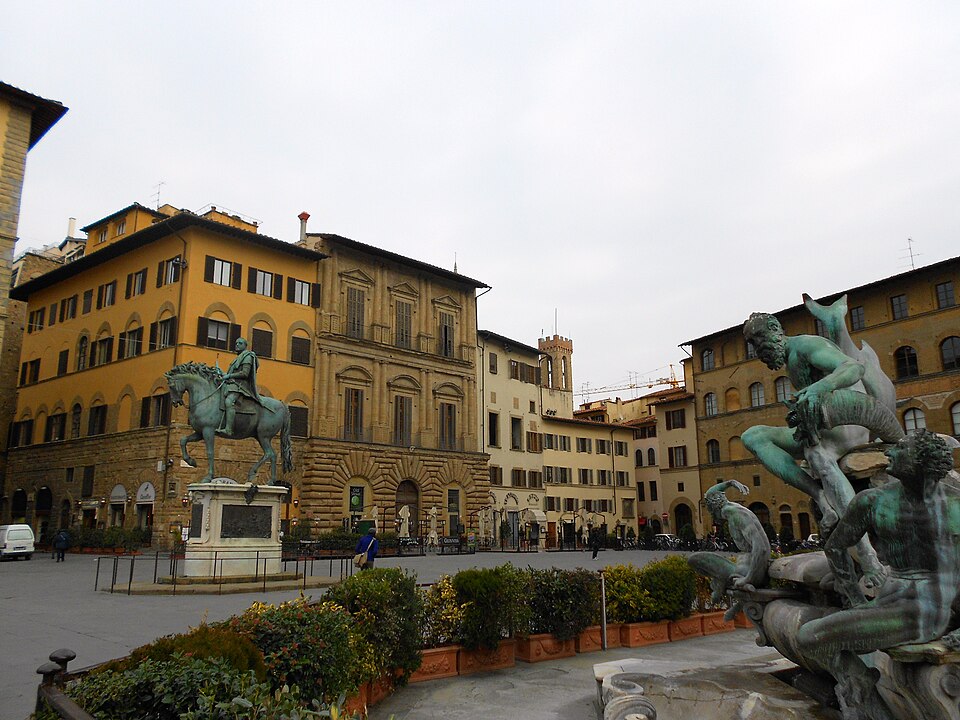
The museum occupies a central position in Florence's historic district near Piazza della Signoria. Most visitors arrive on foot from surrounding landmarks including the Duomo, Palazzo Vecchio, and Ponte Vecchio. The compact medieval centre discourages private vehicle use. Public buses serve peripheral areas with walking required for final approach. Santa Maria Novella railway station lies approximately fifteen minutes walk west. Taxis can access nearby drop points though street restrictions apply. The cobblestone streets and occasional steps at building entrances may present challenges for mobility-impaired visitors or those with wheeled luggage.
Checked 2026-08-26
Historic palazzo buildings may lack modern accessibility features such as lifts or level access throughout. Visitors with mobility requirements should verify current facilities directly. The central location means persistent crowds and potential queues during peak periods. Bag size restrictions may apply as common in museums. Security screening is probable. Climate control in ancient structures varies seasonally. Photography policies may restrict certain areas or require special permission. The surrounding streets contain numerous luxury retailers and tourist-oriented businesses where vigilance against pickpockets in crowded conditions remains prudent. Authenticity of nearby souvenir merchandise varies considerably.
Checked 2026-08-26
Photography policies at fashion-brand museums typically balance visitor engagement with protection of exhibits and commercial interests. Flash photography is commonly prohibited to preserve sensitive materials. Tripods and professional equipment usually require advance authorisation. Some displays or temporary exhibitions may carry complete photography bans. Visitors should observe posted signage and staff instructions. Social media sharing is generally tolerated for personal non-commercial use where photography is permitted. Video recording may face additional restrictions. When uncertain, asking museum personnel prevents policy violations. Respect for other visitors' viewing experience should guide all photographic behaviour in confined gallery spaces.
Checked 2026-08-26
The museum offers insights into Italian craftsmanship, Florentine commercial history, and design evolution that extend beyond pure fashion interest. The palazzo setting itself holds architectural merit.
The focus rests on archival and historical materials rather than contemporary retail collections. Some recent creative directions may appear in temporary displays or concluding sections.
Audio guide availability and scheduled tour options are Not recorded pending review. Visitors should confirm current offerings through official channels before arrival.
A bookstore and cafe operate on site. Whether exclusive merchandise distinct from regular retail channels is available requires direct confirmation from the museum.
Florence maintains multiple Gucci presence points including retail stores and the brand's origins. The museum specifically serves educational and heritage functions rather than primary commercial purposes.
Whether advance reservation is required, recommended, or unnecessary for standard visits is Not recorded pending review. Peak season caution suggests verification before travel.
Loading the interactive map…
The interactive map could not be loaded.

Last updated:
Source: OpenStreetMap contributors, Wikidata ·