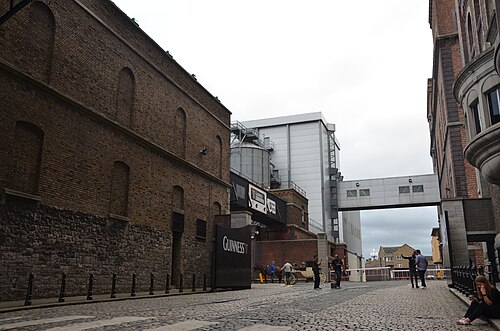
Guinness Storehouse
The Guinness Storehouse is the ticketed visitor experience inside the working St. James's Gate brewery, in the Liberties, about a mile west of Dublin's centre.
- Must see
- Historic monument
- Dublin
Language · 11 published
Country guide
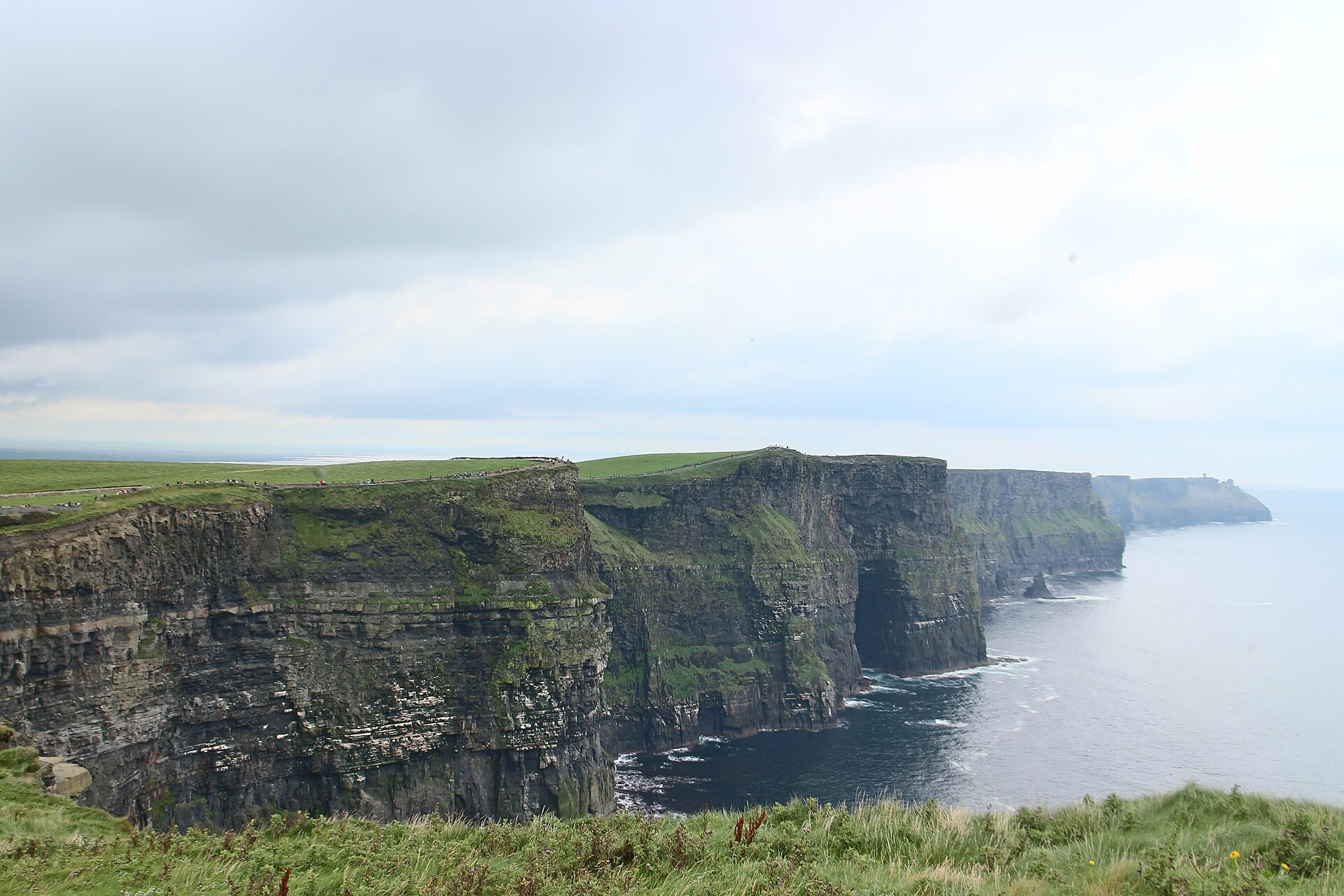
Ireland here means the state covering 26 of the island's 32 counties; the other six are Northern Ireland, and the two share the republic's only land border. About 5.4 million people live in the 26, more than 1.5 million of them in Dublin on the east coast, where most arrivals begin. Everything else is a direction away from the capital - the Atlantic west and its cliffs and harbour towns, the Celtic Sea to the south beyond Cork, the Irish Sea coast running north. The island is small enough to cross by car in a day, which regularly tempts people into trying it.
Every city catalogued in this country so far, ranked by how much there is to see.
Photograph · 瑞丽江的河水 · CC BY-SA 4.0
Ranked by importance — sitelinks, pageviews and heritage status, not editor preference.
100 places match
Category
Typical visit duration
Interests
The Guinness Storehouse is the ticketed visitor experience inside the working St. James's Gate brewery, in the Liberties, about a mile west of Dublin's centre.
Kilmainham Gaol is a decommissioned county prison on the western edge of Dublin 8, kept as a museum by the Office of Public Works and reached only on a guided tour.
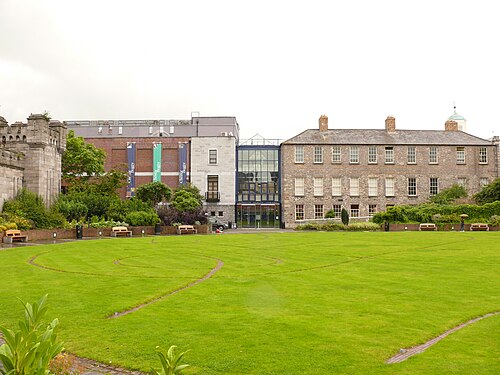
Dublin Castle occupies a walled block off Dame Street in the middle of the city, and it is not the moated fortress the name promises.
Chester Beatty Library is a museum and library in Dublin, Ireland. It houses the collection of Sir Alfred Chester Beatty, a mining magnate and collector.
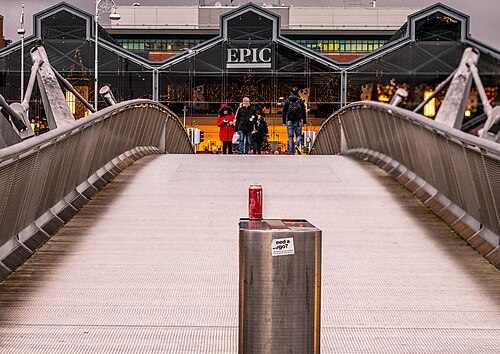
EPIC The Irish Emigration Museum is an interactive digital museum located in Dublin's Docklands, within the historic CHQ Building. It explores the stories of Irish emigration throughout history, examining why people left Ireland and how they influenced the world.
Dublin Zoo is a zoological garden located in Phoenix Park, Dublin. Founded in 1830, it is one of the oldest zoos still in operation worldwide.
The Old Jameson Distillery is a visitor attraction located on Bow Street in Smithfield, Dublin. It occupies the site of the original Jameson whiskey distillery founded by John Jameson in 1780.
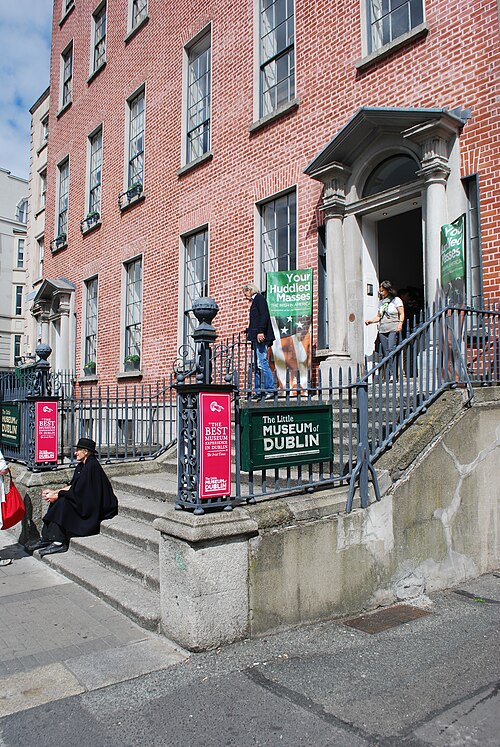
The Little Museum of Dublin is a small city-centre museum dedicated to the history of Ireland's capital in the twentieth century. Housed in a Georgian townhouse on St Stephen's Green, it presents a compact, idiosyncratic collection assembled through public donation.
Dublinia is a historical recreation museum in Dublin, Ireland, presenting the city's medieval and Viking heritage. Located near Christ Church Cathedral, the attraction uses interactive exhibits to explore Dublin's past from its Viking settlement origins through the medieval period.
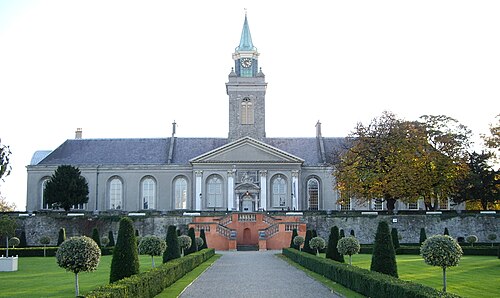
The Irish Museum of Modern Art is a national institution in Dublin dedicated to contemporary and modern art. It occupies the historic Royal Hospital Kilmainham, a seventeenth-century building with extensive grounds.
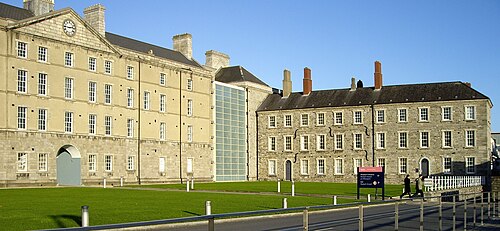
The National Museum of Ireland at Collins Barracks is a branch of Ireland's national museum system, housed in former military barracks dating to the early eighteenth century.
The National Museum of Ireland, Natural History occupies a Victorian building on Merrion Street in Dublin. Known locally as the "Dead Zoo," this institution forms part of the National Museum of Ireland network.
The Jeanie Johnston is a tall ship and famine museum moored on the River Liffey in Dublin. It is a replica of the original three-masted barque that carried Irish emigrants to North America during the Great Famine of the 1840s.
The Museum of Literature Ireland, known locally by the same name, is a cultural institution in Dublin dedicated to Irish literary heritage.
The James Joyce Centre is a museum and cultural institution in Dublin dedicated to the life and works of James Joyce, one of Ireland's most celebrated writers.
14 Henrietta Street museum is a historic house museum located on one of Dublin's finest Georgian streets. The building preserves a remarkable record of urban domestic life spanning multiple centuries.
Custom House stands on Dublin's north quays as a neoclassical landmark designed by James Gandon and completed in 1791. The building served as the headquarters for collecting customs duties during Dublin's mercantile ascendancy.
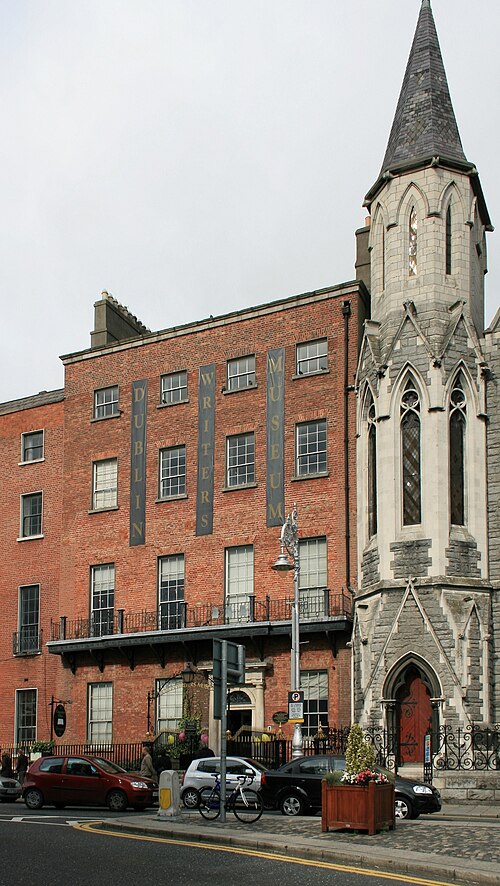
The Dublin Writers Museum celebrates Irish literary heritage in a Georgian townhouse on Parnell Square. Established in 1991, it occupies two restored eighteenth-century houses with period interiors.
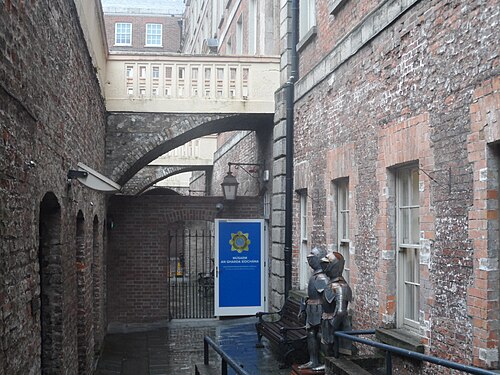
The Garda Museum is a museum in Dublin dedicated to the history of An Garda Síochána, the national police service of Ireland.
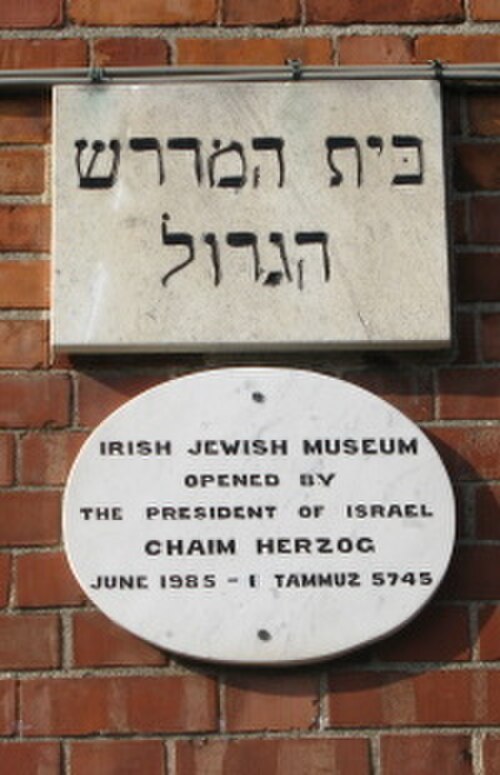
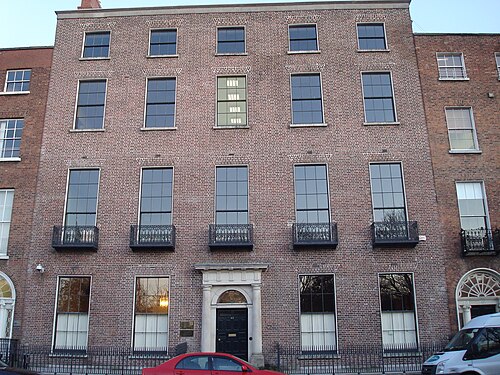
The Irish Jewish Museum occupies a former synagogue in Dublin's Portobello area, traditionally known as Little Jerusalem.
The National Print Museum in Dublin preserves Ireland's printing heritage. Housed in the former Garrison Chapel of Beggars Bush Barracks, the museum documents the craft of letterpress printing and associated trades.
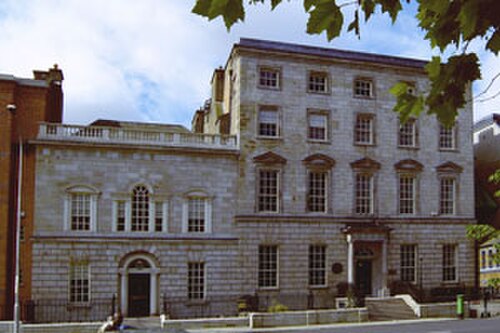
The Irish Architectural Archive is a national institution dedicated to collecting and preserving materials relating to Irish architecture and the built environment. Established in 1976, it serves as the primary repository for architectural records in Ireland.
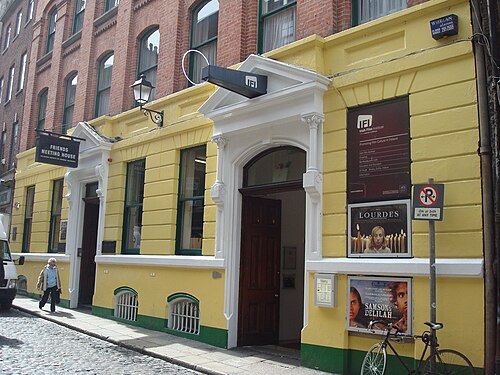
The Irish Film Institute is a cultural institution in Dublin dedicated to film exhibition, education, and preservation. Located in the heart of the city, it serves as a hub for cinema enthusiasts and casual visitors alike.
Source: OpenStreetMap contributors, Wikidata ·
Seven to ten days supports Dublin plus one coherent coastal or western circuit. A shorter trip should choose either the southwest, Galway and Connemara, or Northern Ireland connections rather than tracing the entire island.
Irish Immigration explains the documents examined at the border. Visa need, passport validity and supporting evidence depend on nationality; Ireland is not part of Schengen, so a Schengen permission alone does not settle Irish entry.
Dublin is the largest air gateway, with Shannon and Cork useful for western and southern routes. Intercity rail and coach links serve the main cities, while rural peninsulas and small settlements often require a car or planned bus connection.
May to September offers longer daylight for road and coastal itineraries. Rain and wind remain possible throughout the year, so ferry crossings and exposed walks need a current forecast rather than a seasonal assumption.
Ireland uses the euro (EUR). The cited national tourism source does not record a universal payment rule; confirm card acceptance for rural transport, small accommodation and deposits, and retain an alternative.
Emergency services in Ireland answer 112 or 999. Type G sockets use 230 V, and mains tap water is recorded as safe.