


9 min walk
The Cabbage Garden
- High
- Nature site
Language · 1 published
Museum · Dublin
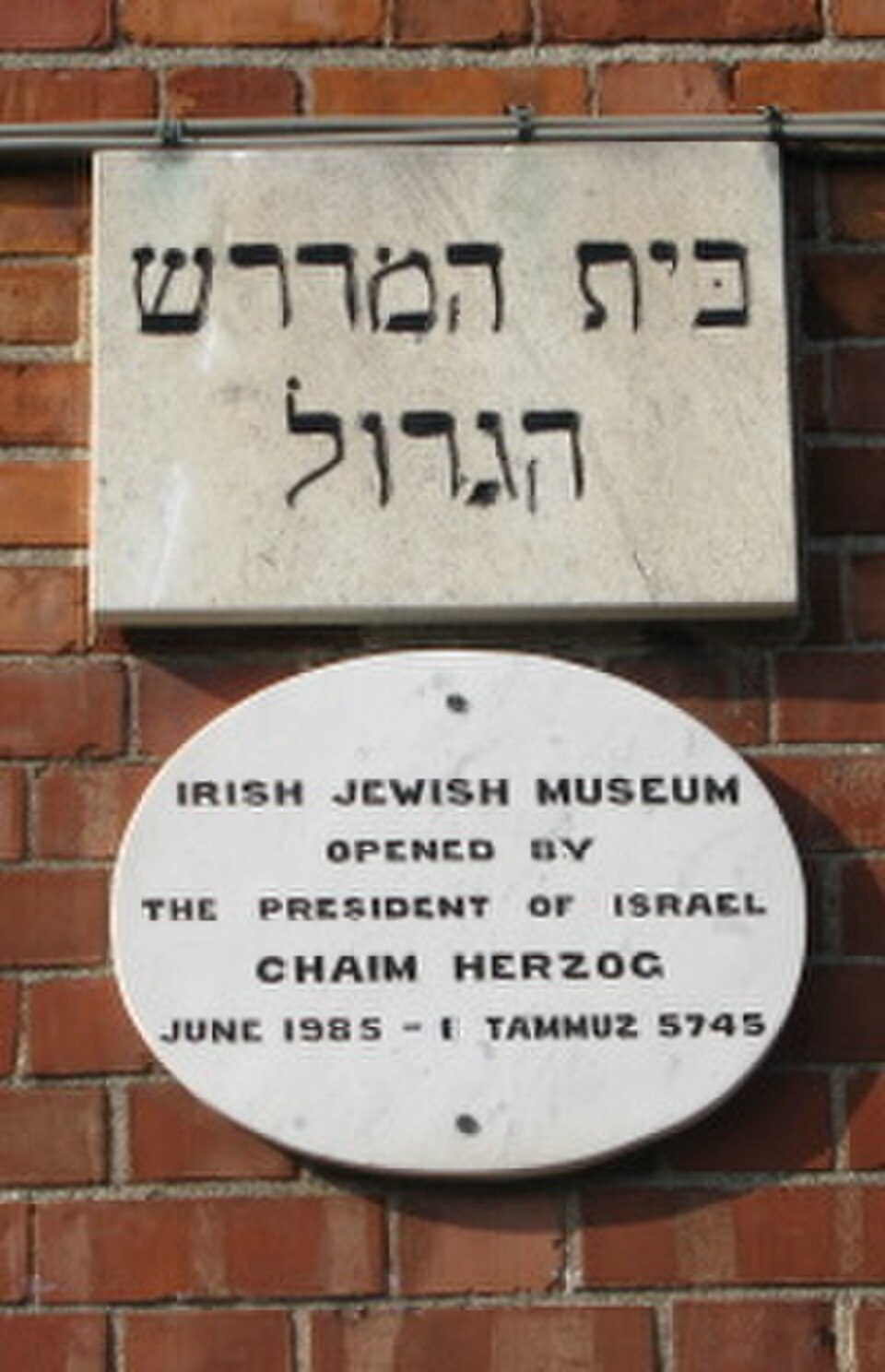
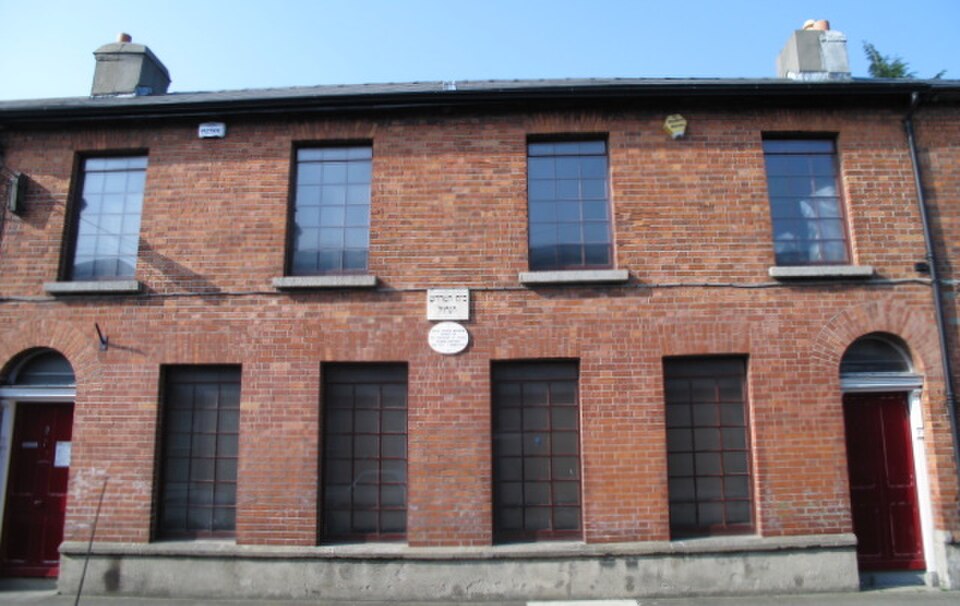
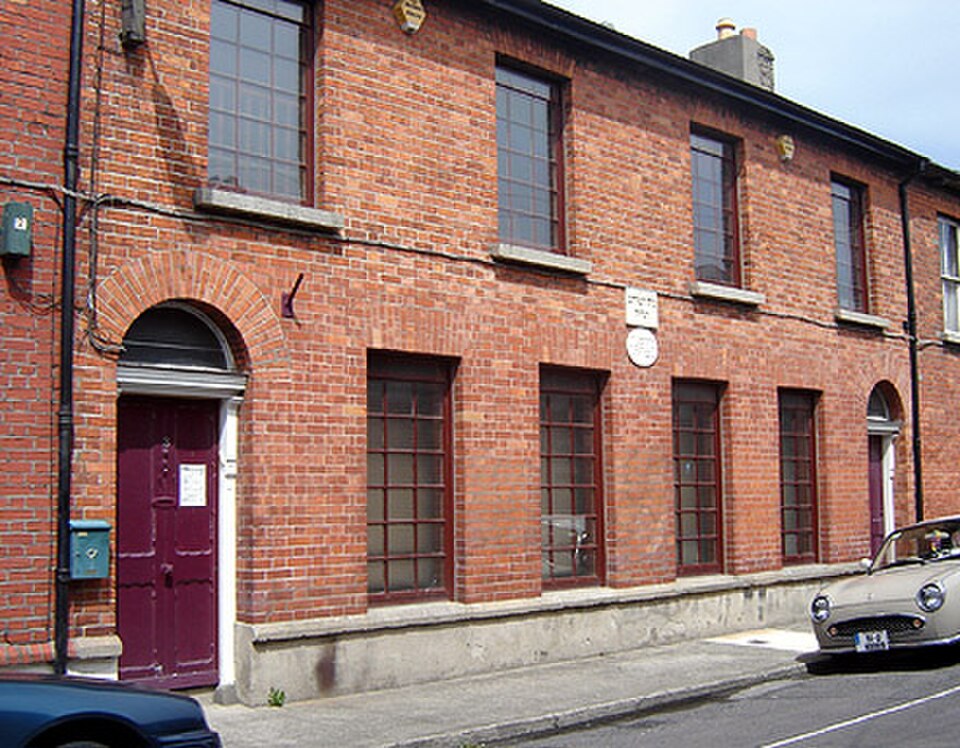
The Irish Jewish Museum occupies a former synagogue in Dublin's Portobello area, traditionally known as Little Jerusalem. The museum preserves and presents the history of Ireland's Jewish community, which was particularly significant in this neighbourhood from the late nineteenth century through much of the twentieth century. The building itself, with its characteristic synagogue architecture, forms an integral part of the heritage narrative. The museum serves as a repository for religious, social and cultural artefacts connected to Jewish life in Ireland.
Checked 2026-08-26
The museum's collections encompass items relating to Jewish religious practice, including Torah scrolls and ceremonial objects. Domestic and commercial artefacts illustrate daily life within the community. Photographic archives and documents trace immigration patterns, settlement and integration. The former synagogue sanctuary remains a focal point, retaining original features that convey the atmosphere of worship. Exhibits address both the particular experience of Irish Jewry and connections to broader European Jewish history. Personal testimonies and memorabilia contribute to the narrative of a distinctive minority community within Irish society.
Checked 2026-08-26
A thorough visit to the Irish Jewish Museum typically requires between forty-five minutes and ninety minutes, depending upon individual interest in reading exhibition texts and examining artefacts closely. The compact scale of the museum permits a comprehensive overview without excessive time commitment. Visitors with specific research interests or those engaging with archival materials may wish to allow additional time. The intimate character of the space encourages unhurried contemplation of exhibits. Group visits or guided tours would extend the duration accordingly. Casual visitors can expect satisfactory coverage within a single hour of attentive engagement with the displays.
Checked 2026-08-26
Operator-confirmed opening hours are Not recorded pending review. Visitors should consult the museum's official communications or established information services before planning attendance. The museum's location in Portobello is accessible year-round, though seasonal variations in Dublin's tourist infrastructure may affect surrounding amenities. Weekday mornings may offer quieter conditions for those seeking uninterrupted examination of exhibits. Special events, commemorative occasions or religious holidays could influence accessibility. Advance verification remains essential given the museum's volunteer-dependent operational character and potential for unscheduled modifications to public access arrangements.
Checked 2026-08-26
Operator-confirmed admission prices are Not recorded pending review. The museum has historically operated with modest or voluntary contribution models typical of community heritage institutions. Visitors should anticipate that any charges would be nominal rather than substantial, consistent with comparable specialist museums. Concessionary arrangements for specific categories of visitor may apply but require direct confirmation. Group rates, where available, would necessitate advance booking and negotiation. The museum's charitable or educational status may influence pricing policy. Financial contributions typically support conservation activities and operational continuity rather than generating commercial return.
Checked 2026-08-26
The Irish Jewish Museum is situated in Dublin's Portobello district, south of the Grand Canal and accessible from the city centre. Public transport options include Dublin Bus services operating along nearby arterial routes. The area is pedestrian-accessible from central locations for those comfortable with moderate walking distances. Cycling infrastructure exists in surrounding streets. Limited on-street parking applies in this residential-commercial neighbourhood. The museum's specific address in the Walworth Road vicinity places it within a historically significant but not prominently signposted location. Visitors should consult detailed mapping resources for precise navigation, as the building's modest external presentation may not immediately announce its institutional function.
Checked 2026-08-26
The museum occupies a historic building without modern accessibility adaptations; stair access and confined spaces may present difficulties for mobility-impaired visitors. The residential character of the surrounding neighbourhood requires respectful conduct regarding noise and congregation at entrances. Security considerations appropriate to Jewish institutions in contemporary Europe may apply, though the museum maintains an approachable atmosphere. The absence of on-site catering or extensive retail facilities necessitates advance planning. Weather protection is advisable when queuing or awaiting admission. Photography restrictions may apply to specific artefacts or areas. Visitors should observe any instructions regarding handling of objects or behaviour within the former sanctuary space.
Checked 2026-08-26
Photography policy at the Irish Jewish Museum is not explicitly documented in available sources. Visitors should assume that unrestricted photography may not be permitted, particularly regarding religious artefacts, archival documents or personal testimonies. Flash photography would likely be restricted to protect sensitive materials. The former synagogue interior, with its architectural interest, may present permitted subjects under specified conditions. Respect for the sanctity of religious objects and the dignity of commemorative exhibits should guide visitor conduct even where explicit prohibition is not stated. Enquiries at admission regarding current photography regulations are advisable. Commercial or publication use would require separate authorisation from the museum administration.
Checked 2026-08-26
The museum occupies a former synagogue; it functions as a heritage institution rather than an active congregation, though it preserves the character of the original sacred space.
The collections focus particularly on the Dublin community and the Portobello area, with broader reference to Irish Jewish experience; comprehensive national coverage may be partial.
Guided tour availability is not confirmed in available sources; visitors should contact the museum directly to ascertain whether volunteer-led or scheduled tours operate.
The museum's intimate scale and specific historical focus may engage older children with relevant interests; younger children might find the exhibition format less immediately accessible.
On-site commercial facilities are not documented; the museum's modest premises and community heritage character suggest limited ancillary amenities.
Archival holdings exist but access arrangements for researchers require direct negotiation with the museum; advance contact is essential for any dedicated research visit.
Loading the interactive map…
The interactive map could not be loaded.
Last updated:
Source: OpenStreetMap contributors, Wikidata ·