

01
45 min
CHQ Building
- Notable
- Market
- Dublin
Language · 11 published
Country guide
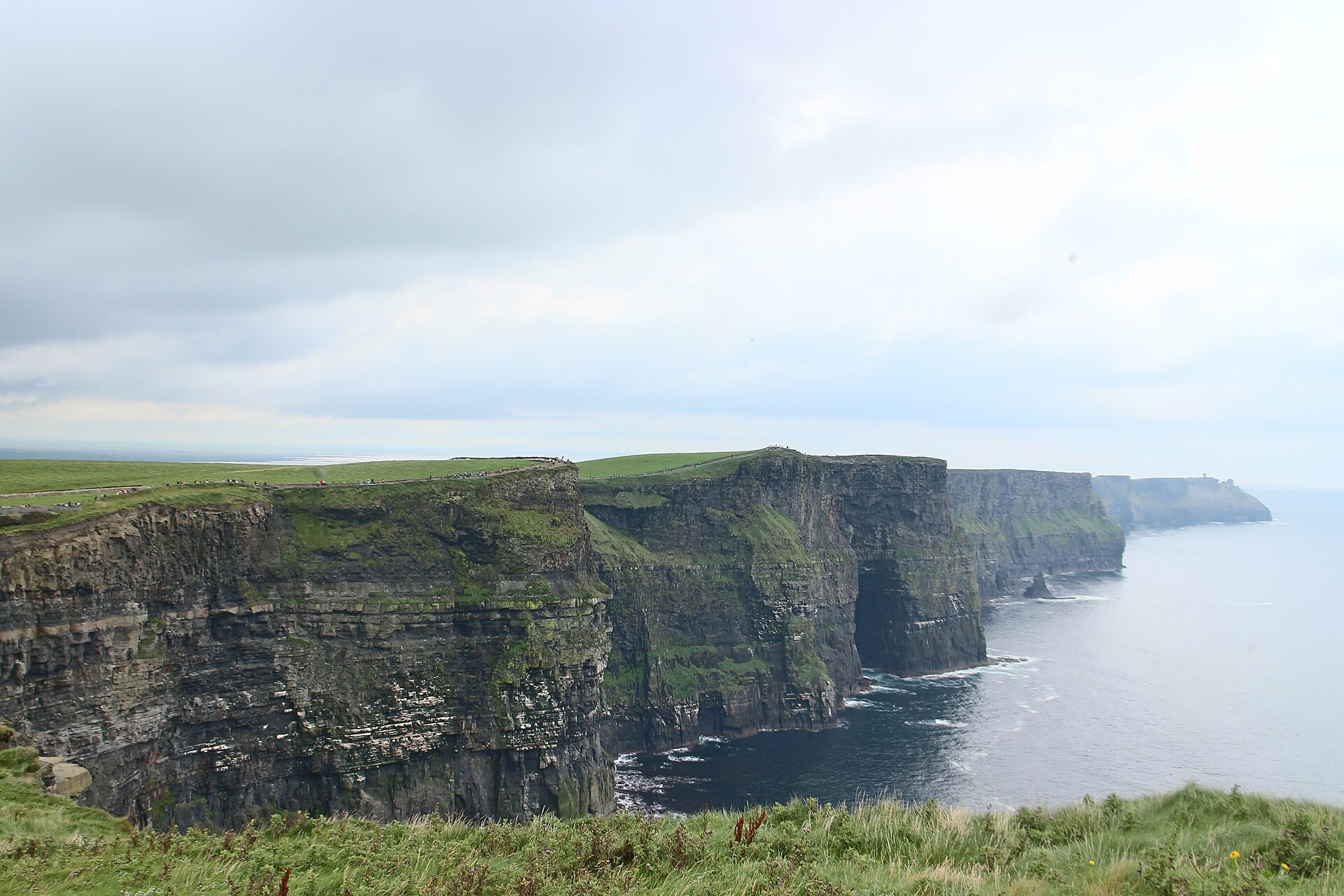
Ireland here means the state covering 26 of the island's 32 counties; the other six are Northern Ireland, and the two share the republic's only land border. About 5.4 million people live in the 26, more than 1.5 million of them in Dublin on the east coast, where most arrivals begin. Everything else is a direction away from the capital - the Atlantic west and its cliffs and harbour towns, the Celtic Sea to the south beyond Cork, the Irish Sea coast running north. The island is small enough to cross by car in a day, which regularly tempts people into trying it.
Every city catalogued in this country so far, ranked by how much there is to see.

Photograph · 瑞丽江的河水 · CC BY-SA 4.0
Ranked by importance — sitelinks, pageviews and heritage status, not editor preference.
100 places match
Category
Typical visit duration
Interests
Source: OpenStreetMap contributors, Wikidata ·
Seven to ten days supports Dublin plus one coherent coastal or western circuit. A shorter trip should choose either the southwest, Galway and Connemara, or Northern Ireland connections rather than tracing the entire island.
Irish Immigration explains the documents examined at the border. Visa need, passport validity and supporting evidence depend on nationality; Ireland is not part of Schengen, so a Schengen permission alone does not settle Irish entry.
Dublin is the largest air gateway, with Shannon and Cork useful for western and southern routes. Intercity rail and coach links serve the main cities, while rural peninsulas and small settlements often require a car or planned bus connection.
May to September offers longer daylight for road and coastal itineraries. Rain and wind remain possible throughout the year, so ferry crossings and exposed walks need a current forecast rather than a seasonal assumption.
Ireland uses the euro (EUR). The cited national tourism source does not record a universal payment rule; confirm card acceptance for rural transport, small accommodation and deposits, and retain an alternative.
Emergency services in Ireland answer 112 or 999. Type G sockets use 230 V, and mains tap water is recorded as safe.