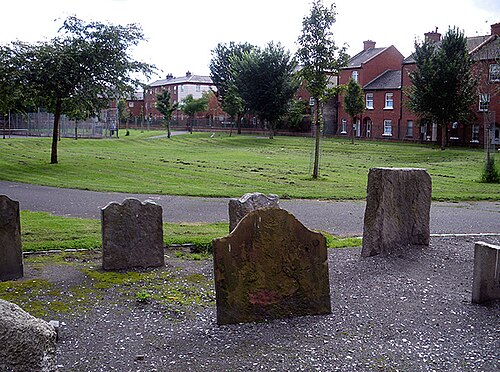
Phoenix Park
Phoenix Park is a large public park located west of Dublin city centre. It is one of the largest enclosed recreational spaces within any European capital city.
- Must see
- Nature site
- Dublin
Language · 11 published
Country guide
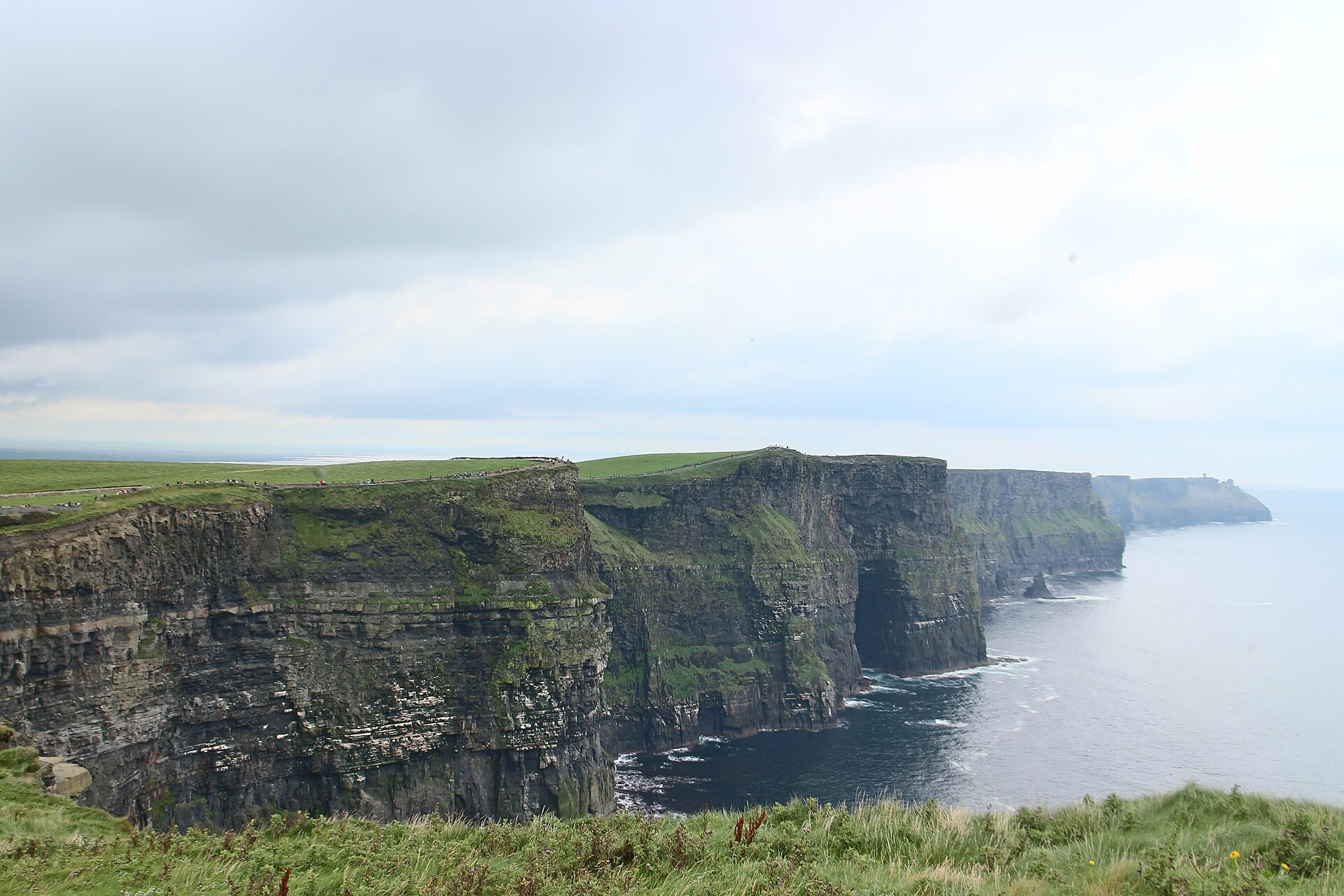
Ireland here means the state covering 26 of the island's 32 counties; the other six are Northern Ireland, and the two share the republic's only land border. About 5.4 million people live in the 26, more than 1.5 million of them in Dublin on the east coast, where most arrivals begin. Everything else is a direction away from the capital - the Atlantic west and its cliffs and harbour towns, the Celtic Sea to the south beyond Cork, the Irish Sea coast running north. The island is small enough to cross by car in a day, which regularly tempts people into trying it.
Every city catalogued in this country so far, ranked by how much there is to see.
Photograph · 瑞丽江的河水 · CC BY-SA 4.0
Ranked by importance — sitelinks, pageviews and heritage status, not editor preference.
100 places match
Category
Typical visit duration
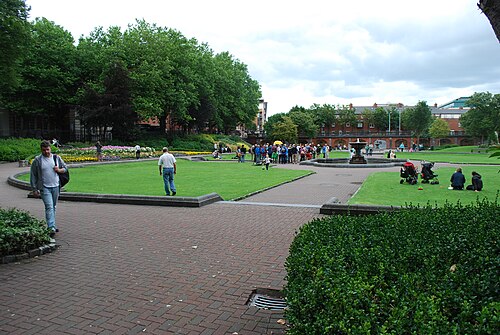
Phoenix Park is a large public park located west of Dublin city centre. It is one of the largest enclosed recreational spaces within any European capital city.
The National Botanic Gardens in Dublin is a botanical garden and scientific institution located in Glasnevin. Established in 1795, it serves as a centre for botanical research and conservation in Ireland.
Merrion Square is a Georgian garden square in Dublin, Ireland, with a public park at its centre known as Merrion Square Park.
Iveagh Gardens is a public park located in Dublin, Ireland. The gardens were originally designed in the 19th century and are known for their Victorian landscape design.
The Garden of Remembrance is a memorial garden in Dublin dedicated to those who gave their lives in the cause of Irish freedom.
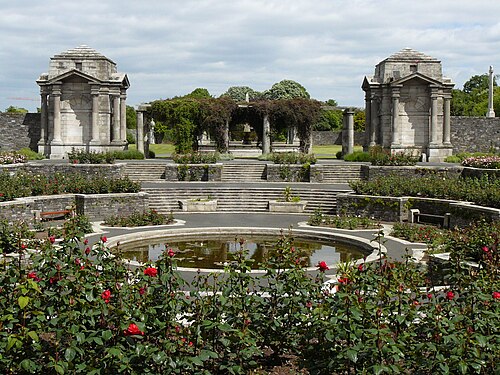
The Irish National War Memorial Gardens are a commemorative landscape in Dublin, Ireland. Dedicated to the memory of Irish soldiers who died in the First World War, the gardens serve as a national monument.
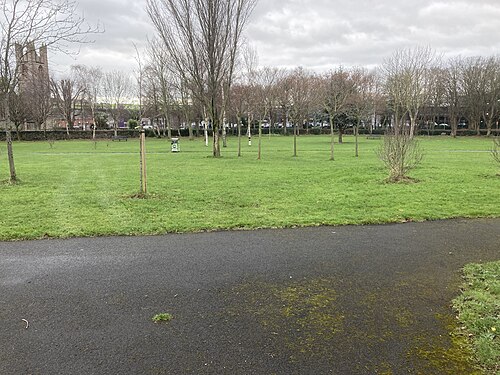
Saint Patrick's Park is a public park situated adjacent to St. Patrick's Cathedral in Dublin, Ireland. The green space provides a setting for the historic cathedral and serves as a recreational area for visitors and residents.
Belcamp Park is a public park located in the northern suburbs of Dublin, Ireland. The park forms part of the green infrastructure serving the local residential communities in the area.
Bram Stoker Park is a public park in Dublin, Ireland, named after the celebrated Irish author Abraham Bram Stoker, best known for his 1897 Gothic novel Dracula.
Bushy Park is a public park located in the Terenure area of Dublin, Ireland. The park occupies a notable green space within the suburban landscape of Ireland's capital city.
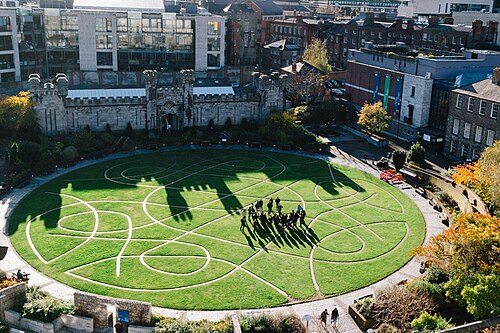
Dubh Linn Garden is a public garden located in Dublin, Ireland. The name derives from the Irish Dubh Linn, meaning black pool, which is the historical origin of the city's name.
Ellenfield Park is a public park situated in Dublin, Ireland. The open space serves as a recreational amenity for local residents and visitors seeking outdoor leisure in the city.
Fairview Park is a public park located in the Fairview area of Dublin, Ireland. The park serves as a green space for the local community and visitors to the city.
Father Collins Park is a public park located in Dublin, Ireland. The park serves as a recreational green space for the local community and visitors to the area.
Griffith Park is a public park located in Dublin, Ireland. The park serves as a green space within the urban environment of the city. It is identified in OpenStreetMap data with the production identity way/132370759.
Herbert Park is a public park located in Dublin, Ireland. The park occupies land in the Ballsbridge area of the city. It was named after Sidney Herbert, 1st Baron Herbert of Lea.
Irishtown Nature Park is a public green space located in the Ringsend and Irishtown area of Dublin, Ireland. The park occupies land on the south side of Dublin's inner city, near the River Liffey estuary.
Lansdowne Valley Park is a public park located in Dublin, Ireland. The green space sits within the urban fabric of the city and serves as a recreational area for local residents and visitors.
Saint Anne's Park is a public park located in the Raheny area of Dublin, Ireland. The park was formerly part of an estate associated with Saint Anne's House, which has since been demolished.
Stardust Memorial Park is a memorial park in Dublin, Ireland. It commemorates the Stardust nightclub fire of 1981, one of the worst fire disasters in Irish history.
The Cabbage Garden is a historic cemetery located in Dublin, Ireland. Established in the 17th century, it served as a burial ground for Catholic ecclesiastics and others during periods of religious restriction in Ireland.
Tymon Park is a large public park located in Dublin, Ireland. The park serves as a significant green space within the city, offering recreational facilities for residents and visitors.
Burrow Beach is a sandy coastal beach located in the Sutton area of Dublin, Ireland. It sits on the northern side of Dublin Bay, facing Howth Head across the water.
Source: OpenStreetMap contributors, Wikidata ·
Seven to ten days supports Dublin plus one coherent coastal or western circuit. A shorter trip should choose either the southwest, Galway and Connemara, or Northern Ireland connections rather than tracing the entire island.
Irish Immigration explains the documents examined at the border. Visa need, passport validity and supporting evidence depend on nationality; Ireland is not part of Schengen, so a Schengen permission alone does not settle Irish entry.
Dublin is the largest air gateway, with Shannon and Cork useful for western and southern routes. Intercity rail and coach links serve the main cities, while rural peninsulas and small settlements often require a car or planned bus connection.
May to September offers longer daylight for road and coastal itineraries. Rain and wind remain possible throughout the year, so ferry crossings and exposed walks need a current forecast rather than a seasonal assumption.
Ireland uses the euro (EUR). The cited national tourism source does not record a universal payment rule; confirm card acceptance for rural transport, small accommodation and deposits, and retain an alternative.
Emergency services in Ireland answer 112 or 999. Type G sockets use 230 V, and mains tap water is recorded as safe.