


.jpg)
7 min walk
Kota Tua Jakarta
- Must see
- Historic monument
Language · 1 published
Museum · Jakarta
Museum Bahari
| Monday | Closed |
|---|---|
| Tuesday | 08:00 – 16:00 |
| Wednesday | 08:00 – 16:00 |
| Thursday | 08:00 – 16:00 |
| Friday | 08:00 – 16:00 |
| Saturday | 08:00 – 16:00 |
| Sunday | 08:00 – 16:00 |
Parsed from OpenStreetMap opening hours on 2026-08-26.
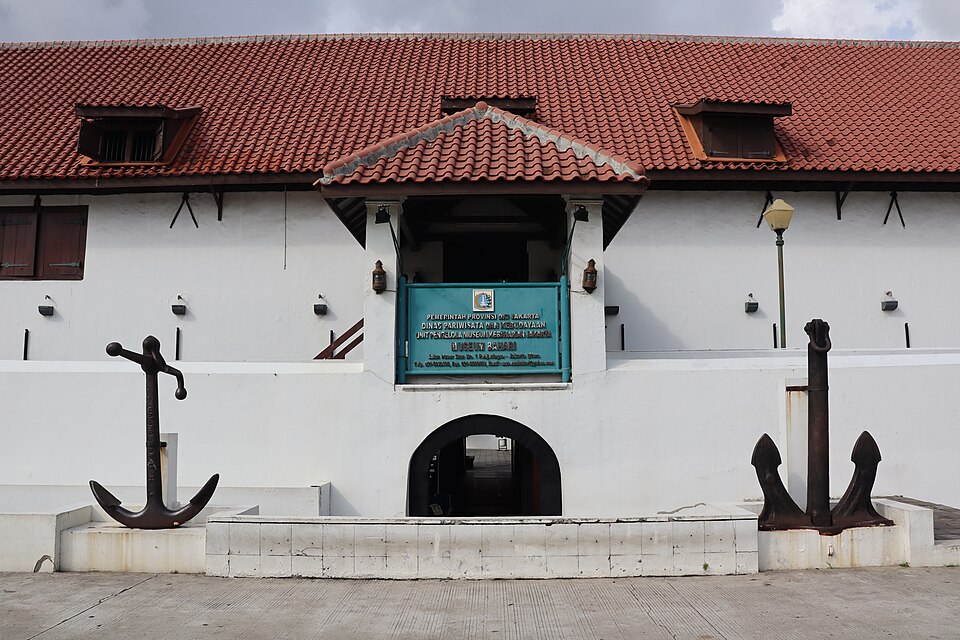
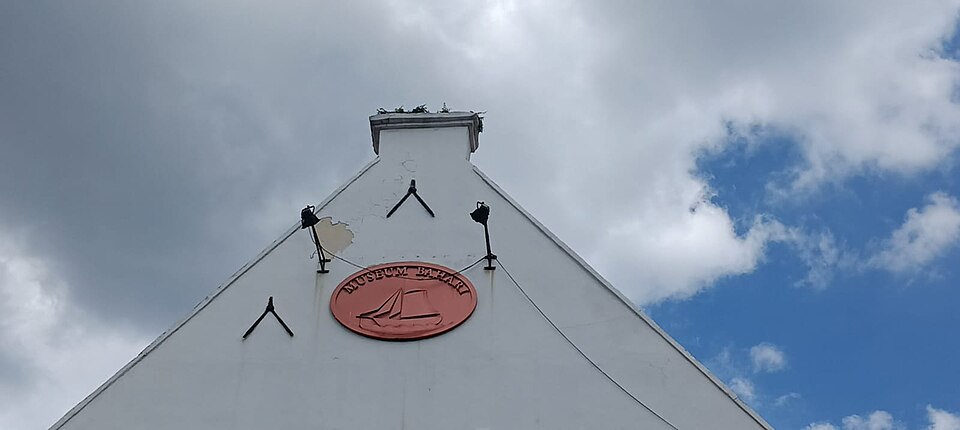
The Maritime Museum, known locally as Museum Bahari, occupies a historic site in Jakarta's old Sunda Kelapa harbor area. The museum celebrates Indonesia's seafaring traditions and maritime heritage in a city shaped by centuries of ocean trade. Housed within restored Dutch colonial warehouses, the institution preserves artifacts that speak to the archipelago's identity as a maritime nation and Jakarta's evolution from a vital port settlement into Indonesia's sprawling modern capital. Maritime Museum also earns time in a jakarta itinerary because A ranked jakarta visitor place retained in the breadth-first top 100; production has no exact city POI pool match. Its value becomes clearer when the stop is compared with the surrounding streets and the other ranked places nearby.
Checked 2026-08-26
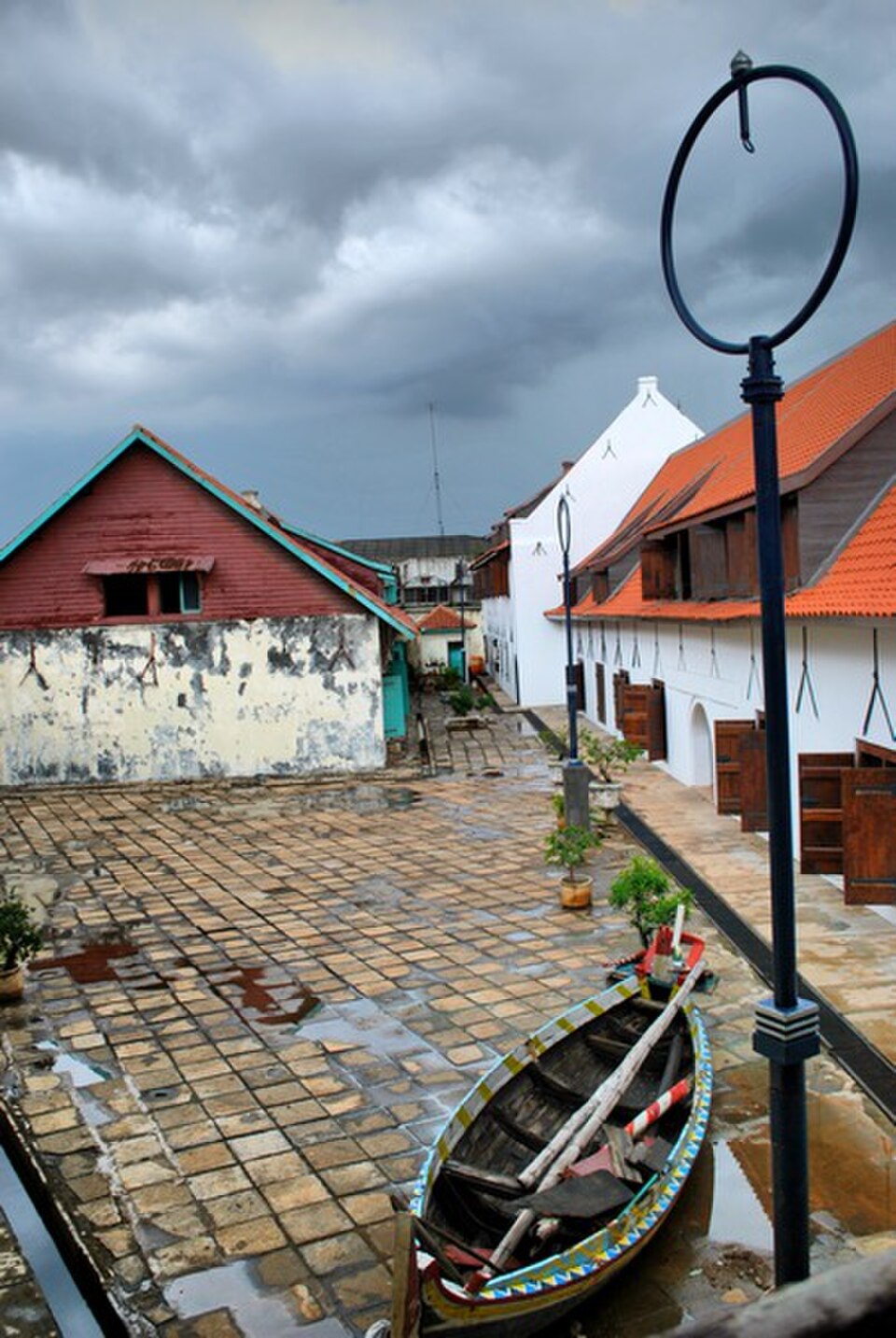
The museum's collections encompass nautical instruments, traditional vessel models, maritime paintings, and colonial-era documents. Exhibits trace Indonesian boat-building techniques across diverse island cultures. Historic maps and photographs illustrate Jakarta's harbor transformation. The warehouse architecture itself constitutes part of the heritage display, with thick walls and traditional construction methods visible. Ship figureheads and navigational equipment demonstrate technological development. The connection between maritime commerce and Indonesia's national formation receives interpretive attention throughout the galleries. A flexible visit lets travellers connect Maritime Museum with the rest of the day without treating one room, viewpoint or photograph as the whole experience. The useful pace depends on personal interest and conditions on arrival.
Checked 2026-08-26

Visitors typically allocate between sixty and ninety minutes for a meaningful museum experience. This duration accommodates careful examination of permanent displays without excessive haste. The compact site layout permits efficient circulation through exhibition spaces. Those with specialized interest in maritime history or Indonesian nautical culture may prefer extended visits. Photography enthusiasts and readers of detailed exhibit labels should adjust timing accordingly. The surrounding harbor district warrants additional exploration for visitors seeking broader contextual understanding of Jakarta's maritime heritage zone.
Checked 2026-08-26
Operator-confirmed hours are Not recorded pending review. Jakarta's tropical climate presents consistent warmth year-round with distinct wet and dry seasons. Morning visits may offer marginally cooler temperatures and reduced humidity before midday heat accumulation. The dry season months generally between May and October typically deliver more predictable conditions for outdoor walking between harbor areas and museum entry. Rainy season afternoons frequently produce heavy downpours that could affect comfort and accessibility. Visitors should verify current operational status before travel planning.
Checked 2026-08-26
Operator-confirmed prices are Not recorded pending review. The museum likely maintains standard Indonesian cultural institution admission categories potentially distinguishing domestic and international visitors. Some Indonesian museums implement variable pricing structures for adults, students, and children. Additional fees may apply for photography permits or special exhibitions. Payment methods and currency acceptance remain unverified. Visitors should carry sufficient Indonesian rupiah as smaller institutions frequently operate cash-only transactions. Group rates and educational discounts may be available though unconfirmed. Advance booking requirements are unknown.
Checked 2026-08-26
The museum sits in Jakarta's Kota district near Sunda Kelapa harbor, historically the city's maritime heart. Access requires navigation through dense urban infrastructure. TransJakarta bus corridors serve the broader Kota area with subsequent walking necessary. Ride-hailing applications operate extensively throughout Jakarta. Private vehicle access confronts severe traffic congestion and limited parking availability characteristic of old city quarters. The surrounding street network features narrow lanes inherited from colonial urban planning. Visitors should anticipate significant travel time from central Jakarta accommodations regardless of transport mode selected.
Checked 2026-08-26
The historic warehouse structures may present accessibility challenges including uneven flooring and limited elevator provision. Humidity levels within old buildings can affect comfort and artifact preservation conditions. The surrounding harbor district experiences active port operations with associated truck traffic and industrial activity. Street conditions in immediate vicinity may be poorly maintained. Visitors should exercise standard urban precautions regarding personal belongings. Water quality and sanitation in harbor areas warrant awareness. The museum's aged infrastructure may lack climate control consistency affecting visitor experience during peak heat periods.
Checked 2026-08-26
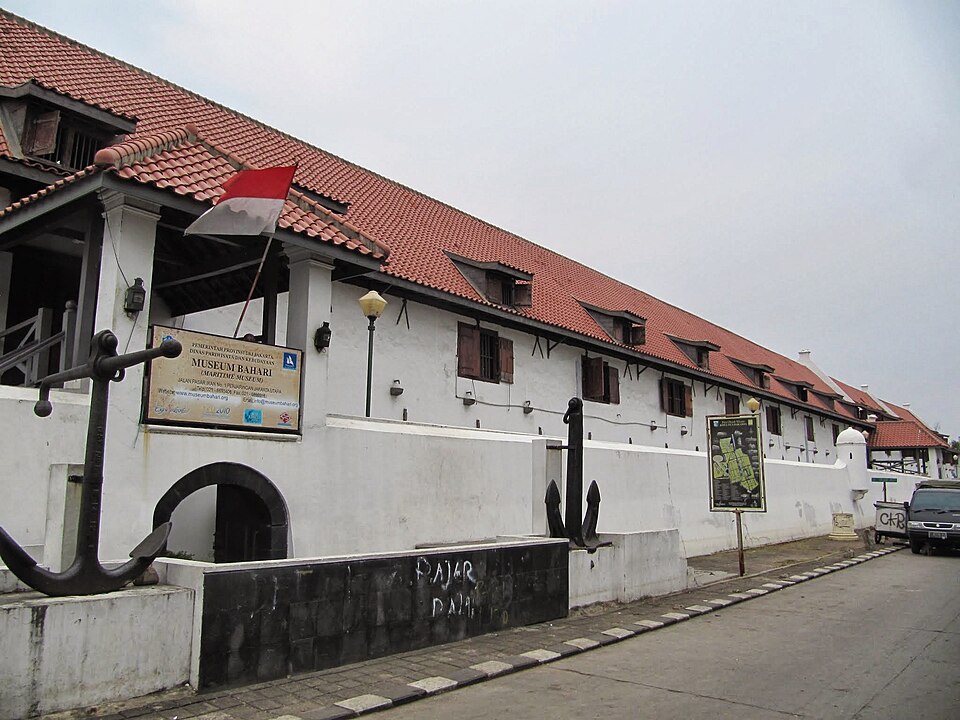
Photography policies within Indonesian museums vary considerably without universal standardization. Flash photography restrictions commonly protect light-sensitive artifacts and painted surfaces. Tripod and professional equipment use typically requires advance authorization. The warehouse architecture offers distinctive interior spatial qualities for photographic documentation. Natural lighting conditions through original windows create atmospheric effects though potentially challenging exposure situations. Exterior photography captures the distinctive colonial warehouse silhouette against harbor activity. Drone operation would require specific permits given proximity to active port facilities. Visitors should seek staff guidance upon entry regarding current regulations.
Checked 2026-08-26
The museum's nautical themes and vessel displays may engage children with maritime interests, though interactive elements are not specifically documented. Parents should assess attention span suitability for historical exhibition formats.
Formal guided tour availability is Not recorded. Some Indonesian museums offer scheduled tours or audio options, though consistency varies. Visitors might inquire on arrival or arrange independent guiding services in Jakarta.
Historic warehouse conversion may present accessibility limitations. Older buildings in Indonesia frequently lack comprehensive accessibility modifications. Visitors requiring specific accommodations should contact the institution directly before visiting if possible.
The active harbor area adjacent to the museum operates independently as a working port. Public access to certain zones may be restricted. The museum visit can complement external harbor observation from accessible viewpoints.
The Kota district contains various food establishments though specific recommendations near the museum are Not recorded. Jakarta's street food culture extends throughout old city areas. Visitors might find options toward Fatahillah Square or main roads.
Jakarta possesses multiple institutions touching maritime themes. Museum Bahari specifically occupies authentic harbor warehouses, distinguishing it from museums in converted non-maritime buildings. The Sunda Kelapa location provides direct geographical connection to historical trade routes.
Loading the interactive map…
The interactive map could not be loaded.
Last updated:
Source: OpenStreetMap contributors, Wikidata ·