.JPG)

01
2 hours
Tjornin Pond
Tjörnin
Tjörnin is a prominent pond in central Reykjavík, the capital of Iceland. The local name Tjörnin translates to the pond or the lake in Icelandic.
- Must see
- Nature site
Language · 11 published
City guide · Iceland

Reykjavík's old centre lies between Tjörnin and the harbour, with Hallgrímskirkja rising uphill to the east. Museums and waterfront architecture extend along the shore, while Laugardalur and outer neighbourhoods sit beyond the compact core. The Golden Circle, Reykjanes peninsula and south coast are regional routes outside Reykjavík itself. Weather and daylight can change how much of even a short urban route is practical.
Set your days, your pace and the hours you actually want to be out. The planner works around closing days and travel time, and leaves room to eat.
Ranked by importance — sitelinks, pageviews and heritage status, not editor preference.
11 places match
Category
Typical visit duration
Interests
Tjörnin
Tjörnin is a prominent pond in central Reykjavík, the capital of Iceland. The local name Tjörnin translates to the pond or the lake in Icelandic.
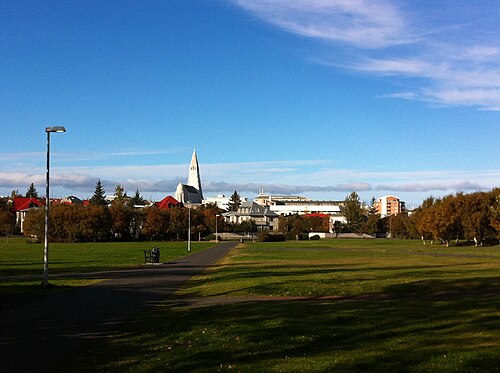
Klambratún is a public green space in central Reykjavík, used for everyday recreation, walking and time outdoors.

Ylströndin í Nauthólsvík
Nauthólsvík Geothermal Beach is a purpose-built bathing beach on Reykjavík’s coast. Its lagoon uses geothermal heating to make seawater suitable for beach-style recreation despite Iceland’s cool climate, creating a distinctive combination of open coast and warm water.

Fjölskyldu- og húsdýragarðurinn
Reykjavik Family Park and Zoo, known locally as Fjölskyldu- og húsdýragarðurinn, is a family-oriented attraction in Iceland's capital. The facility combines recreational parkland with animal exhibits featuring domestic and farm animals typical to Icelandic rural life.

Grasagarður Reykjavíkur
Grasagarður Reykjavíkur, the Reykjavik Botanical Garden, is a municipal botanical garden in the Laugardalur valley of Iceland’s capital. It is both a calm green space and a living collection designed for education, research, and recreation.
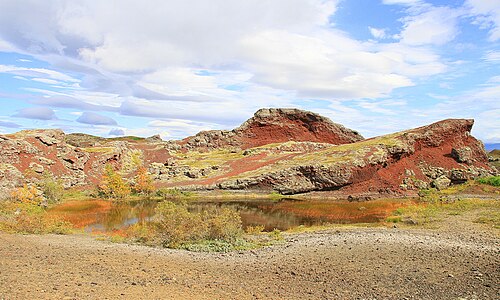
Rauðhólar is a cluster of distinctive red pseudocraters located on the southeastern outskirts of Reykjavík, Iceland.
Eiði Coastal Path is an open shoreline walking area in the Reykjavík region. The route brings visitors close to North Atlantic water, broad skies, and the rugged coastal character associated with Iceland.
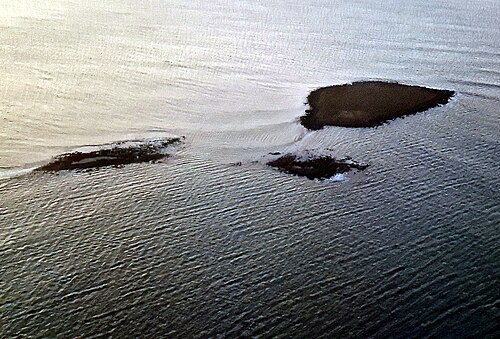
Akurey is a small island located in Kollafjörður fjord near Reykjavik, Iceland. Known locally as Akurey, this uninhabited island serves as an important seabird habitat, particularly for puffins during breeding season.
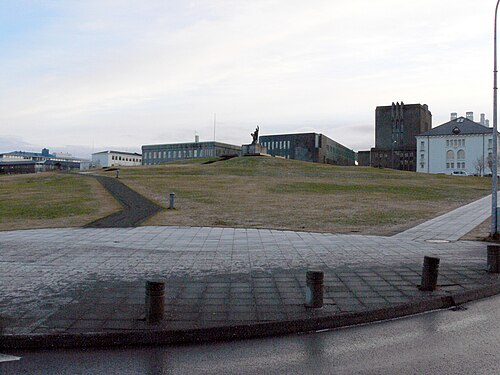
Arnarhóll is a prominent hill in central Reykjavik, Iceland, offering elevated views across the city centre and surrounding harbour area. The grassy mound rises near the intersection of major streets and serves as an open public space.
Víðistaðatún is an outdoor sculpture park and public green space in the Reykjavik area. Its appeal comes from encountering art in an open landscape rather than inside a museum.

Hellisgerði is a public park situated in the Hafnarfjörður area near Reykjavík, Iceland. The park is known for its association with local folklore, particularly beliefs surrounding elves and hidden folk in Icelandic tradition.
Source: OpenStreetMap contributors, Wikidata ·
Walk the old centre, Tjörnin and the harbour as one compact circuit, allowing for the climb toward Hallgrímskirkja. Place Laugardalur or an outer museum in a second block reached by bus. Do not count a Golden Circle, Reykjanes or south-coast tour as spare time around Reykjavík: each leaves the urban area and is vulnerable to road and weather conditions.
Checked 2026-08-26
Central Reykjavík is primarily explored on foot, with Strætó buses linking Laugardalur, outer districts and transfer points. The city has no urban rail network, so a missed bus can materially change an outer-neighbourhood plan. Consult Strætó's current timetable and ticket information before boarding. Regional tours and airport journeys are separate services and should not be inferred from the city-bus route map.
Checked 2026-08-26
No official city-wide duration is recorded. Give the old centre, harbour and central museums priority, then add Laugardalur or an outer district. Regional Iceland routes require additional time beyond the Reykjavík visit.
Make one walking circuit around Tjörnin, the old centre and harbour, with Hallgrímskirkja on the uphill side. Use a separate bus-led block for Laugardalur or an outer museum.
Walk through central Reykjavík and use Strætó for districts beyond the core. Check the current bus timetable and ticket instructions directly, since there is no urban train alternative when a connection is missed.
The old centre, harbour and major central landmarks form a manageable walk. Laugardalur and outer neighbourhoods are better reached by bus, especially when wind, rain, snow or limited daylight affects the route.
The Golden Circle, Reykjanes peninsula and south coast are separate regional journeys. Check road conditions, daylight, pickup arrangements and the return plan rather than attaching one to a central sightseeing schedule.