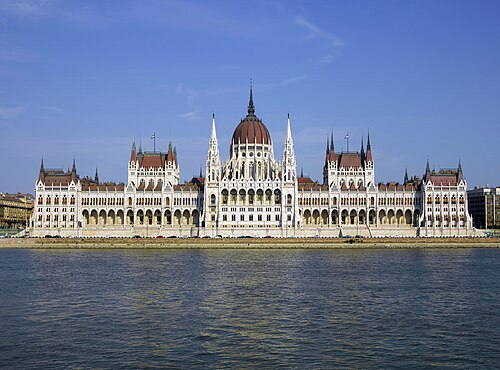
Hungarian Parliament Building
Országház — House of the Country — is the seat of the National Assembly of Hungary and the largest building in the country.
- Must see
- Historic monument
- Budapest
Language · 11 published
Country guide
Hungary is landlocked inside the Carpathian Basin, drains entirely into the Danube, and is dominated by wide lowland plains with seven neighbours around the rim. Just over 9.5 million people live here, and Budapest pulls hard enough that most itineraries amount to the capital plus one decision. The Danube cuts the city in two and carries on north through the bend towns; the plains run east toward Romania; Lake Balaton lies southwest and does the work a coast would do in a country that has none. Hungarian is one of the few languages in Europe outside the Indo-European family, which is the first thing a visitor notices on a road sign and the last thing they get used to.
Every city catalogued in this country so far, ranked by how much there is to see.
Photograph · Thomas Depenbusch (Depi) from Cologne, Germany · CC BY 2.0
Ranked by importance — sitelinks, pageviews and heritage status, not editor preference.
100 places match
Category
Typical visit duration
Országház — House of the Country — is the seat of the National Assembly of Hungary and the largest building in the country.
St Stephen's Basilica stands on Szent István tér in Lipótváros, the flat nineteenth-century grid of central Pest, and is the largest church in Budapest and the third largest in Hungary.
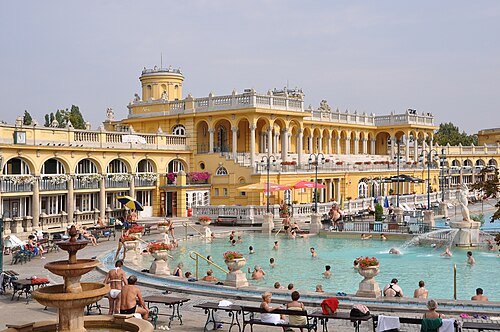
Szechenyi Thermal Bath is a thermal bath complex in Budapest, Hungary. It is one of the largest public thermal bath complexes in Europe. The facility operates from a neo-baroque palace building constructed in the early twentieth century.
The Church of Our Lady of Buda Castle, known to almost everyone as Matthias Church, stands on Szentháromság tér at the top of the castle hill in Buda.
The Danube Promenade is a riverside walkway along the eastern bank of the Danube River in Budapest, Hungary. It stretches between the Chain Bridge and the Elizabeth Bridge in the city centre.
The House of Terror Museum is a memorial museum located on Andrássy Avenue in Budapest. It occupies a building that served as headquarters for the Nazi Arrow Cross Party and later the Soviet-aligned ÁVH secret police.
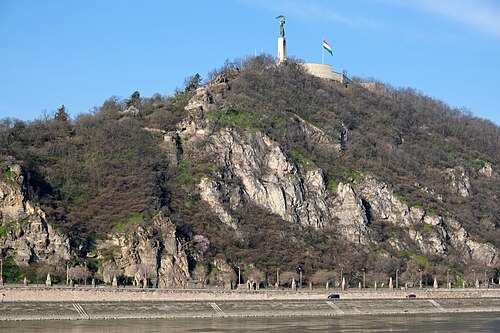
Gellért Hill is a 235-metre dolomite bluff on the Buda bank of the Danube, straddling the 1st and 11th districts and rising about 140 metres above the water directly opposite the Pest embankment.
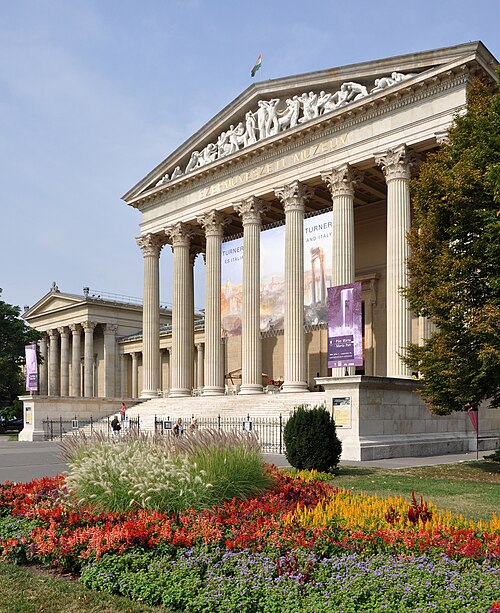
The Museum of Fine Arts is a major art museum in Budapest, Hungary. It stands on Heroes' Square in the city, forming part of a significant cultural ensemble with the Palace of Art and Millennium Monument.
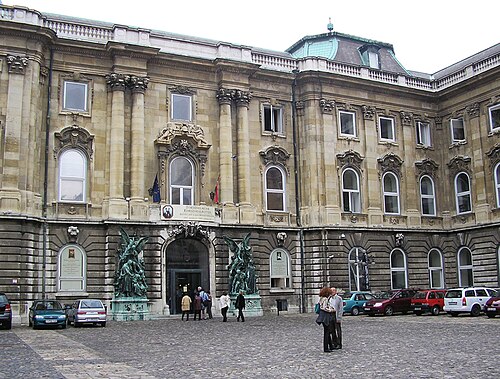
The Hungarian National Museum stands as a major institution in Budapest, dedicated to the history, archaeology and art of Hungary. Founded in 1802, it occupies a neoclassical building designed by Mihály Pollack that opened in 1847.
Hospital in the Rock is a former emergency hospital and nuclear bunker located beneath Buda Castle in Budapest. The facility was built into the natural cave system under Castle Hill during the 1930s and expanded during the Cold War era.
Rudas Thermal Bath and Swimming Pool is a working Budapest bath complex whose centrepiece is a 16th-century Ottoman bath. The operator describes an octagonal thermal pool beneath a 10-metre dome carried by eight pillars.
The Budapest History Museum is a municipal museum dedicated to the history of Hungary's capital city.
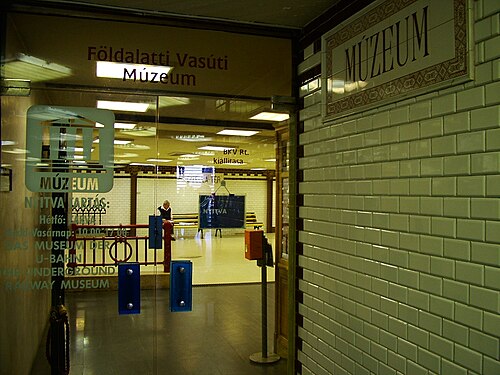
Liberty Bridge spans the Danube River in Budapest, connecting Buda and Pest. The green-painted structure features Art Nouveau design elements and distinctive turul bird statues at its masts.
Margaret Bridge is a historic road bridge in Budapest, Hungary, connecting Buda and Pest across the River Danube. It is the second northernmost bridge in the city centre and provides access to Margaret Island via a junction at its midpoint.
Kiraly Thermal Bath is a historic thermal bath in Budapest, Hungary. It is one of the city's traditional Turkish-era baths, distinguished by its characteristic Ottoman architecture including a central dome and octagonal pool hall.
Palatinus Strand Baths is a large open-air swimming complex situated on Margaret Island in the Danube River, Budapest. The facility represents one of the city's notable thermal and recreational bathing destinations.
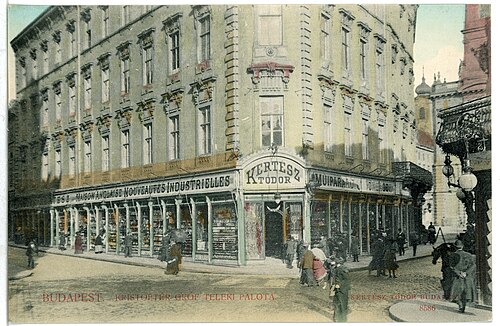
Váci Street is one of Budapest's best-known pedestrian thoroughfares, running through the heart of the city centre. The street stretches from Vörösmarty Square down toward the Great Market Hall area, forming a major commercial and tourist corridor.
Fashion Street is a pedestrian shopping street in central Budapest, located in the Fifth District near Deák Ferenc Square. The street runs between Deák Ferenc Square and Váci Street, forming part of the city's retail core.
Andrassy Avenue is a prominent boulevard in central Budapest, Hungary. The avenue stretches from Deak Ferenc Square to Heroes' Square and forms part of the Budapest World Heritage Site.
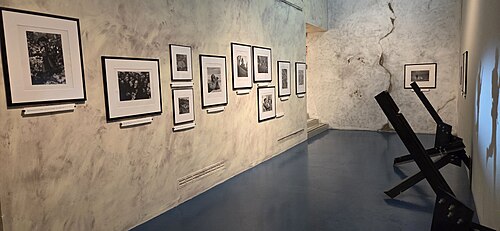
The Robert Capa Contemporary Photography Center is a photography museum and exhibition space in Budapest. It is named after Robert Capa, the renowned Hungarian-born war photographer.
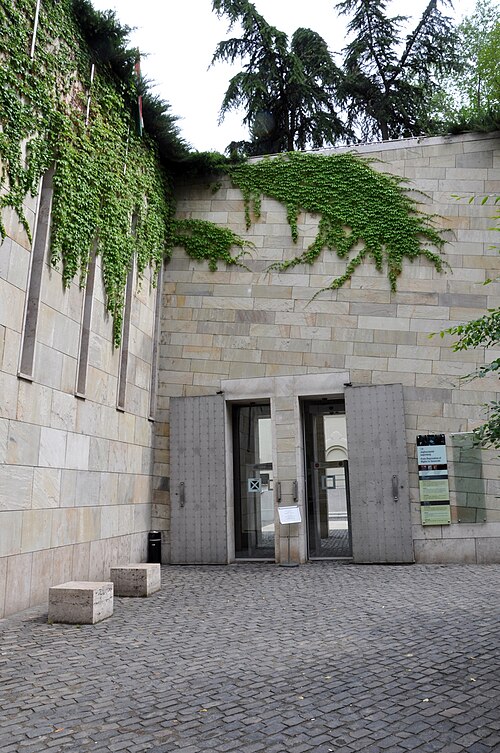
The Holocaust Memorial Center in Budapest is a memorial and museum dedicated to documenting the Holocaust in Hungary. It occupies a former synagogue building in the Páva Street area.
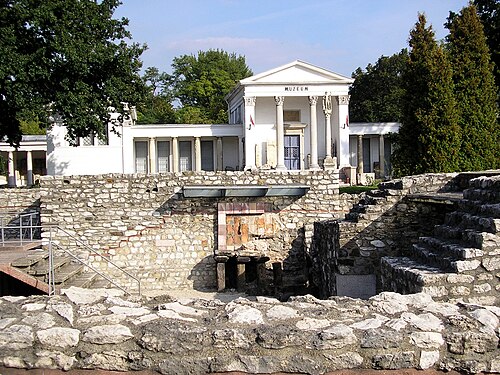
Aquincum Museum is an archaeological museum in Budapest, Hungary. It preserves and displays remains of the ancient Roman city of Aquincum, which was the capital of Pannonia Inferior province.
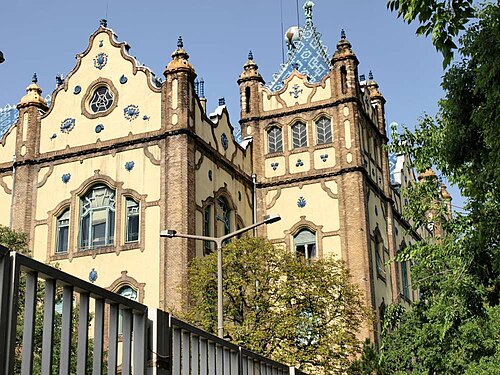
The Museum of Applied Arts, known locally as Iparművészeti Múzeum, is a museum institution in Budapest, Hungary. It occupies a distinctive building that represents an important example of Hungarian Secessionist architecture.
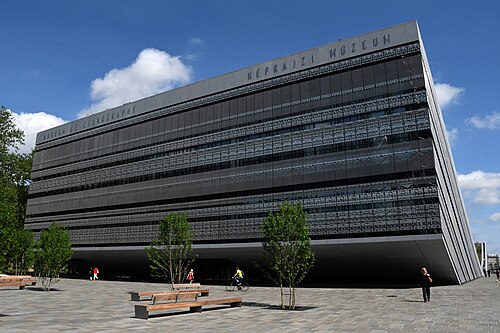
The Museum of Ethnography in Budapest is a national museum dedicated to Hungarian and international ethnographic collections. It is housed in a prominent building near Kossuth Square in the Hungarian capital.
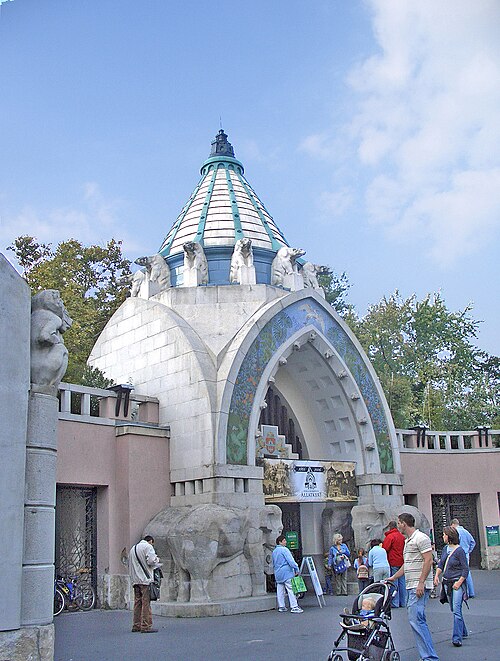
Budapest Zoo and Botanical Garden is a combined zoological and botanical institution in Budapest, Hungary. It holds significance as one of the oldest zoos in the world, with origins dating to the nineteenth century.
Flippermúzeum is a museum in Budapest dedicated to pinball machines. It preserves and displays a collection of vintage and modern pinball tables for public engagement.
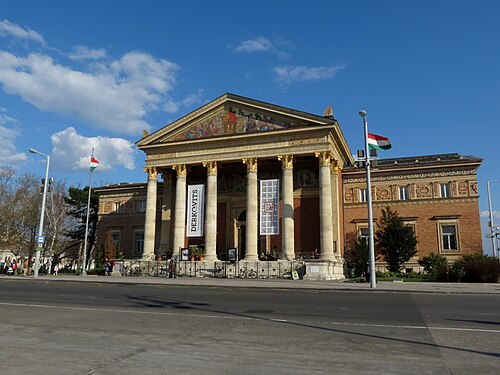
The Hall of Arts, known locally as Műcsarnok, is a prominent exhibition hall located in Budapest, Hungary. Situated on Heroes' Square, it stands as a significant cultural institution in the city.
The Hungarian Natural History Museum is Hungary's national institution for zoology, botany, anthropology, mineralogy, petrology, geology, and palaeontology.
The Children's Railway is a narrow-gauge railway in the Buda Hills of Budapest, Hungary. It is notable for being operated primarily by children under adult supervision, a tradition dating to its origins in the socialist era.
The Petőfi Literary Museum is a Hungarian cultural institution in Budapest dedicated to preserving and presenting the nation's literary heritage.
Kopaszi Dam is a riverside park and recreational area located in Budapest, situated along the Danube in the southern part of the city.
The Hungarian Railway Museum, known locally as Magyar Vasúttörténeti Park, is a railway museum in Budapest. It occupies a substantial site and preserves Hungary's railway heritage through locomotives, carriages, and related infrastructure.
Aeropark is an aviation museum located near Budapest Ferenc Liszt International Airport. Its local name, Aeropark BUD Repülőgép-múzeum, identifies it as an aircraft museum serving the BUD airport area.
The Glass House, known locally as Carl Lutz Emlékszoba, is a memorial site in Budapest commemorating Swiss diplomat Carl Lutz and the glass factory building that served as a safe haven during the Holocaust.
The Földalatti Vasúti Múzeum is Budapest's Underground Railway Museum, dedicated to the history of the city's metro system. Budapest operates the oldest electrified underground railway in continental Europe, with the M1 line beginning service in 1896.
The Carmelite Monastery of Buda is a religious complex in Budapest, Hungary, known locally as Karmelita kolostor. It occupies a significant position within the Buda district, contributing to the area's spiritual and architectural character.
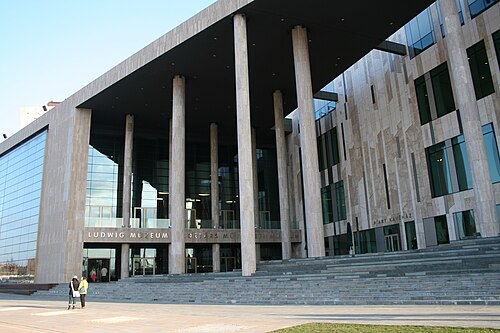
The Ludwig Museum Budapest is a contemporary art museum located in the Hungarian capital. Its full local name is Ludwig Múzeum – Kortárs Művészeti Múzeum, which translates to Ludwig Museum – Museum of Contemporary Art.
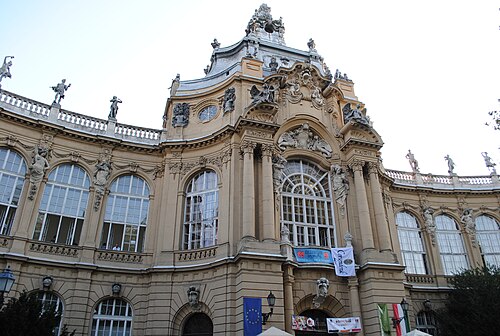
The Museum of Hungarian Agriculture, locally known as Magyar Mezőgazdasági Múzeum és Könyvtár, is a museum institution located in Budapest. It occupies a distinctive building within the Vajdahunyad Castle complex in City Park.
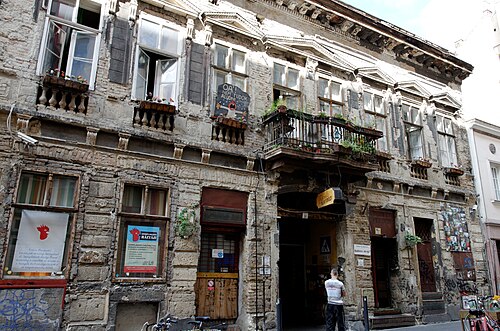
Gozsdu Courtyard is a historic passage complex in Budapest's inner Erzsébetváros district, forming a covered walkway between Király Street and Dob Street through a series of interconnected courtyards.
Szimpla Kert is Budapest's original and most internationally recognised ruin pub, occupying a derelict factory building in the Jewish Quarter. The venue pioneered the ruin bar concept in the early 2000s, transforming neglected pre-war structures into eclectic social spaces.
Source: OpenStreetMap contributors, Wikidata ·
Five to seven days gives Budapest four days and leaves room for Eger, Pécs, Lake Balaton or the Danube Bend. Choose one extension; repeated returns to the capital can consume the time an overnight would preserve.
Hungary’s consular information service carries the current entry and visa rules. Check the passport-specific requirement and the complete Schengen itinerary rather than assuming another member state’s answer applies unchanged.
Budapest Airport is the principal international gateway. Intercity trains and coaches radiate from the capital, while Budapest uses its own metro, tram, bus and suburban-rail fare system.
April through June and September through October are practical for Budapest and regional sightseeing. Lake Balaton’s summer season and winter operating patterns create different transport and opening considerations.
Hungarian forints (HUF) are the recorded currency even though some businesses may display other currencies. Fees and acceptance are Not recorded; verify the HUF total and avoid accepting an unclear conversion.
Call 112 in a Hungarian emergency. Electricity is 230 V through Type C and F sockets; national tap-water guidance is Not recorded in the cited material.