
01
2 hours
Old Tbilisi
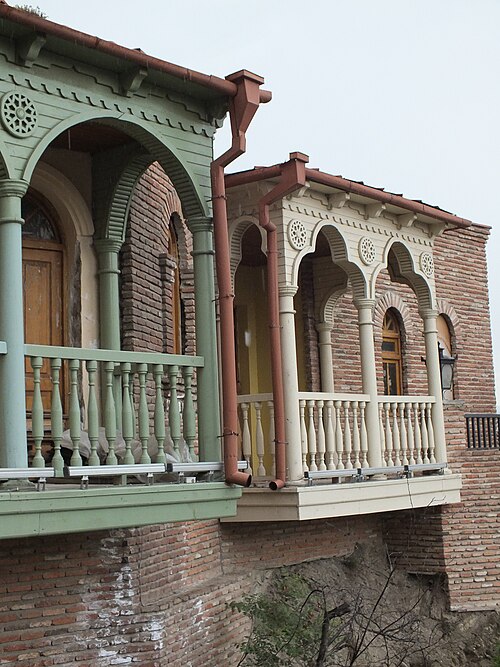
Old Tbilisi is the historic core of Georgia's capital, known in Georgian as ძველი თბილისი.
- Must see
- Activity
Language · 11 published
City guide · Georgia

Tbilisi spreads along the Mtkvari River, with Old Tbilisi, the sulfur baths and Narikala concentrated around the historic core. Rustaveli Avenue forms the main museum and theatre axis, while the left bank adds Marjanishvili and riverside districts. The city rises sharply on both sides of the river, so plan adjacent sights together and use public transport for hilltop or outer-city stops.
Set your days, your pace and the hours you actually want to be out. The planner works around closing days and travel time, and leaves room to eat.
Ranked by importance — sitelinks, pageviews and heritage status, not editor preference.
4 places match
Category
Typical visit duration
Interests
Old Tbilisi is the historic core of Georgia's capital, known in Georgian as ძველი თბილისი.

The Bridge of Peace is an illuminated glass-and-steel footbridge spanning the Kura River in central Tbilisi. Designed by Italian architect Michele De Lucchi, it opened as a contemporary landmark connecting the historic old town with the modern Rike Park district.
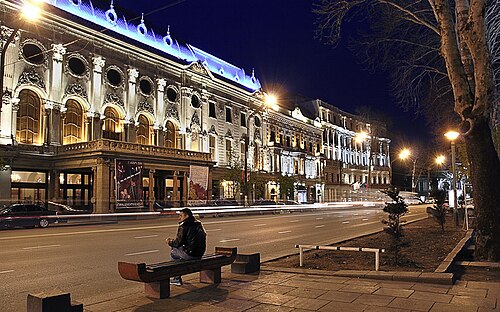
Rustaveli Avenue is Tbilisi's principal ceremonial boulevard, named after the medieval Georgian poet Shota Rustaveli. The avenue functions as the city's political and cultural spine, extending from Freedom Square toward the Rustaveli Metro station.

The Tbilisi Funicular is a historic cable railway ascending from Chonkadze Street in the city centre to Mtatsminda Plateau, a recreational area overlooking Georgia's capital.
Source: OpenStreetMap contributors, Wikidata ·
Old Tbilisi occupies the compact area below Narikala, including Abanotubani, Metekhi and streets near Freedom Square. Rustaveli Avenue runs northwest through the modern centre. Across the river, Aghmashenebeli Avenue and Marjanishvili create a second walkable cluster. Mtatsminda, the Chronicle of Georgia and the open-air ethnography museum require separate uphill journeys rather than being folded into an old-town walk.
Checked 2026-08-26
Walk within Old Tbilisi and the Rustaveli corridor, then use metro, bus or cable transport for longer links and steep approaches. The official Georgia Travel guide identifies Old Tbilisi as a compact two-square-kilometre core, but the wider visitor map extends well beyond it. Group river crossings and hillside attractions carefully because short map distances can conceal substantial elevation changes.
Checked 2026-08-26
A fixed official stay length is not recorded. Build the visit around Old Tbilisi and Rustaveli first, then add hilltop viewpoints, museums or outer districts according to available time.
No single official best-month range is recorded. Check current weather and event information, then plan the steepest outdoor routes for comfortable conditions.
Yes. Old Tbilisi and the Rustaveli corridor are practical walking zones, although slopes and river crossings make public transport useful between separate clusters.
Start with Old Tbilisi around Abanotubani, Metekhi and the streets below Narikala. It contains the city’s densest group of historic visitor sights.
Plan them as separate transport-assisted blocks. Mtatsminda, the Chronicle of Georgia and other elevated sites are not efficient additions to a continuous old-town walking route.