


2 min walk · Paris 5e Arrondissement
Librairie philosophique J. Vrin
- High
- Market
Language · 1 published
Historic monument · Paris 5e Arrondissement, Paris
Université Paris 1 Panthéon-Sorbonne - Centre Sorbonne
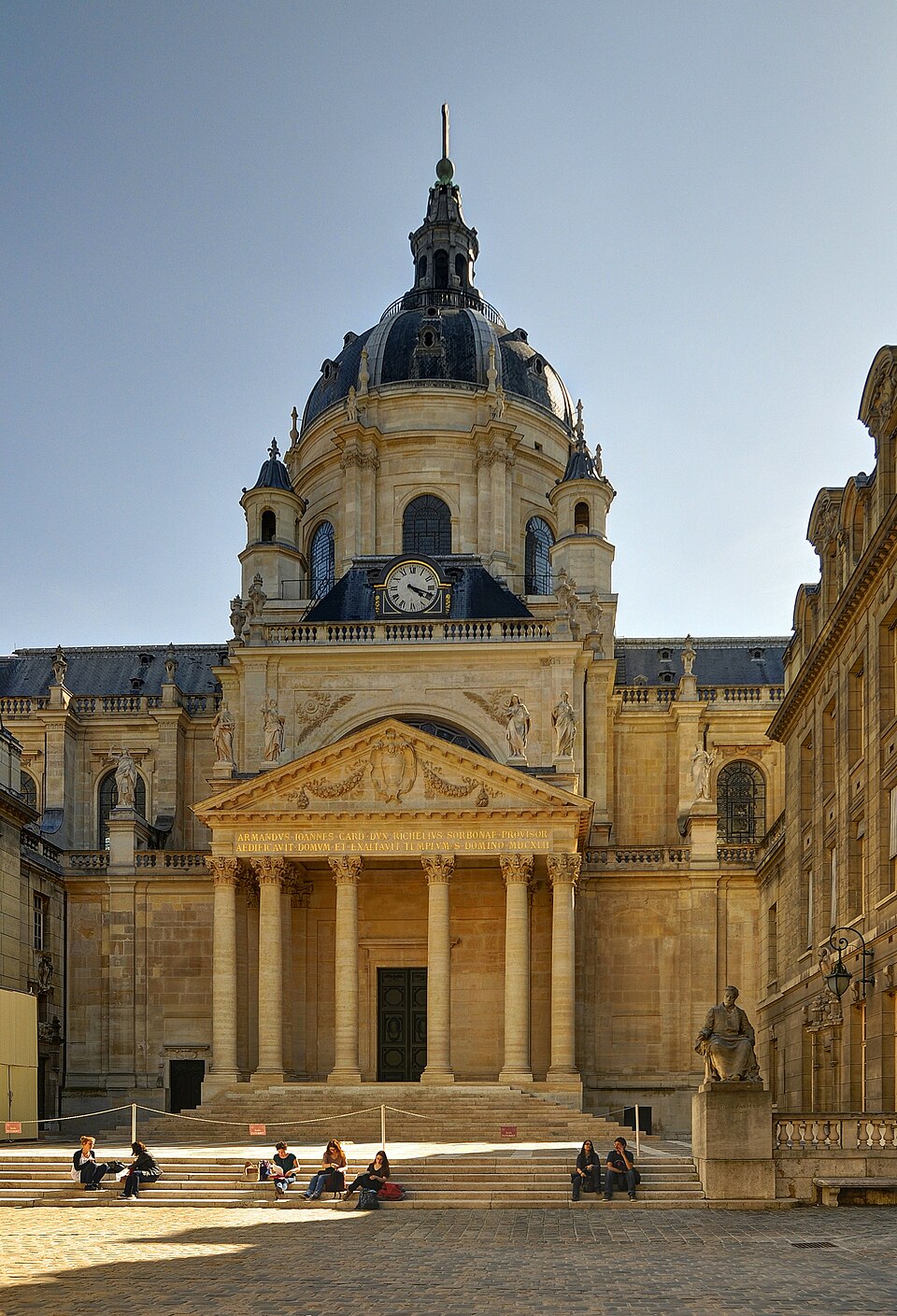
Behind the gate at Place de la Sorbonne sits a university with a name older than most nations: Robert de Sorbon founded a theology college here in 1257 under the patronage of Louis IX, and the word "Sorbonne" has meant this address ever since.
The medieval college outgrew its buildings long before the 20th century did. Cardinal Richelieu, the university's chancellor in the 1620s and 1630s, paid architect Jacques Lemercier to rebuild the whole complex, and the domed chapel that still fronts the square dates from that campaign. Richelieu is buried inside it.
The 1968 student uprising split the old University of Paris into thirteen independent universities the following year. Université Paris 1 Panthéon-Sorbonne, one of the thirteen, kept the law, economics and part of the humanities faculties and still occupies a share of the historic buildings alongside other institutions grouped under the Chancellery of the Universities of Paris.
Checked 2026-08-24 · Source
A working law and economics faculty, not a museum — most of what a visitor can see from outside is the chapel dome and the courtyard glimpsed through the gate.
The Chapelle Sainte-Ursule holds Richelieu's tomb, a marble monument carved by François Girardon showing the cardinal supported by allegorical figures of Religion and Science, finished in 1694, decades after his death. The Grand Amphithéâtre Richelieu, used for lectures and ceremonies, carries murals by Puvis de Chavannes painted in the 1880s.
Most of the interior is off-limits to anyone without a student or staff card. The building functions as a campus first; its heritage is a byproduct visitors are allowed to glimpse rather than a collection curated for them.
Checked 2026-08-24 · Source
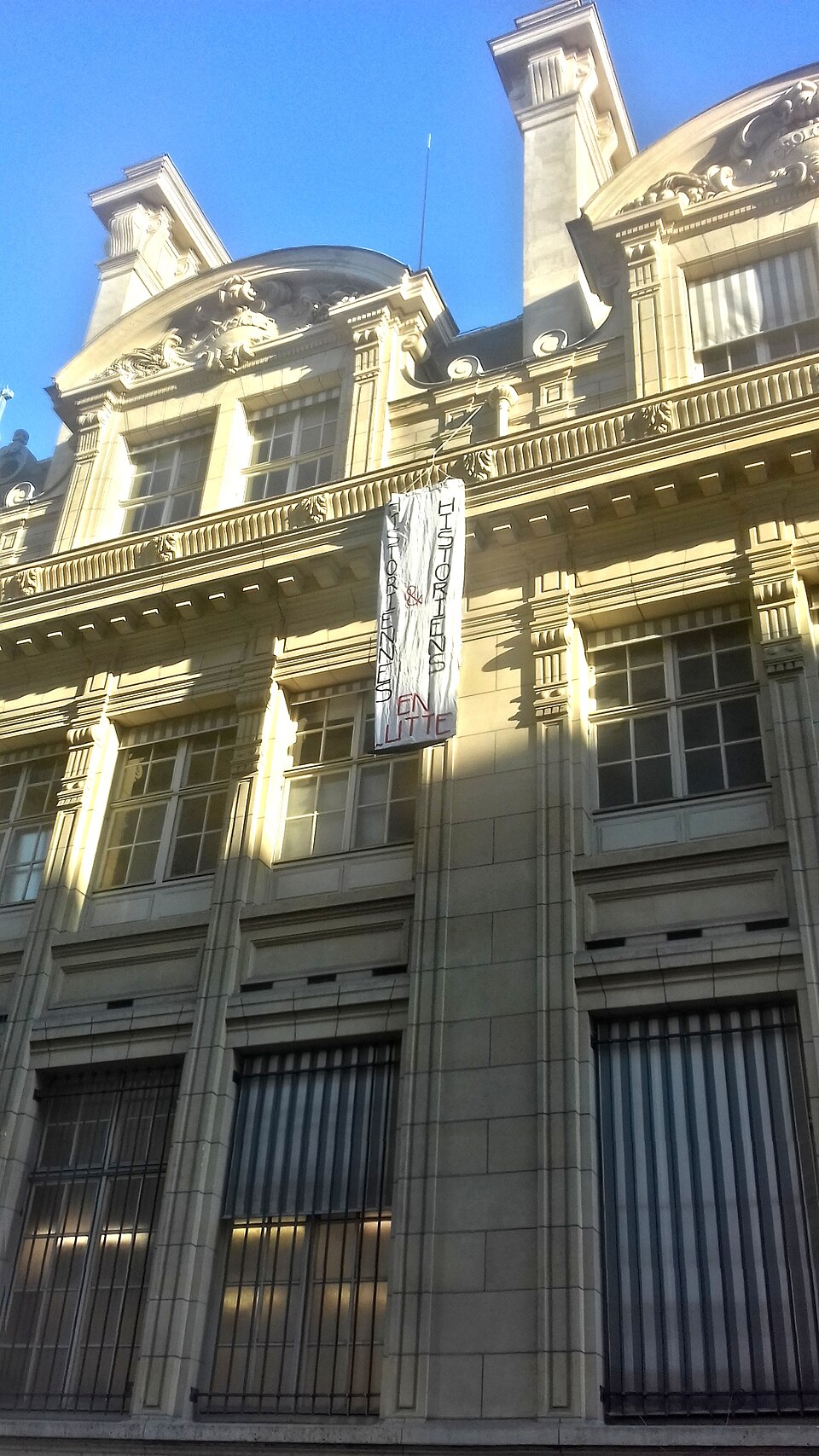
Ten to fifteen minutes for the square and the chapel façade from outside, which is what most visitors actually get.
There is no general public route through the interior. A visit that includes the chapel or the amphitheatre depends on getting inside during the annual Journées Européennes du Patrimoine in September, when some French heritage sites open rooms that stay closed the rest of the year, or on a university-run tour if one is being offered that term.
Planning around the square alone rather than the building keeps expectations honest.
Checked 2026-08-24 · Source
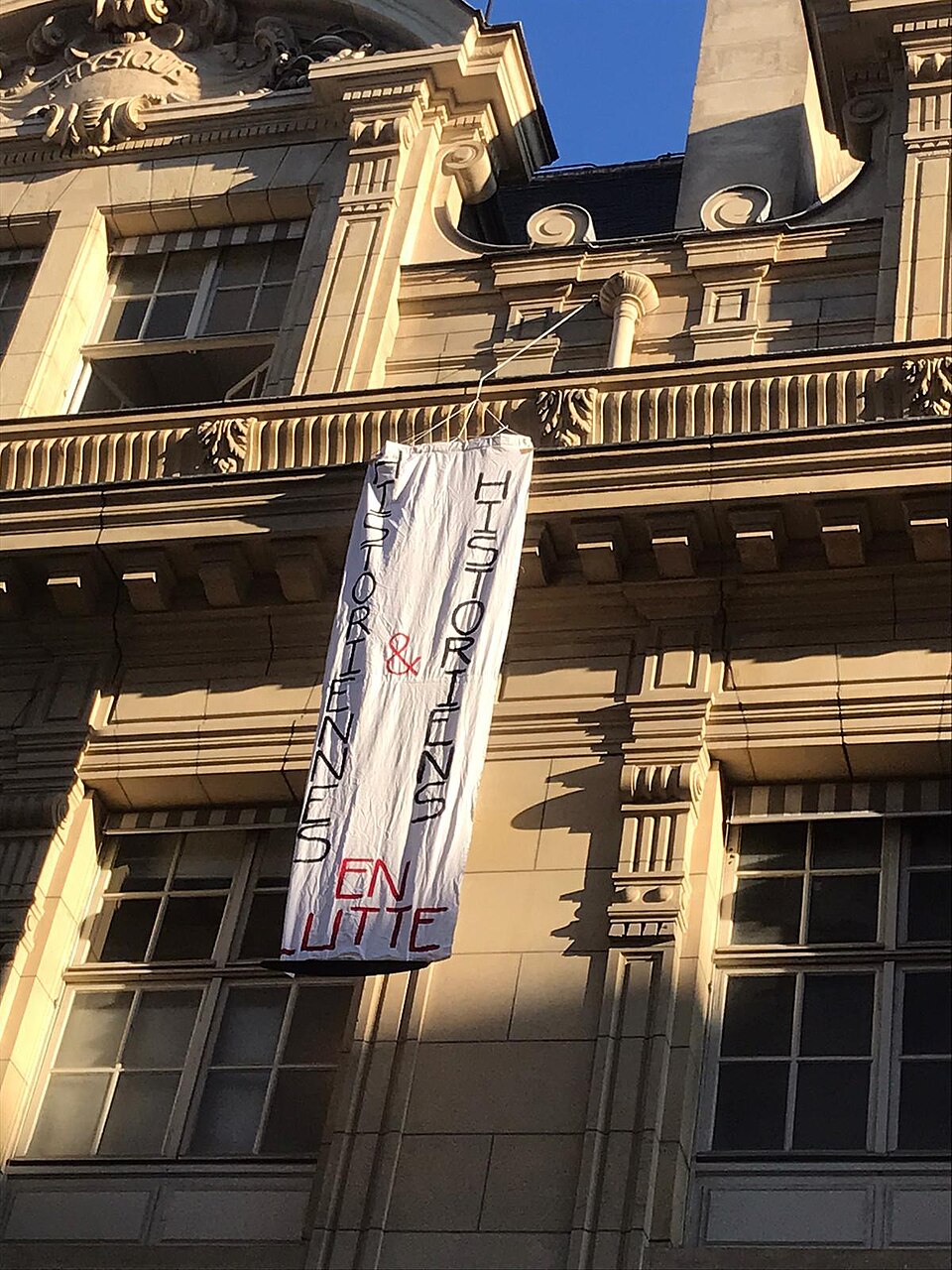
Any weekday during term time, for the square itself — cafés open, students crossing between lectures, the chapel dome visible above the gate.
The single date worth planning around is the heritage-open-days weekend in September, the one predictable chance at entry beyond the gate. Outside that weekend the building runs on an academic calendar rather than a visitor one, and August closes much of it down along with the rest of French academic life.
Checked 2026-08-24 · Source
Free to look at from Place de la Sorbonne itself; there is no ticket for the building because there is, ordinarily, no public entry to sell one for.
When the heritage-open-days weekend does allow entry, it runs on the same free, first-come basis as the rest of that weekend's sites across France. Current registration requirements for that weekend are not published on the sources this page uses and are not reproduced here.
Checked 2026-08-24 · Source
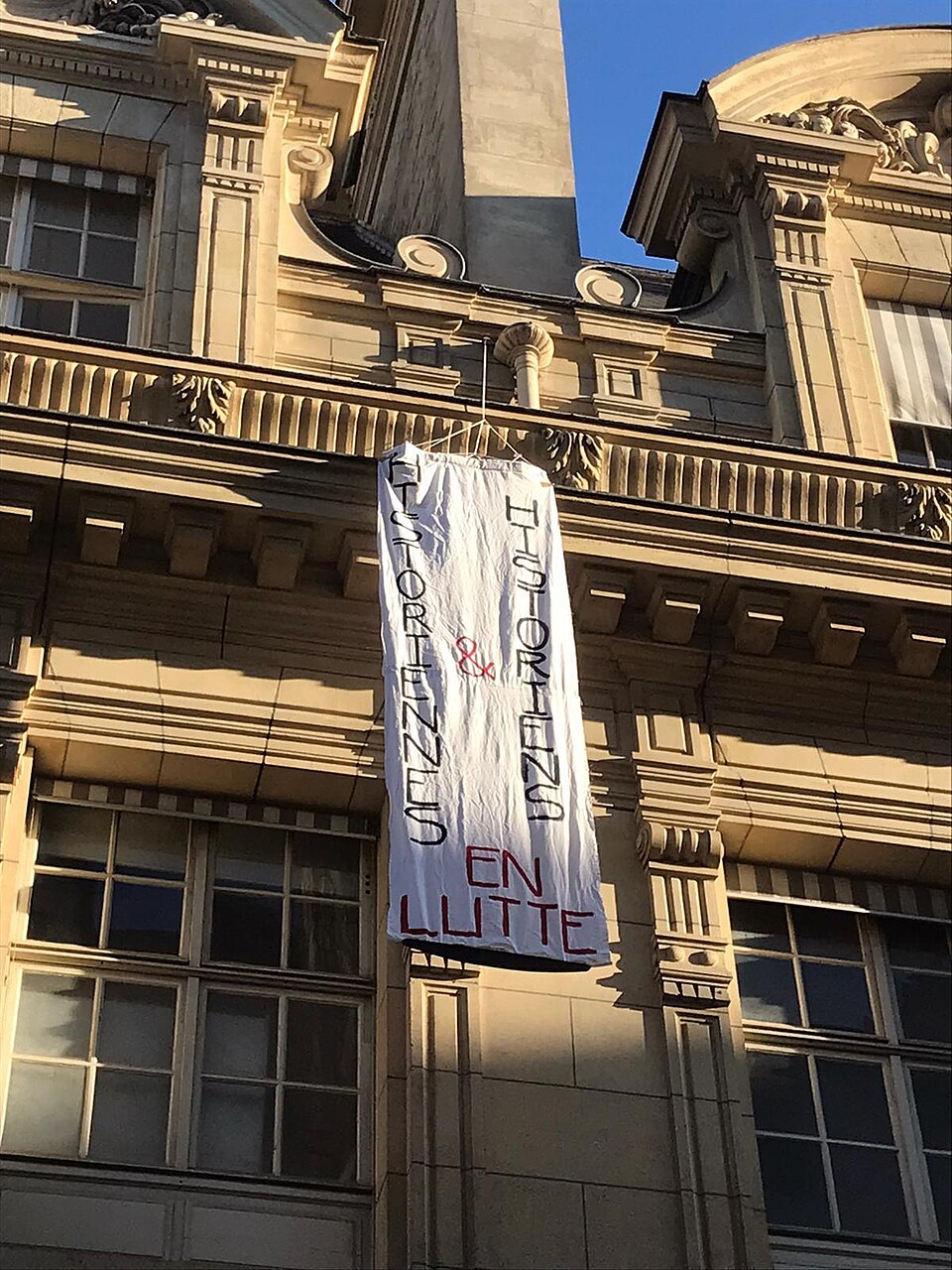
Place de la Sorbonne, in the Latin Quarter of the 5th arrondissement, a short walk from the Panthéon and the Luxembourg Gardens.
Cluny–La Sorbonne on Métro line 10 sits closest, and RER B's Luxembourg station is a few minutes on foot to the south. The square itself is pedestrian, lined with cafés and bookshops that serve the surrounding faculties as much as any visitor.
Checked 2026-08-24 · Source
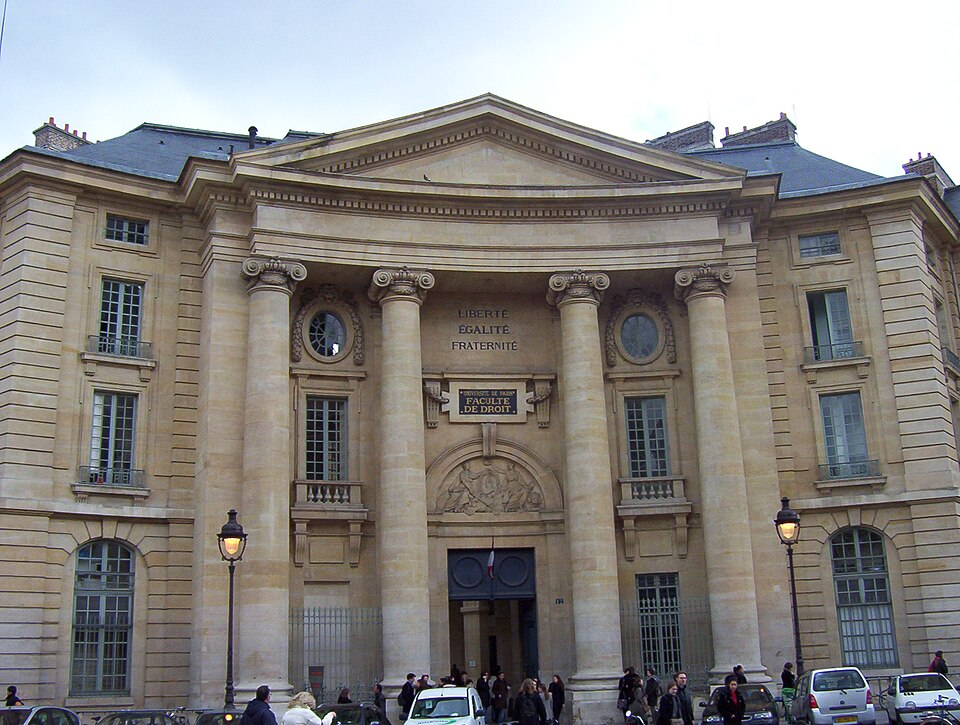
The building is a functioning university, not a tourist site, and staff at the gates turn away anyone without a reason to be inside — arriving expecting a walk-through is the single most common disappointment here.
The surrounding Latin Quarter streets get busy with students at the change of lecture hours, which is a reasonable time to see the square animated but a poor time to expect a quiet look at the façade.
Photography from the square is unrestricted; photography inside, on the rare occasions entry is possible, follows whatever the event organiser sets that day.
Checked 2026-08-24 · Source

The chapel's dome and pedimented front, seen straight down Place de la Sorbonne from the fountain end of the square, is the shot everyone leaves with.
Late afternoon light catches the stone façade well, and the square's cafés give a seated angle if a tripod is impractical among the foot traffic. The interior, when accessible, is dim and restricted for flash out of respect for the murals and the tomb.
Checked 2026-08-24 · Source
Not as a general rule. It is a working campus of Université Paris 1 Panthéon-Sorbonne and entry is restricted to students and staff, with the interior opening to the public mainly during the September heritage-open-days weekend.
Cardinal Richelieu, the university's 17th-century chancellor, who funded the rebuilding of the Sorbonne complex. His tomb, carved by François Girardon, was finished in 1694.
Robert de Sorbon founded the original theology college in 1257. Université Paris 1 Panthéon-Sorbonne, one of thirteen successor universities created after 1968, has occupied part of the historic site since.
The chapel's domed façade and the pedimented front of the main building, both visible from the public, pedestrian Place de la Sorbonne.
No. Place de la Sorbonne is an open public square with no admission charge; only an interior visit, when one is possible, could carry a fee, and none is currently published.
Loading the interactive map…
The interactive map could not be loaded.
Last updated:
Source: OpenStreetMap contributors, Wikidata ·