Mosque-Madrassa of Sultan Hassan
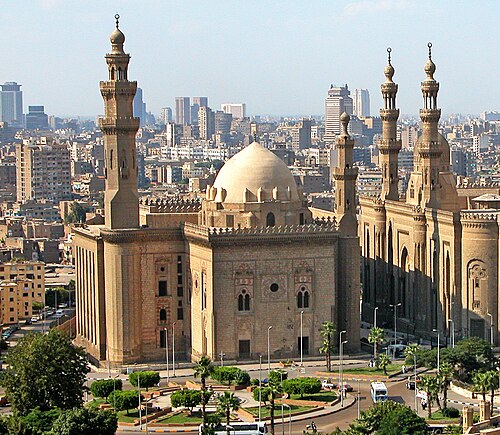
The Mosque-Madrasa of Sultan Hassan is a monumental Islamic religious and educational complex in Cairo, Egypt.
- Must see
- Place of worship
Language · 11 published
City guide · Egypt
Cairo is a vast Nile metropolis whose visitor geography includes Downtown, Historic Cairo, Coptic Cairo, Zamalek and the Giza plateau. Downtown holds modern civic and cultural landmarks; medieval Islamic streets extend east and south; Coptic sites cluster around Old Cairo; and Giza lies across the river but forms part of the standard Greater Cairo visit. Give each area its own block and expect slow cross-city journeys.
Set your days, your pace and the hours you actually want to be out. The planner works around closing days and travel time, and leaves room to eat.
Ranked by importance — sitelinks, pageviews and heritage status, not editor preference.
50 places match
Category
Typical visit duration
The Mosque-Madrasa of Sultan Hassan is a monumental Islamic religious and educational complex in Cairo, Egypt.
The Amr ibn al-As Mosque is a historic Islamic religious building in Cairo, Egypt. It holds significance as one of the oldest mosques in Africa, originally founded in the 7th century following the Muslim conquest of Egypt.
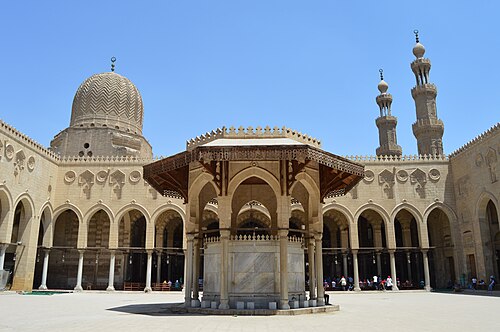
Al-Mu'ayyad Mosque is a historic Islamic religious complex in Cairo, Egypt. Built during the Mamluk period, it stands near Bab Zuweila, one of the remaining gates of the old Fatimid city.
Source: OpenStreetMap contributors, Wikidata ·
Downtown centres on Tahrir Square and the nineteenth-century street grid. Zamalek occupies an island in the Nile and connects by bridge to Downtown and Giza. Historic Cairo includes Al-Muizz Street, mosques, gates and markets, while Coptic Cairo forms a separate southern cluster. The Giza pyramids and Grand Egyptian Museum lie west of the Nile. Saqqara and Memphis are farther excursions and should not be combined with a full central-city day.
Checked 2026-08-26
Metro, buses, metered taxis and ride-hailing services cover Greater Cairo, while Nile taxis and local ferries provide selected river connections. The official tourism authority advises ensuring a taxi meter is operating. Use the Metro for suitable cross-city corridors, then allow time for the final road journey. Giza, Saqqara and airport transfers require specific planning, and access to remote archaeological areas should be confirmed through authorised operators or official guidance.
Checked 2026-08-26
Downtown, Historic Cairo, Coptic Cairo, Zamalek and Giza are separate clusters
No fixed stay length is recorded; allocate time by cluster and by any archaeological excursion.
Use Metro where practical, then metered taxis, buses or ride-hailing for final connections.
Giza lies west of the Nile and needs a dedicated road or tour connection.
Selected Historic Cairo routes are walkable once you reach the area by planned transport.