

35 min walk
Old Summer Palace
- Must see · Heritage site
- Nature site
Language · 11 published
Art and culture venue · Beijing
| Monday | Closed |
|---|---|
| Tuesday | 08:00 – 16:00 |
| Wednesday | 08:00 – 16:00 |
| Thursday | 08:00 – 16:00 |
| Friday | 08:00 – 16:00 |
| Saturday | 08:00 – 16:00 |
| Sunday | 08:00 – 16:00 |
Closed to visitors between 11:00 – 13:00
Checked 2026-08-31 · Source
Read from the OpenStreetMap access tags; anything not listed has no tag recorded.
Set the group type to family in the planner and the day window contracts to about three quarters of a solo day.
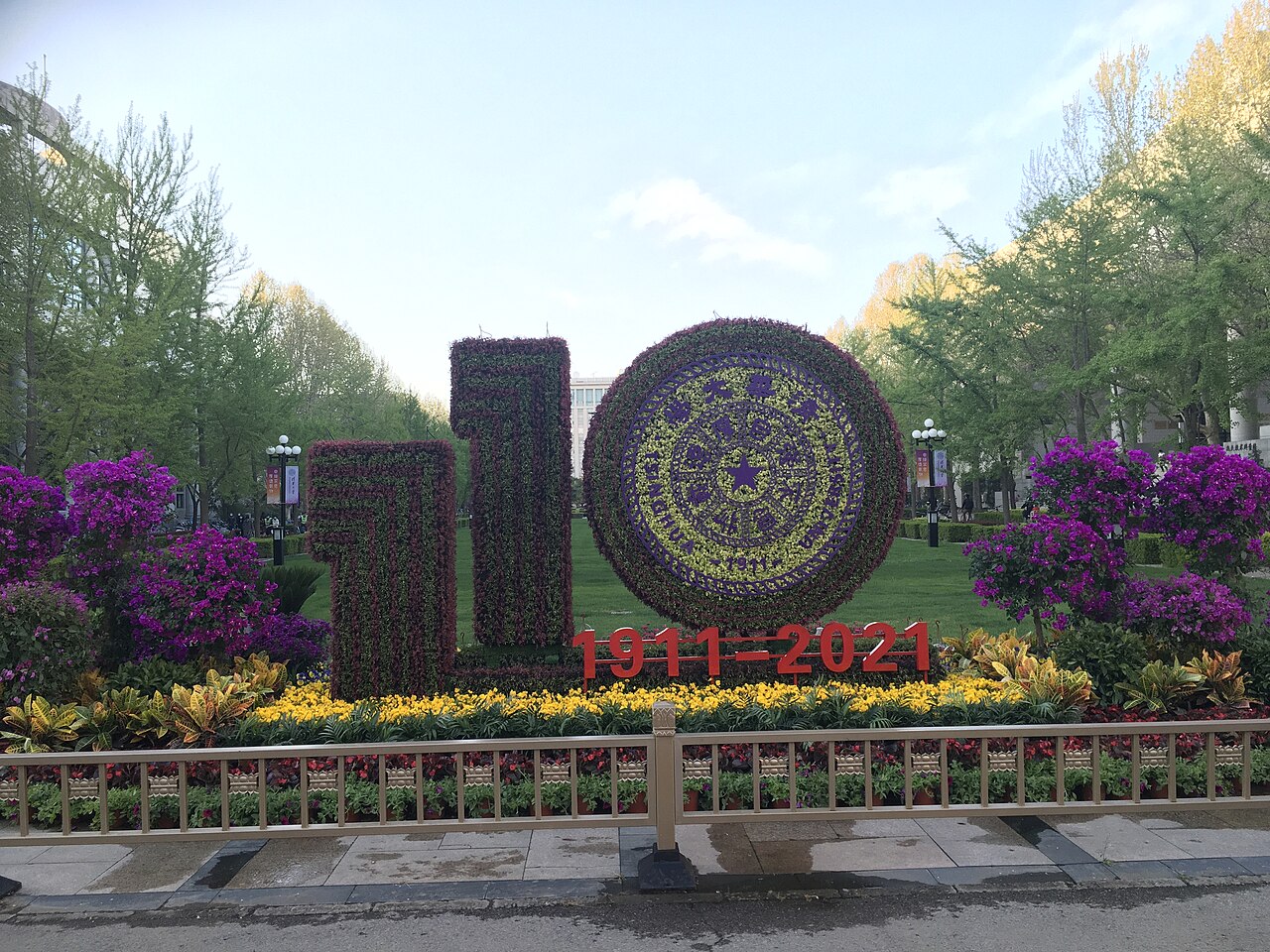
Tsinghua University Campus is a major higher education institution in Beijing, China. Founded in 1911 with Boxer Indemnity funds, it evolved from a preparatory school for students sent to study in the United States into one of China's most prestigious universities. The campus occupies extensive grounds in the Haidian District, northwest of central Beijing. Its development reflects both Chinese and Western architectural influences, with many historical buildings preserved alongside modern facilities. The university is renowned for science, engineering, and technology programs. The campus is a working university, not an open-air museum: reserved visitors see designated outdoor routes while teaching, research, residential and administrative buildings remain controlled. Reserved visitors share the grounds with an active academic community throughout the teaching day.
Checked 2026-08-31 · Source
The campus contains numerous academic buildings, libraries, laboratories, and student residences. Notable architectural features include the Main Building with its distinctive clock tower, the Auditorium, and various structures dating to the early twentieth century. The campus landscape incorporates gardens, lakes, and tree-lined avenues. The university also maintains museums, sports facilities, and cultural venues. The Old Library and Gongzi Pavilion represent significant heritage structures. Green spaces and water features contribute to the campus environment, which functions as both educational setting and visitor destination.
Checked 2026-08-31 · Source
Visitors typically allocate two to four hours for exploring the Tsinghua University Campus. This duration allows for walking through the central areas, viewing significant buildings from exterior vantage points, and experiencing the landscaped grounds. Those with particular interest in educational history or architecture may prefer extended visits. The campus size necessitates considerable walking; comfortable footwear is advisable. Route planning helps optimize time, as certain areas may have access restrictions due to academic activities. Casual visitors often combine this destination with nearby Peking University.
Checked 2026-08-31 · Source
Public campus visits use reserved sessions Tuesday-Sunday, with Monday as the regular campus rest day. Current daily visiting windows are 08:00-11:00 and 13:00-16:00; academic events, weather and security can suspend visits. Arrive in the first hour for a quieter route and enough time before the final admission period. Weekends, public holidays and institutional events bring more visitors or altered access. Outdoor sections are hot in summer and cold in winter, while rain or ice can make heritage paving and mountain paths harder to use. The dated official notice always takes priority over a normal weekly pattern.
Checked 2026-08-31 · Source
Campus visits are free. Tsinghua states that it is a teaching and research institution rather than a ticketed attraction and no organisation or individual may charge for campus admission. Use the official venue channel and carry the identity document attached to any reservation or concession. A standard admission product does not include separately priced interpretation, food, transport or special events unless the operator says so. Free admission still requires compliance with capacity, security and real-name entry rules where the institution applies them. Retain the ticket or confirmation until the visit ends.
Checked 2026-08-31 · Source
Individual visitors enter through the designated West Gate passage. Nearby stations include Yuanmingyuan on Line 4, Wudaokou on Line 13 and Qinghuadongluxikou on Line 15; parking is scarce and public transport is recommended. Allow additional time for the final approach, security or gate identification, especially at suburban and institutional sites. Use the full Chinese venue name in taxi or ride-hailing apps. Public transport is preferable where parking is scarce, and a campus, mountain temple or museum reservation never guarantees a parking place.
Checked 2026-08-31 · Source
Major campus roads and modern public buildings have step-free routes, and the university publishes an accessibility map. Historic gardens and older buildings can include bridges, thresholds or access-controlled interiors. Follow the designated visitor route and staff instructions, and do not cross barriers into worship, teaching, conservation or staff-only areas. Historic thresholds, steep paths, exhibition installations and crowd controls can narrow access even where the main route is usable. Keep bags compact, protect tickets and identification, and allow other visitors clear access to lifts, ramps and entrances.
Checked 2026-08-31 · Source
The campus offers architectural and landscape photography subjects. The Main Building, historical structures, and garden settings provide visual interest. Morning and late afternoon light benefit exterior shots. Tripod use may attract security attention in sensitive areas. Interior photography requires discretion regarding academic privacy. Seasonal variations dramatically alter scenic qualities, with spring blossoms and autumn foliage particularly notable. Reflection opportunities exist at water features. The juxtaposition of heritage and contemporary architecture creates compositional possibilities. Respect for individuals' privacy and institutional regulations should guide photographic practice throughout the visit.
Checked 2026-08-31 · Source
No. Public visits require real-name reservation and entry through the gate named in the confirmation.
Yes. Tsinghua prohibits organisations and individuals from charging for ordinary campus visits.
Monday is the regular campus rest day for public visits.
The English visitor notice states that the applet currently supports Mainland ID verification; other eligible visitors use the published telephone arrangement before travel.
Successful individual reservations use the dedicated passage at Tsinghua's West Gate.
Campus admission does not grant access to teaching, research, residential or other controlled buildings unless a separate programme permits it.
Loading the interactive map…
The interactive map could not be loaded.


Last updated:
Source: OpenStreetMap contributors ·