.jpg)
.jpg)


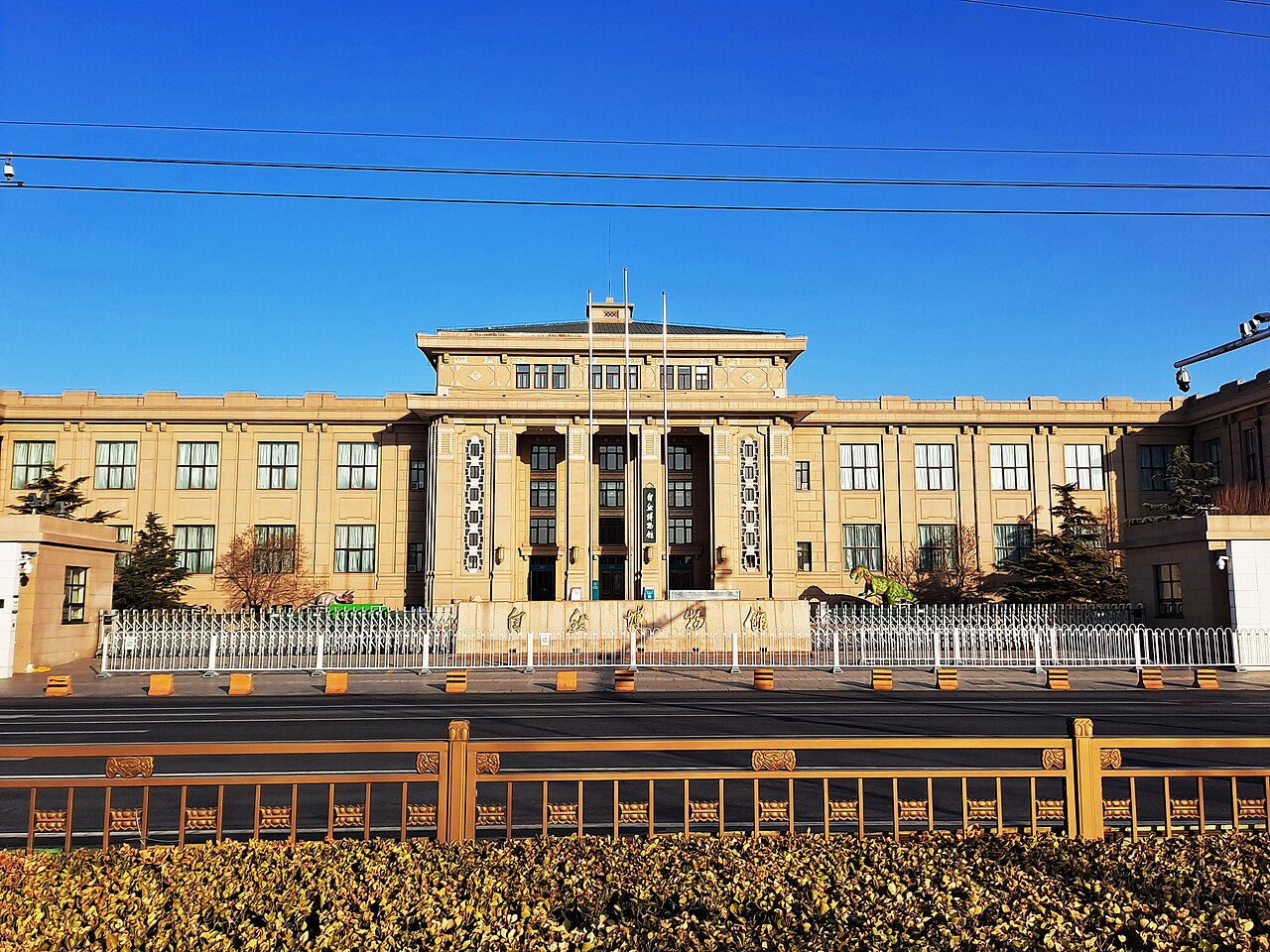
8 min walk
National Natural History Museum of China
- Must see
- Museum
Language · 11 published
Historic monument · Beijing
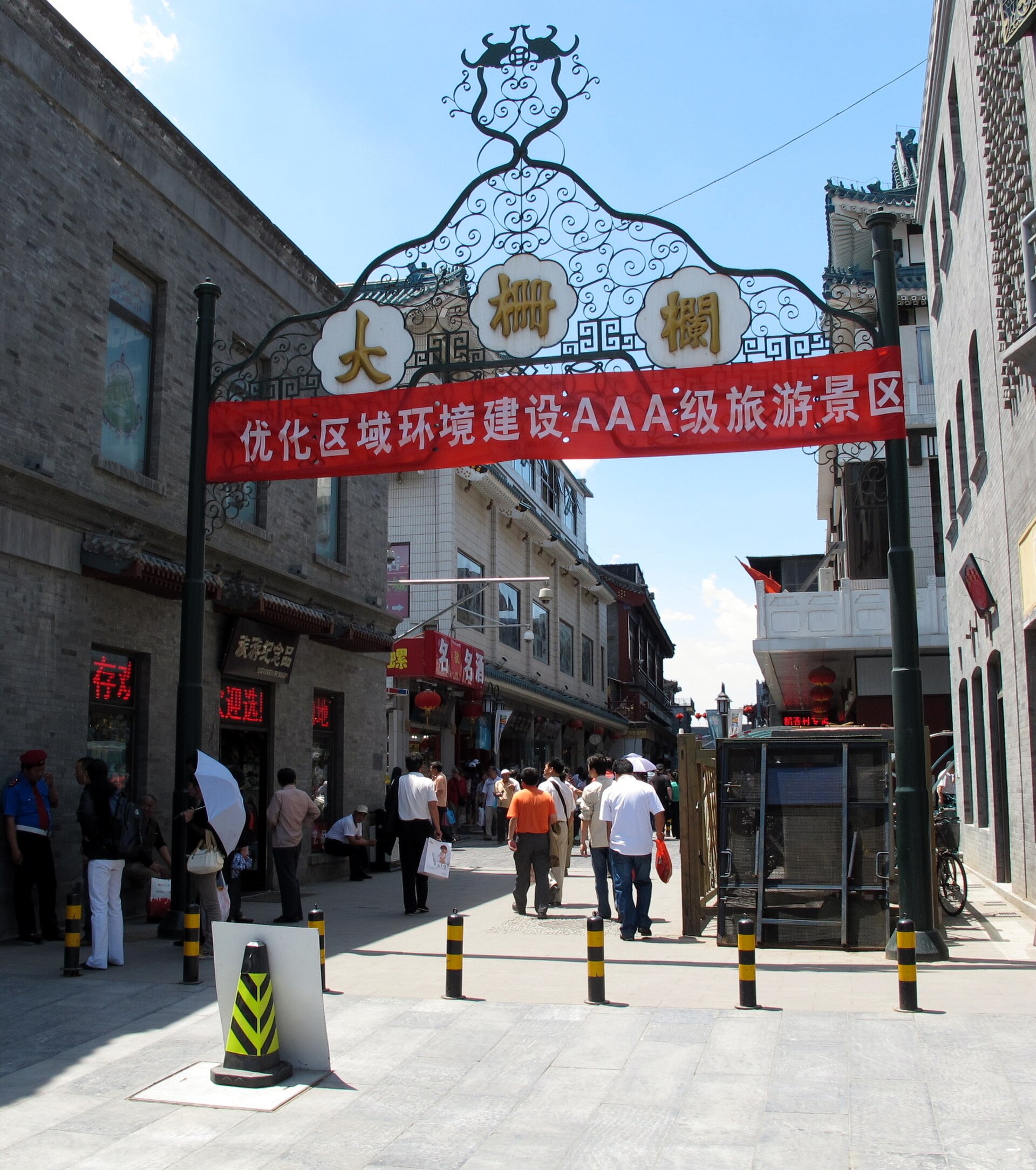
Qianmen Street is the historic ceremonial southern approach to Beijing's old inner city and its leading traditional commercial thoroughfare. Located directly south of Tiananmen Square, this pedestrianised axis has served as a gateway between the imperial centre and the outer city for centuries. The street was reconstructed in its current form with restored facades reflecting early twentieth-century architectural styles. It stands within the buffer zone of the UNESCO World Heritage Site 'Historic Centre of Beijing'. The strongest visit keeps attention on what is distinctive here while leaving room for the next stop. That approach makes Qianmen Street useful in both a focused first visit and a slower return to the city.
Checked 2026-08-26
The street contains numerous time-honoured Chinese retail brands and restaurants housed in reconstructed buildings with traditional architectural elements. Notable establishments include historic food shops, tea houses, and craft stores that have operated for generations. The area also incorporates the Qianmen arrow tower and gate complex at its northern end, forming part of the old city wall system. Side hutongs branch east and west, containing additional traditional courtyard residences and small businesses beyond the main commercial strip.
Checked 2026-08-26

A complete walk from the southern terminus to the Qianmen Gate at the northern end takes approximately twenty to thirty minutes at a leisurely pace without entering shops. Visitors typically allocate one to two hours for the experience, extending to half a day for those dining at established restaurants or exploring adjacent hutongs. The street functions equally as a transit corridor and destination; many travellers combine it with visits to Tiananmen Square and the Forbidden City immediately north.
Checked 2026-08-26

Operator-confirmed hours are Not recorded pending review. The street is an outdoor pedestrian thoroughfare accessible at all hours, though individual shops and restaurants maintain independent schedules. Evening illumination of the historic facades creates a distinctive atmosphere. Seasonal considerations apply: summer brings heat and crowds, winter offers cold temperatures with reduced visitor numbers. Major national holidays, particularly Golden Week periods, generate extreme congestion that substantially affects the walking experience and service availability throughout the district. A flexible visit lets travellers connect Qianmen Street with the rest of the day without treating one room, viewpoint or photograph as the whole experience. The useful pace depends on personal interest and conditions on arrival.
Checked 2026-08-26
Operator-confirmed prices are Not recorded pending review. The street itself requires no admission fee as it is a public pedestrian thoroughfare. Individual attractions, museums, performances at the nearby Zhengyici Theatre, or specific building interiors may charge separate entry fees. Restaurant and retail purchases vary by establishment. Visitors should verify current pricing directly with specific venues. Caution is advised regarding tourist-targeted pricing strategies at certain shops and food stalls along the commercial strip. Qianmen Street also earns time in a beijing itinerary because The ceremonial southern approach to the old city and its leading historic commercial street. Its value becomes clearer when the stop is compared with the surrounding streets and the other ranked places nearby.
Checked 2026-08-26

Qianmen Station on Beijing Subway Line 2 serves the northern section of the street. Beijing Subway Line 8 has a separate Qianmen station providing additional access. Multiple bus routes serve the surrounding area. The location sits immediately south of Tiananmen Square, making it readily accessible on foot from the central monumental district. Taxis and ride-hailing services can access adjacent roads, though the street itself is pedestrianised. Walking from the Forbidden City south through Tiananmen Square represents the most historically resonant approach route.
Checked 2026-08-26
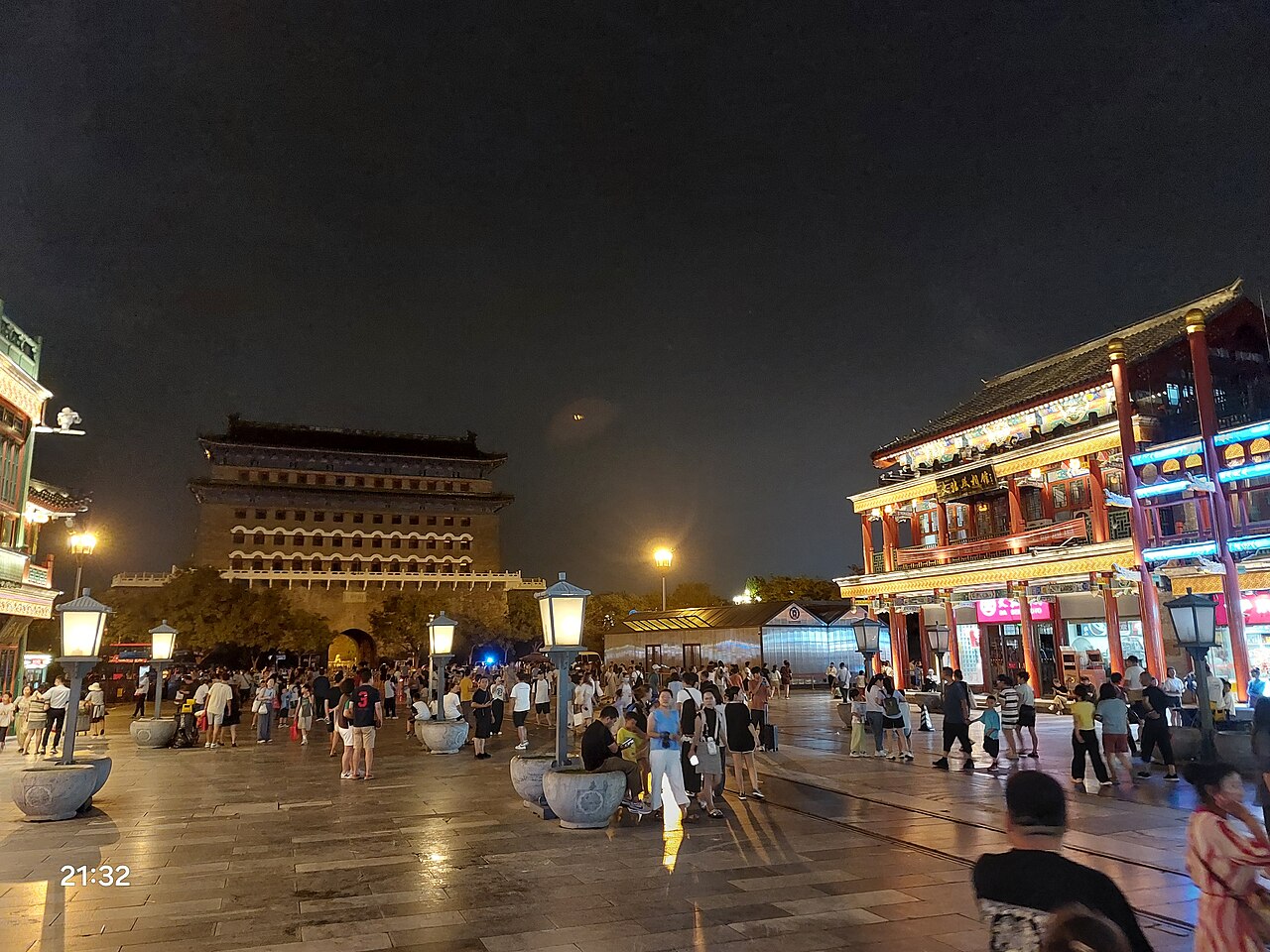
Intense crowding during peak tourist seasons and holiday periods severely constrains movement and increases vigilance requirements. Aggressive souvenir vendors and costumed portrait solicitors operate along the thoroughfare. Food and beverage prices at prominently located establishments may exceed those at comparable venues in less tourist-oriented districts. The reconstructed nature of the architecture may disappoint visitors seeking authentic historical fabric. Side hutongs contain active traffic; pedestrians should remain alert when crossing or entering these narrower lanes beyond the main pedestrian zone.
Checked 2026-08-26
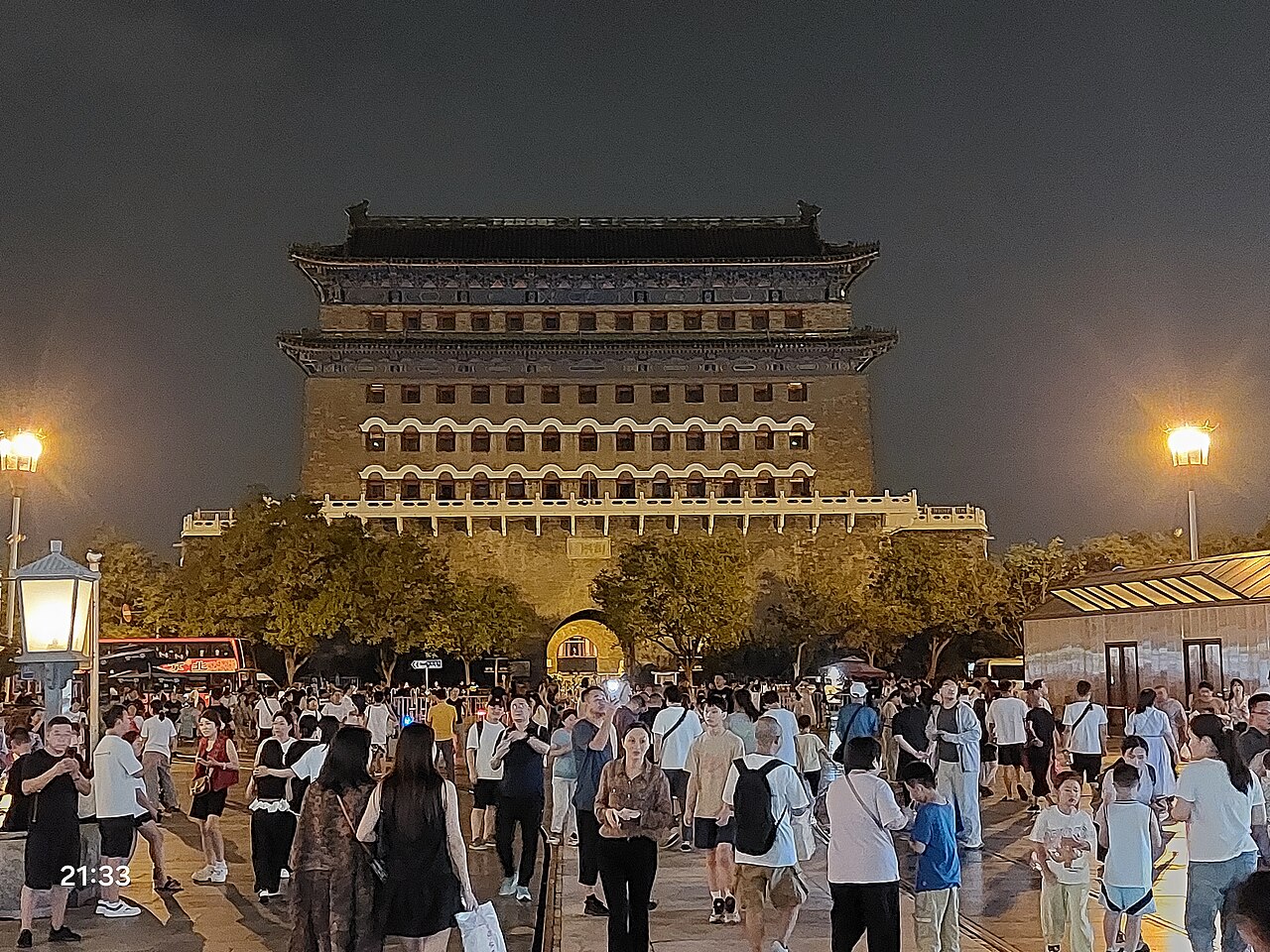
The symmetrical perspective toward the Qianmen Gate tower provides the signature photographic composition, best captured from the southern end of the pedestrian street looking north. Early morning offers reduced pedestrian interference and softer directional light on the east-facing facades. Evening illumination transforms the streetscape but introduces exposure complexity with mixed light temperatures. Tripod use may attract security attention given the proximity to Tiananmen Square and associated sensitivities. Drone operation is inadvisable throughout this controlled airspace zone.
Checked 2026-08-26
No. Qianmen Street lies south of Tiananmen Square, outside the Forbidden City proper. It formed the ceremonial southern approach to the inner city but was always distinct from the imperial palace complex.
The current buildings are reconstructions with facades reflecting early twentieth-century styles. The street underwent substantial redevelopment, so visitors should not expect untouched historical fabric.
Yes. The route proceeds south through Tiananmen Square, continuing to the Qianmen Gate at the street's northern terminus. This follows the traditional ceremonial axis.
The pedestrianised surface and open space accommodate strollers and walking children. Crowding during peak periods requires close supervision. No specific child-focused facilities are documented.
Public facilities exist but specific locations, conditions, and accessibility features are Not recorded pending review. Visitors should plan accordingly.
The pedestrianised surface appears level, but specific accessibility features, gradient details, and barrier-free access points are Not recorded pending review. Caution is advised regarding crowd density impacts.
Loading the interactive map…
The interactive map could not be loaded.
Last updated:
Source: OpenStreetMap contributors ·