
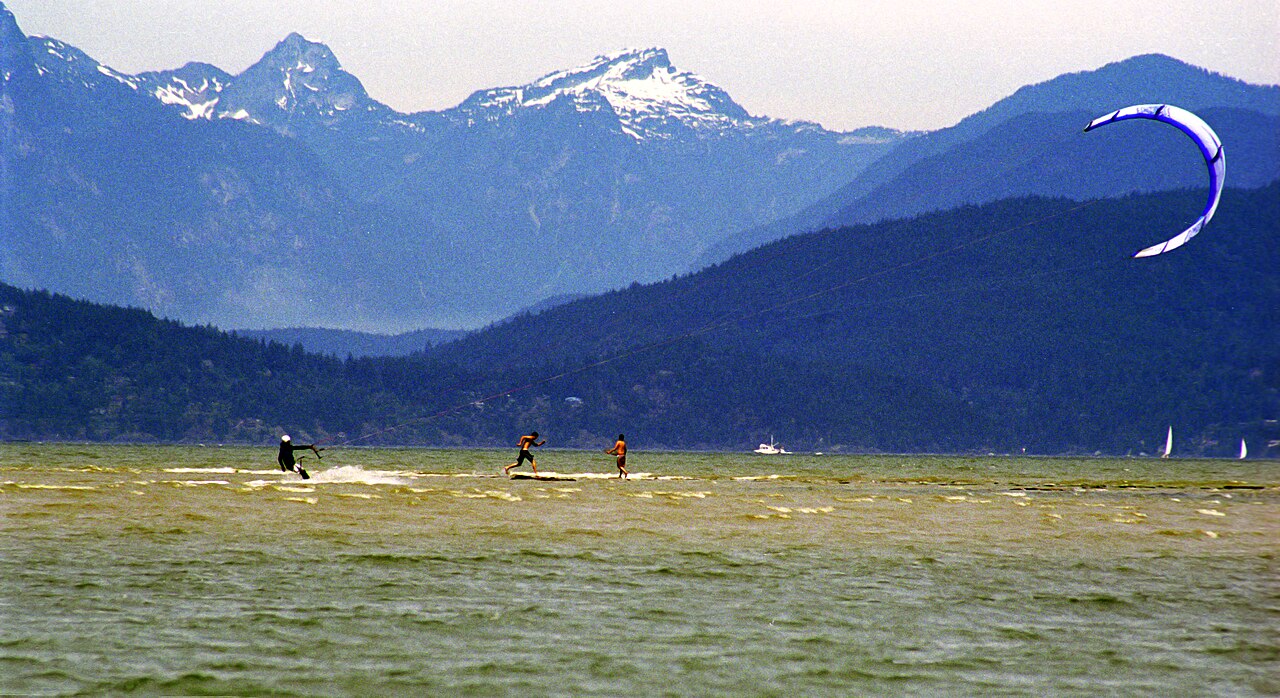
30 min walk
Spanish Banks
- Must see
- Nature site
Language · 11 published
Nature site · Vancouver

Read from the OpenStreetMap access tags; anything not listed has no tag recorded.
Set the group type to family in the planner and the day window contracts to about three quarters of a solo day.
Pacific Spirit Regional Park is a large forested regional park located beside the University of British Columbia campus in Vancouver. Managed by Metro Vancouver, it preserves significant coastal forest habitat on the city's western edge. The park encompasses extensive second-growth forest, wetlands, and shoreline areas along the Fraser River and Georgia Strait. Its proximity to a major urban centre while maintaining substantial ecological integrity makes it notable among North American metropolitan parks. The area reflects ongoing conservation efforts within a densely populated region.
Checked 2026-08-26
The park contains approximately seventy-three kilometres of walking and hiking trails through varied forest ecosystems. Visitors encounter western red cedar, western hemlock, and Douglas fir stands, plus numerous understory plant species. Several beaches border the park along the Strait of Georgia. The Camosun Bog represents a significant wetland feature within the boundaries. Multiple trailheads provide access points from surrounding neighbourhoods and the university campus. The ecosystem supports diverse bird populations and other wildlife characteristic of the coastal lowland forest biome. Trail surfaces range from gravel to compacted earth.
Checked 2026-08-26
Trail durations vary substantially depending on chosen routes and walking pace. Short loops near trailheads may require under one hour. The complete perimeter trails or connecting multiple paths could occupy experienced hikers for most of a day. Many visitors select intermediate segments of two to four hours. The extensive network permits numerous combinations, allowing return trips without repetition. Terrain includes relatively flat valley sections and moderate elevation changes approaching bluff areas. Individual fitness levels and photography stops significantly affect actual time requirements for any selected itinerary.
Checked 2026-08-26
Pacific Spirit Regional Park operates throughout all seasons, with each period offering distinct atmospheric conditions. Summer typically provides drier trail surfaces and extended daylight hours. Autumn brings notable foliage colour changes among deciduous species. Winter months feature rain-soaked conditions requiring appropriate footwear and rain protection. Spring displays emerging understory vegetation and flowering plants. Weather conditions near the coast can shift rapidly regardless of season. Visitors should consult Metro Vancouver's official resources before planning specific timing for their excursion to this regional park. Check the operator's own site for the travel date before relying on a schedule or fare.
Checked 2026-08-26
Pacific Spirit Regional Park functions as a regional park within the Metro Vancouver system. Regional parks in this jurisdiction typically do not charge entrance fees for standard daytime access. Specific parking arrangements at various trailheads may involve different management approaches. Special programs, guided events, or facility rentals might incur separate charges if offered. Visitors seeking definitive current information about any potential fees should verify directly through Metro Vancouver's official channels rather than relying on general expectations about regional park access policies in British Columbia. Check the operator's own site for the travel date before relying on a schedule or fare.
Checked 2026-08-26
The park borders the University of British Columbia campus, accessible via multiple transportation options. TransLink public transit serves the university area with bus connections from Vancouver's SkyTrain system. Several trailheads feature parking areas for private vehicles, though availability fluctuates with demand and university schedules. Southwest Marine Drive and Sixteenth Avenue provide primary vehicular approaches. The park's elongated shape means different access points suit different intended activities. Cyclists can reach perimeter trailheads via designated bike routes. Pedestrian connections exist from adjacent residential neighbourhoods and campus facilities for those staying nearby.
Checked 2026-08-26
Trail conditions become muddy and slippery following rainfall, which occurs frequently in this coastal climate. Root systems and uneven surfaces present tripping hazards throughout the forest network. Some trail sections pass near cliff edges above beaches, requiring attention to footing and children supervision. Wildlife encounters, while generally benign, demand respectful distance particularly during breeding seasons. The dense canopy reduces visibility for weather changes; carrying rain gear remains prudent year-round. Cell phone coverage may be inconsistent in valley areas. Visitors should inform others of intended routes when exploring less frequented trail segments alone.
Checked 2026-08-26
The forest interior presents challenging light conditions with high contrast between shadowed understory and occasional canopy openings. Overcast days reduce harsh shadows for more even illumination of vegetation details. Morning periods often feature atmospheric moisture effects among trees. The Camosun Bog boardwalk offers distinctive wetland composition opportunities. Beach areas provide open-sky landscapes with marine backdrops. Tripods prove useful for low-light forest scenes. Lens selection depends on priorities: wide angles for towering tree perspectives, macro for forest floor details, or moderate telephoto for wildlife observation. Weather protection for equipment remains essential in this moist environment.
Checked 2026-08-26
The extensive trail network includes options for various abilities. Shorter loops near main trailheads and relatively flat terrain sections accommodate beginners with basic fitness. Trail maps available from Metro Vancouver assist with appropriate route selection.
Dogs are permitted in Pacific Spirit Regional Park. Specific regulations regarding leash requirements may apply in certain areas or during particular seasons. Visitors should verify current rules through official Metro Vancouver sources before bringing animals.
The park remains accessible year-round. Winter conditions require waterproof footwear and rain protection. Trail surfaces become saturated and potentially muddy. Shorter daylight hours necessitate earlier starts for longer routes.
Pacific Spirit Regional Park functions as a day-use facility for trail recreation and nature observation. Overnight camping is not among the documented activities. Visitors seeking camping accommodations must look to other designated sites in the broader Vancouver region.
Metro Vancouver maintains official communications regarding regional park operations. Their website and direct contact channels provide authoritative updates. Visitor centres or park signage may offer additional guidance upon arrival at specific trailheads.
Trail designations vary within the park network. Some paths permit cycling while others restrict usage to pedestrians. Metro Vancouver's official trail maps indicate permitted activities for specific routes. Cyclists should consult these resources before planning rides.
Loading the interactive map…
The interactive map could not be loaded.

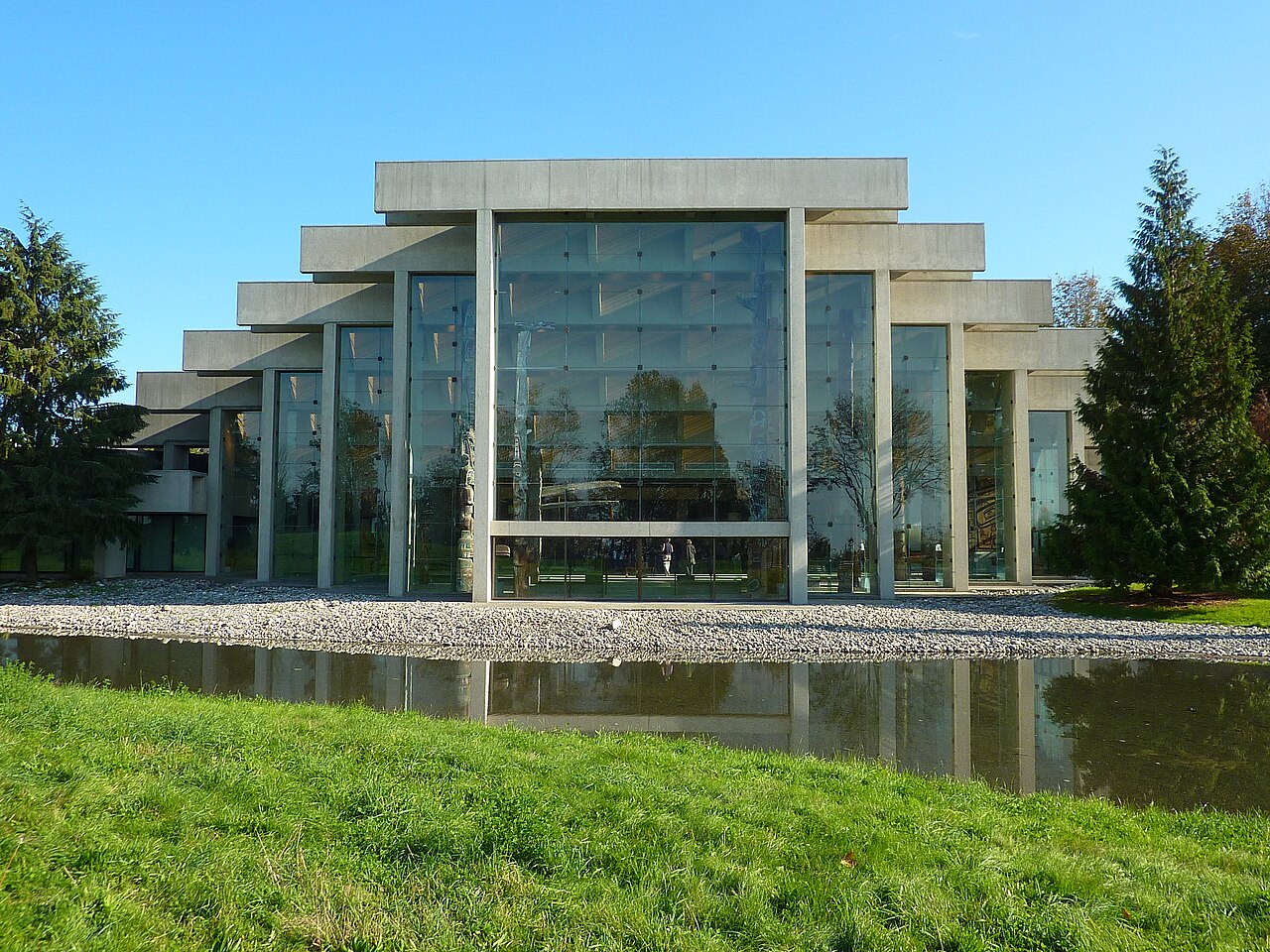
Last updated:
Source: OpenStreetMap contributors, Wikidata ·