.jpg)

.jpg)
.jpg)
.jpg)
.jpg)

20 min walk
Corktown Commons
- Must see
- Nature site
Language · 1 published
Family attraction · Toronto

Riverdale Farm is a working heritage farm situated in Toronto's Cabbagetown neighbourhood. It occupies a site that was formerly part of the Riverdale Zoo, which relocated in 1974 to become the Toronto Zoo. The farm was established to preserve agricultural heritage within an urban environment. It operates as a municipally supported facility demonstrating 19th-century Ontario farm life. The property includes heritage buildings, farmyards, and pastures. Visitors encounter livestock and poultry in a setting designed to educate about historical farming practices. The farm serves as a rare agricultural presence in downtown Toronto.
Checked 2026-08-26
The farm contains heritage farm buildings including a farmhouse, barns, and outbuildings representative of a late 19th-century Ontario farmstead. Livestock typically includes cattle, pigs, sheep, chickens, and other domestic farm animals kept in period-appropriate enclosures. Vegetable and herb gardens demonstrate historical cultivation methods. A wooded area and ponds contribute to the rural atmosphere. The site preserves farming equipment and tools from the era. Interpretive displays and seasonal demonstrations may occur. The farmyard layout follows traditional patterns with separate areas for different agricultural functions. Children can observe animals and farming activities at close range.
Checked 2026-08-26
Most visitors spend between one and two hours exploring Riverdale Farm, depending on interest level and whether demonstrations are occurring. Families with young children often remain longer due to the interactive nature of animal viewing. The compact size allows thorough exploration without extensive walking. Repeat visits suit those tracking seasonal changes in farm operations and animal life. Visitors should check in advance whether any special activities or programs are scheduled, as these could extend the recommended duration. The leisurely pace of a heritage farm encourages unhurried observation rather than rushed touring.
Checked 2026-08-26

Operator-confirmed hours are Not recorded pending review. Visitors should verify current opening times through official Toronto city channels before planning their trip. Seasonal variations likely affect accessibility and programming. Spring and summer typically offer more active farming demonstrations and fuller animal presence. Autumn may feature harvest-related activities. Winter visits could be limited by weather conditions and reduced animal outdoor access. Weekends and school holidays predictably draw larger crowds, particularly families. Morning arrivals generally provide calmer conditions for animal observation. Visitors should confirm whether advance booking or registration requirements apply.
Checked 2026-08-26
Operator-confirmed prices are Not recorded pending review. As a municipally operated heritage facility, Riverdale Farm has historically been free to enter, though this policy should be verified before visiting. Donation boxes may support farm maintenance and programming. Special events or educational programs could involve separate fees. Visitors should check official Toronto city communications for any recent changes to admission policy. Group visits or school tours may require advance arrangement. Budget-conscious travellers can plan accordingly pending confirmation of current status. No payment information should be assumed accurate without direct verification from authoritative sources.
Checked 2026-08-26

Riverdale Farm sits in Cabbagetown, east of downtown Toronto. The nearest major intersection is Winchester Street and Sumach Street. Public transit access includes TTC bus routes serving the surrounding area. The College Street streetcar line requires northward walking. No dedicated parking lot exists; street parking in the residential neighbourhood follows municipal regulations and may be limited. Cycling routes approach the area. The farm's proximity to the Don River valley offers pedestrian connections to trail networks. Visitors should consult current TTC schedules and any service advisories. Walking from nearby neighbourhoods like Church-Wellesley or Distillery District is feasible for active visitors.
Checked 2026-08-26

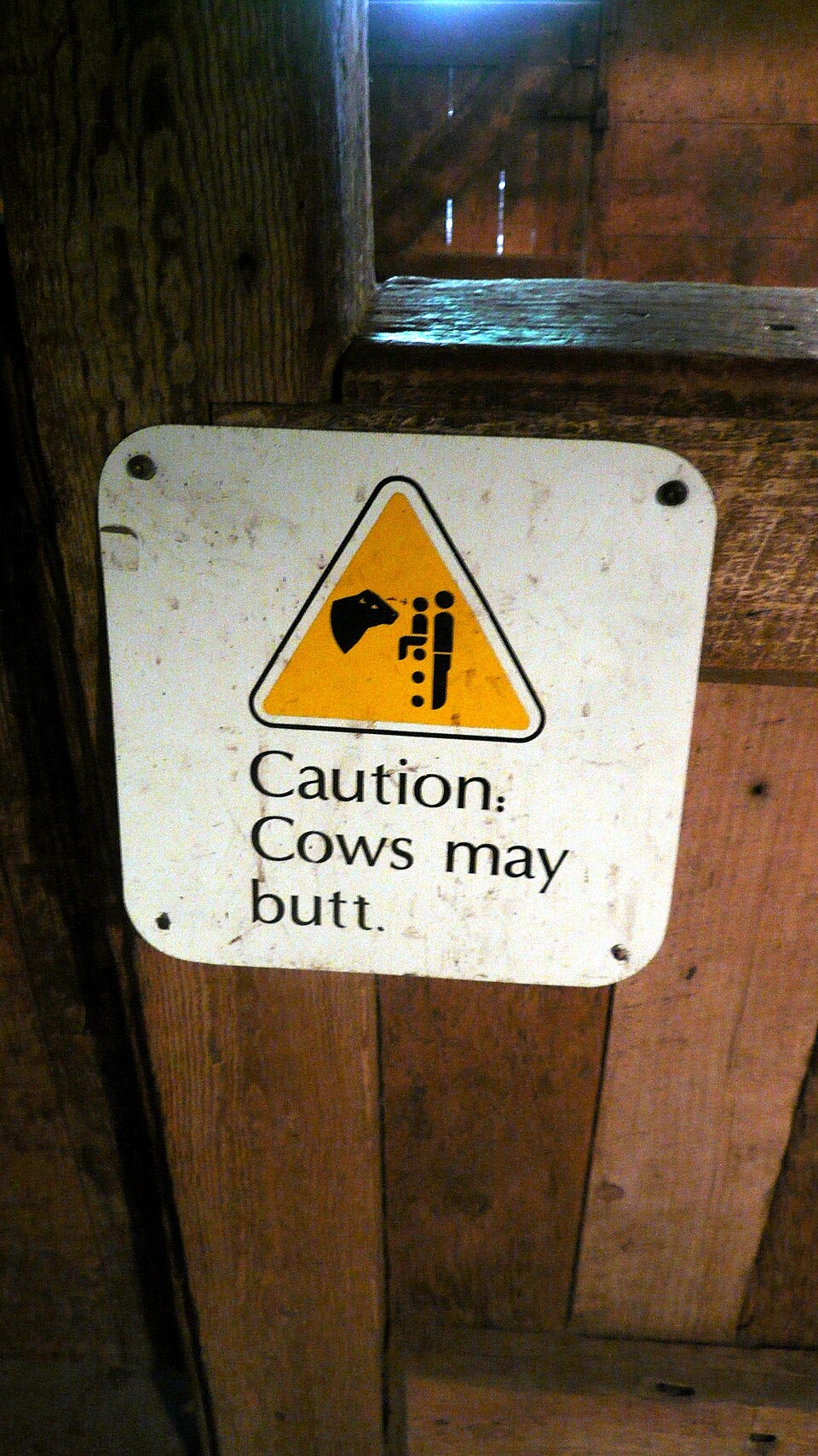
The working farm environment presents inherent considerations. Animals may behave unpredictably; visitors should maintain respectful distances and supervise children closely. Uneven ground, barn floors, and outdoor pathways require appropriate footwear, especially in wet conditions. Some areas may not be fully accessible to mobility devices due to historical building designs and natural terrain. Weather exposure is significant as much of the experience occurs outdoors. Hand washing facilities should be used after animal contact. The residential neighbourhood context means noise and behaviour should remain considerate. Seasonal conditions affect both visitor comfort and available activities.
Checked 2026-08-26

Photography for personal use is generally permitted in outdoor areas and around farm buildings. The rustic setting provides distinctive backdrops including heritage architecture, livestock, and cultivated landscapes. Morning and late afternoon light enhance the pastoral atmosphere. Animals in enclosures may be photographed though flash should be avoided to prevent distress. Indoor photography may be restricted in certain buildings. Commercial or professional photography likely requires advance permission from municipal authorities. Visitors should respect other guests' privacy and not obstruct pathways. Tripod use may need approval. The farm's aesthetic qualities suit documentary and family photography styles.
Checked 2026-08-26
Yes, the farm is particularly valuable for family visits. Young children can observe farm animals at close range in a contained, walkable environment. Parents should supervise children around livestock and ensure appropriate footwear.
The context does not specify picnic facilities. Visitors should observe cleanliness and not feed animals. Eating near livestock enclosures is inadvisable.
Animal presence and outdoor access likely vary seasonally. Winter conditions may reduce visibility. Visitors should verify current conditions before visiting.
Historical buildings and natural terrain present challenges. Some areas may not be fully accessible. Visitors with mobility needs should inquire about current accessibility provisions.
Yes. The farm occupies the former Riverdale Zoo site, but the zoo relocated in 1974. The farm is a separate municipal facility focused on agricultural heritage rather than exotic animal display.
The context does not specify regular guided tour offerings. Visitors should check official channels for any scheduled programs, demonstrations, or educational activities.
Loading the interactive map…
The interactive map could not be loaded.

Last updated:
Source: OpenStreetMap contributors, Wikidata ·