_(35399872943).jpg)
.jpg)


8 min walk
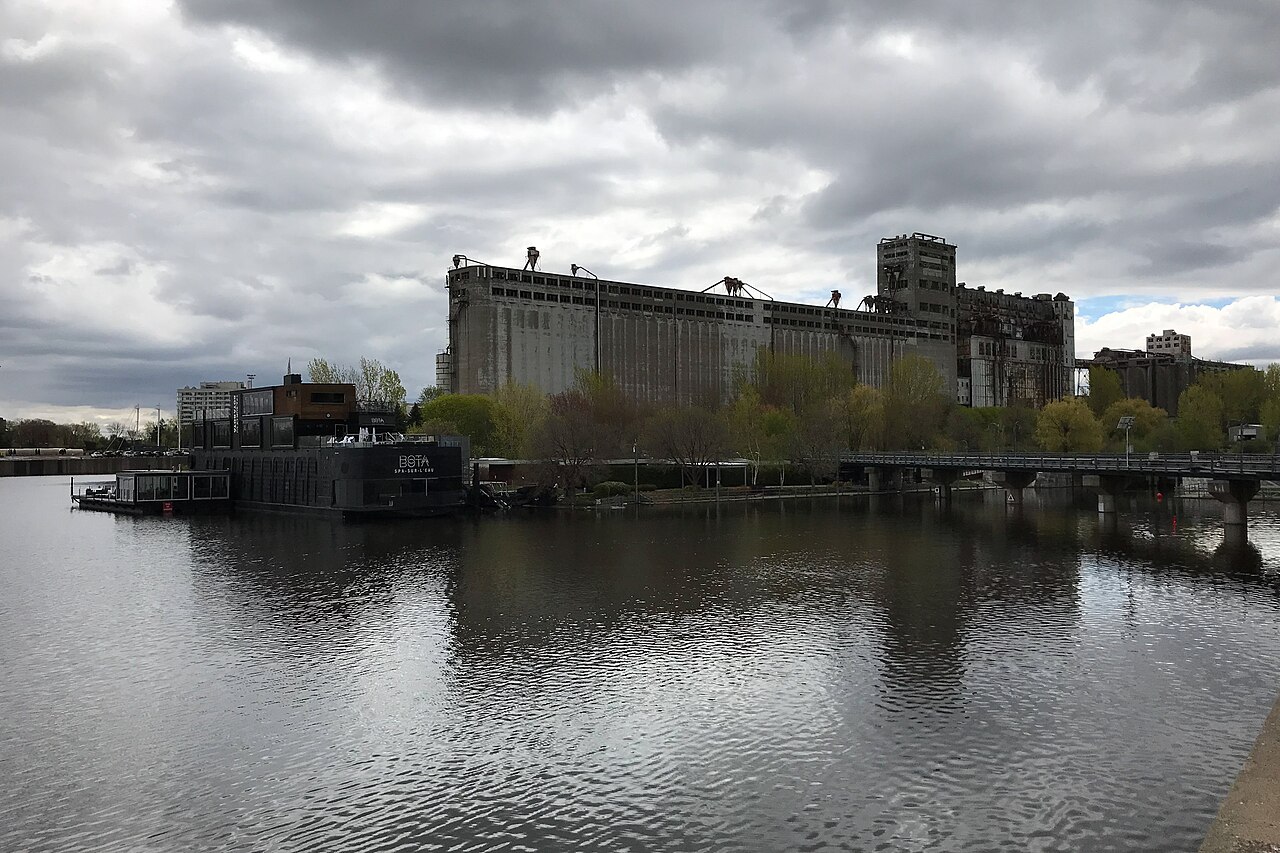
Bota Bota, spa-sur-l'eau
- Must see
- Family attraction
Language · 11 published
Historic monument · Montreal
Habitat '67
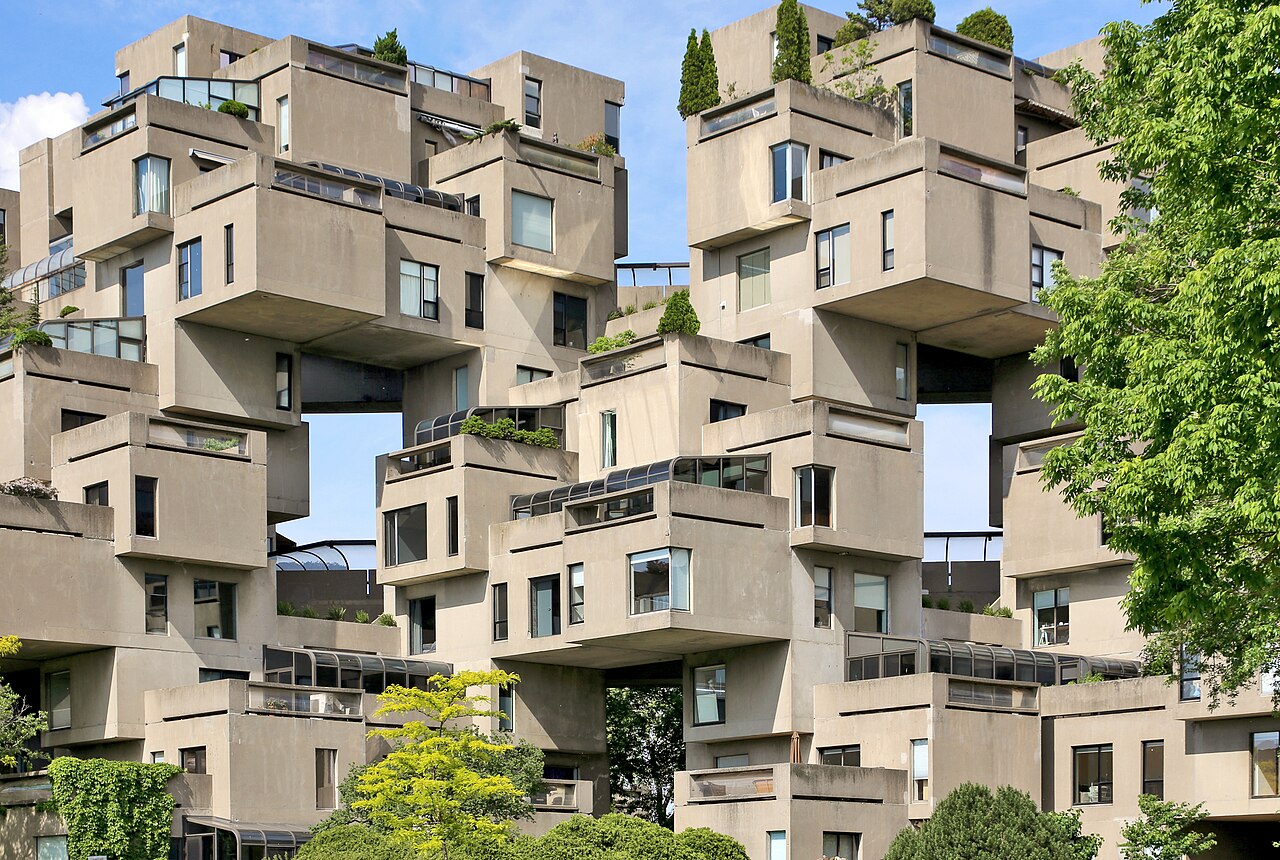
Habitat 67 is a residential complex designed by architect Moshe Safdie for Expo 67, the 1967 World Fair held in Montreal. It stands as one of the most recognizable examples of Brutalist architecture in North America. The structure comprises 354 identical concrete prefabricated modules stacked in various configurations to create 146 residences with terraces and gardens. Originally conceived as a thesis project at McGill University, it was built as a pavilion for the fair before becoming permanent housing. The building remains a private condominium community and an influential model for modular urban housing design worldwide.
Checked 2026-08-26
Habitat 67 functions primarily as private residential condominiums. The interior spaces are not open for general public tours except through occasional special arrangements or architectural events. The modular apartments feature multiple levels, outdoor terraces, and varied configurations due to the stacked design. Some units offer views of the Saint Lawrence River. The complex includes pedestrian walkways and elevated streets connecting different levels. Visitors should not expect visitor centers, exhibition spaces, or commercial facilities within the building itself. The architectural interest lies in the exterior form and the innovative structural system rather than interior public amenities.
Checked 2026-08-26

A visit to Habitat 67 for exterior observation typically requires 30 to 60 minutes, depending on interest in architectural photography and examination of the structure from multiple angles. The building is best appreciated by walking around its perimeter to observe the stacking patterns and modular construction. Those attending special architectural tours, when available, should allow additional time. Visitors often combine this stop with nearby attractions along the Saint Lawrence River waterfront. There is no interior exploration for casual visitors, so the duration remains brief unless specific access arrangements have been made in advance through appropriate channels.
Checked 2026-08-26
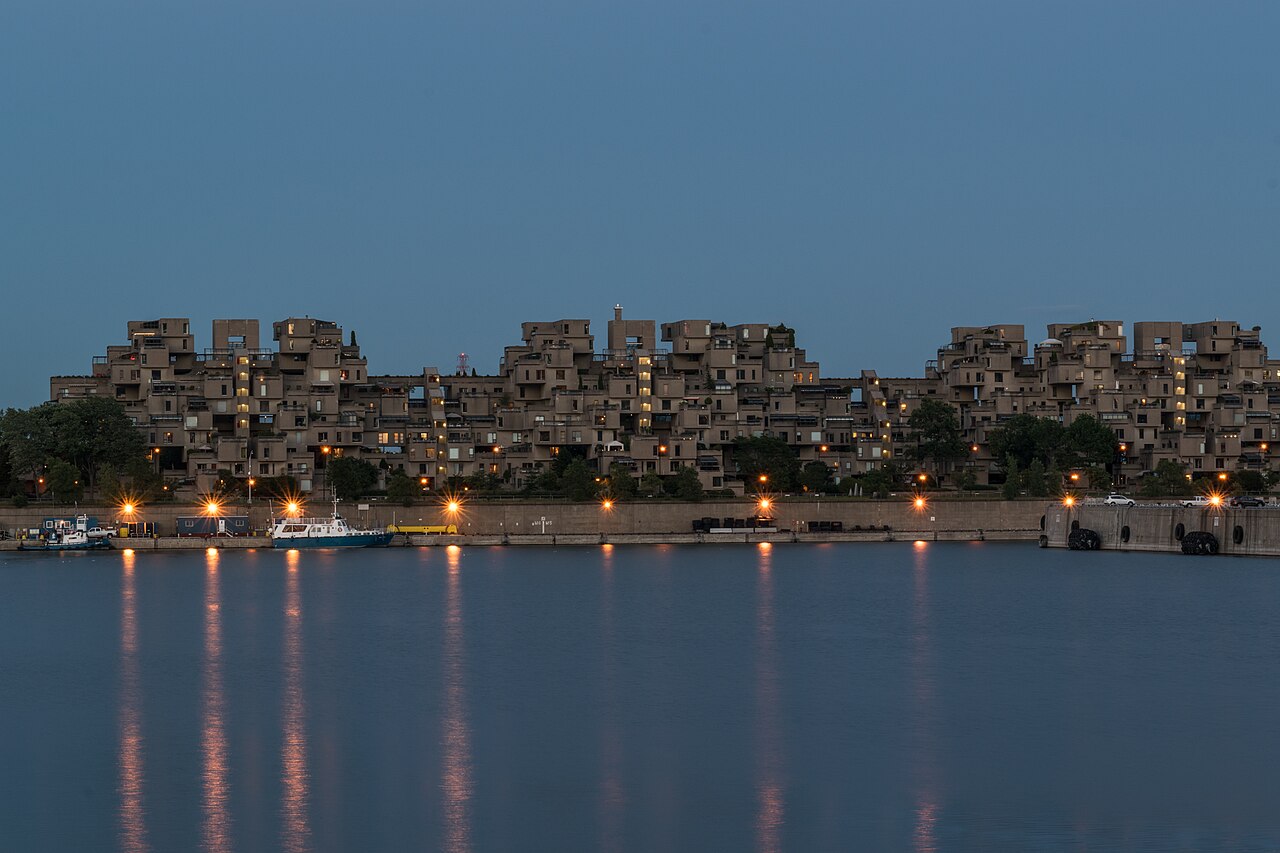
Habitat 67 can be viewed from public areas year-round, though weather conditions affect the visiting experience. Montreal experiences cold winters with snow, which may obscure ground-level viewing and make walking conditions difficult. Spring through autumn offers more comfortable conditions for exterior observation. The building's concrete surfaces appear differently in varying light conditions throughout the day. Visitors should verify current availability of any special access programs before planning their visit, as no regular public opening schedule is established for this private residential property. Check the operator's own site for the travel date before relying on a schedule or fare.
Checked 2026-08-26
There is no general admission fee to view Habitat 67 from public exterior areas, as it stands in a location visible from streets and waterfront paths. Any special architectural tours or interior access programs would require separate arrangements. Visitors should not expect to purchase standard tickets for entry, as the building operates as private housing rather than a public attraction. Those seeking guided experiences should research current offerings through architectural organizations or tourism boards, as availability changes and no regular ticketing system exists for casual visitors to this residential complex. Check the operator's own site for the travel date before relying on a schedule or fare.
Checked 2026-08-26
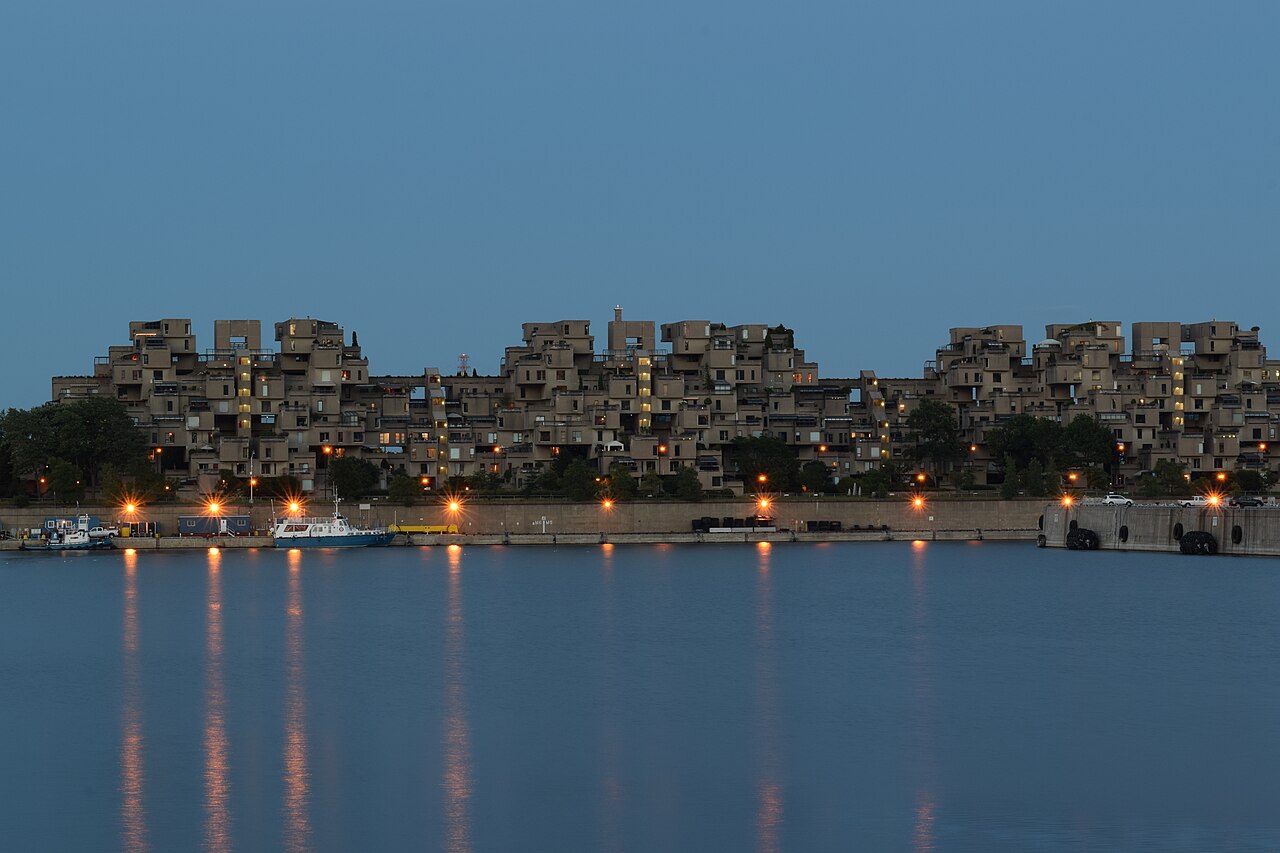
Habitat 67 is located on Marc-Drouin Quay at the edge of the Saint Lawrence River in Montreal. The nearest metro station is Place-d'Armes on the Orange Line, from which visitors can walk or take additional transit toward the waterfront. Bus routes serve the surrounding area. The building sits near the Old Port of Montreal, making it accessible on foot from that popular tourist district. Cycling paths run along the riverfront. Visitors arriving by car should note that parking in the immediate vicinity may be limited. The structure is visible from various points along the waterfront promenade, allowing flexible approach routes.
Checked 2026-08-26

Visitors must respect that Habitat 67 is a private residential community, not a public tourist facility. Entry to the building, terraces, and grounds without authorization constitutes trespassing. Photography from public spaces is generally permissible, but residents' privacy should be respected. The waterfront location exposes visitors to weather conditions including wind and sun exposure with limited shelter. Concrete surfaces may become slippery when wet or icy. There are no public facilities such as restrooms or food services on site. Visitors should plan accordingly and seek amenities in the nearby Old Port area. Security personnel may question individuals who appear to be attempting unauthorized access.
Checked 2026-08-26

Habitat 67 presents exceptional opportunities for architectural photography from public exterior vantage points. The stacked modular geometry creates compelling abstract compositions and strong shadow patterns that shift throughout the day. Wide-angle lenses help capture the scale of the structure, while telephoto lenses isolate individual module clusters. Early morning and late afternoon light enhance the concrete textures. The waterfront setting allows reflections in certain conditions. Drone use is likely restricted and requires verification of local regulations. Photographers should remain on public property and avoid capturing identifiable images of residents or private terrace spaces. Tripods may attract attention in this residential zone.
Checked 2026-08-26
No regular public access exists. Habitat 67 is private housing. Interior access may occur through special architectural tours or events, but these are not consistently available. Visitors should not expect to enter without specific prior arrangements.
Viewing from public exterior areas is free. No standard admission applies. Any special access programs would have separate arrangements, but regular ticketing does not exist for this residential property.
Take the Montreal Metro Orange Line to Place-d'Armes station, then proceed toward the waterfront. Walking from the Old Port district is also practical. Bus routes serve the broader area.
No regular guided tours operate. Occasional architectural tours or special events may provide access, but availability is unpredictable. Visitors should research current offerings through tourism or architectural organizations.
Exterior observation requires 30 to 60 minutes. The visit duration is brief since interior access is unavailable to casual visitors. Combining with nearby waterfront attractions optimizes the trip.
Habitat 67 exemplifies Brutalist architecture through its exposed concrete construction and modular prefabricated design. It also represents an innovative approach to dense urban housing with integrated outdoor spaces.
Loading the interactive map…
The interactive map could not be loaded.

Last updated:
Source: OpenStreetMap contributors, Wikidata ·