


4 min walk
Praça Mauá
- Must see
- Nature site
Language · 1 published
Place of worship · Rio de Janeiro
Igreja e Mosteiro de São Bento

| Monday | 06:30 – 18:30 |
|---|---|
| Tuesday | 06:30 – 18:30 |
| Wednesday | 06:30 – 18:30 |
| Thursday | 06:30 – 18:30 |
| Friday | 06:30 – 18:30 |
| Saturday | 06:30 – 18:30 |
| Sunday | 06:30 – 18:30 |
Parsed from OpenStreetMap opening hours on 2026-08-26.
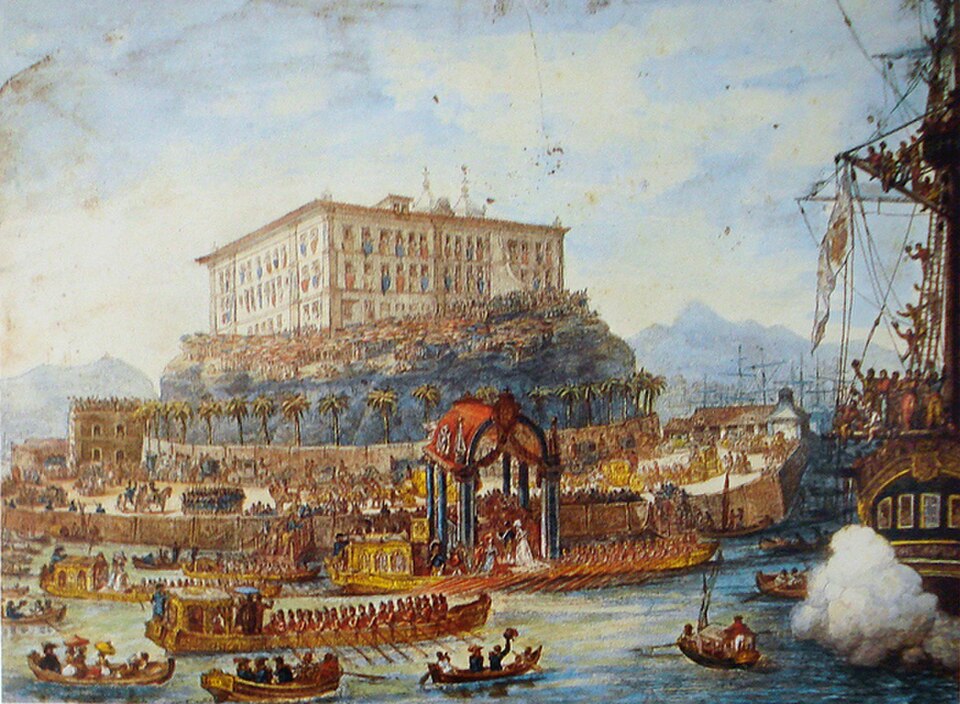
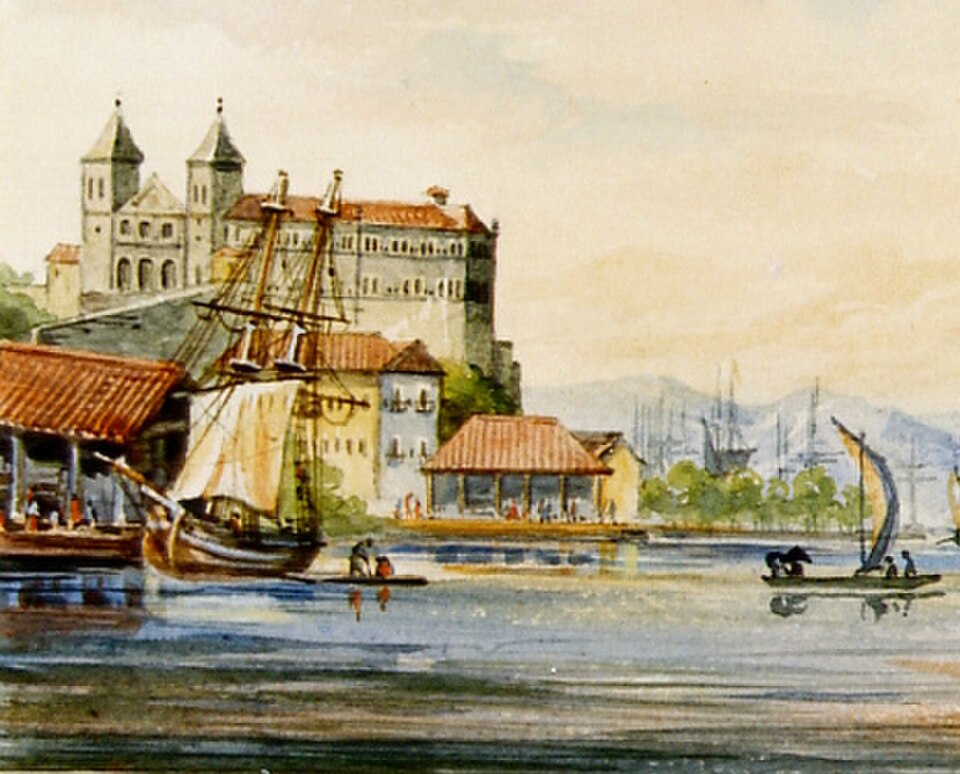
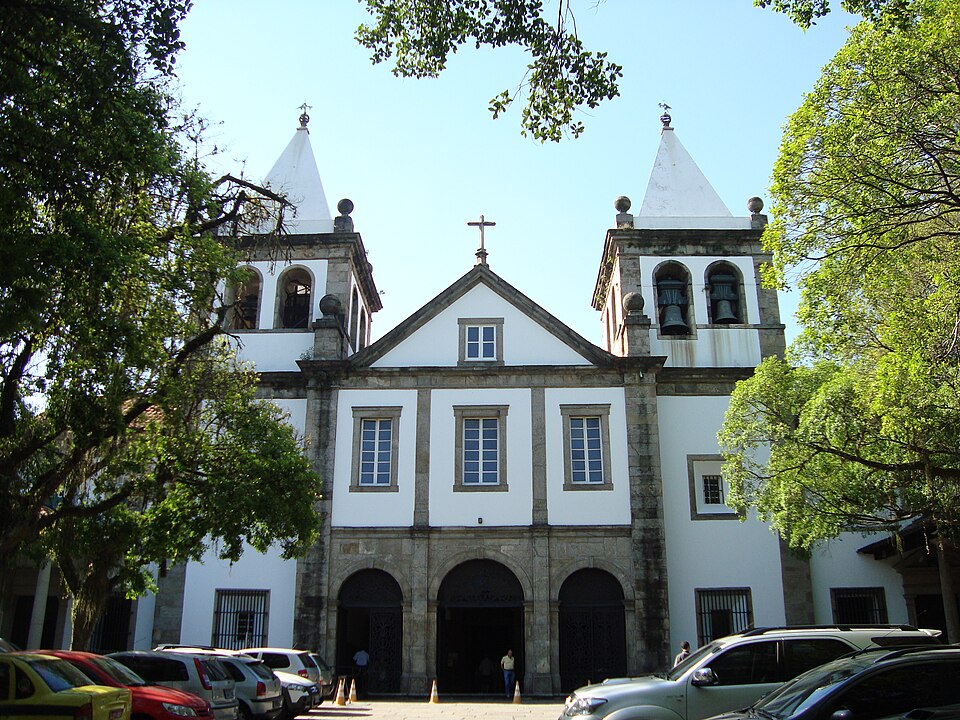
The Monastery of Saint Benedict, known locally as Mosteiro de São Bento, is a hilltop Benedictine monastery in Rio de Janeiro. Founded by Benedictine monks, it stands as one of the most significant colonial religious institutions in the city. The monastery complex includes a church renowned for preserving what is widely considered one of Rio de Janeiro's richest and most elaborate colonial-era interiors. The site represents an important chapter in Brazilian religious and architectural history, maintaining active monastic life alongside its public religious functions.
Checked 2026-08-26
The monastery church contains an extraordinarily opulent colonial interior, distinguished by elaborate gilded woodcarving, intricate altarpieces, and detailed decorative work typical of Brazilian Baroque craftsmanship. The richness of the ornamentation reflects the artistic and material investment made during the colonial period. Religious artworks, carved wooden elements, and decorative features fill the sacred space. The ensemble demonstrates the skilled labor of colonial artisans and the devotional priorities of the Benedictine order in Portuguese America. The interior's preservation allows visitors to encounter an authentic colonial religious atmosphere.
Checked 2026-08-26
A visit to the Monastery of Saint Benedict typically requires between forty-five minutes and one and a half hours, depending on individual interest in architectural and artistic detail. Those wishing to examine the gilded woodcarving, altarpieces, and decorative elements thoroughly should allocate additional time. The compact nature of the church interior means that the physical space can be covered relatively quickly, but the density of artistic detail rewards slower observation. Visitors with strong interest in colonial art history may prefer extended visits to appreciate the craftsmanship fully.
Checked 2026-08-26
Operator-confirmed opening hours are Not recorded pending review. Visitors should consult the official website at https://mosteirodesaobentorio.org.br/ or contact the monastery directly before planning their visit. Religious services may restrict tourist access at certain times, as this remains an active monastic community with regular worship obligations. Morning visits may offer quieter conditions for contemplation of the interior. The hilltop location should be considered when planning arrival times and transportation. Advance verification of accessibility is strongly recommended. Monastery of Saint Benedict also earns time in a rio de janeiro itinerary because The hilltop monastery preserves one of Rio's richest colonial church interiors. Its value becomes clearer when the stop is compared with the surrounding streets and the other ranked places nearby.
Checked 2026-08-26
Operator-confirmed admission prices are Not recorded pending review. The monastery may operate with free entry, suggested donations, or fixed admission fees depending on current policy. Visitors should consult https://mosteirodesaobentorio.org.br/ for authoritative pricing information. Some Brazilian religious institutions maintain voluntary contribution systems rather than mandatory tickets. Any payment requirements would typically be modest given the site's religious character. Group visits or special access arrangements may involve separate conditions. Financial verification before arrival prevents complications at entry.
Checked 2026-08-26
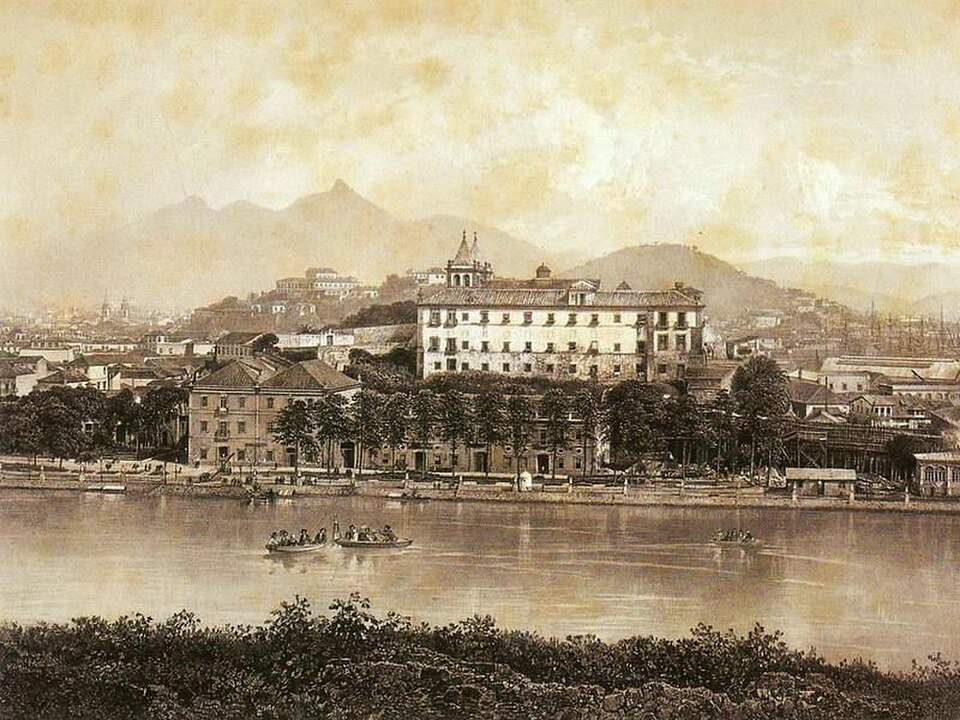
The monastery occupies a hilltop position in Rio de Janeiro, requiring navigation of elevated terrain. Public transportation options including buses serve the general area, though final approach involves uphill walking. Taxis and ride services can reduce physical exertion. The specific street address and optimal transit connections should be verified through the official website. Visitors with mobility limitations should investigate accessibility conditions carefully given the topographical challenges. The monastery's elevated setting contributes to its historical defensive and contemplative character but demands appropriate footwear and physical preparation.
Checked 2026-08-26

Visitors must respect active religious practices and monastic silence protocols. Photography restrictions may apply within the church interior. Appropriate dress covering shoulders and knees is customary for Brazilian religious sites. The hilltop approach involves steep gradients potentially hazardous in wet conditions. Valuables require standard urban precautions. Service times may interrupt tourist access without advance notice. The density of decorative detail creates trip hazards for inattentive observers. Children require supervision near fragile historical elements. Crowding during religious festivals may limit movement and viewing opportunities.
Checked 2026-08-26
Photography policies at the Monastery of Saint Benedict are not explicitly documented in available sources. Many Brazilian colonial churches restrict or prohibit interior photography to protect artworks and maintain devotional atmosphere. Flash photography typically damages gilded surfaces and is widely prohibited in heritage interiors. Visitors should observe posted regulations or seek guidance from monastery staff before capturing images. Video recording and commercial photography likely require explicit permission. Respectful behavior takes priority over documentation at functioning religious sites. When uncertain, refrain from photographing rather than risk violating established protocols.
Checked 2026-08-26
Yes, the monastery maintains active Benedictine monastic life with regular religious services and community functions.
The church preserves one of Rio de Janeiro's richest colonial interiors, distinguished by elaborate gilded woodcarving and decorative craftsmanship.
This information is not recorded in available sources; visitors should consult the official website for current offerings.
The hilltop location presents topographical challenges; specific accessibility conditions should be verified directly with the monastery before visiting.
The monastery conducts regular religious services; visitor participation policies should be confirmed directly with the institution.
Consult https://mosteirodesaobentorio.org.br/ for operator-confirmed information regarding hours, access, and any temporary restrictions.
Loading the interactive map…
The interactive map could not be loaded.
Last updated:
Source: OpenStreetMap contributors, Wikidata ·