
1 min walk
Bakı Marionet Teatrı
- Must see
- Art and culture venue
Language · 11 published
Place of worship · Baku
Məhəmməd Məscidi

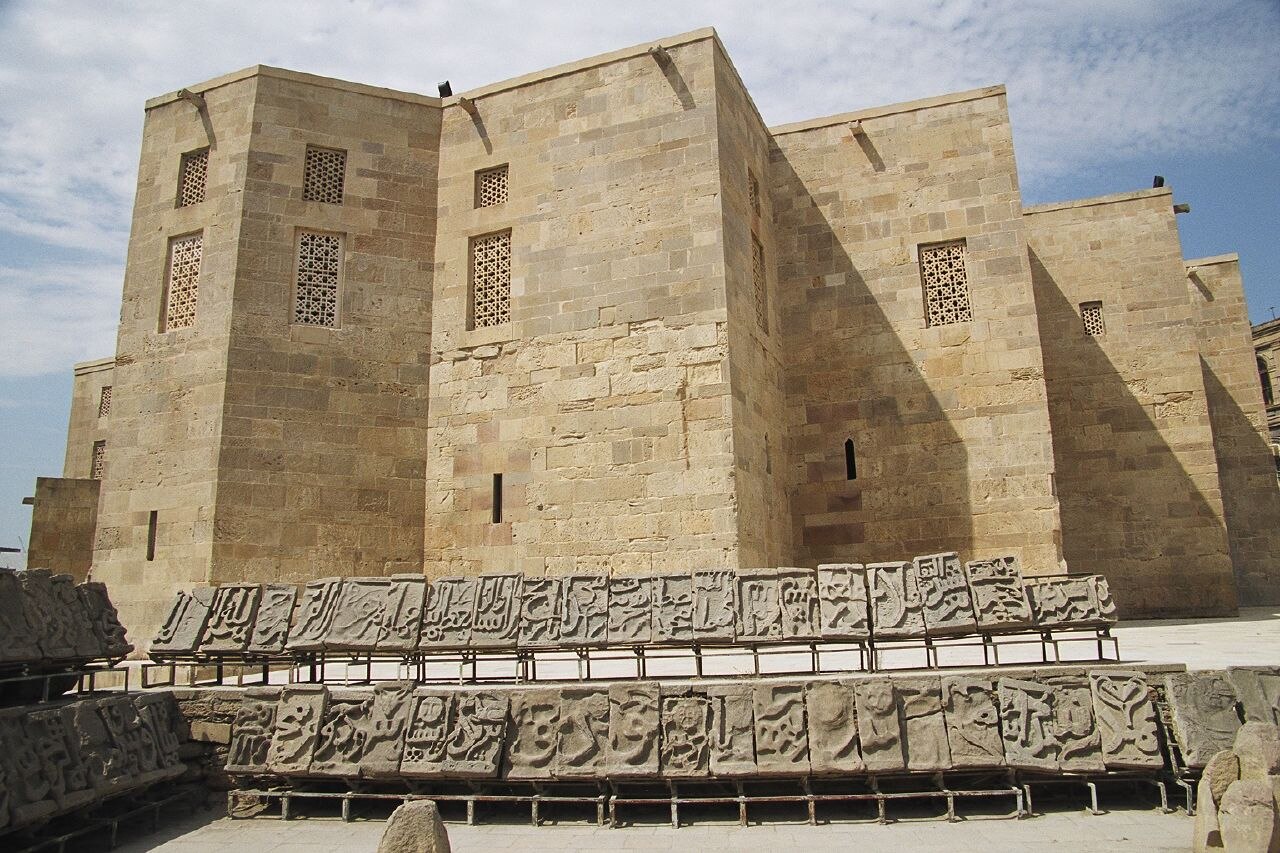
The Muhammad Mosque, locally called Məhəmməd məscidi, is an eleventh-century mosque and minaret located within İçərişəhər, Baku's fortified Old City. Also known as Sınıqqala, it represents one of the oldest securely dated monuments in this UNESCO-listed historic core. The structure has survived centuries of urban change and stands as tangible evidence of early Islamic architecture in the South Caucasus. Its minaret and prayer hall form an integrated religious complex that predates many surrounding buildings. Visitors encounter authentic medieval fabric rather than reconstruction, making it significant for understanding Baku's pre-modern development and the region's architectural evolution under Islamic rule. Yes. The monument is known by both names, with Sınıqqala being an alternative designation for this eleventh-century mosque and minaret complex. The mosque and minaret date to the eleventh century, making them among the oldest securely dated monuments in İçərişəhər.
Checked 2026-08-26 · Source
The monument comprises a mosque building and an attached minaret. The minaret serves both as a call-to-prayer tower and as a visual landmark within the dense urban fabric of İçərişəhər. Stone construction techniques visible in the walls demonstrate medieval building methods. The spatial arrangement reflects traditional Islamic religious planning. Visitors should note that active religious use may limit access to interior areas at certain times.
Checked 2026-08-26 · Source
A respectful exterior examination of the Muhammad Mosque and minaret requires approximately fifteen to twenty minutes. Those granted interior access may extend their visit to thirty or forty minutes, depending on personal interest in architectural details and historical context. The compact scale of the monument means it does not demand extended time compared to larger museum complexes. Most travellers combine this stop with broader exploration of İçərişəhər's winding streets and adjacent historic structures. The visit duration ultimately depends on individual pacing, photography habits, and whether religious services are in progress.
Checked 2026-08-26 · Source
The Muhammad Mosque functions as an active religious site within İçərişəhər, meaning access fluctuates according to prayer schedules and seasonal variations. Visitors should anticipate reduced availability during the five daily prayer periods, particularly Friday congregational prayers. Ramadan and other Islamic observances may further affect visitor access. Early morning and late afternoon typically offer favourable lighting for exterior appreciation and potentially quieter conditions. Weather in Baku ranges from hot summers to cool, windy winters; spring and autumn generally provide comfortable temperatures for walking the Old City's cobbled lanes. Verify current conditions before travelling.
Checked 2026-08-26 · Source
As a functioning religious monument rather than a commercial tourist attraction, it may operate without formal ticketing for individual visitors. Group arrangements or special access requests could involve different protocols. Some İçərişəhər sites maintain donation boxes for maintenance purposes. Visitors should carry small denomination currency for potential contributions. Independent verification with local tourism authorities or on-site custodians is advisable before visiting, as policies may change without widespread notification.
Checked 2026-08-26 · Source
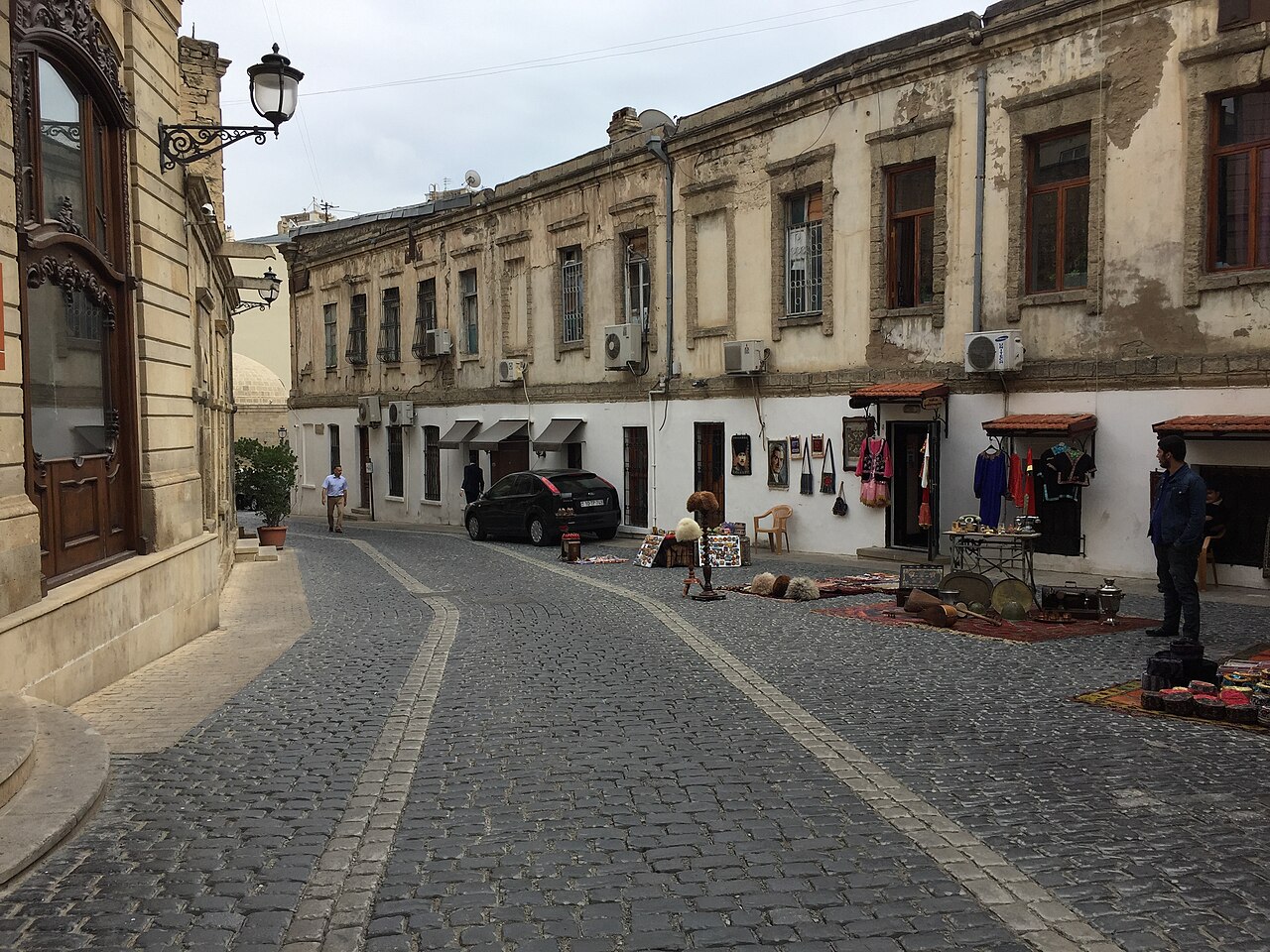
The Muhammad Mosque sits within İçərişəhər, Baku's historic walled city on the Caspian Sea waterfront. Enter through one of several fortified gates, notably the western Gate of the Old City near Icherisheher metro station on the Red Line. The Old City's pedestrianised lanes require walking from any vehicle drop-off point. Taxis and ride services can approach the outer walls but cannot penetrate the historic core. From central Baku accommodations, the site is potentially walkable, though summer heat encourages morning transit. Signage within İçərişəhər is variable; locating Sınıqqala may require asking residents or consulting detailed maps of the quarter's irregular street pattern.
Checked 2026-08-26 · Source
Respect active religious function: dress modestly with covered shoulders and knees, remove shoes if entering prayer areas, and maintain silence during services. The minaret and building fabric are ancient; do not touch, climb, or lean on vulnerable surfaces. Cobblestone streets throughout İçərişəhər present trip hazards, particularly when wet or in low light. The compact quarter contains many unmarked steps and level changes. Summer temperatures exceed thirty degrees Celsius; carry water and sun protection. Winter brings strong Caspian winds. No emergency services or facilities are embedded within the monument itself. Mobile telephone coverage may vary in the narrow lanes between thick stone walls.
Checked 2026-08-26 · Source
Interior photography during active worship is inadvisable without explicit permission from custodians or worshippers. Flash equipment should be avoided near ancient surfaces regardless of permission status. Tripods may attract scrutiny in narrow lanes and should be used discreetly. Dawn and dusk provide dramatic illumination of the stone minaret against changing skies. Respect individuals who may appear in frame; the surrounding streets contain residential properties where inhabitants have legitimate privacy expectations.
Checked 2026-08-26 · Source
Yes. The monument is known by both names, with Sınıqqala being an alternative designation for this eleventh-century mosque and minaret complex.
The mosque and minaret date to the eleventh century, making them among the oldest securely dated monuments in İçərişəhər.
Access depends on religious activity schedules. Active worship may limit or prevent visitor entry at certain times. No formal visiting hours are recorded.
The site may operate without formal ticketing as an active religious monument.
Modest dress is appropriate: covered shoulders and knees. Remove shoes if entering prayer areas. This respects the site's active religious function.
Enter through the Old City gates and navigate the pedestrian lanes. The irregular street pattern may require asking residents or consulting detailed maps.
Loading the interactive map…
The interactive map could not be loaded.

Last updated:
Source: OpenStreetMap contributors, Wikidata ·