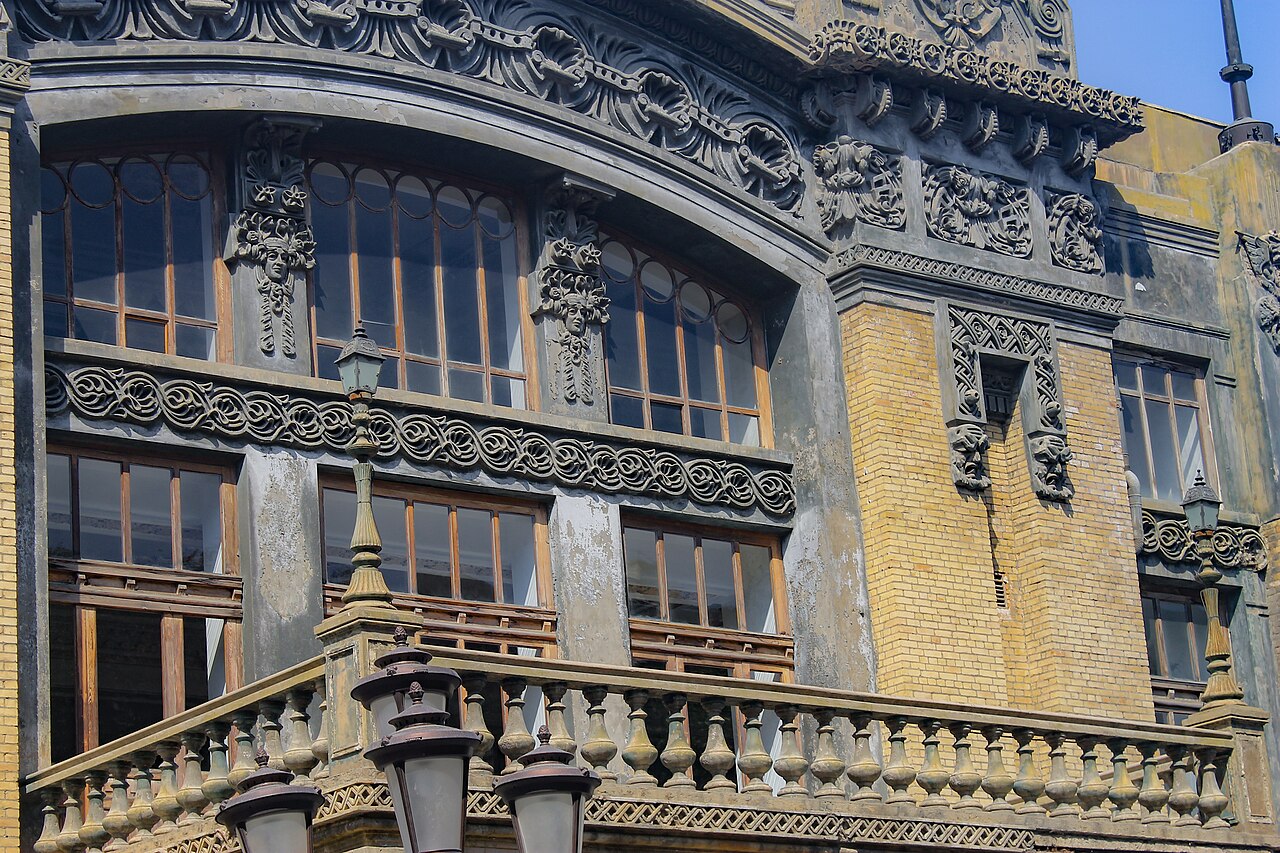
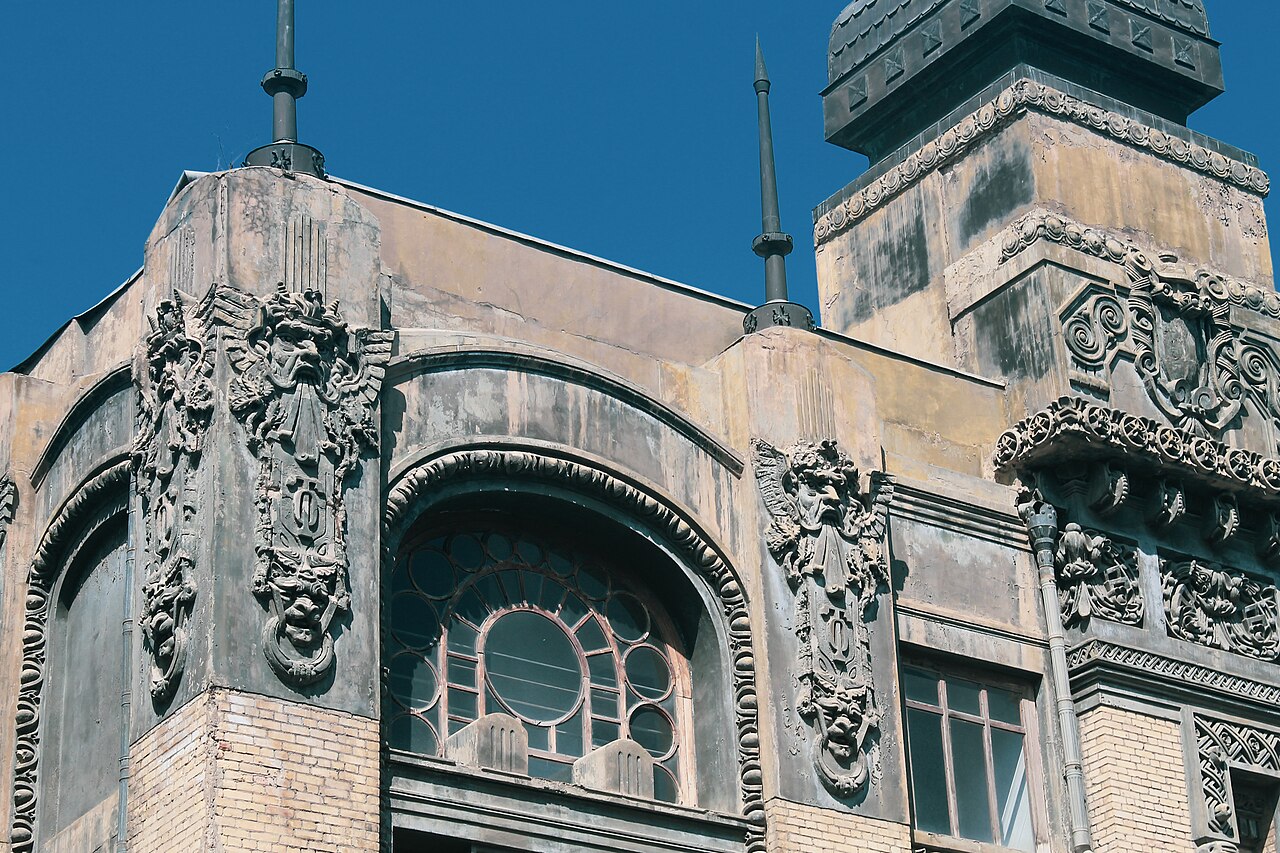
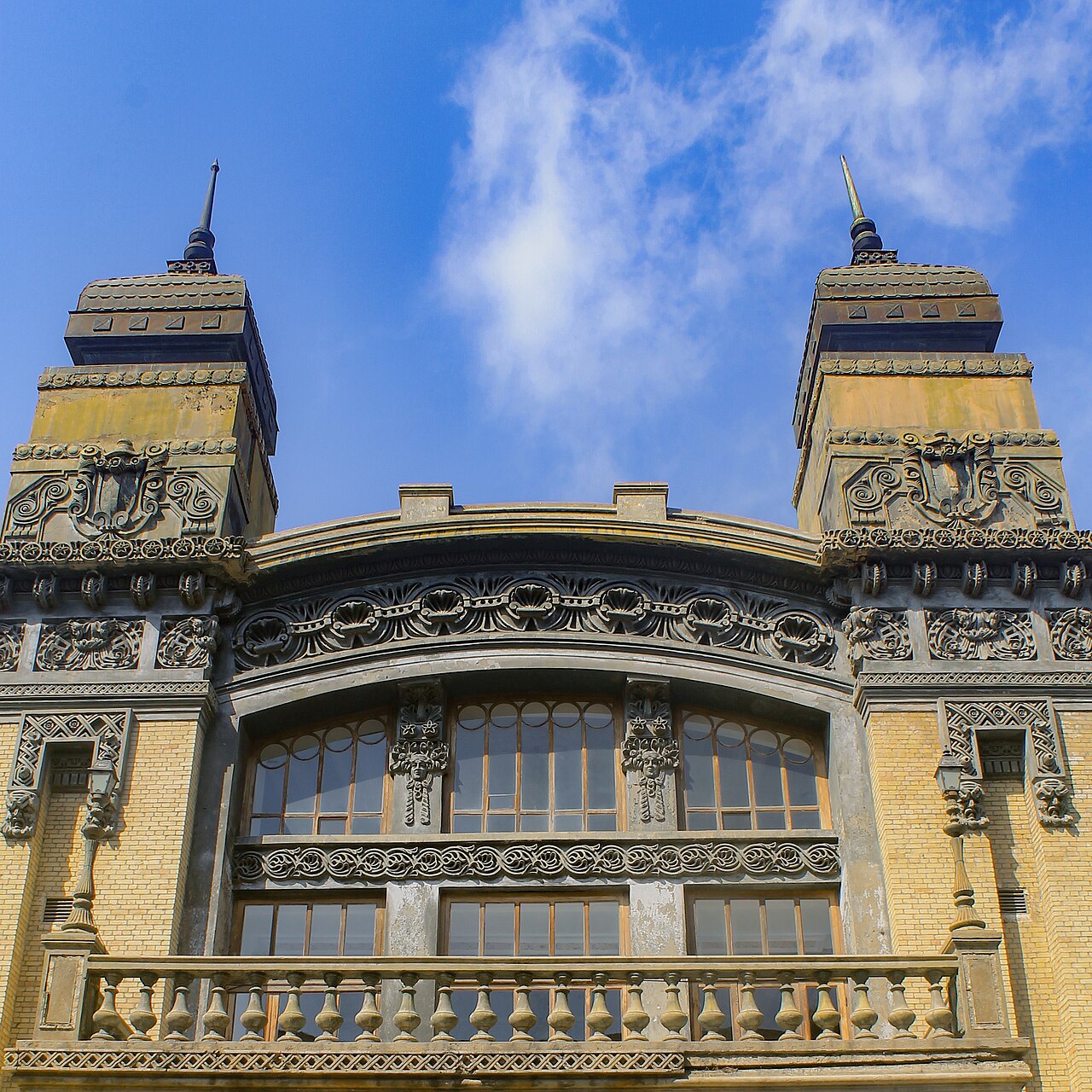
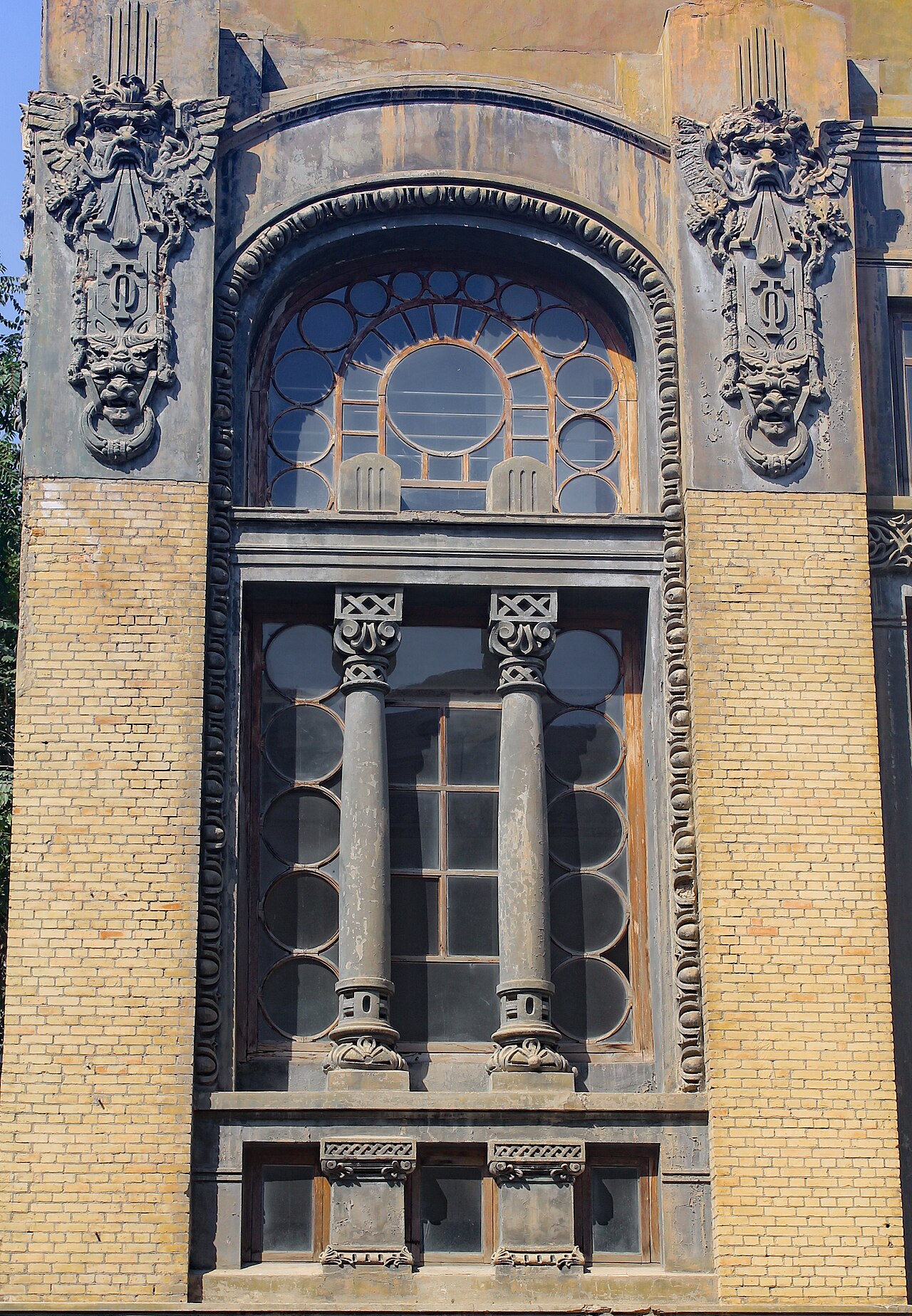
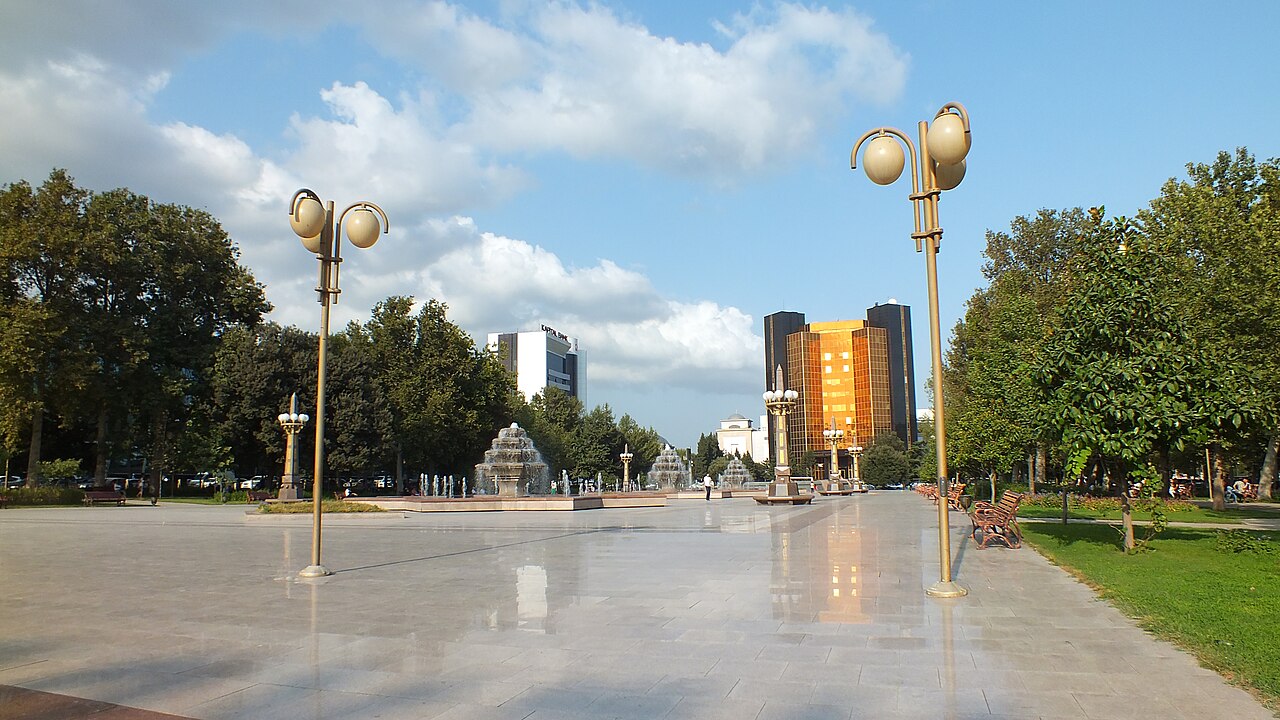
This place is a Theatre.
It opened in 1911.
It was built in the Art Nouveau architecture style.
It was designed by Nikolai Bayev.
It carries the cultural heritage monument in Azerbaijan heritage designation.
Azerbaijan State Academic Opera and Ballet Theater is one of Baku’s most recognisable performing-arts landmarks, combining an active opera and ballet programme with an ornate historic façade. The theatre belongs in the city’s central cultural circuit: even when you are not attending a performance, its architecture gives the surrounding streets a distinctive sense of occasion. For travellers, it works best as either an evening cultural experience or a short exterior stop paired with nearby central sights. Its identity is tied to the city’s cultural life, so the building is more than a decorative landmark: it is a working stage where music, dance and theatrical design meet.
Inside, the building is organised around the requirements of live opera and ballet: an auditorium for the audience, performance areas for the company, and backstage spaces supporting scenery, costumes and performers. The visual character is more formal than that of a contemporary multipurpose venue, so the experience comes from the relationship between the stage, the auditorium and the decorative architectural setting. A ticketed performance reveals the theatre’s purpose most fully; an exterior visit offers the clearest low-commitment introduction to the building. Visitors should think of the interior as a performance environment rather than a museum display, with the audience areas shaped by the rhythm of a live production.
Allow about 20–30 minutes for an exterior look and photographs, especially if you are fitting the theatre between other central Baku stops. A performance requires a substantially longer commitment: reserve the full interval between the published start and finish times, including any interval, and allow extra time for arrival and seating. The most comfortable plan is to keep the rest of that evening light, since a theatrical visit is the main event rather than a quick stop on a tightly packed walking route. The exterior option is easy to combine with a walk, while the performance option deserves its own evening block.
Choose a performance date that fits the theatre’s programme, with the published start time shaping the rest of your evening. Opera and ballet are naturally strongest as scheduled cultural outings, while the façade can be appreciated during a daytime walk through central Baku. Event nights bring a different atmosphere, with arriving audiences and a more formal rhythm around the building. If you are visiting only for the exterior, daylight makes the architectural details easier to read and photograph. A daytime visit also leaves you free to continue through Baku’s central cultural district without committing the evening to a fixed curtain time.
Plan an interior visit around a specific opera or ballet production and its published event details. The theatre is most rewarding when treated as a scheduled cultural evening: select the performance, arrange your route, and leave time for arrival and seating. The façade can be enjoyed from public space as part of a city walk, without making the building the sole purpose of the day. Event information, seating arrangements and availability belong to the individual production, so compare the details for the date you intend to attend before fixing dinner or transport plans.
The theatre is in central Baku’s cultural district, making it practical to combine with other city-centre sightseeing. Public transport, including metro and buses, serves the wider central area, while taxis and ride services are useful when you are travelling for a fixed curtain time. Walking may be convenient from central accommodation. Check the theatre’s mapped position against your route on the day, and build in a margin for central-city traffic before an evening performance. Travellers can use the building as a clear destination within a broader central route, then continue on foot or switch to a vehicle for the next part of the evening.
Plan around the performance rather than treating an evening showing as a casual drop-in. Seating and sightlines differ by location, and late arrival can be disruptive once the auditorium is in use. Keep valuables secure in busy central streets, particularly around event-time crowds. The building is historic and formal in character, so visitors seeking a fully contemporary venue experience may find the atmosphere more traditional. Leave enough time to reach the entrance calmly and settle before the curtain. A theatre evening also benefits from practical pacing: avoid scheduling a distant attraction immediately beforehand, and keep the final approach relaxed enough to deal with traffic or a busy entrance.
The ornate exterior is well suited to architectural photography from public space, especially in daylight when the façade’s details stand out. For an interior visit, follow the theatre’s instructions and keep your phone and camera silent during the performance. Avoid flash and recording while artists are on stage, and do not let photography obstruct other spectators. A short exterior stop can produce useful photographs without turning a performance visit into a sightseeing circuit through the auditorium. Frame the building as part of central Baku’s streetscape as well as in close detail, since the surrounding urban setting helps explain its place in the city’s cultural landscape.
What is the best way to experience the Azerbaijan State Academic Opera and Ballet Theater?
Attend a scheduled opera or ballet performance for the fullest experience of the auditorium and the theatre’s role as a working cultural institution. If your itinerary is already full, make a shorter daytime stop to see and photograph the historic exterior from public space.
How long should I allow for a visit?
Allow about 20–30 minutes for the exterior. A performance occupies the published running time, including its interval, plus time for arrival and seating, so keep the surrounding evening relatively open.
Can I see the theatre without attending a performance?
Yes. The historic façade can be viewed and photographed from public space, making the theatre an easy addition to a central Baku walking route even when you are not attending an evening production.
Is the theatre suitable for an evening itinerary?
Yes. A performance works naturally as the main cultural event of the evening. Choose the show before arranging dinner or transport, then leave a generous margin for central-city traffic and time to find your seat before the curtain.
What should I photograph at the theatre?
Focus on the ornate historic façade and its architectural details from public space, preferably in daylight. During a performance, keep devices silent and avoid flash, recording or any action that distracts performers or other spectators.
How should I plan transport for a performance?
Use the theatre’s central location to combine it with city-centre sightseeing. Metro and buses serve the wider area, while a taxi or ride service can be more convenient when you are working to a fixed curtain time; allow extra time for traffic and arrival.
Nothing non-essential is set before you choose, in regions where consent is required. If you decline, ads still appear and analytics is switched off entirely.