

5 min walk
Bibbulmun Track Northern Terminus
- Notable
- Historic monument
Language · 11 published
Museum · Perth
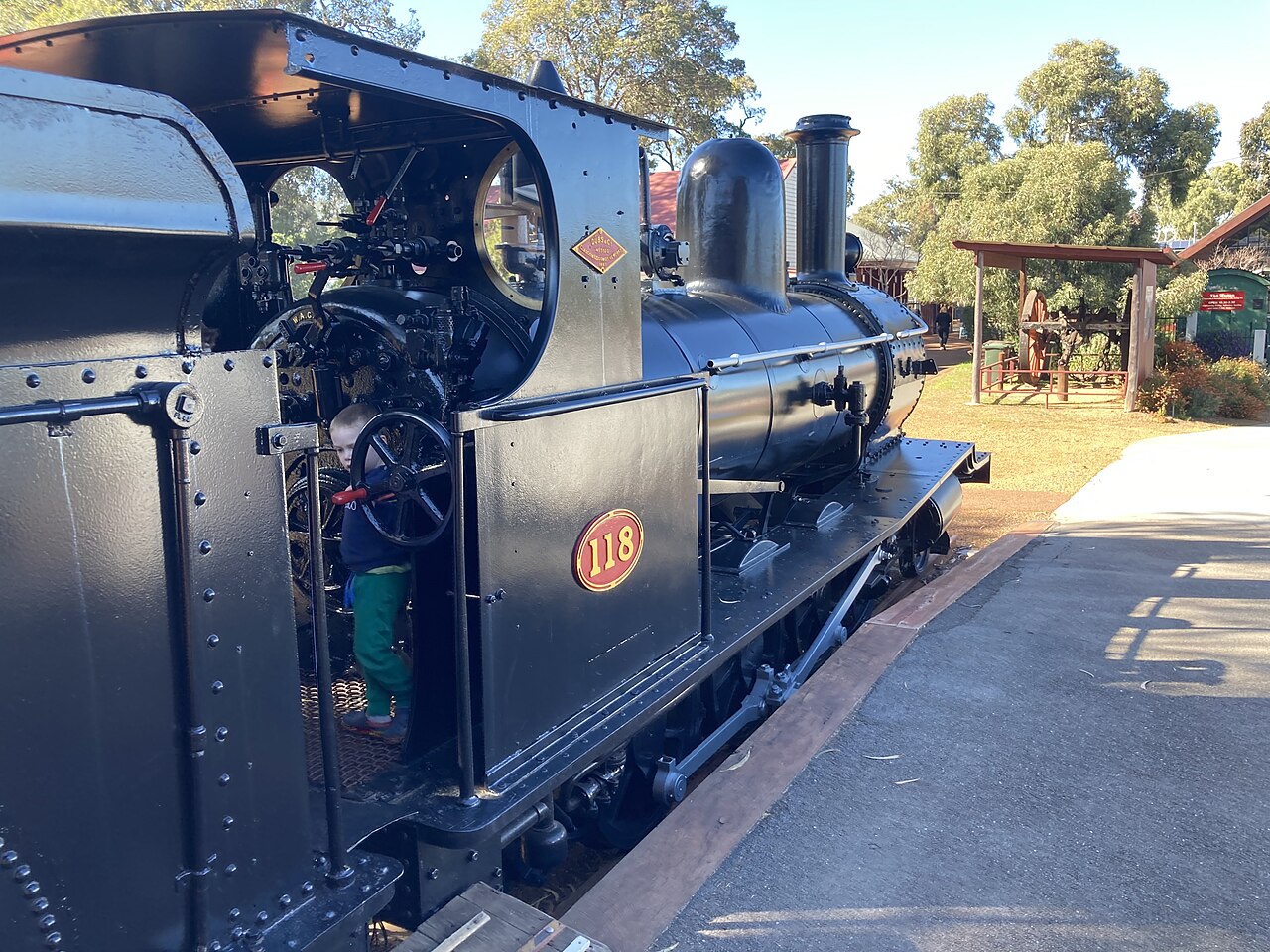
Kalamunda History Village is a heritage attraction in the Perth Hills of Western Australia. It presents the story of Kalamunda and its surrounding community through preserved historic buildings, local objects, and interpretive displays. The village gives travelers a focused way to explore the district’s past beyond central Perth. Its setting connects local history with the hills landscape, where settlement, orcharding, forestry, and community life shaped the region. The experience is best understood as a place-based heritage visit: you move through buildings and displays that relate the everyday life of the area to its wider development. It suits travelers who enjoy architecture, social history, and quieter cultural stops.
Checked 2026-08-26 · Source
The village brings together historic buildings representing domestic, commercial, and community life in the Kalamunda district. Displays interpret the people and activities that shaped the area, including local industries associated with forestry and orcharding. Rather than expecting a single monumental object, visitors should look for the relationship between the buildings, their practical purposes, and the stories attached to them. Preserved interiors and heritage objects help turn local development into something tangible. Take time to read the interpretation and compare the different structures; the variety is part of the attraction. The village format also makes it easy to move between architectural details and broader accounts of work, settlement, and community life.
Checked 2026-08-26 · Source
Allow around one to two hours for a worthwhile visit. That gives enough time to walk between the historic buildings, examine displays, and read the local stories without rushing. Travelers with a strong interest in heritage architecture or regional history can spend longer studying individual structures and objects. The village works well as part of a Perth Hills day rather than as an all-day destination on its own. A slower pace is rewarding because the attraction’s value lies in the accumulation of details: the arrangement of buildings, the evidence of past work, and the way community history is presented across the site.
Checked 2026-08-26 · Source
Spring and autumn are comfortable seasons for spending time outdoors among the buildings, while winter brings cooler conditions and summer can be hot in the Perth Hills. Morning or late afternoon can make the outdoor parts of the visit more pleasant, especially when you want to combine the village with a walk through Kalamunda. Weekend or holiday visits may have a stronger community atmosphere than a quiet weekday stop. Plan the visit around the attraction’s practical schedule and the weather, since moving between buildings is part of the experience. Comfortable clothing, sun protection, and water are useful in warmer conditions.
Checked 2026-08-26 · Source
The attraction is a compact cultural stop within a Perth Hills outing, and the visit centers on its historic buildings and displays. The practical value of the visit comes from the concentration of local history in one setting: you can explore regional development without committing to a full-day museum programme. If you are planning several Perth Hills stops, leave room in the day for the village and its surrounding cultural landscape rather than treating it as a brief roadside photograph.
Checked 2026-08-26 · Source
Kalamunda History Village is in the Perth Hills, roughly twenty-five kilometres east of Perth’s central business district. Driving is the most direct way to reach this hills destination, using routes from Perth toward the Darling Scarp and then local roads around Kalamunda. Bus services connect with Kalamunda town centre, after which the final approach requires local walking or another connection. The journey itself changes from metropolitan streets to a hill setting, making the village easy to pair with other Kalamunda stops. Allow extra travel time for traffic and the winding local roads, particularly on busy weekends.
Checked 2026-08-26 · Source
Historic buildings can have steps, uneven ground, narrow doorways, and restricted circulation, so move carefully and allow time around thresholds. Outdoor areas offer limited shelter, and Perth Hills weather can feel different from the coastal plain. Carry water and use sun protection in warm weather. Keep children close around old structures, objects, and equipment. The village may include areas with conservation requirements, so follow signs and barriers. Sturdy, comfortable footwear will make the visit easier. Travelers who need a particular route through the site should plan around the physical character of a heritage village rather than expecting modern museum access throughout.
Checked 2026-08-26 · Source
The historic buildings, period interiors, and Perth Hills setting provide the strongest photographic subjects. Exterior views work well when you include the structure in its surroundings, while closer images can highlight materials, windows, tools, and architectural details. Use natural light thoughtfully because bright midday sun can create hard contrast outdoors. Inside, follow any restrictions and avoid touching objects while composing photographs. Be considerate when other visitors or guided groups are present. Personal photography is a natural part of a heritage visit, but commercial shoots, tripods, and drone use require permission rather than being treated as automatically available.
Checked 2026-08-26 · Source
You can explore preserved historic buildings and displays about Kalamunda’s domestic, commercial, community, forestry, and orcharding history.
Allow around one to two hours to walk through the buildings, examine the displays, and read the local interpretation.
It is in the Perth Hills, approximately twenty-five kilometres east of Perth’s central business district, near Kalamunda.
The village gives you a concentrated view of local heritage and shows how settlement, work, architecture, and community life shaped the Perth Hills.
Yes. Its location makes it suitable for a wider Kalamunda or Perth Hills day that also includes local streets, scenery, and walking.
Comfortable shoes are useful for uneven heritage surfaces, and sun protection and water help during warm weather outdoors.
Loading the interactive map…
The interactive map could not be loaded.

Last updated:
Source: OpenStreetMap contributors ·