.jpg)
2 min walk
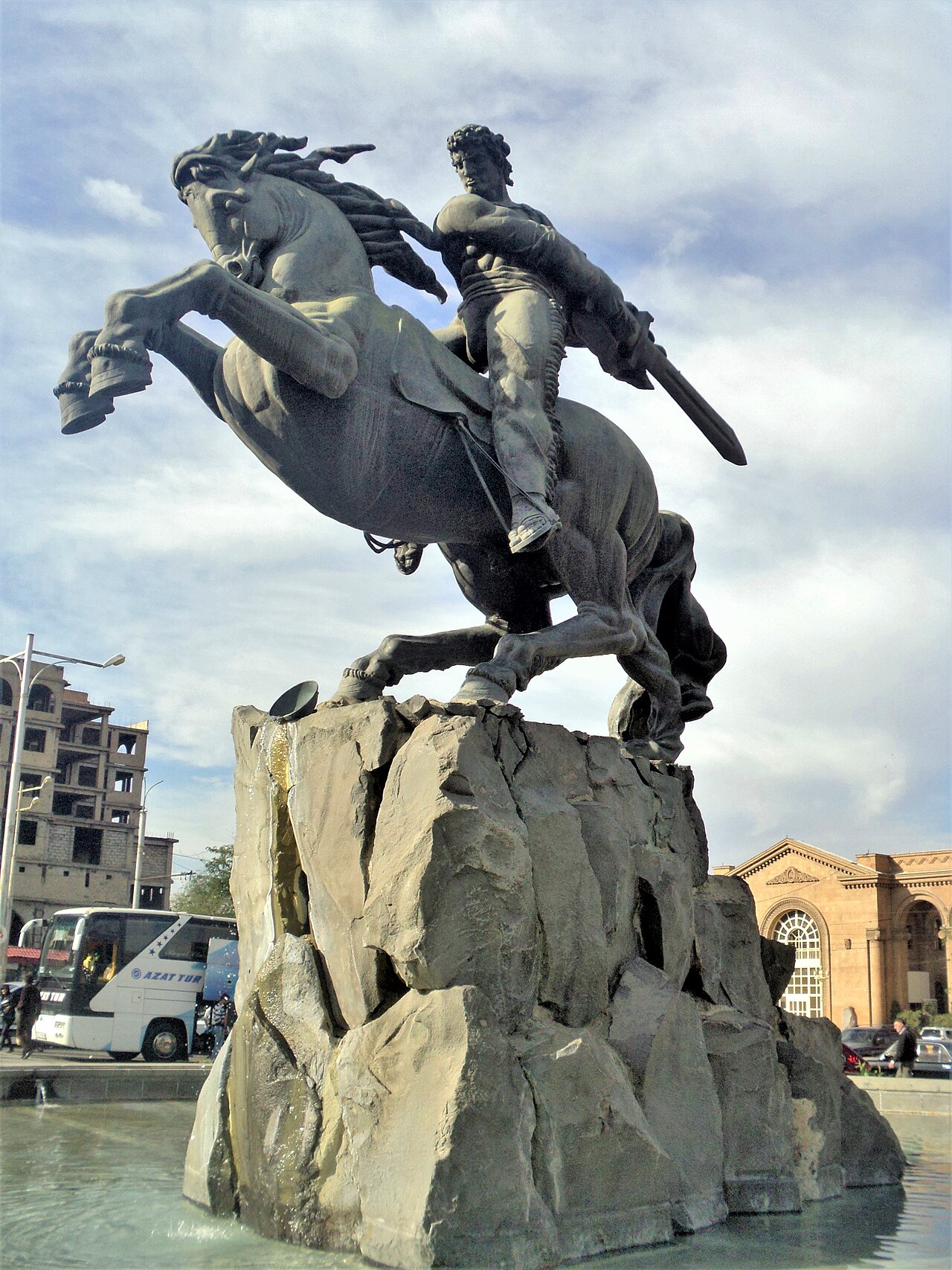
The statue of David of Sasun
- Must see · Heritage site
- Historic monument
Language · 11 published
Museum · Yerevan
Հայաստանի երկաթուղու թանգարան
Closed today, Saturday. Next open Monday at 10:00 — the planner will not place a stop here on a Saturday.
Plan around it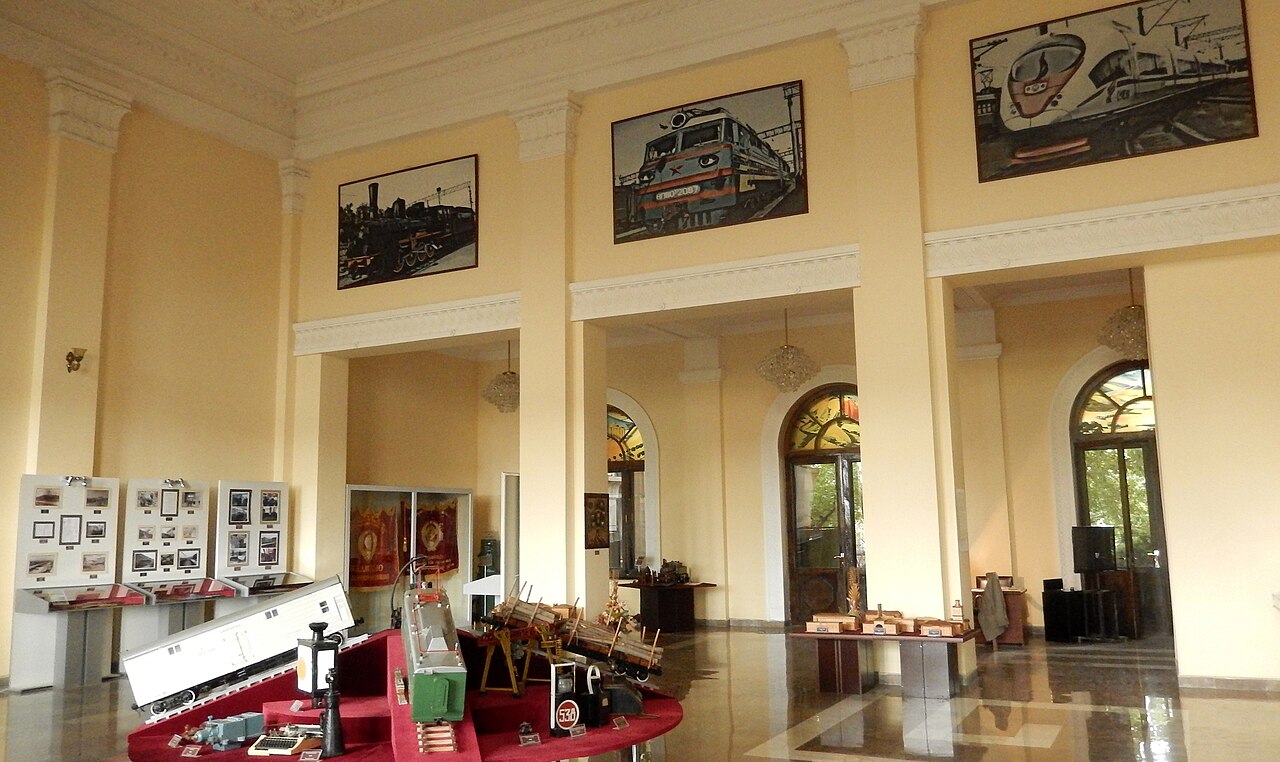
| Monday | 10:00 – 17:00 |
|---|---|
| Tuesday | 10:00 – 17:00 |
| Wednesday | 10:00 – 17:00 |
| Thursday | 10:00 – 17:00 |
| Friday | 10:00 – 17:00 |
| Saturday | Closed |
| Sunday | Closed |
Parsed from OpenStreetMap opening hours on 2026-08-26.
The Armenian Railways Museum presents the railway heritage of Armenia through the equipment, records, and stories associated with rail transport. It offers a focused way to explore how trains supported movement, industry, communication, and everyday life across the country. The subject reaches beyond engineering: a railway network links towns, carries passengers and goods, and reflects changing political and economic periods. Travelers interested in industrial history, Soviet-era infrastructure, or the practical technology of transport can use the museum as a compact cultural stop in Yerevan. Its railway focus also makes it a natural companion to a journey that begins or ends at the city’s railway station.
Checked 2026-08-26 · Source
The collection is centered on railway equipment and historical material connected with Armenian rail transport. Travelers can expect large industrial objects such as locomotives, passenger carriages, freight wagons, and the components that show how railway systems functioned. Photographs, documents, and technical displays provide context for the machines and place them within the wider development of the network. The scale of railway vehicles changes the rhythm of a museum visit: instead of moving from one small case to another, you spend time looking at construction, wheels, couplings, cabins, and the relationship between machinery and the people who operated it. Approach the exhibits as both technology and social history.
Checked 2026-08-26 · Source
Set aside about one to two hours for a proper visit. That gives time to examine the major railway objects, read the supporting material, and move between indoor information and larger rolling-stock displays. A traveler making a quick cultural stop can see the principal exhibits in roughly an hour, while railway enthusiasts may want longer to study mechanical details and historical context. The museum fits comfortably into a wider Yerevan day, especially when combined with other transport or industrial sights. Wear comfortable shoes if your route includes outdoor display areas, where the larger exhibits reward slow observation from several angles.
Checked 2026-08-26 · Source
The museum works in every season because its subject is a year-round cultural experience, but the balance between indoor material and outdoor railway objects changes with the weather. Spring and autumn are comfortable periods for a city itinerary that includes time outside. Summer visits benefit from planning pauses away from direct sun, while winter visitors should dress for cold conditions when viewing exterior equipment. Visit when you can give the displays your attention rather than rushing between landmarks. Pairing the museum with a railway journey or with Yerevan Railway Station creates a coherent transport-themed day.
Checked 2026-08-26 · Source
Plan the museum as a dedicated heritage visit rather than as a pass-through station stop. Admission is connected to entering the museum and viewing its railway collection, including the large equipment that gives the site its character. Keep local Armenian dram available for small cultural purchases in Yerevan, while retaining enough time in your itinerary for a calm visit. The museum’s appeal comes from the objects and their context, not from a short photo opportunity. Travelers who enjoy engineering, transport history, and machinery will gain more from reading the displays and examining how the railway vehicles were built.
Checked 2026-08-26 · Source
The museum is in Yerevan and can be incorporated into a day using the capital’s metro, buses, marshrutka minibuses, or taxis. Its railway subject makes the city’s main railway station a useful orientation point when organizing a broader route. Use the mapped OSM location for the final destination and allow time for the last walk from public transport. A taxi gives a direct option when carrying luggage or fitting the museum between timed activities. If you are traveling by train through Armenia, consider making the museum part of the same transport story, while reserving enough time to explore the exhibits without watching the clock.
Checked 2026-08-26 · Source
Large railway vehicles bring uneven ground, metal edges, steps, and restricted working areas into the visitor experience. Stay on the visitor route, keep a safe distance from equipment, and supervise children near wheels, couplings, and raised surfaces. Outdoor displays can be hot in Yerevan’s summer sun and cold in winter, so clothing should match the season. Information may be presented primarily in Armenian or Russian, making the visual details of the locomotives especially useful for visitors who read neither language. The museum is best enjoyed at an unhurried pace, with attention to both machinery and the people who used it.
Checked 2026-08-26 · Source
Railway equipment offers strong photographic subjects: locomotives, carriages, wheels, controls, and the long lines of industrial forms. Photograph from the visitor route and keep clear of barriers, staff areas, and other guests. In indoor display spaces, avoid flash when it could disturb visitors or affect sensitive material. The outdoor vehicles are especially rewarding in side light, when rivets, paint, and mechanical details create texture. A wide view shows the scale of the collection, while close details reveal the engineering. Keep cameras secondary to safety around metal surfaces and steps, and follow any signs attached to individual exhibits.
Checked 2026-08-26 · Source
The museum focuses on Armenian railway heritage, with locomotives, passenger carriages, freight wagons, technical objects, photographs, and historical material.
Allow about one to two hours, with shorter visits suited to a quick overview and longer visits suited to railway enthusiasts studying the equipment.
Its focus is specifically Armenian railway history, including the vehicles, equipment, documents, and people connected with rail transport.
Yes. The collection includes large railway objects such as locomotives, passenger carriages, and freight wagons, alongside smaller historical and technical material.
Wear comfortable shoes and dress for the season, since the experience includes large railway equipment and may involve outdoor areas in Yerevan’s hot summers or cold winters.
Use Yerevan’s metro, buses, marshrutka minibuses, or taxis, then follow the mapped OSM location for the final approach; the railway station is a useful orientation point.
Loading the interactive map…
The interactive map could not be loaded.

Last updated:
Source: OpenStreetMap contributors, Wikidata ·