.JPG)


1 min walk
Folk Art Museum
- Must see
- Museum
Language · 11 published
Historic monument · Yerevan
Խաչատուր Աբովյանի արձան

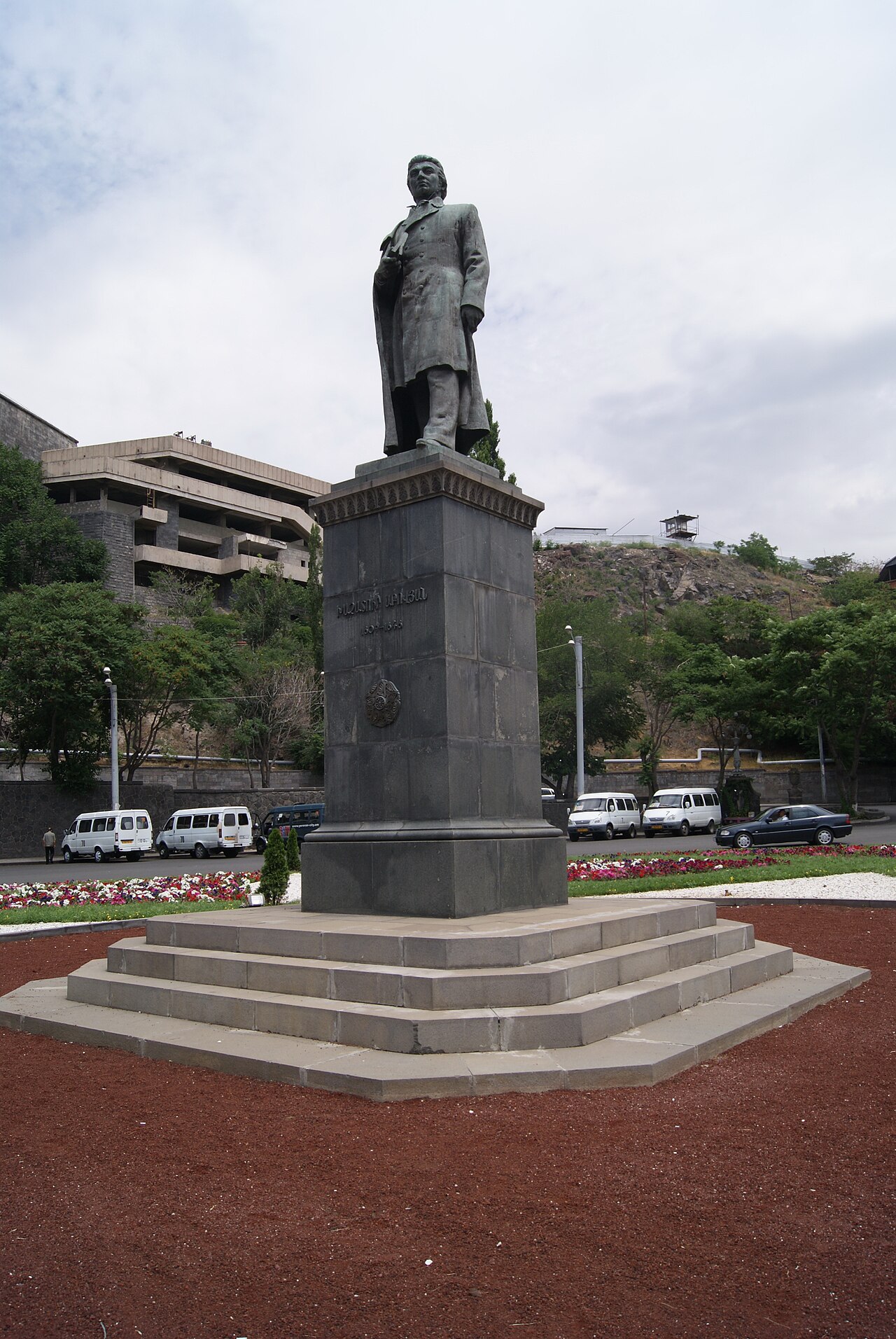
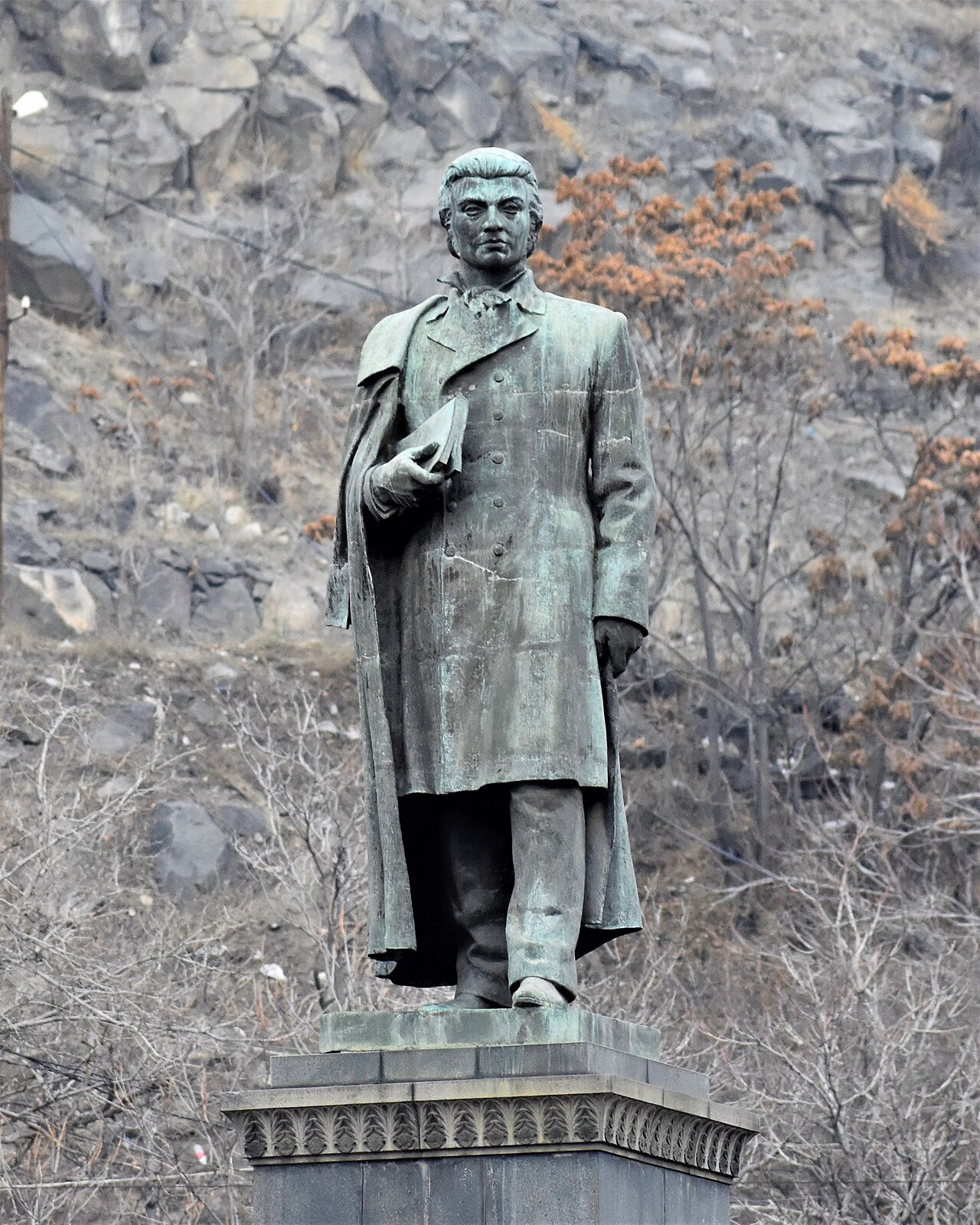
The Abovian statue is an outdoor monument in Yerevan honouring Khachatur Abovian, a foundational figure in modern Armenian literature and education. Abovian helped establish modern Eastern Armenian as a literary language, making the statue meaningful to visitors interested in writing, language, and national intellectual history. It is a civic landmark rather than an enclosed attraction, offering a concise encounter with Yerevan’s public memory. The Abovian statue is a public monument in Yerevan honouring Khachatur Abovian, a foundational figure in modern Armenian literature and education. Abovian is widely credited with pioneering the use of modern Eastern Armenian as a literary language. The statue stands as a cultural landmark in the capital, reflecting the deep reverence Armenians hold for intellectual heritage. As an outdoor monument, it forms part of Yerevan's broader landscape of commemorative sculptures celebrating national historical figures. Visitors encounter it as a point of civic memory rather than an enclosed attraction. Visitors may observe current conditions directly.
Checked 2026-08-26 · Source
There is no interior space at the Abovian statue. Visitors see the outdoor sculptural figure and its immediate paved urban surroundings. The stop does not contain galleries, exhibitions, or a visitor centre. Its interest comes from the monument’s representation of Abovian and from the cultural meaning attached to his role in Armenian literature and education. Treat the statue as a place for observation and reflection within the city. The Abovian statue consists of an outdoor sculptural monument with no interior spaces or enclosed facilities. Visitors will find the bronze or stone figure of Abovian himself, typically presented in a pose reflecting his scholarly identity. The immediate surroundings include paved pedestrian areas forming part of Yerevan's urban fabric. There are no museums, exhibitions, or visitor centres attached to this specific monument. The experience is limited to external viewing and contemplation of the artwork and its historical significance. Benches or landscaping in the vicinity may offer resting spots, though these are municipal features rather than dedicated monument amenities.
Checked 2026-08-26 · Source
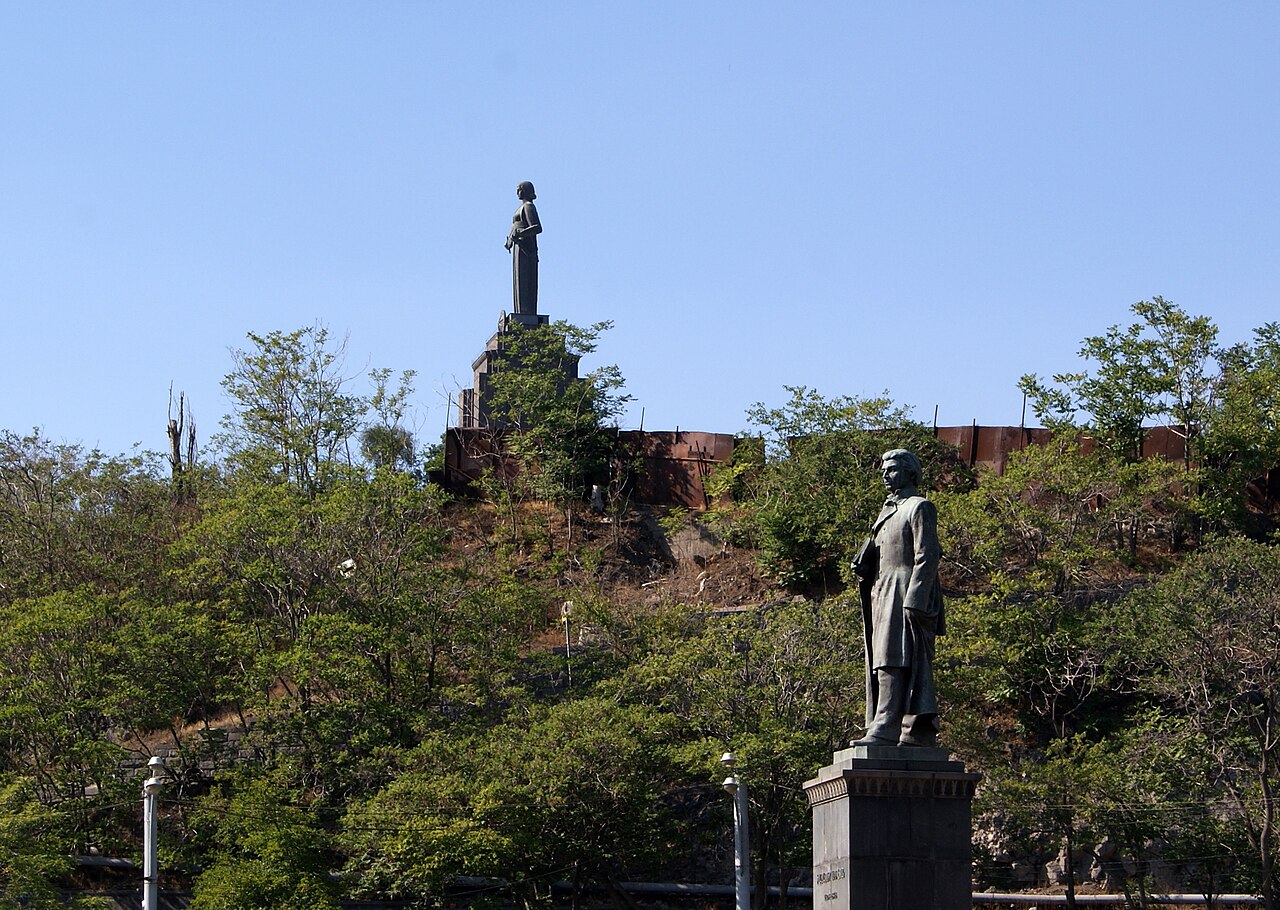
Allow ten to twenty minutes for a normal visit. You can approach the statue, study its pose and details, read any plaque or inscription, take photographs, and pause briefly before continuing. Visitors especially interested in Armenian literary history may stay longer. The statue works best as one stop in a walking itinerary through Yerevan, rather than as a destination requiring a long standalone visit. A visit to the Abovian statue typically requires between ten and twenty minutes for most travellers.
Checked 2026-08-26 · Source
Daylight is useful for viewing the sculpture and any inscription. Spring and autumn are comfortable seasons for combining the stop with longer urban walks, while Yerevan’s hot summers and cold winters call for suitable clothing, water, and sensible pacing. An evening visit offers a different city atmosphere if the surrounding public space remains comfortable. No indoor programme shapes the timing of this open-air monument.
Checked 2026-08-26 · Source
The Abovian statue is a public outdoor monument and does not function as a ticketed attraction. There is no museum-style entry process, exhibition admission, or reservation involved in viewing the sculpture. Include it in a freely planned city walk and reserve your travel budget for transport or other activities elsewhere in Yerevan.
Checked 2026-08-26 · Source
The statue is located within Yerevan’s central urban environment and is suitable for visitors moving between city landmarks on foot. Buses, marshrutka minibuses, the metro, taxis, and ride-hailing services serve the capital. Use the mapped location to plan the final approach, then pay attention to pedestrian areas and adjacent roads. Private vehicle use is generally unnecessary for a short central-city monument stop.
Checked 2026-08-26 · Source
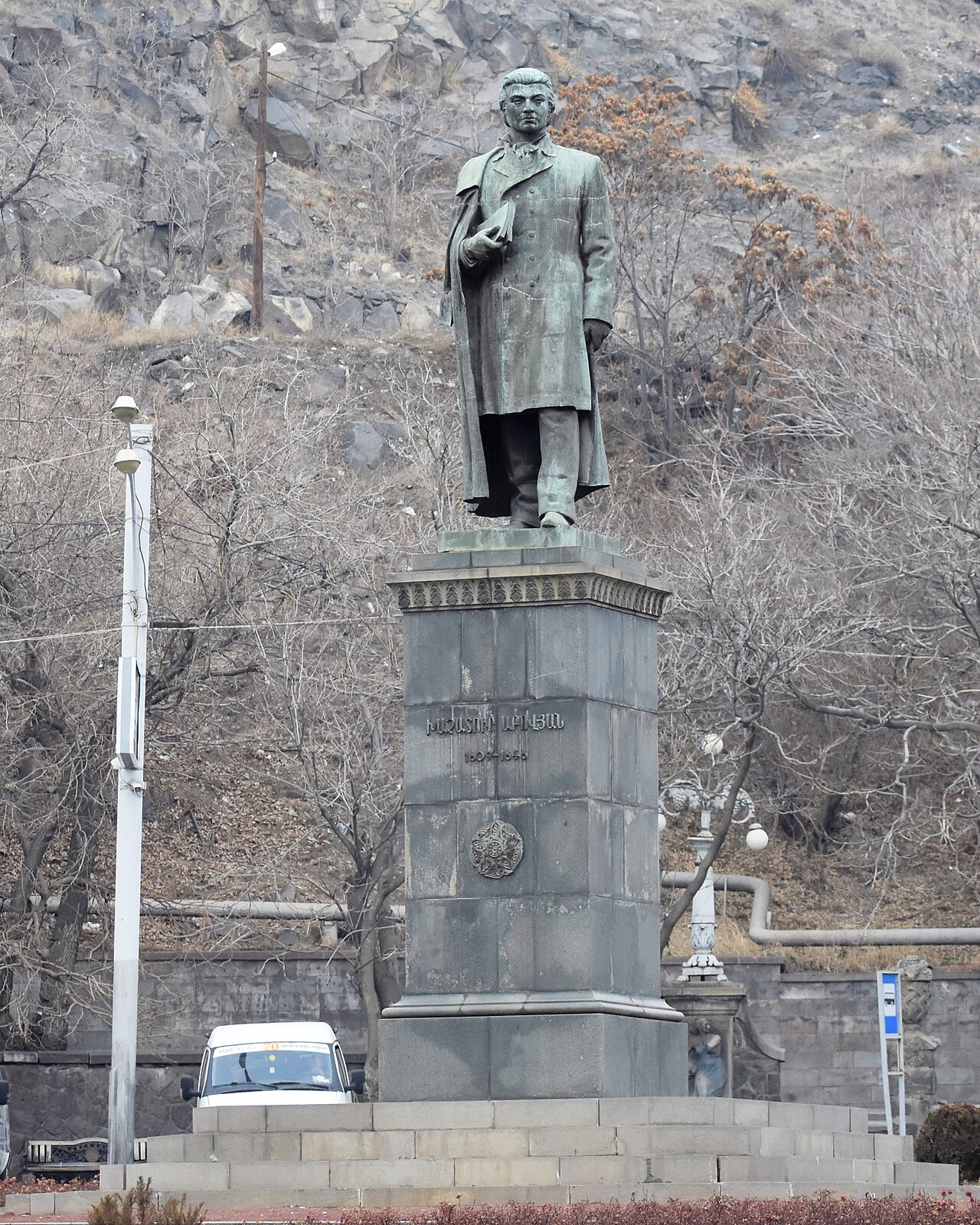
The statue occupies open public space, so normal city awareness matters. Watch traffic near adjoining roads and take care on paving that may become slippery in rain, snow, or winter ice. Summer heat can make an extended walk tiring. Keep clear of the sculpture and do not climb it. Maintain a respectful demeanour at this commemorative site, particularly when photographing people nearby.
Checked 2026-08-26 · Source
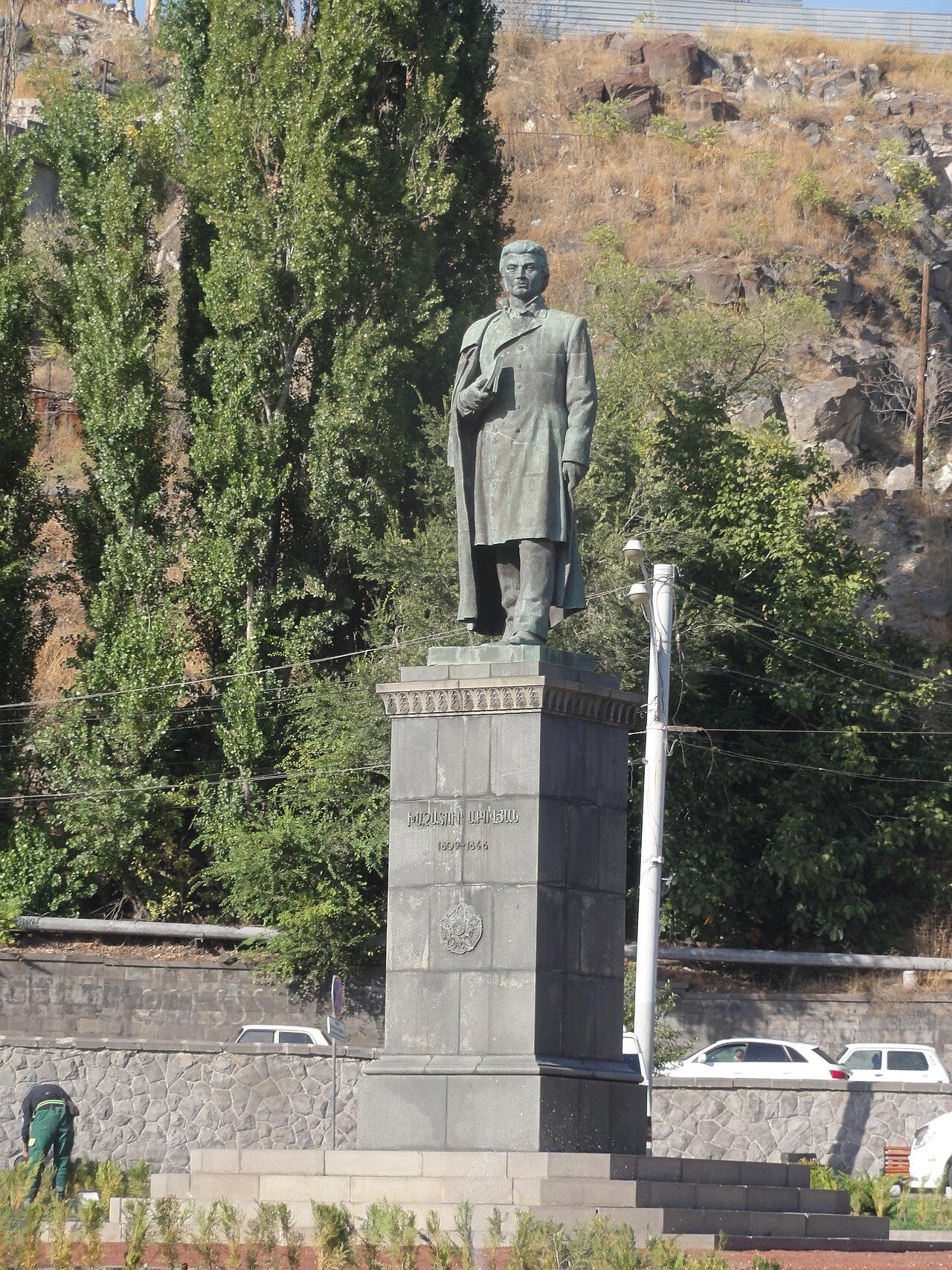
Use daylight to capture the Abovian statue’s form and any inscription with clear detail. Morning or late-afternoon light may soften shadows, while a wider frame can place the sculpture within Yerevan’s civic landscape. Keep tripods, bags, and groups from blocking pedestrian movement. Casual photography suits the outdoor setting, but people sharing the public space deserve privacy and the statue should be treated as cultural heritage, not a prop.
Checked 2026-08-26 · Source
It honours Khachatur Abovian, an important Armenian writer and educator associated with the development of modern Eastern Armenian literary language.
Yes. It is an outdoor sculptural monument in Yerevan’s public urban space, without an attached interior exhibition area.
Ten to twenty minutes is enough for viewing the statue, reading any plaque, photographing it, and pausing briefly.
Yes. Its outdoor setting and short visit length make it practical to combine with other central Yerevan landmarks.
Yerevan can be hot and dry in summer and cold in winter, with occasional snow, so dress and pace your outdoor walk accordingly.
Keep a respectful distance, do not climb or handle the sculpture, watch nearby traffic, and avoid obstructing pedestrians while taking photographs.
Loading the interactive map…
The interactive map could not be loaded.

Last updated:
Source: OpenStreetMap contributors, Wikidata ·