.jpg)
4 min walk
Erebuni Museum
- Must see
- Museum
Language · 11 published
Historic monument · Yerevan
Էրեբունու ամրոց
| Monday | Closed |
|---|---|
| Tuesday | 10:30 – 16:40 |
| Wednesday | 10:30 – 16:40 |
| Thursday | 10:30 – 16:40 |
| Friday | 10:30 – 16:40 |
| Saturday | 10:30 – 16:40 |
| Sunday | 10:30 – 16:40 |
Checked 2026-08-31 · Source
Read from the OpenStreetMap access tags; anything not listed has no tag recorded.
Set the group type to family in the planner and the day window contracts to about three quarters of a solo day.
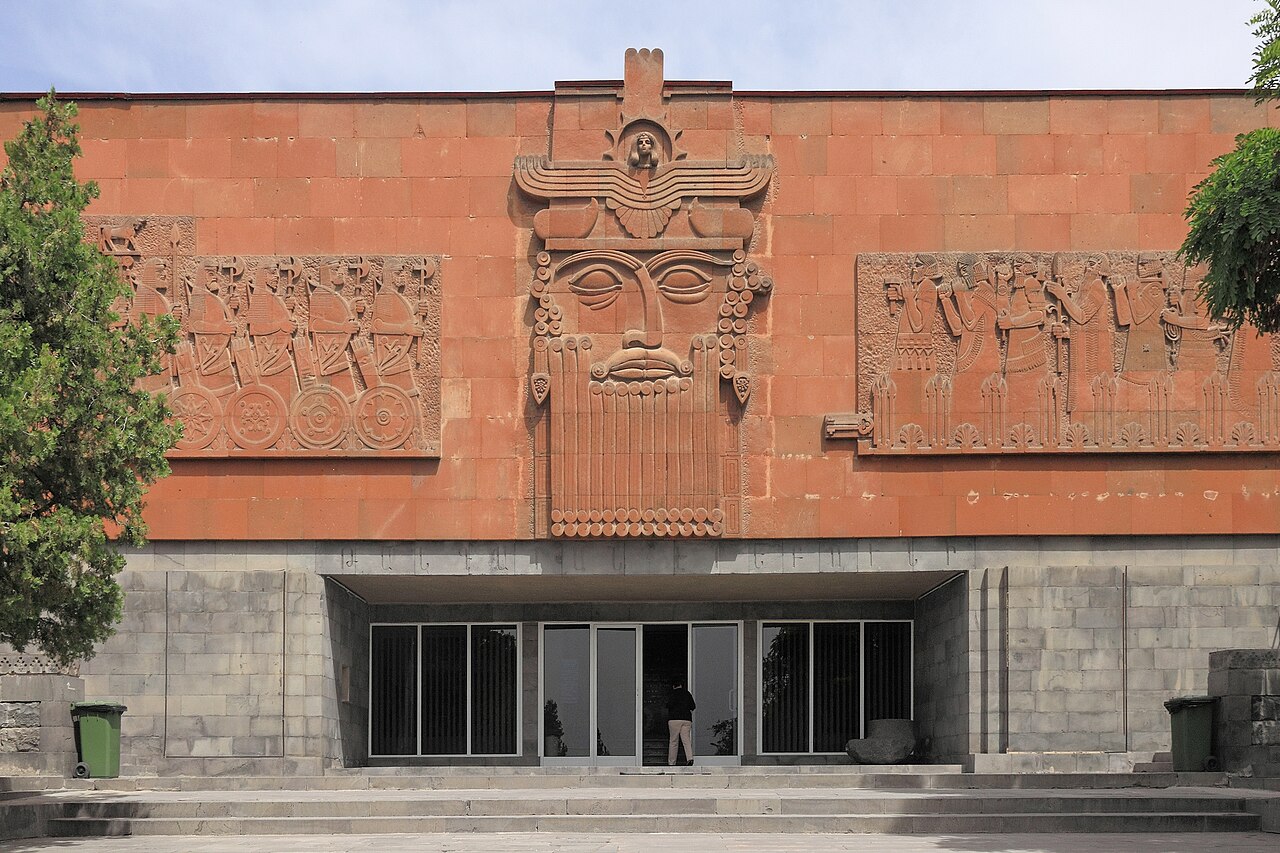
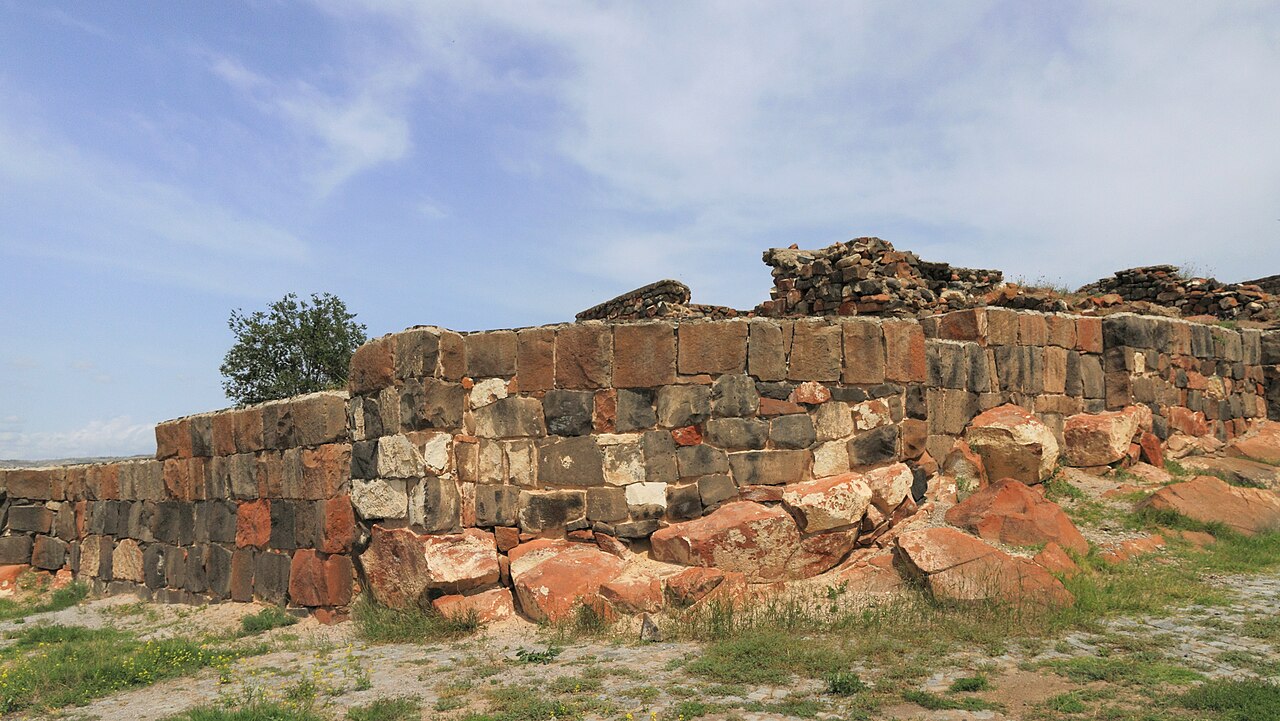
Erebuni Fortress is an ancient Urartian fortified city that stands as one of the oldest surviving structures in the Yerevan region. Founded in the eighth century BCE by King Argishti I, the citadel represents the historical origin point from which modern Yerevan grew. The fortress occupies a prominent hilltop position overlooking the Ararat Plain. Its cuneiform inscriptions, carved into stone, constitute primary historical evidence of the settlement's foundation. The site functions today as an archaeological monument and museum complex, preserving substantial remnants of walls, foundations, and gate structures from the Urartian period. Visitors encounter layered history spanning nearly three millennia.
Checked 2026-08-26
The fortress compound contains excavated ruins including defensive walls, column bases, storage rooms, and residential quarters arranged across multiple terraces. A modern museum building adjoins the archaeological zone, housing artifacts recovered from the site. Displays include pottery, metalwork, and inscribed stone fragments. The cuneiform inscription recording the city's foundation remains a focal point. Terraced gardens and pathways connect the upper and lower citadel areas. Informational panels provide historical context at key locations. The museum exhibition supplements the outdoor ruins with interpretive material. The overall presentation combines exposed archaeological remains with curated indoor displays, offering visitors complementary perspectives on Urartian material culture and urban planning.
Checked 2026-08-26
A thorough visit to Erebuni Fortress typically requires between ninety minutes and two and one half hours. The outdoor archaeological site demands uneven walking across stone surfaces and terraces, which slows pace considerably. Museum examination adds substantial time for visitors who read displays attentively. Photography, rest stops, and panoramic viewing from the hilltop extend duration. Those with limited mobility or time constraints may complete a abbreviated circuit in approximately forty-five minutes, focusing on the central ruins and main museum hall. The site's compact physical footprint belies its interpretive density; rushing diminishes comprehension of the stratified archaeological evidence and historical significance presented across the complex.
Checked 2026-08-26
Visitors should consult official sources before planning arrival. The outdoor archaeological site suggests daytime visiting is practically necessary for safe navigation of uneven terrain and adequate appreciation of the ruins. Summer midday heat on the exposed hilltop may prove taxing; morning or late afternoon timing likely improves comfort. Winter conditions could render stone surfaces slippery and reduce accessibility. Spring and autumn offer moderate temperatures suitable for extended outdoor exploration. The museum component presumably operates on defined schedules distinct from the open-air ruins. Verification of current operational status through official channels remains essential before travel. Check the operator's own site for the travel date before relying on a schedule or fare.
Checked 2026-08-26
The site's status as a state-managed archaeological monument and museum suggests admission fees likely apply, though concession categories and exact rates require direct confirmation. Some national museums in Armenia have historically operated with modest entry charges or periodic free admission days. Combined ticketing with related cultural institutions may exist. Visitors should carry local currency for transactions. Photography permits inside museum galleries sometimes incur supplementary fees at comparable sites. Group rates, guided tour supplements, and educational program costs remain unverified. Advance contact with site administration or municipal tourism offices provides the sole reliable mechanism for obtaining current pricing information. Check the operator's own site for the travel date before relying on a schedule or fare.
Checked 2026-08-26
Erebuni Fortress occupies elevated terrain in the Erebuni district of southeastern Yerevan, separated from the central city by several kilometers. Public marshrutka minibuses serve routes passing near the district, though exact stops and walking connections require local confirmation. Yerevan Metro does not extend directly to this area. Taxi or rideshare services offer more reliable point-to-point access, with drivers familiar with the fortress destination. Walking from central Yerevan involves significant elevation gain and extended distance, impractical for most visitors. Road access permits private vehicle arrival; parking availability at the site entrance is not documented. Signage in Armenian assists navigation once in the immediate vicinity.
Checked 2026-08-26
The archaeological site presents genuine physical hazards requiring visitor vigilance. Exposed stone surfaces, uneven footing, and absence of modern guardrails at terrace edges demand careful movement. Weather conditions amplify risks: rain creates slippery conditions; ice or snow may render paths impassable. Limited shade on the hilltop exposes visitors to sun and heat. The museum and ruins lack comprehensive climate control. Drinking water availability is not confirmed; self-provisioning is prudent. Language barriers may complicate interpretation, as not all signage carries English translations. Mobile telephone coverage in the immediate area is unverified. Emergency services access from the elevated, somewhat isolated position could involve delayed response times.
Checked 2026-08-26
The fortress ruins and panoramic hilltop vantage offer substantial photographic interest. The Ararat Plain backdrop, when atmospheric conditions permit, provides dramatic contextual imagery. Early and late daylight enhances stone textures and landscape depth. The cuneiform inscriptions reward close photographic documentation. Museum interior photography may face restrictions; visitors should observe posted policies or staff guidance. Tripod use potentially requires advance permission. Flash photography of ancient materials is typically discouraged to prevent degradation. The terraced layout creates varied compositional opportunities across elevation changes. Drone operation would require compliance with Armenian aviation regulations and site-specific permissions not documented here. Respect for ongoing archaeological work and other visitors should govern all photographic behavior.
Checked 2026-08-26
Yes, the name Yerevan derives from Erebuni. The cuneiform inscription recording King Argishti's founding of the fortress contains the ancient name, which evolved linguistically over centuries into the modern city name.
The fortress was founded in the eighth century BCE, making it approximately twenty-nine centuries old. It ranks among the oldest documented settlements in the region.
Guided tour availability is Not recorded pending review. Visitors should contact the site administration or Visit Yerevan tourism offices to inquire about scheduled tours, language options, and booking procedures.
Accessibility for wheelchair users appears challenging due to uneven stone surfaces, terraces, and elevation changes throughout the archaeological zone. Specific accommodation details are Not recorded pending review.
The hilltop position offers panoramic views across the Ararat Plain. Visibility of Mount Ararat itself depends on weather and atmospheric conditions, which vary considerably.
On-site food and beverage facilities are Not recorded pending review. Visitors should provision themselves appropriately, particularly given the exposed outdoor environment and physical demands of exploring the ruins.
Loading the interactive map…
The interactive map could not be loaded.

Last updated:
Source: OpenStreetMap contributors, Wikidata ·