El Zanjón de Granados (historic ruins)
El Zanjón de Granados is a historic underground site in Buenos Aires, revealing layers of the city's architectural past beneath the San Telmo neighborhood.
- Must see
- Museum
- Buenos Aires
Language · 11 published
Country guide
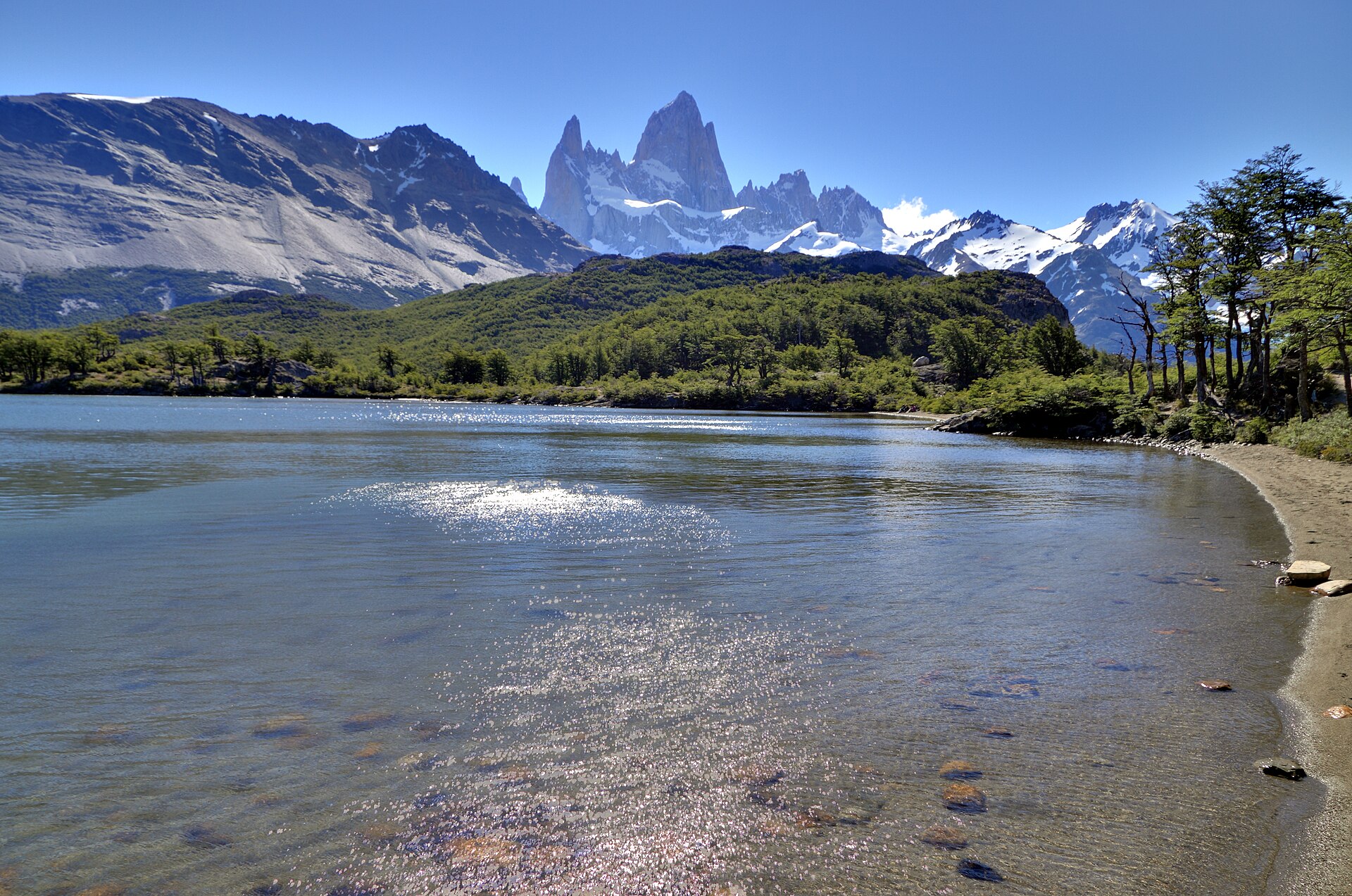
Argentina is 2,780,400 km², the eighth-largest country on earth, and the practical consequence is that its regions do not substitute for one another. Twenty-three provinces and one autonomous city take in subtropical forest and the Iguazú falls in the northeast, the flat cattle country of the Pampas around Buenos Aires, the Andean front of Cuyo where Aconcagua reaches 6,960 m, and then Patagonia, where the glaciers are and where the ground falls to 105 m below sea level at Laguna del Carbón. Choosing a city here is mostly a question of latitude and season.
Every city catalogued in this country so far, ranked by how much there is to see.
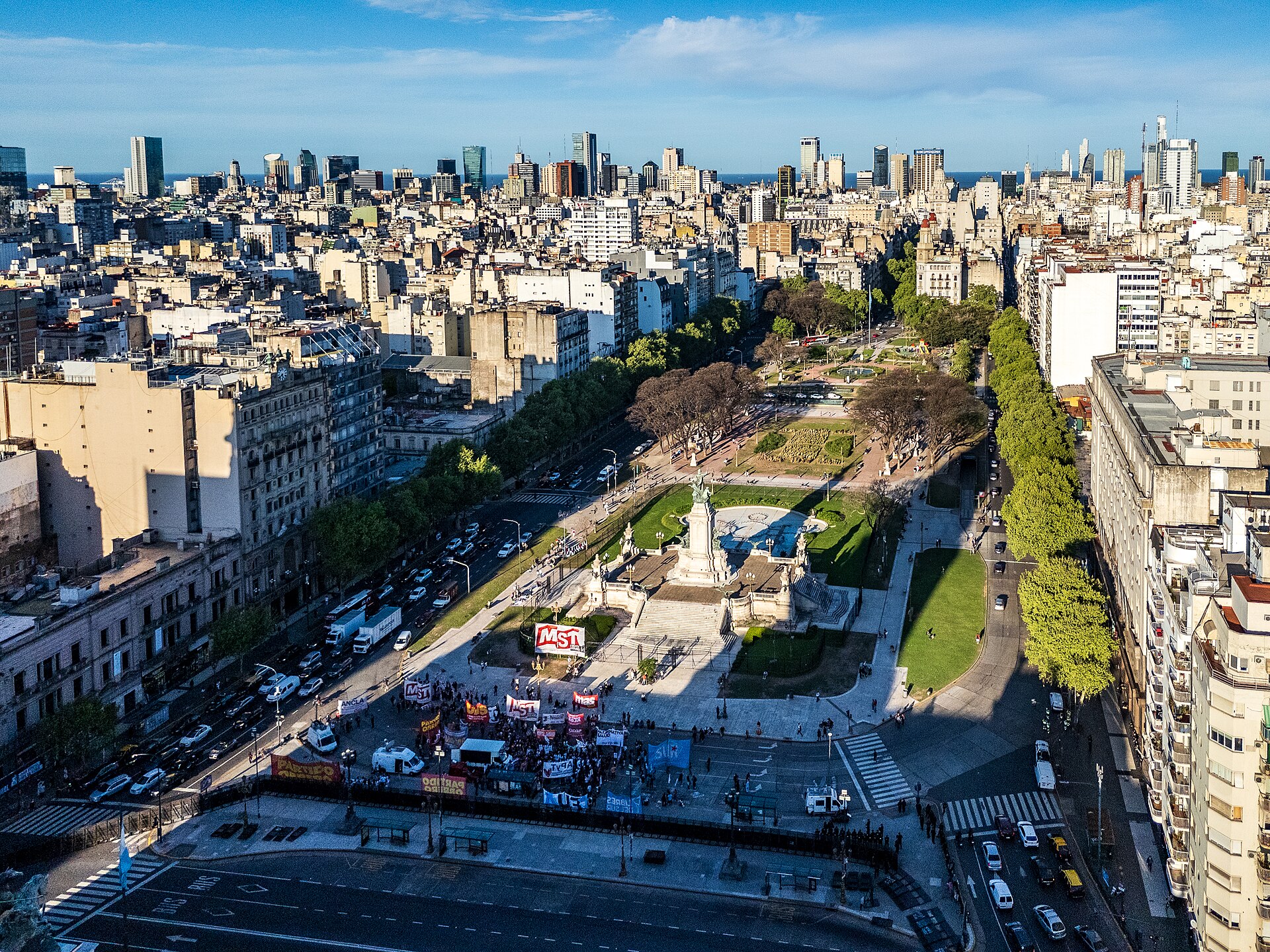
Photograph · ProtoplasmaKid · CC BY-SA 4.0
Ranked by importance — sitelinks, pageviews and heritage status, not editor preference.
100 places match
Category
Typical visit duration
El Zanjón de Granados is a historic underground site in Buenos Aires, revealing layers of the city's architectural past beneath the San Telmo neighborhood.
Buque Museo Corbeta A.R.A. Uruguay
Buque Museo Fragata A.R.A. 'Presidente Sarmiento'
Colección de Arte 'Amalia Lacroze de Fortabat'
Museo Histórico y Numismático del Banco de la Nación Argentina
Museo del Banco Central
Instituto Sanmartiniano
Museo Etnográfico Juan Bautista Ambrosetti
Museo del antiguo recinto del Congreso Nacional
Museo Fotográfico Simik
Museo de la Cárcova
Museo de Arte Contemporáneo de Buenos Aires
Museo de la Deuda Externa
Museo Casa de Yrurtia
Museo de Arte Hispanoamericano
Museo de artes plásticas 'Eduardo Sívori'
Casa Nacional del Bicentenario
Museo Histórico de Buenos Aires Cornelio de Saavedra
Museo del Holocausto
Archivo y Museo del Banco de la Provincia de Buenos Aires
Museo Penitenciario Argentino 'Antonio Ballvé'
Museo Argentino del Títere
Museo de la Emigración Gallega en la Argentina
Museo de Arquitectura y Diseño
Museo Nacional del Hombre
Museo Nacional de Arte Oriental
Museo de la Pasión Boquense
Museo Nacional Ferroviario
Museo Casa de Ricardo Rojas
Museo de la Mujer
Museo de la Ciudad
Museo de Informática
Museo Roca
Museo Ana Frank
Museo de la Historia del Traje
Museo Histórico del Regimiento Granaderos a Caballo 'General San Martín'
Museo Histórico de Cera
Museo Nacional del Grabado
Instituto Nacional de Estudios De Teatro
Museo Judío de Buenos Aires
Museo de Farmacobotánica
Museo de la Facultad de Odontología
Museo de Marcapasos y Precursores de la Medicina Moderna
Museo Parlamentario
Museo Policial
Museo Tecnológico 'Ing. Eduardo Latzina'
Casa Histórica 'Isaac Fernández Blanco'
Museo de la anestesia y biblioteca histórica de la AAARBA
Museo Histórico Vecinal de Flores
Museo de Odontología
Museo Dr. Genaro Giacobini
Museo Etnográfico de las Obras Misionales Pontificias
Museo Barrio de Flores
Museo Forense
Museo Profesor Miguel Ángel Fernández
Museo Geográfico 'Dr. Juan B. Terán' y Museo de Ciencias Naturales 'Ángel Gallardo'
Museo Iser
Claustros históricos Basílica del Pilar
Museo Histórico de la Honorable Cámara de Diputados
Museo Houssay de Historia de la Ciencia y la Tecnología
Museo Itinerante de Arte Contemporáneo del Mercosur
Museo Kosice
Museo Magda-Frank
Source: OpenStreetMap contributors, Wikidata ·
A 10–16 day Argentina trip can give Buenos Aires four or five days and use the remaining time for one distant region. Patagonia, the northwest and the Iguazú area should be treated as separate journeys because their transfers consume full travel days.
Argentina’s Dirección Nacional de Migraciones is the authority for admission rules. Passport, visa and permitted-stay conditions vary by nationality and purpose, so verify the current requirement there before purchasing non-refundable travel.
Buenos Aires uses Aeroparque and Ezeiza for different route mixes, while domestic flights and long-distance coaches carry most interregional journeys. Passenger rail serves limited corridors, and each city sets its own local transport payment rules.
March to May and September to November are useful broad windows for Buenos Aires and several central routes. Patagonia, Iguazú and the Andean northwest follow different weather patterns, so choose dates around the region that anchors the trip.
Argentina uses the Argentine peso (ARS). Exchange rates and payment conditions are not recorded here; confirm the amount at a bank or authorised exchange counter before accepting a conversion.
Police assistance is generally reached on 911, although local emergency numbers vary. Argentina uses Type C and I plugs at 220 V; nationwide tap-water guidance is Not recorded, so ask the local water authority or accommodation.