


40 min walk
Museum of Jurassic Technology
- Must see
- Museum
Language · 1 published
Museum · Los Angeles
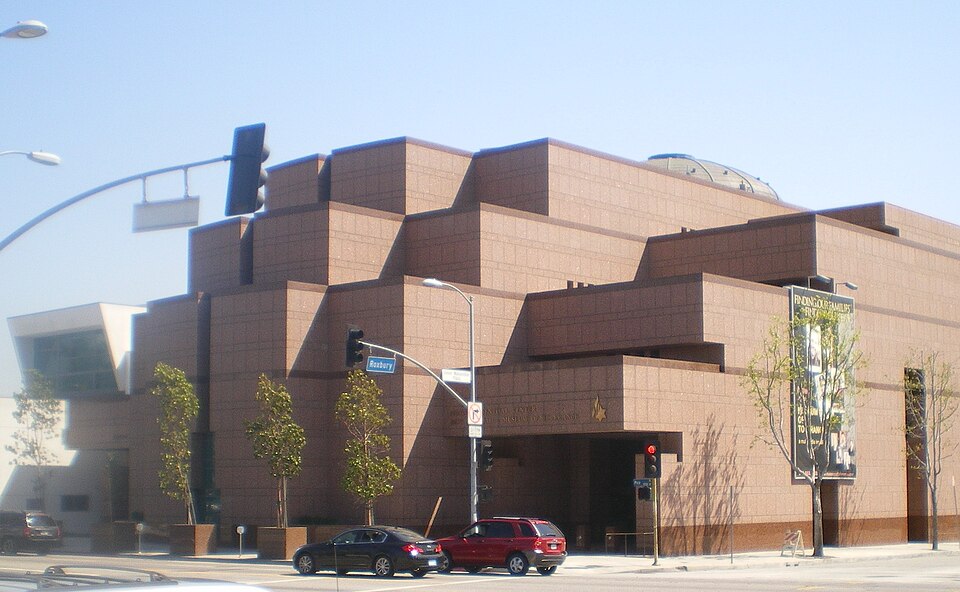
The Museum of Tolerance is a Holocaust and human-rights museum located in Los Angeles, California. It focuses on the history of the Holocaust and examines contemporary issues of prejudice and discrimination worldwide. The museum serves as both an educational institution and a memorial, aiming to promote understanding and respect among diverse communities. It features multimedia exhibits, interactive displays, and historical artifacts. The institution holds national educational significance in the United States for its approach to teaching tolerance and social justice through historical examination.
Checked 2026-08-26
The museum contains exhibits dedicated to the Holocaust, including historical documentation, survivor testimonies, and educational displays. Interactive elements allow visitors to engage with material about discrimination, hate crimes, and human rights. The institution addresses multiple forms of intolerance beyond antisemitism, examining racism and other prejudices. Special exhibitions rotate periodically. The museum incorporates technology-driven presentations and personal narrative accounts. Educational programming extends to school groups and professional development. The exact current exhibition roster and specific artifact inventory are Not recorded pending review of official sources.
Checked 2026-08-26
Visitor duration varies substantially based on individual engagement with interactive components and multimedia presentations. A thorough visit typically requires several hours to experience the core Holocaust exhibition and additional human-rights sections. School groups and organized tours may follow structured timelines. Self-guided visitors control their own pace through exhibit spaces. The extensive content warrants careful consideration rather than hurried examination. Visitors should allocate sufficient time for reflective engagement with difficult historical material. No specific recommended duration is officially established in available sources. Personal preparedness for emotionally challenging content affects visit length.
Checked 2026-08-26
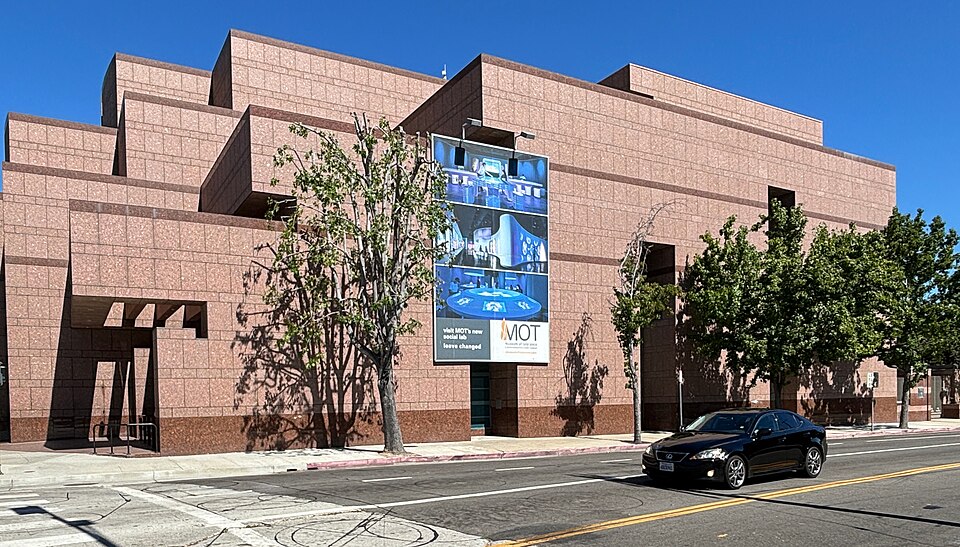
The Museum of Tolerance operates as a scheduled destination requiring advance planning. Operator-confirmed hours are Not recorded pending review. Visitors must consult the museum's official communication channels for current opening schedules, special closures, and holiday modifications. Peak visitation likely coincides with school group schedules and weekend family attendance. Weekday mornings may offer quieter conditions for contemplative engagement with sensitive material. Seasonal variations in Los Angeles tourism could affect crowd levels. Advance reservation requirements, if any, should be verified directly. The institution's educational mission suggests programming alignment with academic calendars.
Checked 2026-08-26
Admission policies and pricing structures for the Museum of Tolerance are Not recorded pending review of operator-confirmed information. Potential visitors must verify current ticket availability, pricing tiers, and any applicable discounts through official museum channels directly. Educational institutions and organized groups may have separate arrangement protocols. Membership options, if offered, require direct confirmation. Online advance purchase possibilities should be investigated. Special exhibition surcharges may apply to base admission. The museum's nonprofit educational status may influence pricing philosophy. Verification of accepted payment methods and identification requirements is advisable before visiting.
Checked 2026-08-26
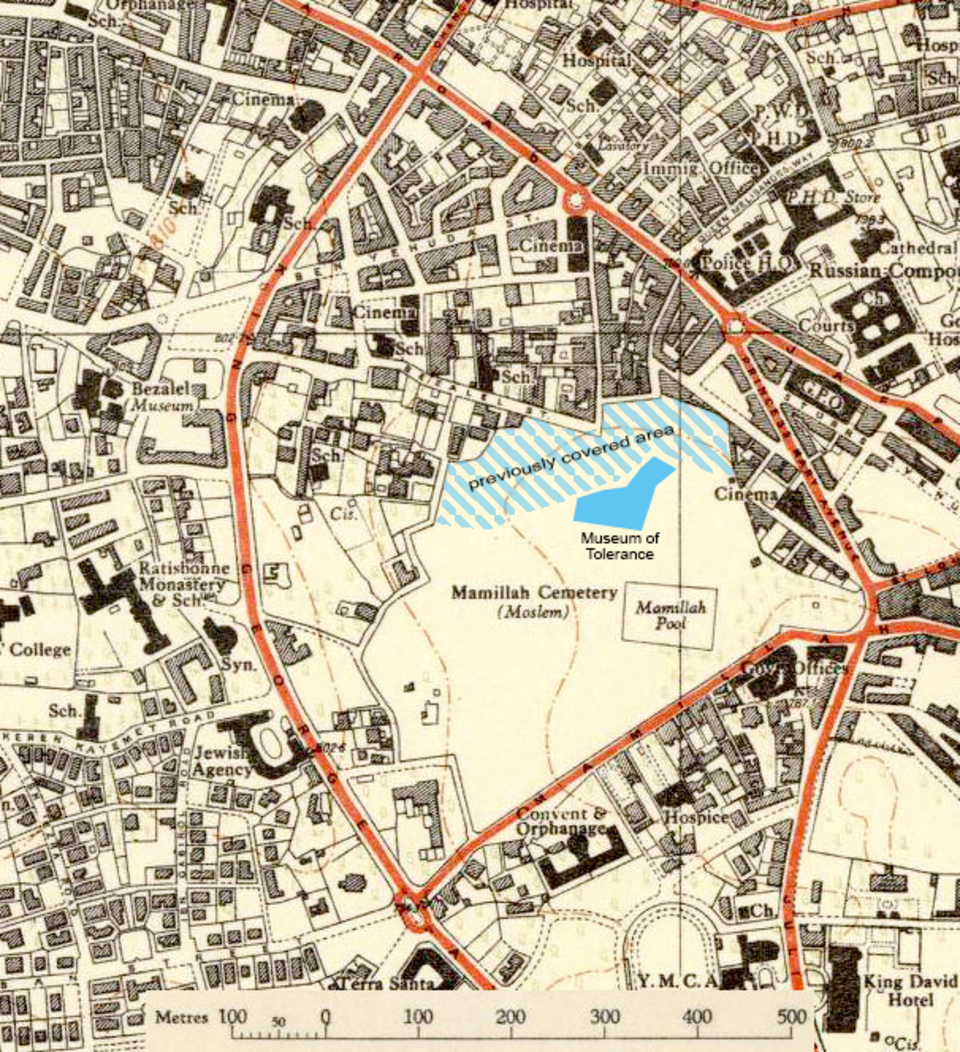
The Museum of Tolerance is situated in the Pico-Robertson neighborhood of Los Angeles. Visitors may reach the site via personal vehicle, with parking availability requiring direct verification. Public transit access is possible through Los Angeles Metro bus services, with specific routes requiring current schedule consultation. Rideshare services operate throughout Los Angeles and serve this destination. The museum's specific street address and cross-street location should be confirmed for navigation purposes. Traffic conditions in Los Angeles vary significantly by time of day. Bicycle accessibility and pedestrian approaches depend on individual origin points and comfort with urban navigation.
Checked 2026-08-26
The museum presents emotionally intense material regarding genocide, violence, and human cruelty that may disturb sensitive visitors. Parental guidance is essential for children; age-appropriateness of content should be evaluated carefully. Some interactive exhibits simulate decision-making scenarios under oppression that may provoke strong reactions. The Holocaust section contains graphic historical documentation. Visitors with personal or family connections to genocide should prepare accordingly. Physical accessibility features should be verified directly. Security screening may occur at entry. Photography restrictions apply in certain areas. Visitor conduct expectations maintain respectful atmosphere given memorial aspects of the institution.
Checked 2026-08-26
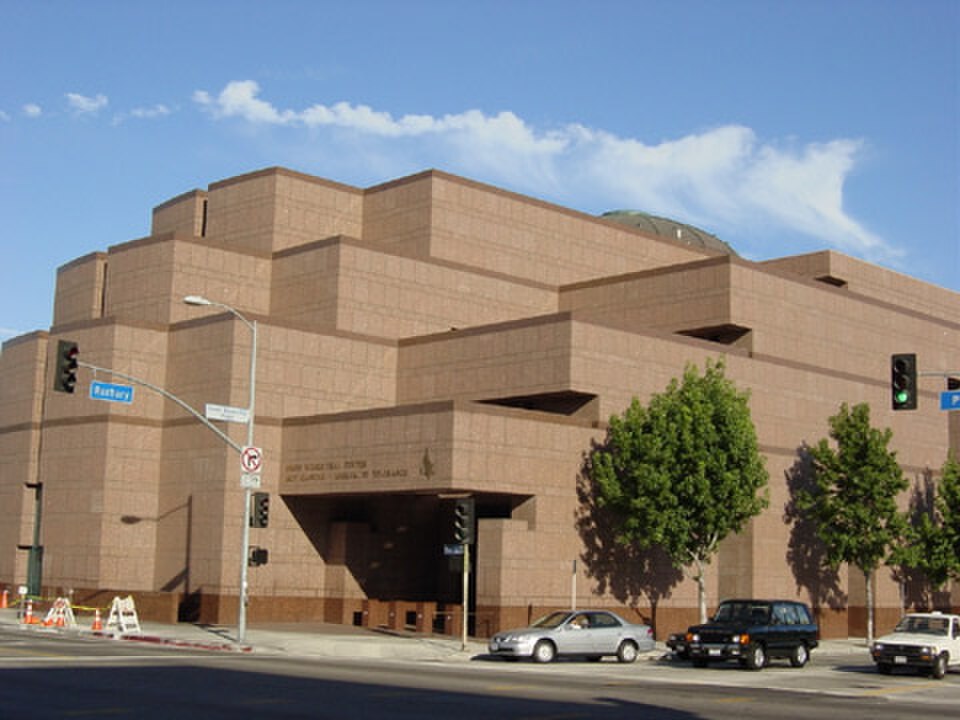
Photography policies at the Museum of Tolerance are Not recorded pending review of official regulations. Visitors should assume restrictions may apply in exhibition spaces, particularly where survivor testimonies or sensitive historical materials are displayed. Flash photography likely prohibited to preserve artifacts and maintain atmosphere. Video recording may face additional limitations. Designated photography-permitted areas, if any, require direct confirmation. Social media sharing policies should be verified. Respect for the institution's memorial function suggests conservative approach to image capture regardless of technical permissions. Staff instructions regarding photography must be followed without exception throughout all museum spaces.
Checked 2026-08-26
The museum addresses the Holocaust and human rights violations through intense historical material. Parental discretion is strongly advised. Some exhibits contain graphic content about genocide and discrimination. Age recommendations should be verified directly with the museum. Interactive elements exist but emotional preparedness varies by child. Adult guidance is essential throughout.
No. While the Holocaust receives substantial focus, the museum examines multiple forms of intolerance and discrimination globally. Contemporary human rights issues, prejudice, and social justice themes extend beyond this single historical event. The institution applies historical lessons to present-day concerns through its programming and exhibitions.
Tour availability and scheduling are Not recorded pending review of current operator offerings. Educational programming for school groups is part of the museum's mission. Self-guided exploration is possible. Visitors should contact the museum directly to inquire about docent-led tours, audio guides, or special group arrangements.
On-site amenities including retail and food service are Not recorded pending review. Visitors should verify available facilities before arrival. The surrounding Pico-Robertson neighborhood contains various commercial establishments. Planning for meal timing and souvenir interests accordingly is recommended based on confirmed amenities.
Specific accessibility features, accommodations, and services are Not recorded pending review of official information. Visitors requiring particular accommodations should contact the museum directly in advance. Standard accessibility inquiries should address mobility, sensory, and cognitive needs. Verification of available assistive technologies and physical access is essential.
The museum incorporates special exhibitions that rotate periodically beyond permanent installations. Specific current and upcoming temporary exhibitions are Not recorded pending review of official programming announcements. Visitors should consult the museum's communications for exhibition schedules. Educational programming may accompany temporary displays.
Loading the interactive map…
The interactive map could not be loaded.
Last updated:
Source: OpenStreetMap contributors, Wikidata ·