
.jpg)

27 min walk
Griffith Observatory
- Must see · Heritage site
- Museum
Language · 1 published
Museum · Los Angeles
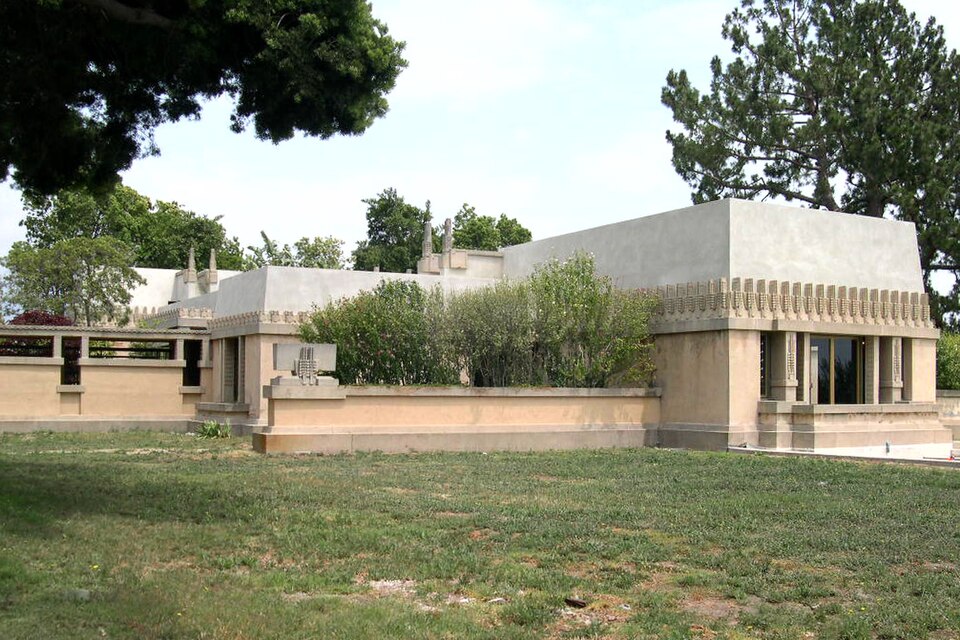
Hollyhock House is a historic residence in Los Angeles designed by architect Frank Lloyd Wright. Built between 1919 and 1921, it represents Wright's first Los Angeles commission. The house is named for the stylized hollyhock flower motifs incorporated throughout its design. It stands as a significant example of California Romanza architecture, blending indoor and outdoor spaces with distinctive horizontal lines and textile block construction. The property is recognized as a UNESCO World Heritage Site as part of The 20th-Century Architecture of Frank Lloyd Wright serial nomination.
Checked 2026-08-26
The house features Wright's characteristic open floor plans, dramatic fireplaces, and art glass windows with hollyhock patterns. Interior spaces include living areas, bedrooms, and service quarters arranged around a central courtyard. The rooftop terraces offer outdoor living spaces with views toward the Hollywood Hills. Original built-in furniture and decorative elements remain integral to the structure. The textile block system creates patterned concrete walls throughout. Water features and gardens were designed as extensions of the architectural composition, though their current condition reflects ongoing preservation efforts rather than original completeness.
Checked 2026-08-26
Visitors typically allocate approximately one hour for a self-guided tour of Hollyhock House. This duration allows adequate time to explore the ground floor rooms, central courtyard, and exterior terraces at a measured pace. Photography and observation of architectural details may extend individual visits. The compact scale of the house permits thorough examination without excessive time commitment. Those with strong interest in Wright's work or architectural history may wish to spend additional time studying specific features. Combination visits with nearby Barnsdall Park attractions can extend the overall excursion to several hours.
Checked 2026-08-26
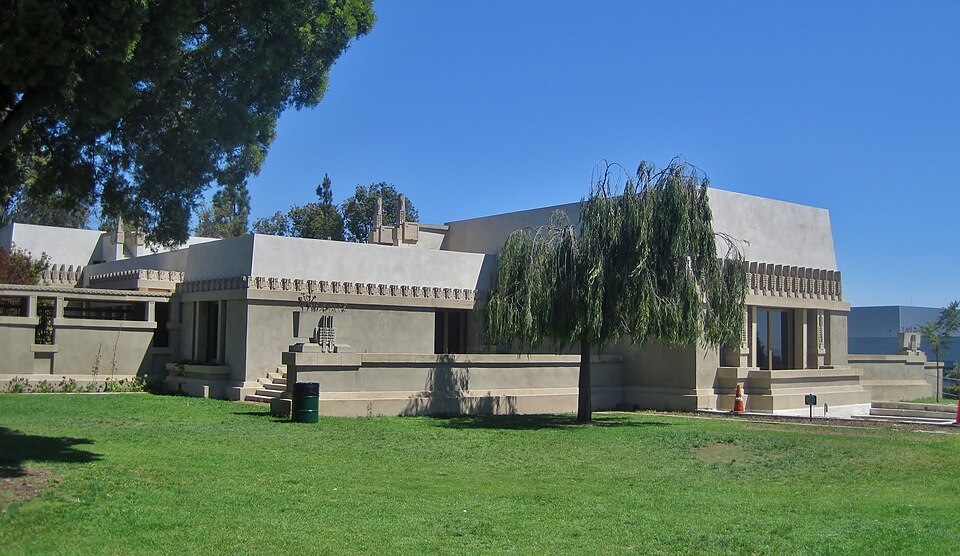
Operator-confirmed hours are Not recorded pending review. Visitors should consult official sources before planning their trip. Los Angeles generally experiences mild, dry weather year-round, though summer months can bring intense heat that affects outdoor terrace exploration. Morning visits may offer cooler temperatures and softer light for appreciating interior spaces and art glass. Weekends typically draw larger crowds than weekdays. Holiday periods and special events may affect accessibility. Advance planning remains advisable given the landmark's protected status and limited capacity inherent to historic house museums. Seasonal variations in daylight hours influence exterior photography opportunities.
Checked 2026-08-26
Operator-confirmed prices are Not recorded pending review. Visitors should verify current admission fees through official channels before arrival. Historic house museums of this significance typically implement timed-entry systems to manage capacity and protect fragile interiors. Some categories of visitors, such as students, seniors, or children, may qualify for reduced rates where applicable. Membership programs or combination tickets with related cultural institutions sometimes offer value for frequent visitors. Special exhibition periods or enhanced tour options may involve additional charges. Advance online purchase is commonly recommended for popular architectural landmarks to guarantee preferred entry times.
Checked 2026-08-26
Hollyhock House is located within Barnsdall Park in the East Hollywood neighborhood of Los Angeles. The park sits atop Olive Hill, accessible by automobile with parking available on site. Public transit options include Metro bus lines serving nearby Vermont Avenue and Hollywood Boulevard corridors. The Metro Red Line Vermont/Sunset station provides rail access within reasonable walking distance, though the hilltop location requires uphill pedestrian approach. Rideshare services offer alternative access. Visitors should note that the park's elevated position provides limited direct street-level access from all directions. Signage within Barnsdall Park directs visitors to the house location.
Checked 2026-08-26
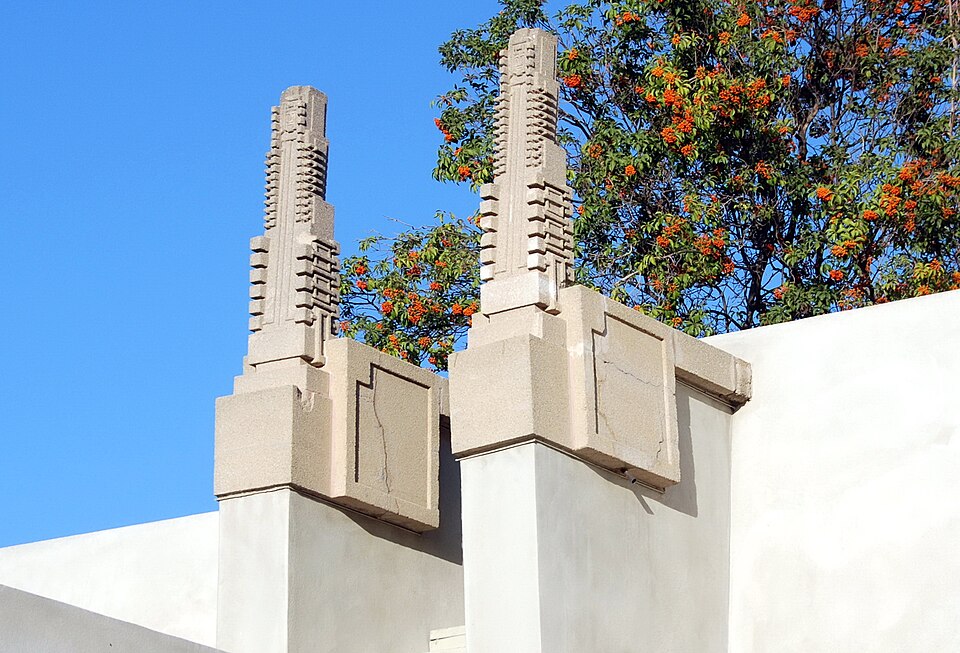
The historic structure contains original features vulnerable to visitor contact; touching walls, art glass, or furnishings is typically prohibited. Low doorways and level changes throughout the house require attention to avoid injury. Rooftop terraces lack permanent railings in some areas consistent with original design, demanding caution particularly for children. The textile block surfaces are rough and abrasive. Exterior walkways may become slippery when wet. Limited accessibility accommodations reflect the building's 1921 construction; stairs are integral to the experience. Photography restrictions may apply to interior spaces. Food and beverages are generally excluded from historic interiors. Bag size limitations may be enforced.
Checked 2026-08-26
Exterior photography of Hollyhock House is generally permitted for personal use, capturing the distinctive silhouette, textile block patterns, and garden courtyards. Interior photography policies vary and should be confirmed on site; flash photography is commonly restricted to protect sensitive materials and maintain atmosphere for other visitors. Tripods and professional equipment may require advance arrangement. The interplay of light through art glass windows creates distinctive photographic opportunities during morning and late afternoon hours. Rooftop terraces offer contextual views of the surrounding cityscape. Commercial or publication use of images requires separate permission from the administering authority. Respect for other visitors should guide all photographic activity.
Checked 2026-08-26
Hollyhock House has operated as a public museum, though current operational status should be verified through official sources before visiting.
Oil heiress Aline Barnsdall commissioned Frank Lloyd Wright to design the house as part of a larger arts colony vision for Olive Hill.
The name derives from the hollyhock flower, which Aline Barnsdall favored and which Wright abstracted into geometric motifs throughout the design.
The house contains significant original built-in elements, though furnishing completeness has varied throughout its history due to multiple ownership changes and restoration phases.
Rooftop terraces are typically included in tours, offering distinctive outdoor spaces that Wright designed as integral living areas, though access may be weather-dependent or restricted during preservation work.
It represents Wright's first Los Angeles project, introducing his textile block system and California Romanza style, and is recognized internationally as part of his UNESCO World Heritage contribution.
Loading the interactive map…
The interactive map could not be loaded.
Last updated:
Source: OpenStreetMap contributors, Wikidata ·