_(20445046196).jpg)
_(20283106670).jpg)
_(20462623442).jpg)
2 min walk
Submarine Memorial
- High
- Historic monument
Language · 1 published
Nature site · Honolulu
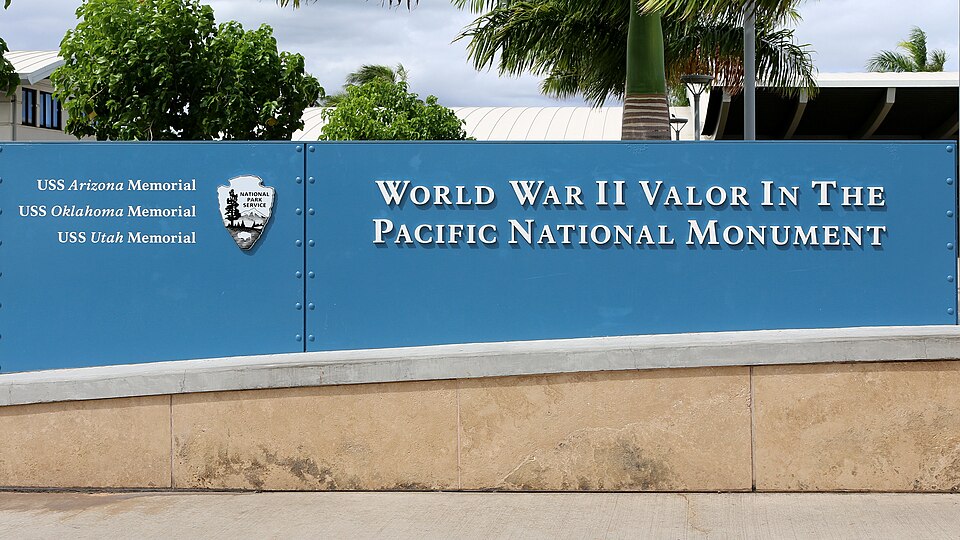
The Pearl Harbor Visitor Center serves as the National Park Service gateway to Pearl Harbor National Memorial in Honolulu, Hawaii. It functions as the primary entry point for visitors seeking to explore the historic site commemorating the December 7, 1941 attack. The center provides orientation, educational resources, and access to memorials and exhibits within the harbor area. As a free facility operated by the National Park Service, it welcomes the public to learn about this pivotal moment in American and world history through its interpretive programming.
Checked 2026-08-26
The visitor center contains museum exhibits and a theatre for viewing documentary films about Pearl Harbor. These interior spaces present historical artifacts, photographs, and audiovisual materials related to the attack and its aftermath. The exhibits aim to contextualize the events of December 7, 1941 for contemporary audiences. The theatre provides a structured viewing experience as part of the educational mission. Additional interpretive elements throughout the center support visitor understanding of the memorial's significance. The specific scope of current displays reflects National Park Service curation priorities.
Checked 2026-08-26
Visitor duration at the Pearl Harbor Visitor Center varies considerably based on individual interest and planned activities. A basic orientation through the center's exhibits and theatre typically requires at least one to two hours. Those proceeding to additional memorial sites, such as the USS Arizona Memorial, should allocate substantially more time for the complete experience. Security screening and transportation to harbor memorials add to overall visit length. Visitors with deep historical interest may spend extended periods examining exhibits in detail. Planning for a half-day commitment allows adequate engagement with available programming.
Checked 2026-08-26

Operator-confirmed hours are Not recorded pending review. Visitors should consult official National Park Service communications for current operating schedules before planning their trip. Seasonal variations in Hawaiian weather remain relatively mild, though afternoon rain showers occur periodically. Morning arrivals typically offer calmer conditions and reduced crowding compared to midday peaks. The memorial holds particular significance on December 7, with anniversary observances drawing substantial attendance. Advance planning remains advisable regardless of intended visit date, as demand for access to associated memorials frequently exceeds daily capacity.
Checked 2026-08-26
Operator-confirmed prices are Not recorded pending review. The National Park Service operates the Pearl Harbor Visitor Center as a free facility. However, certain associated programs and memorial access may involve reservation systems or fees managed through official channels. Visitors should verify current ticketing procedures directly with the National Park Service or authorized representatives. Third-party vendors may offer services surrounding official access, but primary ticketing information requires confirmation from operator sources. Any changes to fee structures or reservation requirements would be announced through official National Park Service platforms.
Checked 2026-08-26
The Pearl Harbor Visitor Center occupies a location on Oahu's southern coast, west of downtown Honolulu. Ground transportation options include personal vehicle, taxi, rideshare services, and public transit. Parking availability exists on-site though demand can exceed supply during peak visitation periods. TheBus, Honolulu's public transit system, serves the area with stops requiring walking distance to the entrance. Visitors should anticipate security screening upon arrival, which affects entry timing. Route planning should account for Honolulu's traffic patterns, particularly during morning and afternoon rush periods affecting travel duration from Waikiki and other accommodation areas.
Checked 2026-08-26

Visitors must observe security protocols including bag restrictions; purses, backpacks, and similar items are generally prohibited with limited exceptions. Storage facilities may be available for a fee. The memorial environment demands respectful conduct appropriate to a site of significant loss of life. Sun exposure in the open-air portions of the facility requires adequate protection. Hydration remains important in Hawaii's tropical climate. Crowding can impede movement and access to popular features. Advance reservations for associated memorial programs are frequently essential and may have specific check-in requirements. Visitor preparedness supports both personal comfort and site preservation.
Checked 2026-08-26
Photography for personal use is generally permitted within the Pearl Harbor Visitor Center, though specific restrictions may apply in certain exhibit spaces or during theatre presentations. The harbor setting offers significant photographic opportunities of memorial structures and water features. Visitors should remain attentive to signage indicating prohibited areas for image capture. Respectful photography practices are expected throughout, particularly at sites of commemoration. Commercial or professional photography may require advance authorization from the National Park Service. Drone operation is prohibited within National Park Service managed areas. Equipment security remains the individual visitor's responsibility in the bag-restricted environment.
Checked 2026-08-26
The National Park Service operates the visitor center as a free facility. Associated programs may have separate arrangements requiring verification with official sources.
The visitor center itself does not require reservations, though associated memorial access frequently does. Current procedures should be confirmed through official National Park Service channels.
Bag restrictions apply, generally prohibiting purses, backpacks, and similar items. Limited exceptions may exist. Visitors should consult official guidance for current security protocols.
Transportation options include personal vehicle, taxi, rideshare, and public transit. TheBus serves the area. Parking demand may exceed supply during peak periods.
Specific policies regarding food and beverages should be confirmed through official National Park Service communications. General visitor preparedness for tropical conditions is advisable.
The National Park Service generally provides accessibility accommodations, though specific facility features should be verified through official sources prior to visiting.
Loading the interactive map…
The interactive map could not be loaded.
Last updated:
Source: OpenStreetMap contributors ·