
.jpg)
.jpg)


4 min walk
ʻIolani Palace
- Must see · Heritage site
- Museum
Language · 1 published
Place of worship · Honolulu
Kawaiaha'o Church
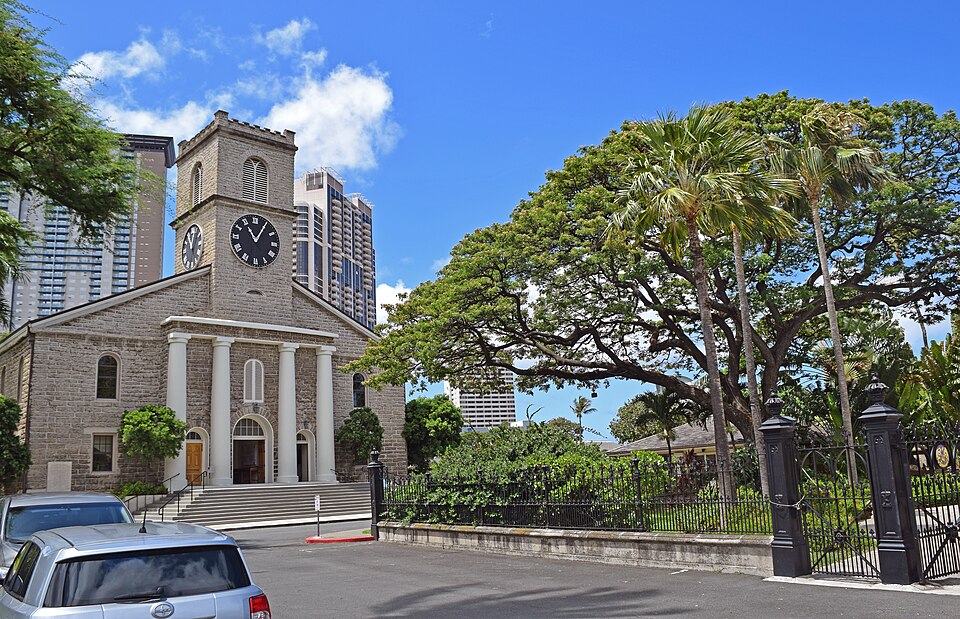
Kawaiahaʻo Church is a historic coral-block church in downtown Honolulu, Hawaii. Constructed in the nineteenth century, it served as the national church of the Hawaiian Kingdom and was central to the religious and political life of the monarchy. The church was built by thousands of worshippers who quarried coral reefs by hand. It stands as a significant landmark of Native Hawaiian history and Christian missionary influence in the islands. The building reflects both indigenous labor and Western architectural design adapted to local materials and conditions.
Checked 2026-08-26
The interior contains wooden pews, a raised pulpit, and memorial plaques honoring Hawaiian royalty and early missionaries. The church retains historical furnishings and decorations from the nineteenth century. Notable features include the pipe organ and the cemetery grounds where prominent figures are buried. The building's thick coral walls create a distinctive atmosphere. Visitors can observe the architectural details of the period, including the gallery level and the overall layout typical of New England meeting houses adapted for Hawaiian use. The site preserves tangible connections to the Hawaiian Kingdom era.
Checked 2026-08-26

A visit to Kawaiahaʻo Church typically requires thirty minutes to one hour for those wishing to appreciate the interior and exterior features. Visitors interested in reading historical plaques, examining architectural details, or walking through the adjacent cemetery grounds may spend additional time. The compact nature of the site means that a thorough but efficient visit is possible. Those with deep interest in Hawaiian religious history or nineteenth-century architecture might extend their stay. The surrounding downtown area contains other historical sites that visitors often combine with this stop.
Checked 2026-08-26

Operator-confirmed hours are Not recorded pending review. Visitors should verify current opening times before planning their trip. The church may still hold regular worship services, which could affect visitor access. Weekday mornings potentially offer quieter conditions for observation. Weather in Honolulu is generally favorable year-round, though midday heat can be intense. Visitors should consider that special events, funerals, or religious observances may restrict access unexpectedly. Advance confirmation through official channels is advisable to avoid disappointment, particularly for those traveling specifically to see this landmark.
Checked 2026-08-26
Operator-confirmed prices are Not recorded pending review. The church may operate with donation-based entry or no formal admission fee, but this cannot be confirmed from available sources. Visitors should carry cash in case donations are requested or suggested. No advance booking information is available. Group visits or special access arrangements would require direct inquiry. Visitors should not assume free entry without verification. Any photography permits or special fees for commercial use would need to be confirmed with church administration directly before visiting. Kawaiahao Church also earns time in a honolulu itinerary because Nineteenth-century coral-block church central to Hawaiian Kingdom history; no exact production Honolulu POI exists. Its value becomes clearer when the stop is compared with the surrounding streets and the other ranked places nearby.
Checked 2026-08-26
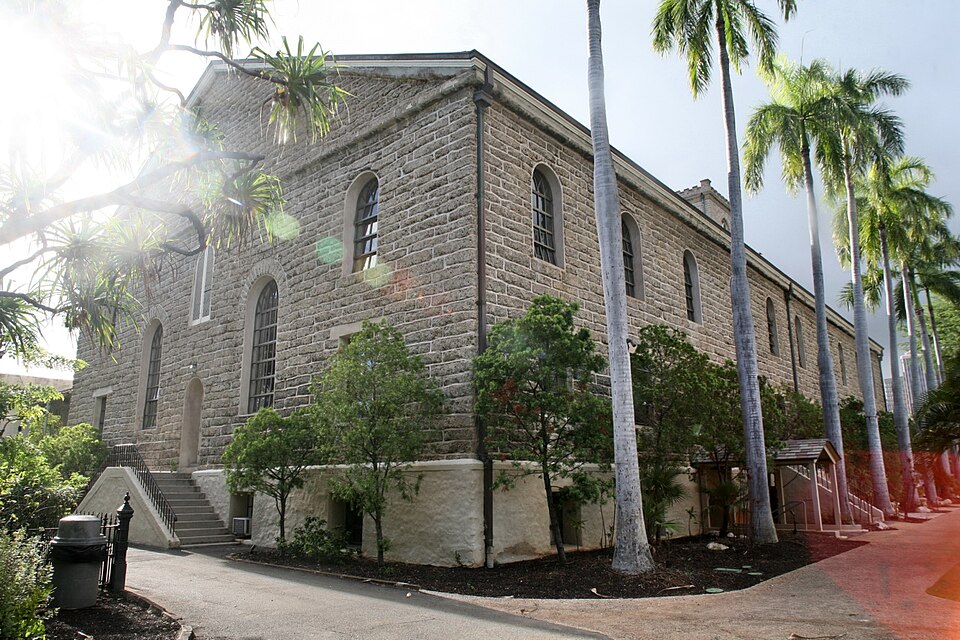
Kawaiahaʻo Church is located in downtown Honolulu near other historical landmarks. Public buses serve the downtown area with stops within walking distance. Street parking may be available but is limited in this urban setting. Paid parking lots operate nearby. The church is accessible on foot from the Hawaii State Capitol and Iolani Palace. Visitors staying in Waikiki can reach downtown by bus, taxi, or rideshare services. Bicycle parking is possible though not formally documented. The central location makes it feasible to include in a walking tour of historical Honolulu sites.
Checked 2026-08-26
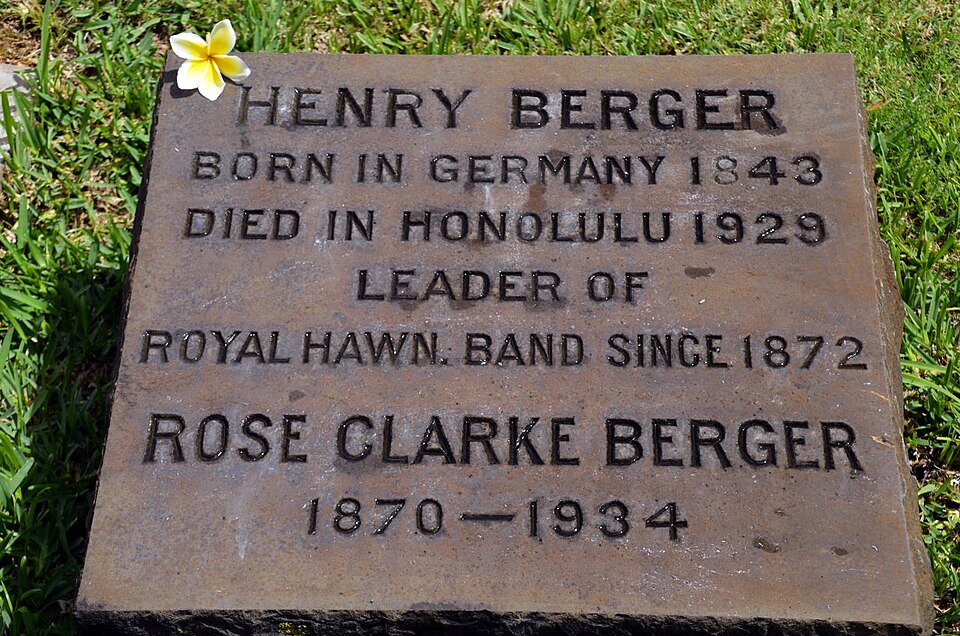
Visitors should respect the sacred nature of this active religious site and behave accordingly. Appropriate dress covering shoulders and knees is advisable. Photography restrictions may apply inside; visitors should observe posted signs or ask permission. The cemetery grounds require respectful conduct. Coral-block construction means uneven surfaces and steps that may challenge those with mobility limitations. Direct sunlight on light-colored walls creates glare. No food or drink should be consumed inside. Visitors should remain quiet during any services or ceremonies in progress. Personal belongings should be secured in this urban location.
Checked 2026-08-26
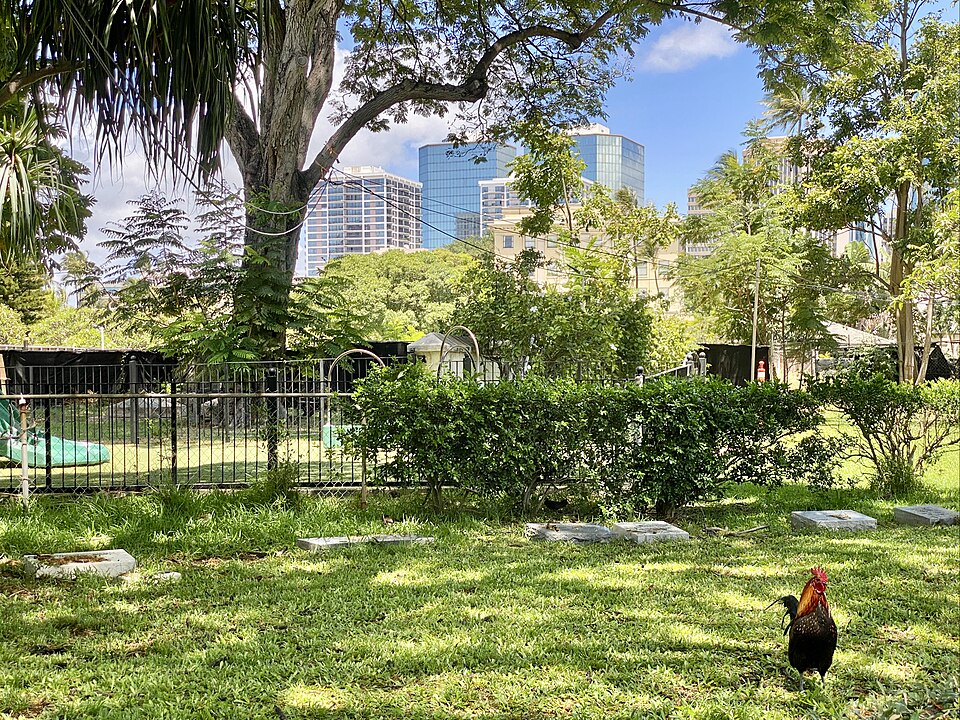
Photography conditions vary between interior and exterior spaces. The thick coral walls create subdued interior light, potentially requiring camera adjustment. Exterior photography benefits from morning or late afternoon angles to avoid harsh shadows on the facade. The church grounds and cemetery offer contextual shots. Tripod use inside likely requires permission. Visitors should verify whether flash photography is permitted. The white coral exterior presents exposure challenges in bright Hawaiian sunlight. Respectful distance should be maintained from any worshippers or ceremonies. Commercial photography would require advance authorization from church officials.
Checked 2026-08-26
Yes, the church continues as an active congregation, which means visitor access may be restricted during services and religious events.
The cemetery contains burials of prominent historical figures; visitors may access the grounds but must maintain respectful conduct at all times.
Not recorded pending review; visitors should contact the church directly to inquire about any scheduled tours or educational programs.
The historic coral-block construction with steps and uneven surfaces may present challenges; specific accessibility accommodations are Not recorded pending review.
Both are central Hawaiian Kingdom landmarks in downtown Honolulu; the church served the royal family's religious needs while the palace was their official residence.
Respectful attire covering shoulders and knees is advisable given the active religious function of this nineteenth-century coral-block church.
Loading the interactive map…
The interactive map could not be loaded.
Last updated:
Source: OpenStreetMap contributors, Wikidata ·