,_Honolulu,_Hawaii.JPG)

.jpg)
17 min walk
Central Seventh Day Adventist Church
- Notable
- Place of worship
Language · 1 published
Museum · Honolulu
Queen Emma Summer Palace
| Monday | Closed |
|---|---|
| Tuesday | Closed |
| Wednesday | 10:00 – 15:30 |
| Thursday | 10:00 – 15:30 |
| Friday | 10:00 – 15:30 |
| Saturday | 10:00 – 15:30 |
| Sunday | 10:00 – 15:30 |
Parsed from OpenStreetMap opening hours on 2026-08-26.
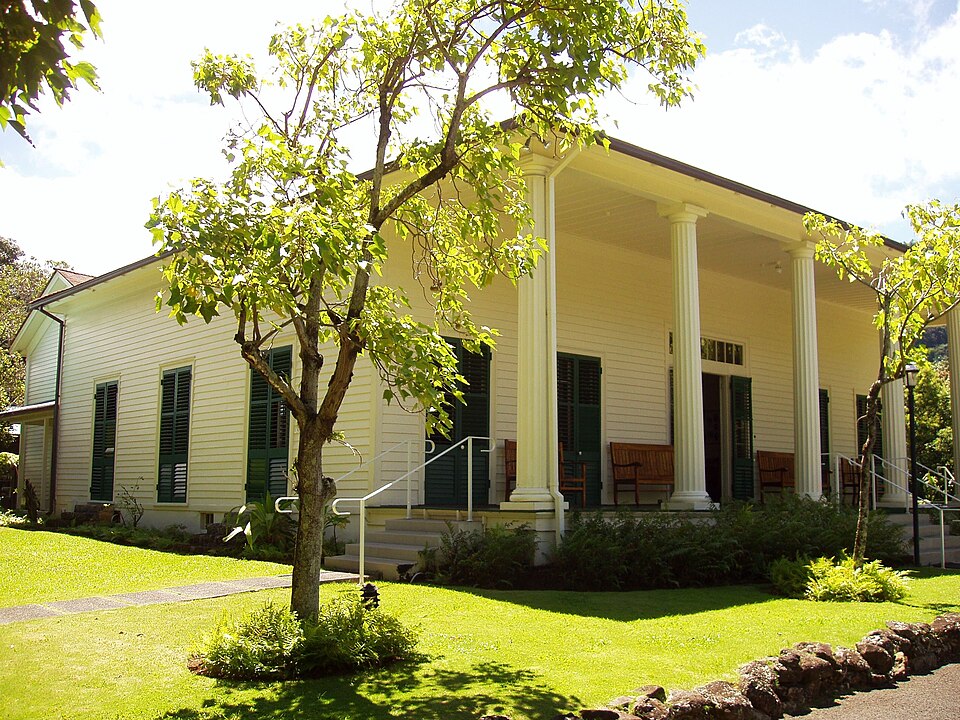
Queen Emma Summer Palace, known locally as Hānaiakamalama, stands in Nuʻuanu Valley as a historic residence with deep ties to Hawaiian royalty. The property served as a summer retreat for Queen Emma of Hawaiʻi, wife of King Kamehameha IV and mother of Prince Albert Edward Kauikeaouli. The Daughters of Hawaiʻi now steward the site as a museum preserving nineteenth-century Hawaiian history. The palace occupies a cooler upland setting distinct from Honolulu's coastal heat, reflecting the royal practice of seasonal relocation. Its Nuʻuanu Valley location places it near the historic Pali Highway route.
Checked 2026-08-26
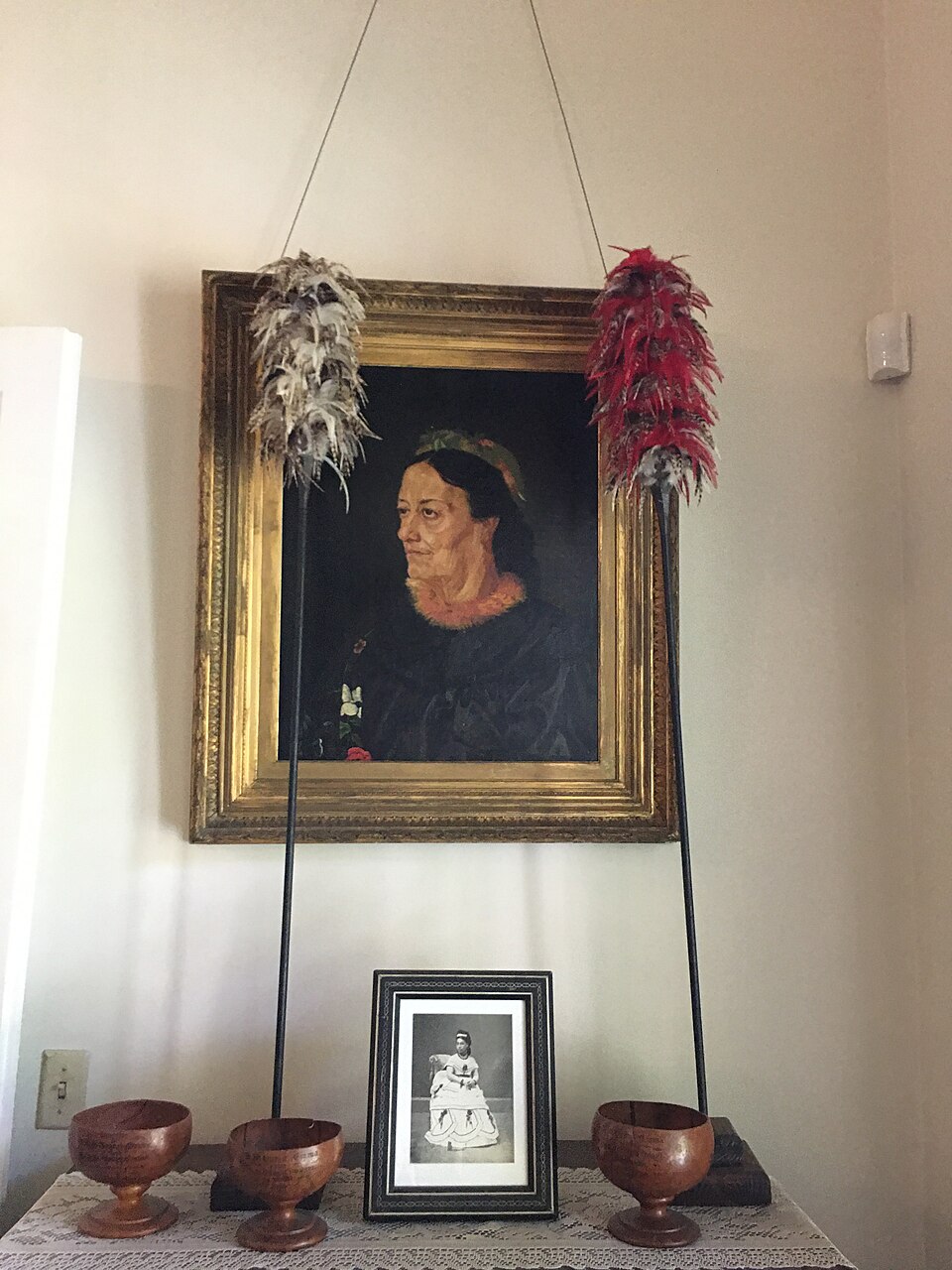
The palace interior contains royal artifacts, period furnishings, and personal effects associated with Queen Emma and her family. Collections include portraits, quilts, and objects reflecting Victorian-era Hawaiian court life. The Daughters of Hawaiʻi curate exhibitions interpreting the residence's domestic and ceremonial functions. Visitors encounter rooms arranged to suggest historical usage patterns. The site preserves architectural features of the mid-1800s construction period. Gardens and grounds surround the structure, though specific plantings and their historical accuracy remain Not recorded. The museum's interpretive approach emphasizes Queen Emma's role in healthcare and education initiatives during her lifetime.
Checked 2026-08-26
A complete visit to Hānaiakamalama typically requires between forty-five minutes and ninety minutes depending on individual pacing and interest depth. Self-guided exploration of the interior rooms proceeds at visitor discretion. Those examining artifacts closely or reading all interpretive materials will require additional time. The compact scale of the historic house limits overall duration compared to larger palace complexes. Groups with particular interest in Hawaiian royal history or textile collections may extend their stay. The surrounding grounds permit brief additional walking. Visitors should assess their own engagement preferences when scheduling this Nuʻuanu Valley stop within broader Honolulu itineraries.
Checked 2026-08-26
Operator-confirmed hours are Not recorded pending review. Visitors must consult the Daughters of Hawaiʻi website or contact the palace directly before planning arrival. Seasonal weather patterns in Nuʻuanu Valley differ from Waikiki conditions, with increased rainfall probability and cooler temperatures at this elevation. Morning visits may offer more stable conditions. The site's interior spaces likely provide shelter during brief showers. Holiday periods and Hawaiian cultural commemoration dates may affect accessibility or generate increased visitation. Advance verification prevents disappointment. The palace's upland location requires transportation planning independent of beach-area schedules common elsewhere in Honolulu tourist planning.
Checked 2026-08-26
Operator-confirmed prices are Not recorded pending review. The Daughters of Hawaiʻi, as a nonprofit heritage organization, likely maintains admission structures supporting preservation activities. Potential categories may include adult, senior, student, and child rates, though specific figures require direct confirmation. Membership programs or combined ticketing with other Daughters of Hawaiʻi properties such as Huliheʻe Palace on Hawaiʻi Island may exist. Group arrangements typically require advance reservation. Cash and card acceptance policies remain unverified. Visitors should budget conservatively and carry multiple payment forms. Donation opportunities beyond base admission probably support ongoing conservation of the palace collections and structure.
Checked 2026-08-26
Hānaiakamalama occupies Nuʻuanu Valley northeast of downtown Honolulu, accessible via the Pali Highway corridor. Public bus service connects central Honolulu to the Nuʻuanu area, though exact stops and walking distances require current transit schedule verification. Private vehicle access involves hillside roads with parking constraints typical of historic sites. Rideshare services operate in this area but may show variable availability. Cycling from downtown presents elevation challenges. The palace sits distinctly apart from Waikiki's dense tourist infrastructure, necessitating deliberate routing. Visitors staying in Koʻolau-facing accommodations have shorter access. Allow additional transit time compared to coastal destination expectations.
Checked 2026-08-26

Nuʻuanu Valley's climate demands adaptable clothing layers; conditions shift from coastal sunshine to misty coolness rapidly. Interior historic spaces typically prohibit food, beverages, and large bags. Flash photography restrictions likely protect light-sensitive artifacts, though specific policies require on-site confirmation. The structure's age implies uneven floors and narrow doorways challenging mobility devices. Exterior grounds may become slippery when wet. Limited on-site amenities necessitate advance preparation. Respectful conduct befits a site of cultural and royal significance. The Daughters of Hawaiʻi steward this as active heritage space rather than entertainment venue. Visitor volume remains moderate, reducing crowding concerns.
Checked 2026-08-26
Interior photography policies at Hānaiakamalama remain Not recorded pending direct operator confirmation. Historic house museums frequently restrict or prohibit interior imaging to protect artifacts and maintain atmosphere. Visitors should assume flash photography is unwelcome near textiles and painted surfaces. Exterior photography of the palace façade and grounds likely faces fewer constraints, though commercial or tripod use may require advance arrangement. Natural lighting conditions vary substantially between morning mist and afternoon clarity in Nuʻuanu Valley. The building's architectural details and garden setting offer composition possibilities. Respect for ongoing cultural use should guide all image-making decisions at this royal site.
Checked 2026-08-26
No. Hānaiakamalama is a smaller summer retreat in Nuʻuanu Valley, while ʻIolani Palace served as the official royal residence in downtown Honolulu. They represent different functions in Hawaiian royal life.
The Daughters of Hawaiʻi, a nonprofit heritage organization founded in 1903, stewards Hānaiakamalama as a museum preserving Hawaiian royal history and culture.
Walk-in policies are Not recorded pending review. Contact the Daughters of Hawaiʻi directly or consult their website before visiting to confirm current access procedures.
The structure's mid-1800s construction predates modern climate control. Its Nuʻuanu Valley location provided natural cooling, though interior comfort levels are Not recorded.
Tour formats and schedules are Not recorded pending operator confirmation. Self-guided exploration may be available, though specific offerings require direct verification.
Historic building features including age-related uneven floors and narrow doorways may present challenges. Specific accessibility accommodations are Not recorded pending direct inquiry to the operator.
Loading the interactive map…
The interactive map could not be loaded.
Last updated:
Source: OpenStreetMap contributors, Wikidata ·