


3 min walk · Şehzadeler
Muradiye Mosque
- Must see
- Place of worship
Language · 1 published
Place of worship · Şehzadeler, Manisa
Ulu Camii
| Per person | Free entry |
|---|
Checked 2026-08-24
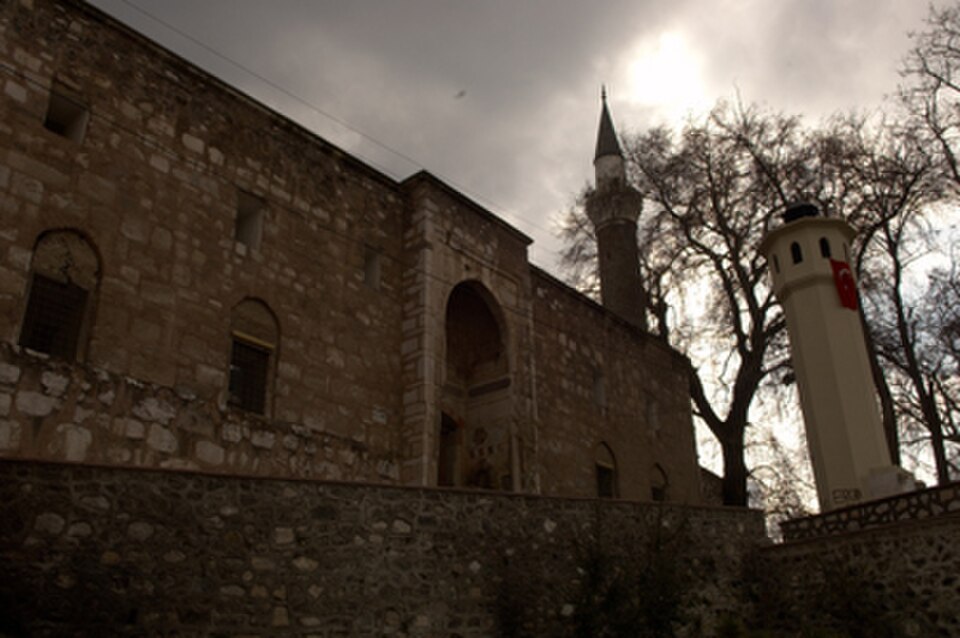
The Ulu Camii is the oldest important mosque in Manisa and the one that predates the Ottomans here. It was built in 1366 on the instruction of Muzafferüddin İshak Bey of the Saruhanoğulları — the beylik that ruled this valley before the Ottoman conquest — by the architect Emet bin Osman.
A madrasa was added beside it in 1378, twelve years later, making the site a small complex rather than a single building.
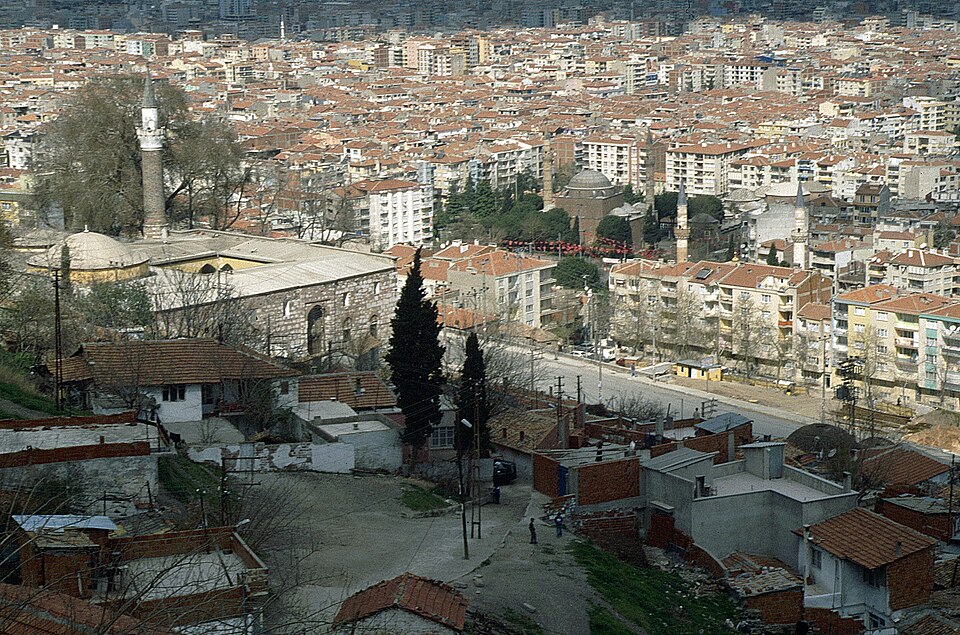
It stands in Şehzadeler, the historic half of Manisa on the lower slope of Mount Spil, and it is an active mosque again after a four-year structural restoration that removed later additions, checked the walls for cracks with ground-penetrating radar, and returned the mosque's original kündekari minbar and doors to the hall. It reopened for worship on 2 September 2022.
Checked 2026-08-24 · Source
Stone and brick, one minaret, and columns that are older than the mosque.
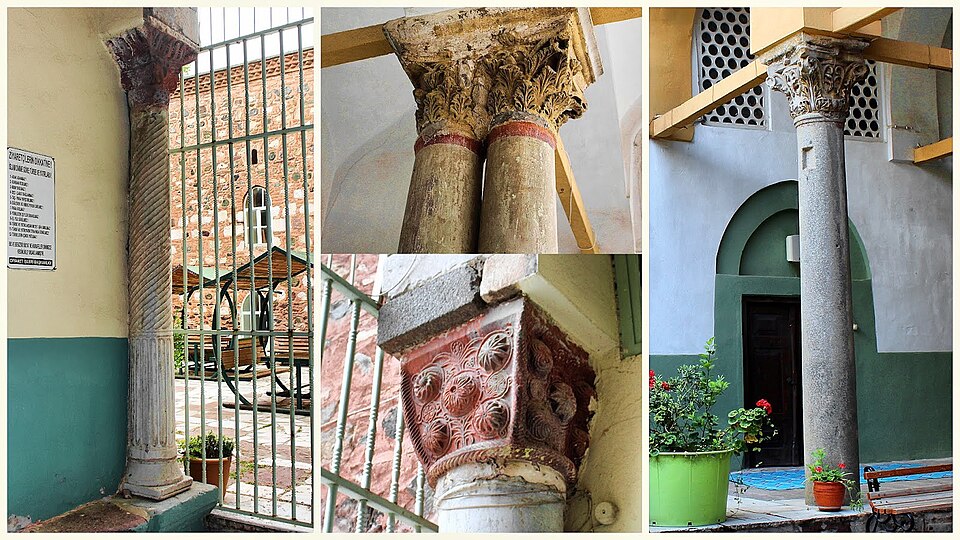
The builders used devşirme columns and capitals — pieces taken from earlier structures and reused for their appearance. That reuse is the single most interesting thing about the building: a fourteenth-century beylik mosque standing on classical and Byzantine spolia, in a valley that had held both.
The madrasa of 1378 sits beside it. The construction is masonry throughout, and the scheme is pre-Ottoman: this is not the domed geometry the Sultan Mosque and the Muradiye brought to Manisa a century and two centuries later.
Checked 2026-08-24 · Source
Half an hour, and it belongs in a walk rather than a trip of its own.
The mosque and its madrasa are a twenty-minute stop. What makes the visit worth making is the comparison: the Ulu Camii of 1366, the Sultan Mosque of 1522 and the Muradiye of 1583–86 stand within walking distance of each other and show two centuries of change in one afternoon.
The 2018–2022 restoration is finished, so nothing is screened or scaffolded now — the half-hour estimate holds for the whole building, minbar included.
Checked 2026-08-24 · Source
Mid-morning or mid-afternoon, outside prayer times, and not at noon on a Friday.
Spring and autumn suit Manisa and suit a walking route through Şehzadeler in particular; the slope has little shade and a summer afternoon on it is hard work.
The restoration that ran from 2018 to 2022 is complete, so there is no seasonal or building-access restriction left beyond the general one of avoiding the slope in the heat.
Checked 2026-08-24 · Source
There is no charge to enter — a working mosque in Turkey never charges admission, and the Ulu Camii is no exception.
No ticket desk and no guide service stand at the door. The 1378 madrasa beside it is not separately ticketed on the sources this page uses.
The one paid admission among the Ottoman-core sights is the Manisa Museum, inside the Muradiye complex a few hundred metres away.
Checked 2026-08-24
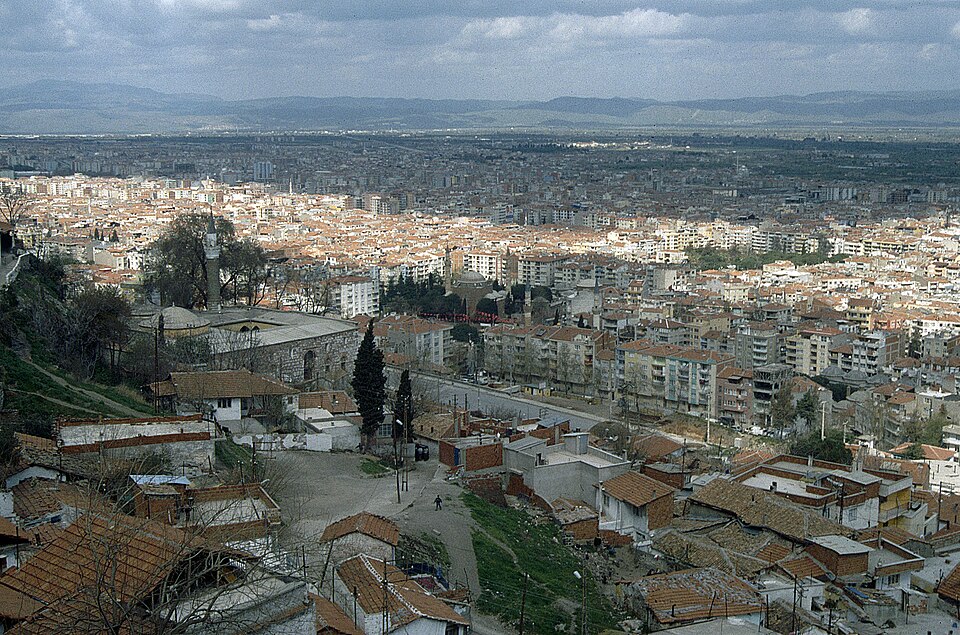
On foot, in Şehzadeler. The Ulu Camii sits on the lower slope of Mount Spil among the bazaar streets, within walking distance of the Sultan Mosque and the Muradiye complex.
Nothing in the historic core needs transport; town buses cover the rest of the city.
Getting to Manisa itself is covered on the Sultan Mosque page — the same train, bus and airport options apply to every sight in Şehzadeler.
Checked 2026-08-24 · Source
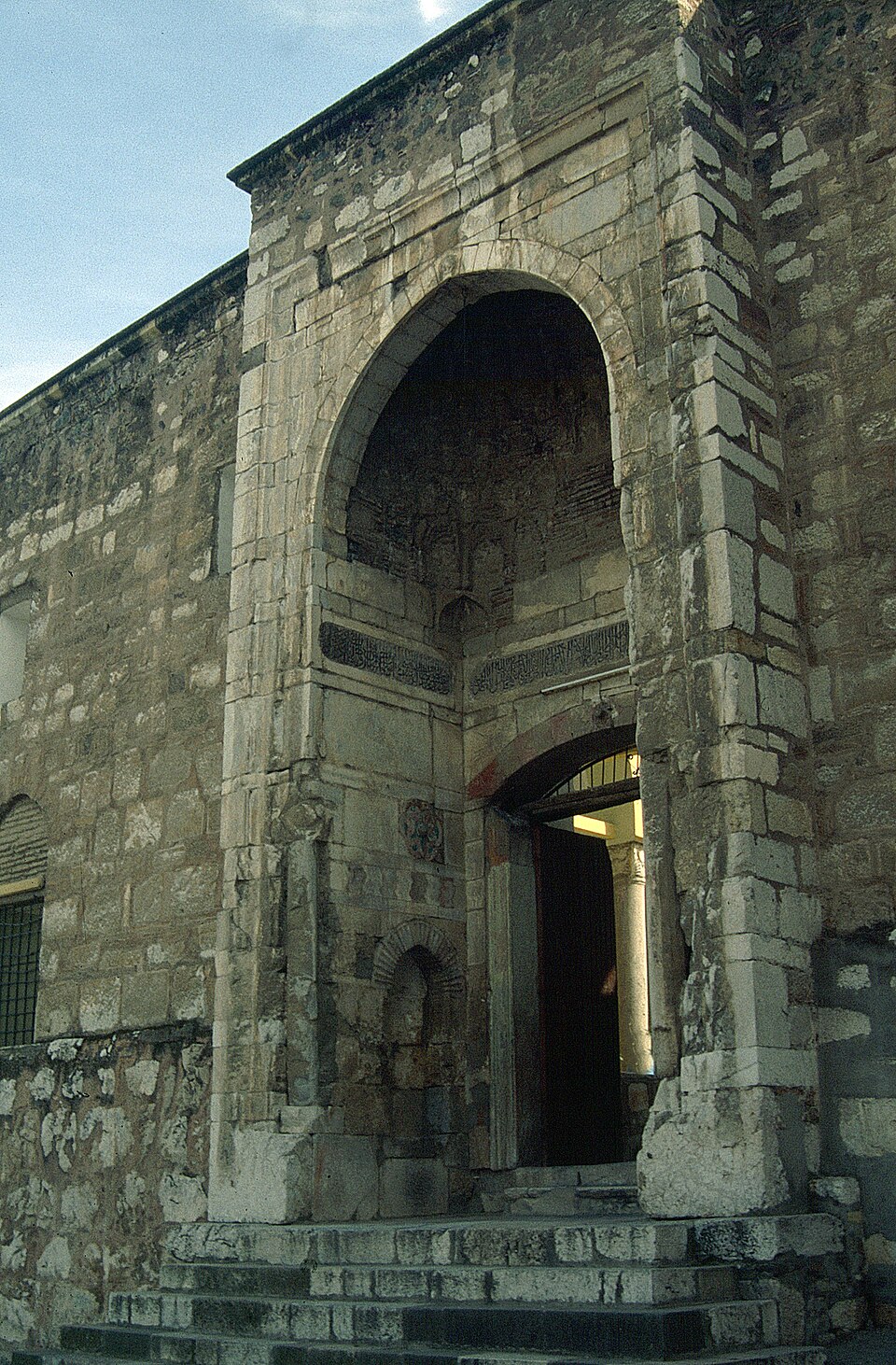
Dress and prayer-time rules are the same as at every working mosque in Şehzadeler — see the Sultan Mosque page for the detail on covering up and timing a visit around the five daily prayers.
What is specific to the Ulu Camii is its age against the others: the columns and capitals are reused Byzantine and classical material, so look down as much as up. Restoration ran from 2018 to 2022 and is finished — no scaffolding, no screening, and the wooden minbar and doors removed for the work are back in place.
It remains a working neighbourhood mosque rather than a staffed monument. If the door is closed outside prayer, waiting for the next call is the only real option; there is no ticket desk or guide to ask.
Checked 2026-08-24 · Source
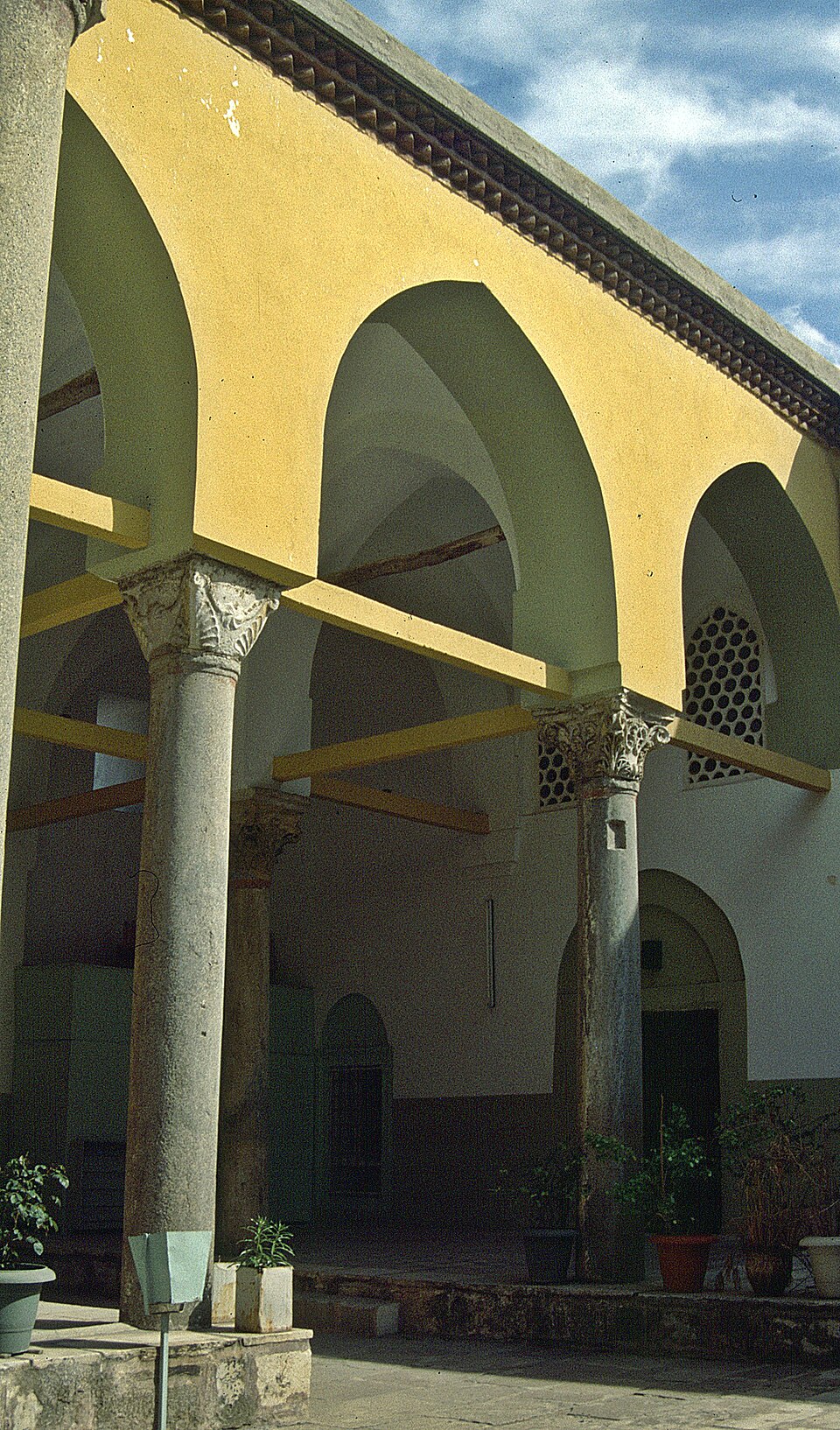
The reused columns are the photograph — classical and Byzantine capitals holding up a fourteenth-century Turkish mosque, which is the whole history of the valley in one frame.
Outside, the stone-and-brick walling and the single minaret read best in raking light, early or late — and with the 2022 restoration finished, the frame is now clean of scaffolding.
Inside, the returned kündekari minbar is worth its own photograph; the usual courtesy of a working mosque applies, so keep it to a quiet moment rather than a prayer.
Checked 2026-08-24
It was built in 1366, on the instruction of Muzafferüddin İshak Bey of the Saruhanoğulları, by the architect Emet bin Osman. A madrasa was added beside it in 1378.
Yes, by a long way. The Ulu Camii is 1366 — pre-Ottoman, built under the Saruhanoğulları beylik. The Sultan Mosque is 1522 and the Muradiye 1583–86.
Devşirme columns and capitals — pieces taken from earlier buildings and set into the mosque for their appearance. They are older than the mosque itself.
Yes. It is an active mosque with free admission, closed to visitors during the five daily prayers. A four-year restoration ended in September 2022, so the building is fully open again.
Half an hour. It is best walked as part of a route through Şehzadeler with the Sultan Mosque and the Muradiye.
In Şehzadeler, the historic half of Manisa on the lower slope of Mount Spil, among the bazaar streets.
Loading the interactive map…
The interactive map could not be loaded.
Last updated:
Source: OpenStreetMap contributors, Wikidata ·