
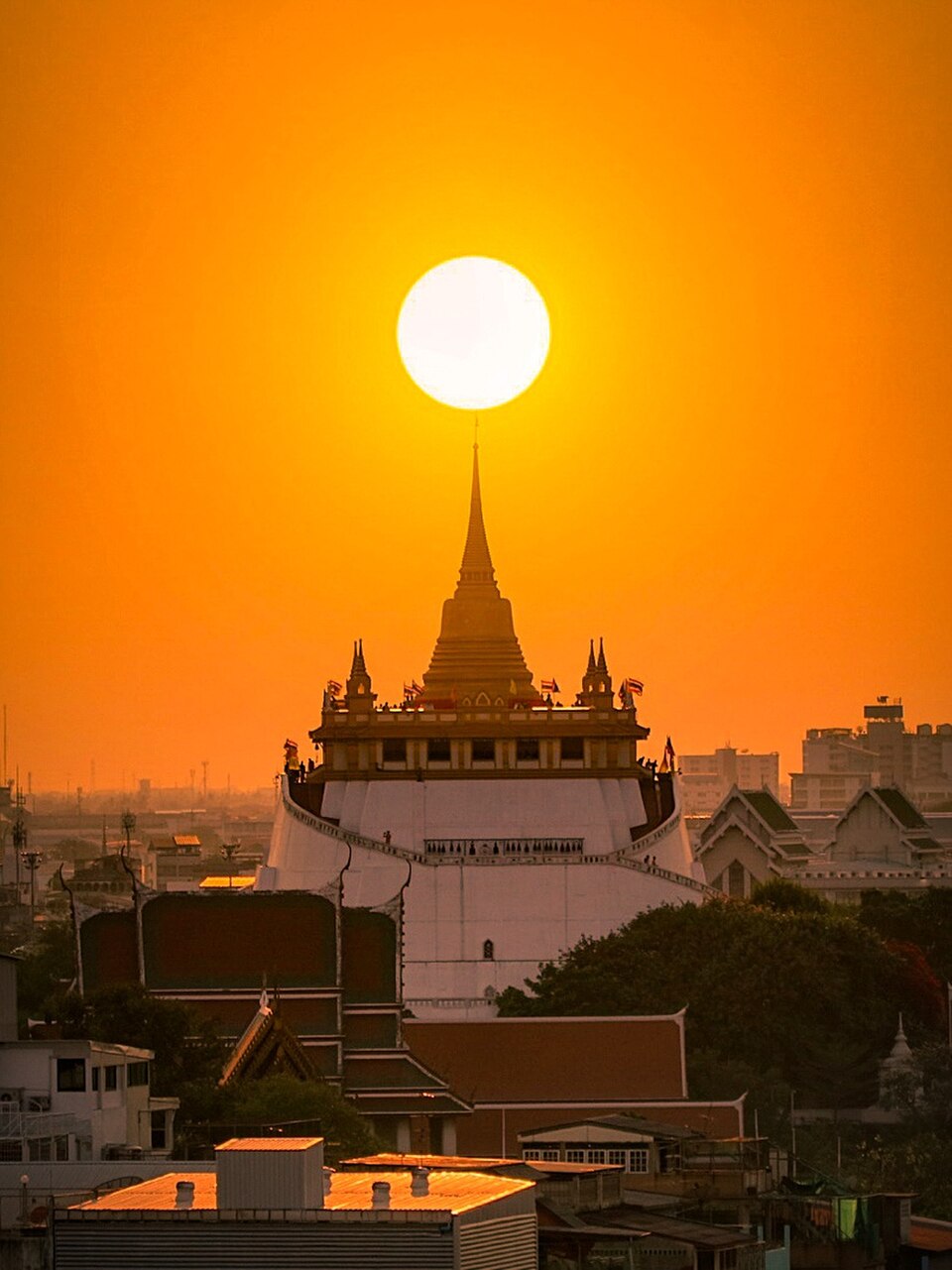
_%E0%B8%A7%E0%B8%B1%E0%B8%94%E0%B8%AA%E0%B8%A3%E0%B8%B0%E0%B9%80%E0%B8%81%E0%B8%A8%E0%B8%A3%E0%B8%B2%E0%B8%8A%E0%B8%A7%E0%B8%A3%E0%B8%A1%E0%B8%AB%E0%B8%B2%E0%B8%A7%E0%B8%B4%E0%B8%AB%E0%B8%B2%E0%B8%A3_%E0%B9%80%E0%B8%82%E0%B8%95%E0%B8%9B%E0%B9%89%E0%B8%AD%E0%B8%A1%E0%B8%9B%E0%B8%A3%E0%B8%B2%E0%B8%9A%E0%B8%A8%E0%B8%B1%E0%B8%95%E0%B8%A3%E0%B8%B9%E0%B8%9E%E0%B9%88%E0%B8%B2%E0%B8%A2_%E0%B8%81%E0%B8%A3%E0%B8%B8%E0%B8%87%E0%B9%80%E0%B8%97%E0%B8%9E%E0%B8%A1%E0%B8%AB%E0%B8%B2%E0%B8%99%E0%B8%84%E0%B8%A3_(11).jpg)
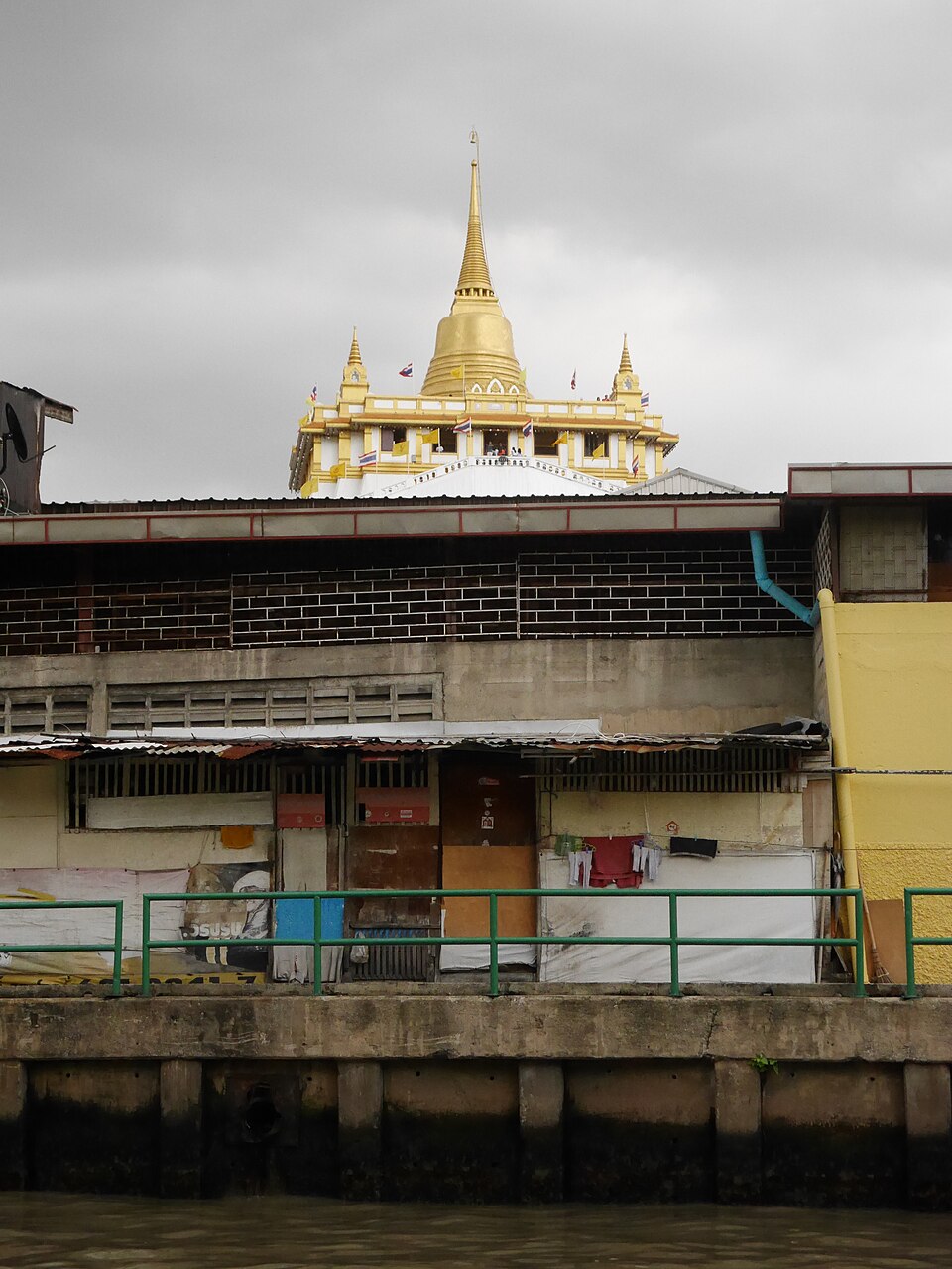
_%E0%B8%A7%E0%B8%B1%E0%B8%94%E0%B8%AA%E0%B8%A3%E0%B8%B0%E0%B9%80%E0%B8%81%E0%B8%A8%E0%B8%A3%E0%B8%B2%E0%B8%8A%E0%B8%A7%E0%B8%A3%E0%B8%A1%E0%B8%AB%E0%B8%B2%E0%B8%A7%E0%B8%B4%E0%B8%AB%E0%B8%B2%E0%B8%A3_%E0%B9%80%E0%B8%82%E0%B8%95%E0%B8%9B%E0%B9%89%E0%B8%AD%E0%B8%A1%E0%B8%9B%E0%B8%A3%E0%B8%B2%E0%B8%9A%E0%B8%A8%E0%B8%B1%E0%B8%95%E0%B8%A3%E0%B8%B9%E0%B8%9E%E0%B9%88%E0%B8%B2%E0%B8%A2_%E0%B8%81%E0%B8%A3%E0%B8%B8%E0%B8%87%E0%B9%80%E0%B8%97%E0%B8%9E%E0%B8%A1%E0%B8%AB%E0%B8%B2%E0%B8%99%E0%B8%84%E0%B8%A3_(12).jpg)
_%E0%B8%A7%E0%B8%B1%E0%B8%94%E0%B8%AA%E0%B8%A3%E0%B8%B0%E0%B9%80%E0%B8%81%E0%B8%A8%E0%B8%A3%E0%B8%B2%E0%B8%8A%E0%B8%A7%E0%B8%A3%E0%B8%A1%E0%B8%AB%E0%B8%B2%E0%B8%A7%E0%B8%B4%E0%B8%AB%E0%B8%B2%E0%B8%A3_%E0%B9%80%E0%B8%82%E0%B8%95%E0%B8%9B%E0%B9%89%E0%B8%AD%E0%B8%A1%E0%B8%9B%E0%B8%A3%E0%B8%B2%E0%B8%9A%E0%B8%A8%E0%B8%B1%E0%B8%95%E0%B8%A3%E0%B8%B9%E0%B8%9E%E0%B9%88%E0%B8%B2%E0%B8%A2_%E0%B8%81%E0%B8%A3%E0%B8%B8%E0%B8%87%E0%B9%80%E0%B8%97%E0%B8%9E%E0%B8%A1%E0%B8%AB%E0%B8%B2%E0%B8%99%E0%B8%84%E0%B8%A3_(13).jpg)
_%E0%B8%A7%E0%B8%B1%E0%B8%94%E0%B8%AA%E0%B8%A3%E0%B8%B0%E0%B9%80%E0%B8%81%E0%B8%A8%E0%B8%A3%E0%B8%B2%E0%B8%8A%E0%B8%A7%E0%B8%A3%E0%B8%A1%E0%B8%AB%E0%B8%B2%E0%B8%A7%E0%B8%B4%E0%B8%AB%E0%B8%B2%E0%B8%A3_%E0%B9%80%E0%B8%82%E0%B8%95%E0%B8%9B%E0%B9%89%E0%B8%AD%E0%B8%A1%E0%B8%9B%E0%B8%A3%E0%B8%B2%E0%B8%9A%E0%B8%A8%E0%B8%B1%E0%B8%95%E0%B8%A3%E0%B8%B9%E0%B8%9E%E0%B9%88%E0%B8%B2%E0%B8%A2_%E0%B8%81%E0%B8%A3%E0%B8%B8%E0%B8%87%E0%B9%80%E0%B8%97%E0%B8%9E%E0%B8%A1%E0%B8%AB%E0%B8%B2%E0%B8%99%E0%B8%84%E0%B8%A3_(14).jpg)
_%E0%B8%A7%E0%B8%B1%E0%B8%94%E0%B8%AA%E0%B8%A3%E0%B8%B0%E0%B9%80%E0%B8%81%E0%B8%A8%E0%B8%A3%E0%B8%B2%E0%B8%8A%E0%B8%A7%E0%B8%A3%E0%B8%A1%E0%B8%AB%E0%B8%B2%E0%B8%A7%E0%B8%B4%E0%B8%AB%E0%B8%B2%E0%B8%A3_%E0%B9%80%E0%B8%82%E0%B8%95%E0%B8%9B%E0%B9%89%E0%B8%AD%E0%B8%A1%E0%B8%9B%E0%B8%A3%E0%B8%B2%E0%B8%9A%E0%B8%A8%E0%B8%B1%E0%B8%95%E0%B8%A3%E0%B8%B9%E0%B8%9E%E0%B9%88%E0%B8%B2%E0%B8%A2_%E0%B8%81%E0%B8%A3%E0%B8%B8%E0%B8%87%E0%B9%80%E0%B8%97%E0%B8%9E%E0%B8%A1%E0%B8%AB%E0%B8%B2%E0%B8%99%E0%B8%84%E0%B8%A3_(15).jpg)
4 min walk · เขตพระนคร
Jay Fai
- High
- Restaurant or café
Language · 1 published
Place of worship · เขตป้อมปราบศัตรูพ่าย, Bangkok
วัดสระเกศราชวรมหาวิหาร
| Monday | 07:30 – 19:00 |
|---|---|
| Tuesday | 07:30 – 19:00 |
| Wednesday | 07:30 – 19:00 |
| Thursday | 07:30 – 19:00 |
| Friday | 07:30 – 19:00 |
| Saturday | 07:30 – 19:00 |
| Sunday | 07:30 – 19:00 |
Checked 2026-08-25 · Source
| Monday | 07:30 – 19:00 |
|---|---|
| Tuesday | 07:30 – 19:00 |
| Wednesday | 07:30 – 19:00 |
| Thursday | 07:30 – 19:00 |
| Friday | 07:30 – 19:00 |
| Saturday | 07:30 – 19:00 |
| Sunday | 07:30 – 19:00 |
Checked 2026-08-25 · Source
Recorded for The Golden Mount, Wat Saket, not for this site as a whole. View The Golden Mount, Wat Saket's guide
Wat Saket is a working royal monastery in Pom Prap Sattru Phai, on the eastern edge of the old royal island, and it is older than the city that grew around it. The monastery dates from the Ayutthaya period, when it was called Wat Sakae; King Rama I renovated it when Bangkok was made the capital and gave it the name it carries now, which means to wash the hair. Most visitors arrive for the gilded chedi on the artificial hill at the back of the compound and climb straight to it, which is why the temple below is quieter than any other Rattanakosin foundation of its rank. That is the wrong way round. Wat Saket's own history is the grimmer and more interesting one: through the nineteenth century this was the place Bangkok brought its dead in the cholera years, the outbreak of 1820 alone claiming over thirty thousand lives in the capital, with a worse epidemic in 1840 and a final major one in 1881. The bodies outran the pyres, the vultures came, and the phrase raeng Wat Saket, the vultures of Wat Saket, entered Thai speech as a byword for death. Nothing on the grounds today announces any of this. It is a calm, swept, unspectacular monastery with monks living in it, and knowing what stood here changes how the calm reads.
Checked 2026-08-25 · Source
The compound has two halves that most itineraries treat as one attraction. The level ground holds the monastery proper: the ordination hall and its assembly hall, the monks' quarters, a crematorium still in use for funerals, and shaded walks between them where the temple cats outnumber the visitors before nine in the morning. Behind it rises the mound, and the gilded chedi on top is treated on its own page here rather than repeated on this one. The temple's street entrance is on Chakkraphatdi Phong Road, at number 344 in Ban Bat sub-district, which is the address the temple publishes for itself. One thing worth reading on the grounds is the restoration appeal: the temple's own website asks for one hundred baht per mosaic tile toward re-facing the great chedi, and the tiles are handled at the temple. That figure is a donation for a tile, not an entry price, and it is the only baht figure the temple publishes anywhere. The neighbourhood outside the wall is part of the visit — Ban Bat is the old monks' alms-bowl quarter, and the lanes north toward the canal are still workshop lanes rather than restored ones.
Checked 2026-08-25 · Source

Allow sixty minutes for Wat Saket. That covers the ordination hall, an unhurried loop of the level grounds, and the climb to the chedi and back down; it is not enough if the terrace is where the visit is really aimed and photographs are wanted from it, in which case treat the mount as its own forty-five-minute stop and add it to this hour. No operator states a visit length for the temple, so the sixty minutes is editorial judgement rather than a published figure. Two things stretch it in practice. The climb is open-air and taken slowly in heat, and the temple sits far enough from an MRT station that the walk in and out is part of the time cost. Two things shorten it: the level grounds are small, and there is no ticket queue to absorb.
Checked 2026-08-25
November to February is the cool dry season and the right window for a visit whose second half is a stair climb in the open. The temple's published day for the chedi begins at 07:30 and that is the hour to take: the grounds are being swept, the heat has not arrived, and the coach traffic that works the Rattanakosin circuit has not reached this corner yet. Late afternoon is the opposite — the last hour before the 19:00 close is when the sunset crowd arrives, and the stair becomes single-file. One week to know about in advance: the annual festival every November, when a candlelight procession goes up the mount and the chedi is wrapped in red cloth, a tradition observed since the reign of King Rama V. It is the busiest week of the temple's year and the one week a visitor either plans around or plans for.
Checked 2026-08-25 · Source
No admission figure is recorded for Wat Saket, because no operator source publishes one. The temple's own website carries no fee page; the only baht figure on it is the hundred-baht mosaic tile of the chedi restoration appeal, which is a donation and must not be read as an entry price. Two further domains that search surfaces for the temple were checked and neither is usable — one does not resolve at all, the other resolves but serves an expired certificate — and the temple's Facebook page carries no readable fee statement. Aggregators contradict each other badly here: one Thai source gives twenty baht for foreigners, several English ones give one hundred, and both agree entry is free for Thai nationals. Those figures are printed here as a disagreement, not averaged into a number, and none of them is recorded as this page's price. Carry small notes in case a charge is collected at the foot of the chedi stair, and expect the level grounds of a working monastery to be open without one.
Checked 2026-08-25 · Source
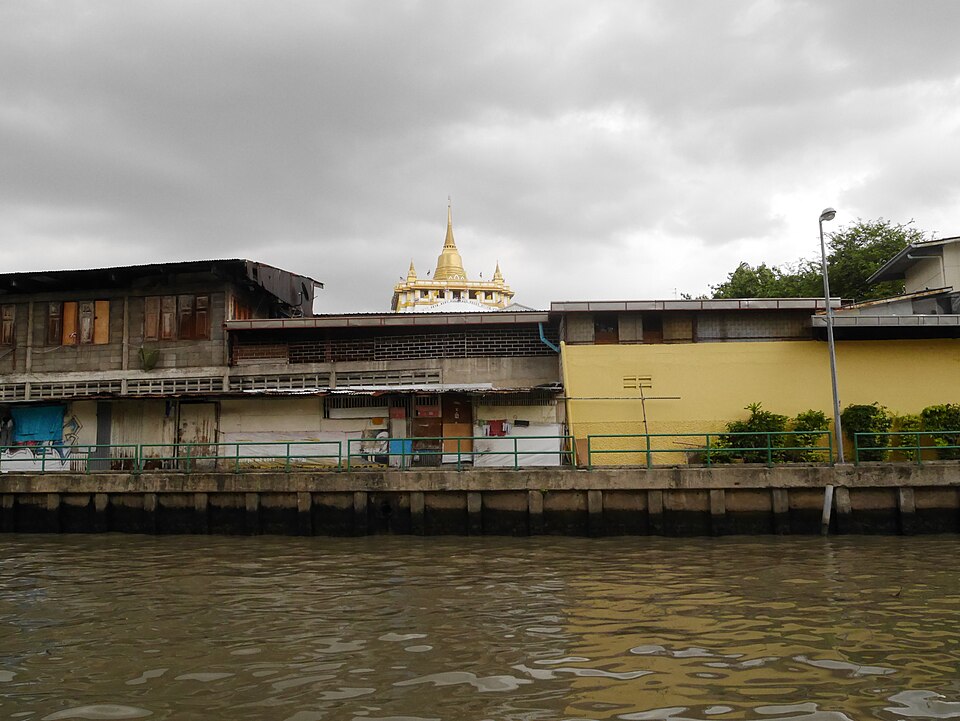
Wat Saket is reached on foot and no car is wanted. The nearest metro is MRT Sam Yot, roughly a kilometre away, and the walk east from it crosses the old quarter rather than skirting it, which is the better part of the approach. The Khlong Saen Saep canal boat sets a passenger down at Phan Fa Lilat pier, the western terminus, a short walk north-west of the temple; that is the quickest crossing from Sukhumvit at rush hour and the most enjoyable in any weather that is not rain. City buses along Ratchadamnoen Klang stop within a few minutes' walk. Driving is the poor option: the lanes around the wall are narrow, parking is scarce, and the Rattanakosin one-way system makes a short hop long. A taxi or ride-hail from the river piers works, and if the driver proposes a different temple instead, see the warnings below.
Checked 2026-08-25

Dress as for any Thai temple, and this page carries the rule in full for the group of Bangkok temples around it: shoulders and knees covered for everyone, no vests, no short shorts, shoes off before entering the ordination hall or any shrine building, and feet never pointed toward a Buddha image — sit with the legs folded back. A light long-sleeved shirt in a bag is the practical answer to a hot climb followed by a covered hall. Women should place an offering or a gift down for a monk to pick up rather than hand it to him directly. The hours trap here is specific and worth knowing: the only span the temple publishes, 07:30 to 19:00 daily, is the published span for the chedi, not for the temple grounds or the ordination hall, which have no separately published hours at all — so an early arrival may find the mount open and a hall not yet unlocked. The other trap is on the pavement rather than inside the wall. A stranger who intercepts a visitor near a Rattanakosin temple to say it is closed today for a ceremony, and offers a tuk-tuk to somewhere better, is running a well-worn errand of his own; walk to the gate and look. A funeral may genuinely be under way at the crematorium, in which case keep clear of it and do not photograph it.
Checked 2026-08-25 · Source
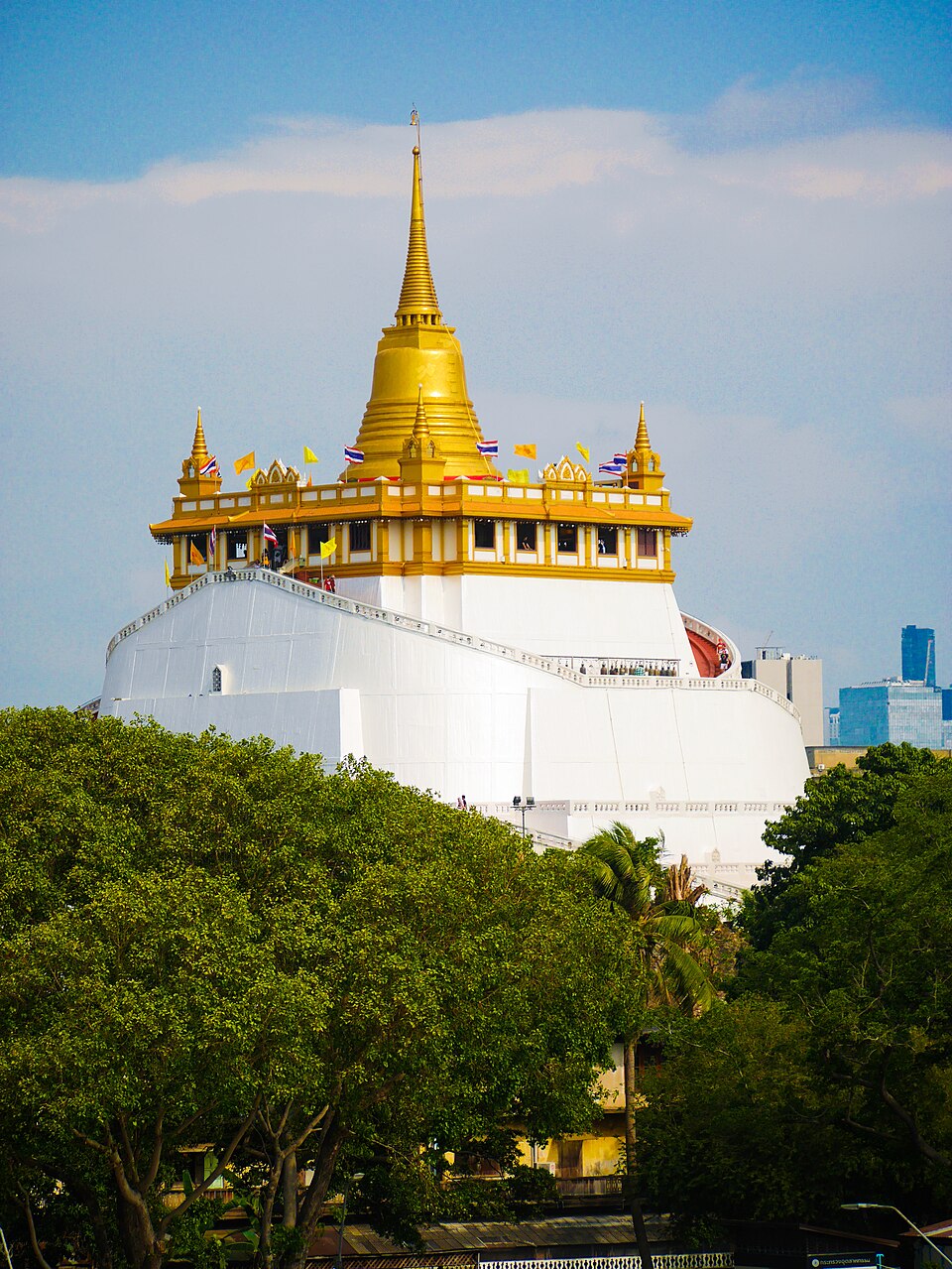
The photograph most people want from Wat Saket is taken from the terrace above and belongs to the mount. On the level ground the picture is a different one and needs different light: early, low and from the east, when the sun is coming over the compound wall and the ordination hall roofline is edge-lit against a sky that has not yet gone white. By eleven the light is vertical and the white walls blow out. Inside a hall, work without flash and without a tripod, brace against a doorframe, and accept a high ISO; flash on gilded surfaces gives a flat, hard result and disturbs people at prayer, which is the real reason not to use it. Do not photograph a person praying without asking, do not photograph a funeral at all, and do not pose in front of a Buddha image with your back to it. A wide lens is the useful one here — the courtyards are tight — and the mount will take the long end of the bag later.
Checked 2026-08-25
No admission figure is recorded, because the temple publishes none. Its own website has no fee page; the hundred baht it does quote is a donation for one mosaic tile toward the chedi restoration, not a ticket. Aggregators disagree — twenty baht for foreigners in one Thai source, one hundred in several English ones, free for Thai nationals in both — and none of those is recorded here.
The temple publishes one span and it is daily 07:30 to 19:00. Read the qualification: that is the operator's published time for the Borom Banphot chedi, the Golden Mount, inside the compound. The grounds and the ordination hall have no separately published hours, so a very early or very late arrival may find one open and the other not.
The Golden Mount is the artificial hill and gilded chedi at the back of Wat Saket's compound, so a visitor going to one is standing in the other. This site keeps them as two pages because they are two visits: the level monastery on this page, the hill and the climb on the Golden Mount page.
Yes, and for the opposite reason. Wat Saket is not a state showpiece: it is a working monastery with a crematorium in use, an alms-bowl quarter outside its wall, and a hill built from a collapsed royal project. Visitors who found the palace complex overwhelming usually find this one a relief.
Shoulders and knees covered, for men and women alike; no vests and no short shorts. Shoes come off before entering the ordination hall or a shrine building. Carry a light long-sleeved shirt, because the climb behind the temple is hot and the halls are covered.
MRT Sam Yot is about a kilometre away on foot. The Khlong Saen Saep canal boat ends at Phan Fa Lilat pier, a short walk from the temple, which is the fastest crossing from the Sukhumvit side at rush hour. Buses run along Ratchadamnoen Klang. Driving is the worst option: narrow lanes, little parking and a one-way system.
Loading the interactive map…
The interactive map could not be loaded.
Last updated:
Source: OpenStreetMap contributors, Wikidata ·