_%E0%B8%A7%E0%B8%B1%E0%B8%94%E0%B8%81%E0%B8%B1%E0%B8%A5%E0%B8%A2%E0%B8%B2%E0%B8%93%E0%B8%A1%E0%B8%B4%E0%B8%95%E0%B8%A3%E0%B8%A7%E0%B8%A3%E0%B8%A1%E0%B8%AB%E0%B8%B2%E0%B8%A7%E0%B8%B4%E0%B8%AB%E0%B8%B2%E0%B8%A3_%E0%B9%80%E0%B8%82%E0%B8%95%E0%B8%98%E0%B8%99%E0%B8%9A%E0%B8%B8%E0%B8%A3%E0%B8%B5_%E0%B8%81%E0%B8%A3%E0%B8%B8%E0%B8%87%E0%B9%80%E0%B8%97%E0%B8%9E%E0%B8%A1%E0%B8%AB%E0%B8%B2%E0%B8%99%E0%B8%84%E0%B8%A3_(6).jpg)
_%E0%B8%A7%E0%B8%B1%E0%B8%94%E0%B8%81%E0%B8%B1%E0%B8%A5%E0%B8%A2%E0%B8%B2%E0%B8%93%E0%B8%A1%E0%B8%B4%E0%B8%95%E0%B8%A3%E0%B8%A7%E0%B8%A3%E0%B8%A1%E0%B8%AB%E0%B8%B2%E0%B8%A7%E0%B8%B4%E0%B8%AB%E0%B8%B2%E0%B8%A3_%E0%B9%80%E0%B8%82%E0%B8%95%E0%B8%98%E0%B8%99%E0%B8%9A%E0%B8%B8%E0%B8%A3%E0%B8%B5_%E0%B8%81%E0%B8%A3%E0%B8%B8%E0%B8%87%E0%B9%80%E0%B8%97%E0%B8%9E%E0%B8%A1%E0%B8%AB%E0%B8%B2%E0%B8%99%E0%B8%84%E0%B8%A3_(2).jpg)
_%E0%B8%A7%E0%B8%B1%E0%B8%94%E0%B8%81%E0%B8%B1%E0%B8%A5%E0%B8%A2%E0%B8%B2%E0%B8%93%E0%B8%A1%E0%B8%B4%E0%B8%95%E0%B8%A3%E0%B8%A7%E0%B8%A3%E0%B8%A1%E0%B8%AB%E0%B8%B2%E0%B8%A7%E0%B8%B4%E0%B8%AB%E0%B8%B2%E0%B8%A3_%E0%B9%80%E0%B8%82%E0%B8%95%E0%B8%98%E0%B8%99%E0%B8%9A%E0%B8%B8%E0%B8%A3%E0%B8%B5_%E0%B8%81%E0%B8%A3%E0%B8%B8%E0%B8%87%E0%B9%80%E0%B8%97%E0%B8%9E%E0%B8%A1%E0%B8%AB%E0%B8%B2%E0%B8%99%E0%B8%84%E0%B8%A3_(4).jpg)
_%E0%B8%A7%E0%B8%B1%E0%B8%94%E0%B8%81%E0%B8%B1%E0%B8%A5%E0%B8%A2%E0%B8%B2%E0%B8%93%E0%B8%A1%E0%B8%B4%E0%B8%95%E0%B8%A3%E0%B8%A7%E0%B8%A3%E0%B8%A1%E0%B8%AB%E0%B8%B2%E0%B8%A7%E0%B8%B4%E0%B8%AB%E0%B8%B2%E0%B8%A3_%E0%B9%80%E0%B8%82%E0%B8%95%E0%B8%98%E0%B8%99%E0%B8%9A%E0%B8%B8%E0%B8%A3%E0%B8%B5_%E0%B8%81%E0%B8%A3%E0%B8%B8%E0%B8%87%E0%B9%80%E0%B8%97%E0%B8%9E%E0%B8%A1%E0%B8%AB%E0%B8%B2%E0%B8%99%E0%B8%84%E0%B8%A3_(5).jpg)
_%E0%B8%A7%E0%B8%B1%E0%B8%94%E0%B8%81%E0%B8%B1%E0%B8%A5%E0%B8%A2%E0%B8%B2%E0%B8%93%E0%B8%A1%E0%B8%B4%E0%B8%95%E0%B8%A3%E0%B8%A7%E0%B8%A3%E0%B8%A1%E0%B8%AB%E0%B8%B2%E0%B8%A7%E0%B8%B4%E0%B8%AB%E0%B8%B2%E0%B8%A3_%E0%B9%80%E0%B8%82%E0%B8%95%E0%B8%98%E0%B8%99%E0%B8%9A%E0%B8%B8%E0%B8%A3%E0%B8%B5_%E0%B8%81%E0%B8%A3%E0%B8%B8%E0%B8%87%E0%B9%80%E0%B8%97%E0%B8%9E%E0%B8%A1%E0%B8%AB%E0%B8%B2%E0%B8%99%E0%B8%84%E0%B8%A3_(6).jpg)
_%E0%B8%A7%E0%B8%B1%E0%B8%94%E0%B8%81%E0%B8%B1%E0%B8%A5%E0%B8%A2%E0%B8%B2%E0%B8%93%E0%B8%A1%E0%B8%B4%E0%B8%95%E0%B8%A3%E0%B8%A7%E0%B8%A3%E0%B8%A1%E0%B8%AB%E0%B8%B2%E0%B8%A7%E0%B8%B4%E0%B8%AB%E0%B8%B2%E0%B8%A3_%E0%B9%80%E0%B8%82%E0%B8%95%E0%B8%98%E0%B8%99%E0%B8%9A%E0%B8%B8%E0%B8%A3%E0%B8%B5_%E0%B8%81%E0%B8%A3%E0%B8%B8%E0%B8%87%E0%B9%80%E0%B8%97%E0%B8%9E%E0%B8%A1%E0%B8%AB%E0%B8%B2%E0%B8%99%E0%B8%84%E0%B8%A3_(7).jpg)
3 min walk · เขตธนบุรี
Baan Kudichin Museum
- High
- Museum
Language · 1 published
Place of worship · เขตธนบุรี, Bangkok
วัดกัลยาณมิตรวรมหาวิหาร
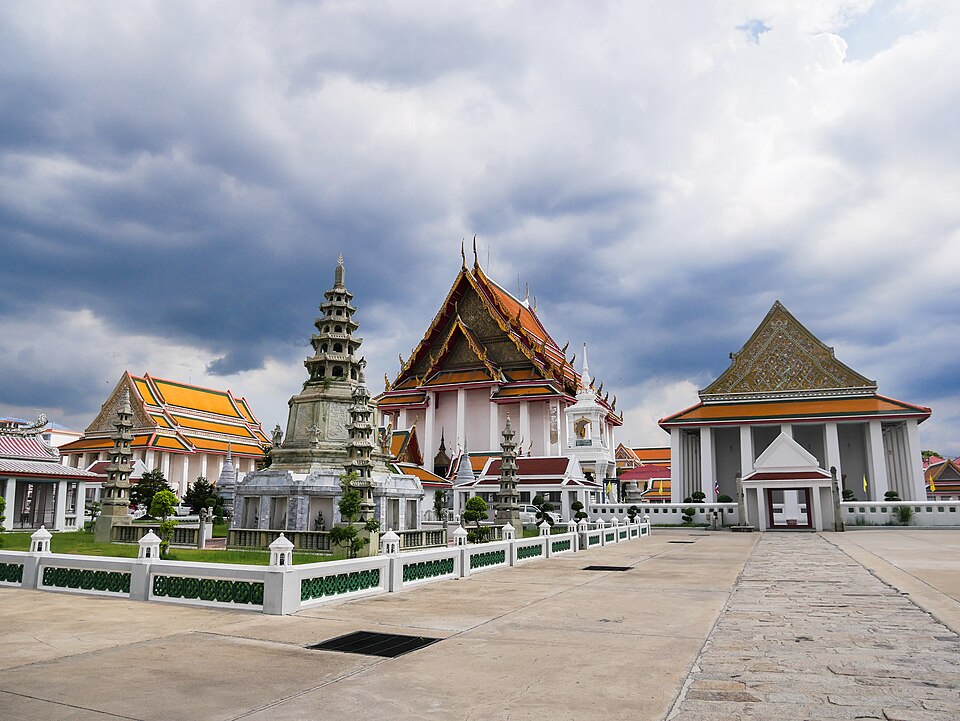
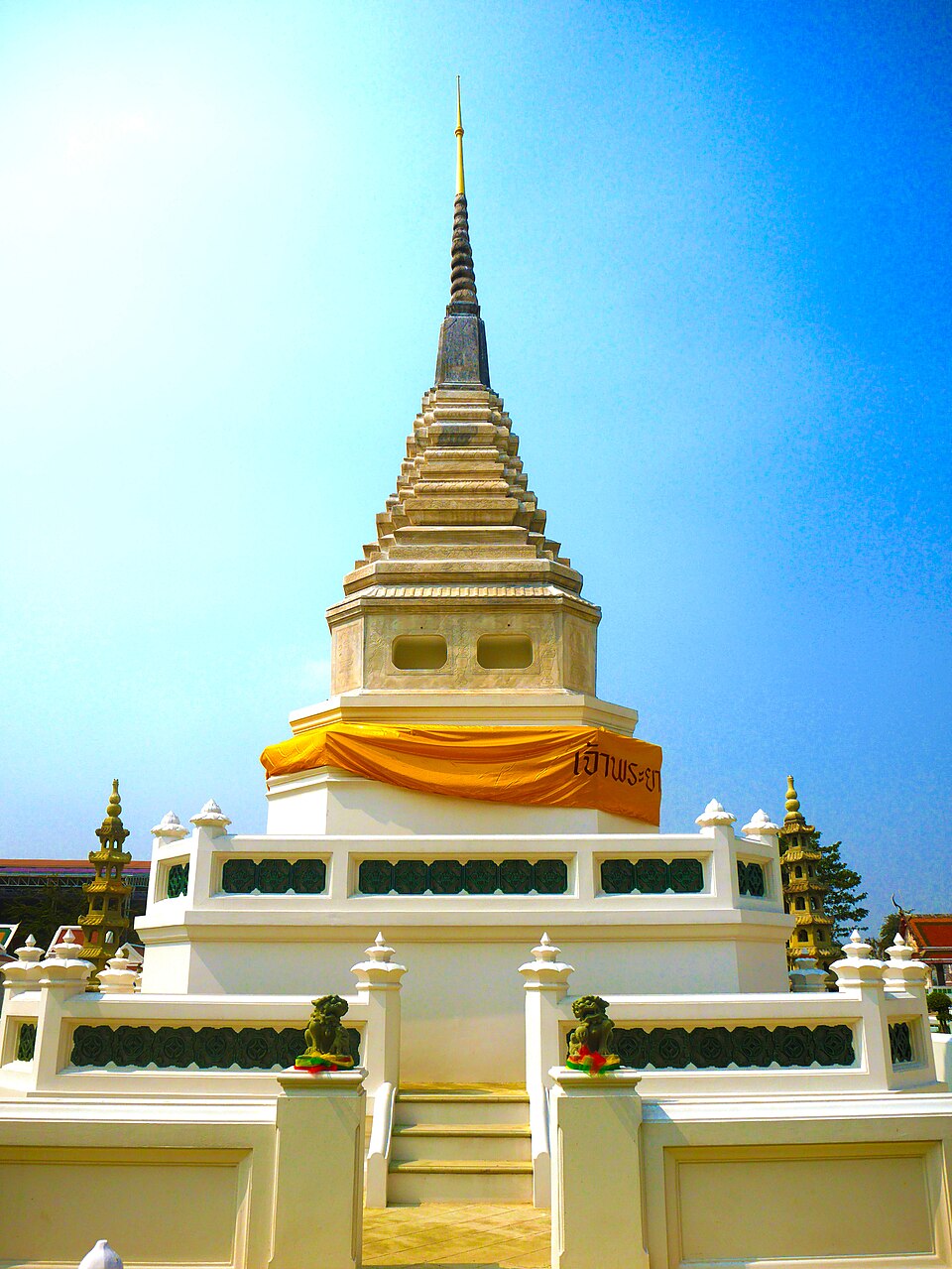
Wat Kalayanamit Woramahawihan is a second-class royal temple on the Thonburi bank of the Chao Phraya, at the mouth of Khlong Bangkok Yai in the old Kudi Chin quarter, and it was founded in 1825 by Chao Phraya Nikorn Bodin, whose personal name was To Kalayanamit. He gave his own residence and the land around it — a neighbourhood of Chinese houses — to found the temple, and King Rama III gave it its name and its royal rank. What sets it apart from the temples across the river is that it was built for a Chinese-Thai merchant community and has been venerated by that community ever since: its great seated Buddha is addressed as Luang Pho To by Thais and as Sam Pao Kong by Chinese devotees, and the temple is one of the fixed points of the Kudi Chin riverside, a short walk from Santa Cruz Church.
Checked 2026-08-25 · Source
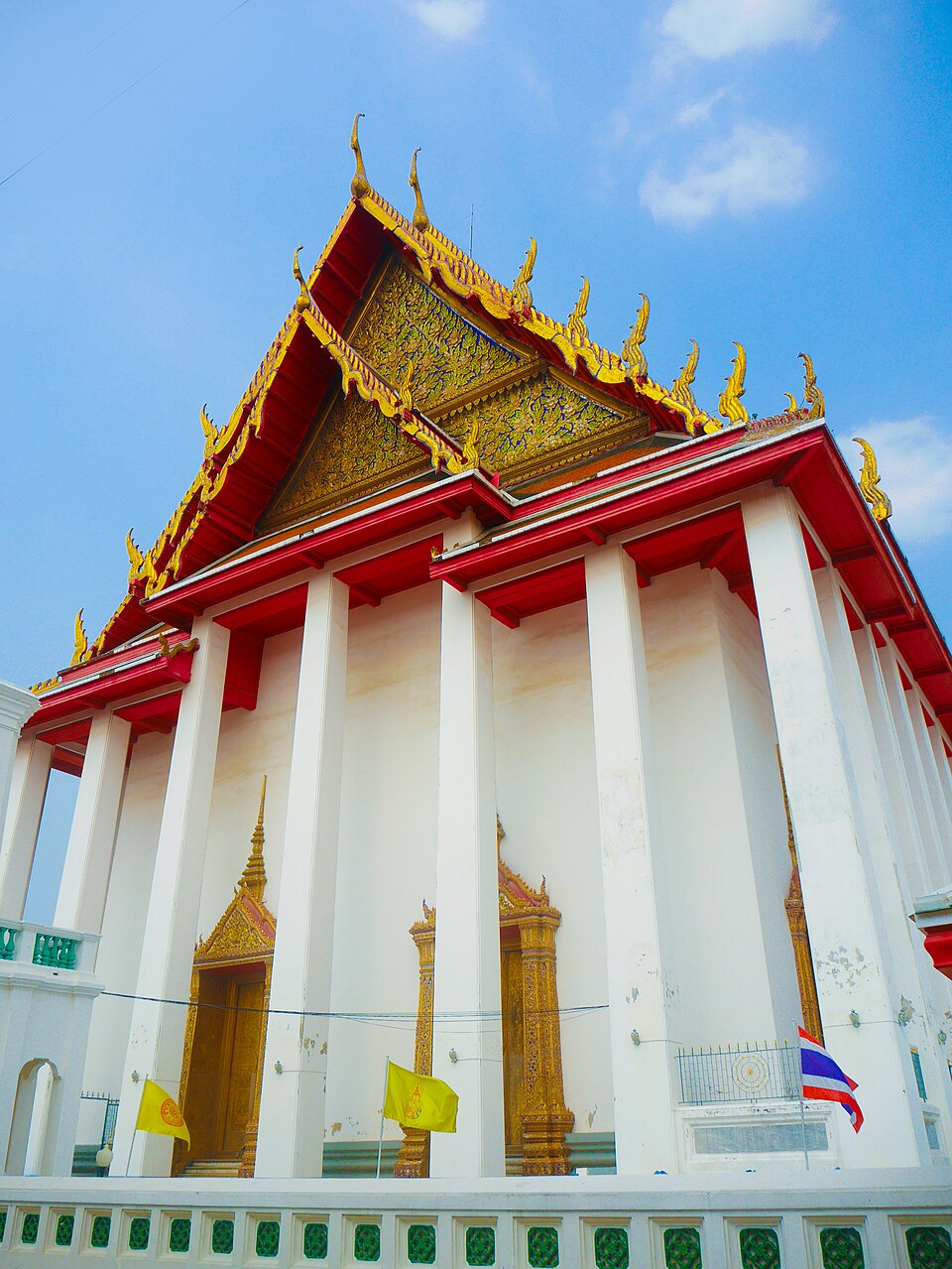
The building that matters is the wihan luang and the image inside it. Phra Phuttha Trai Rattanayok, the temple's principal Buddha, measures 5 wa 3 sok across the knees, about 11.75 metres, and 7 wa 2 sok 10 niu in height, about 15.45 metres; it is stucco over a core, gilded, and seated in the maravijaya attitude of subduing Mara. King Rama III himself performed the ceremony that installed it on 18 May 1837. The hall was raised around the image and the image nearly fills it, which is the effect visitors come for: there is no distance from which the whole figure resolves comfortably. The ordination hall dates from about 1835, built on the site of the founder's own house, and its murals show Buddhist narrative and everyday life of the third reign. A separate bell tower holds a bronze bell of exceptional size. The compound's architecture is a Thai-Chinese hybrid of royal patronage, with square unrecessed columns rather than the redented ones of purely Thai practice.
Checked 2026-08-25 · Source
Allow forty minutes. Twenty of those go on the wihan and the great image, because paying respects at Luang Pho To is what the hall is for and rushing it misreads the place; the rest covers the ordination hall and its third-reign murals, the bell tower and the riverside terrace. Visitors walking the Kudi Chin circuit — Santa Cruz Church, the Portuguese-descended lanes, the Chinese shrines — should fold these forty minutes into that walk rather than making a separate river crossing for the temple alone.
Checked 2026-08-25
Early morning is the right time, for two reasons that have nothing to do with crowds. The temple faces east across the river, so the first hours of daylight fall directly on the wihan front, and the riverside terrace is unshaded and becomes punishing by midday. The Chinese connection also sets a calendar: around Chinese New Year the temple draws large numbers of Chinese-Thai worshippers, which is either a spectacle worth planning for or a queue worth avoiding. No operator-published opening hours could be found for the temple, so treat daylight hours as the working assumption and expect the wihan to be open in the morning.
Checked 2026-08-25
No admission charge is recorded for Wat Kalayanamit, because no operator page publishing one could be found. The temple has no website of its own that could be reached on 25 August 2026, and the Thai and English encyclopaedia articles consulted for its history state neither a fee nor opening hours. Working Buddhist temples in Bangkok outside the small group of major ticketed sites generally do not charge for entry, but this page records no price rather than inferring one, and no figure quoted by a tour operator has been repeated here. Bring small notes for the donation boxes and for the offerings sold in the compound if you intend to make an offering.
Checked 2026-08-25
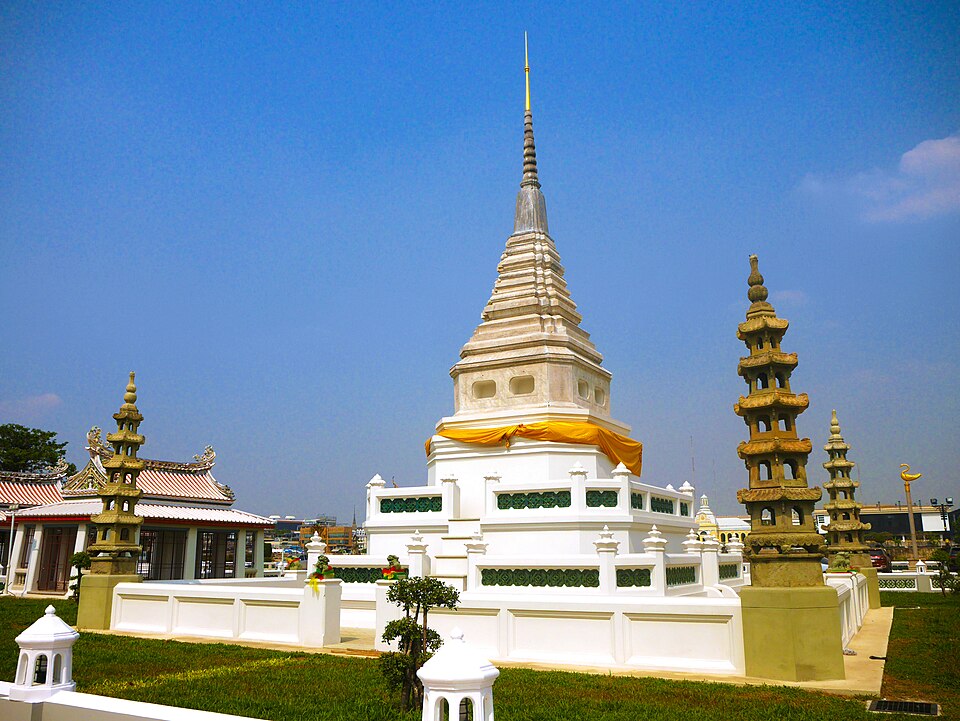
The temple stands on the Thonburi bank where Khlong Bangkok Yai meets the Chao Phraya, in the Wat Kanlaya sub-district, and it has its own landing on the river. The natural approach is by cross-river ferry from the Rattanakosin side near the flower market, which puts you at the temple gate in a few minutes and gives the wihan its river view on the way in. On foot from the Thonburi side, the temple sits at the end of the Kudi Chin lanes and is a short walk from Santa Cruz Church, which is the way to arrive if you are walking the quarter. By road it is reached from Arun Amarin and the Bangkok Yai lanes, which are narrow and slow.
Checked 2026-08-25
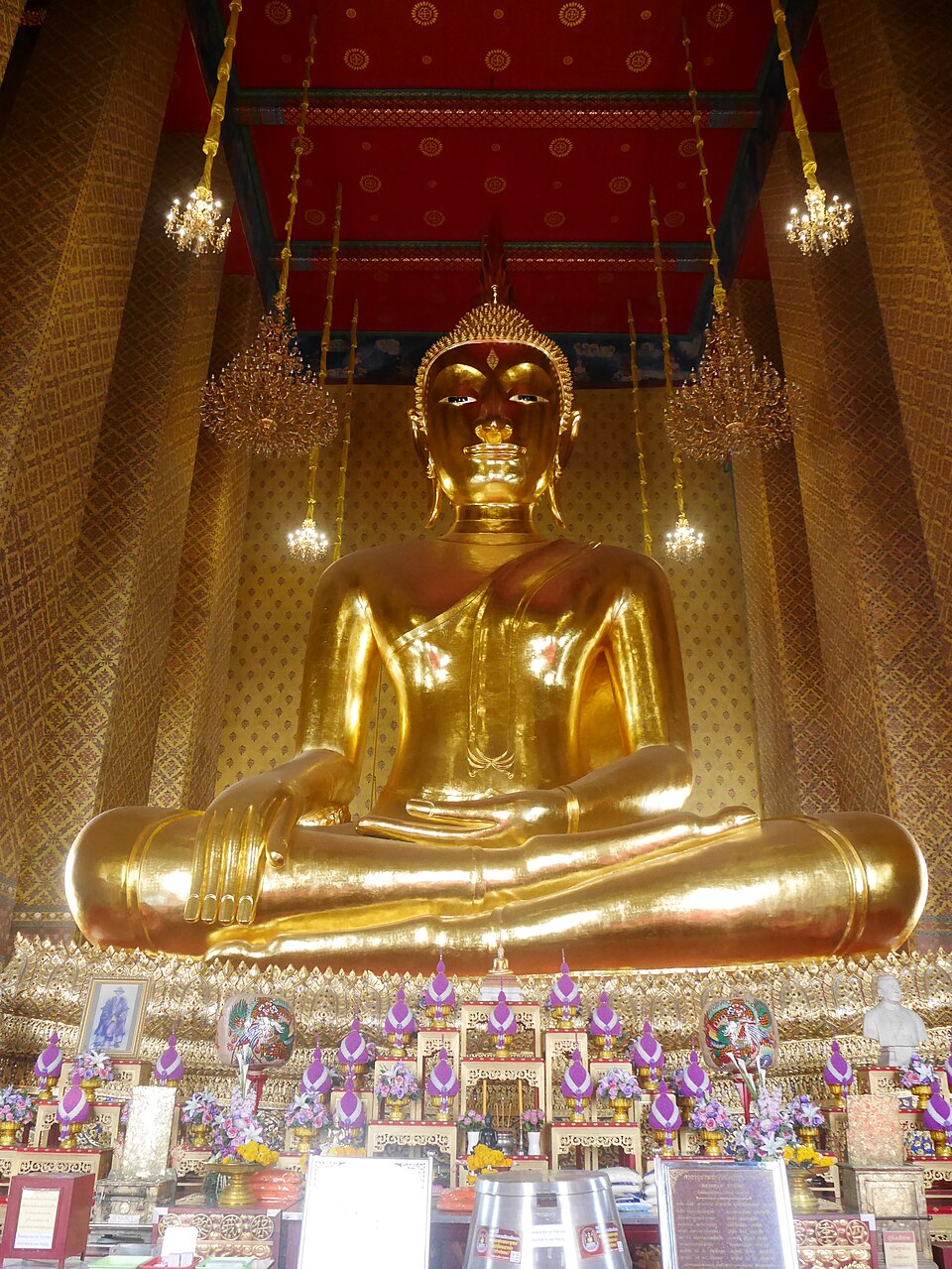
This is an active royal temple and a place of Chinese-Thai devotion rather than a museum, and the conduct rules are firmer than at the sites on the tourist circuit because fewer visitors here are tourists. Cover shoulders and knees, take shoes off before entering the wihan and the ordination hall, and never sit with the soles of your feet pointing at the Buddha image. Do not step in front of someone who is praying to take a photograph of the image, and do not climb the platform for a better angle. Incense and candles are being lit around you: keep bags and sleeves clear of the burners. The riverside steps and terrace are wet, algae-covered and genuinely slippery after rain or at high water. Finally, the compound is a working monastic community, so the residential buildings are not open ground.
Checked 2026-08-25
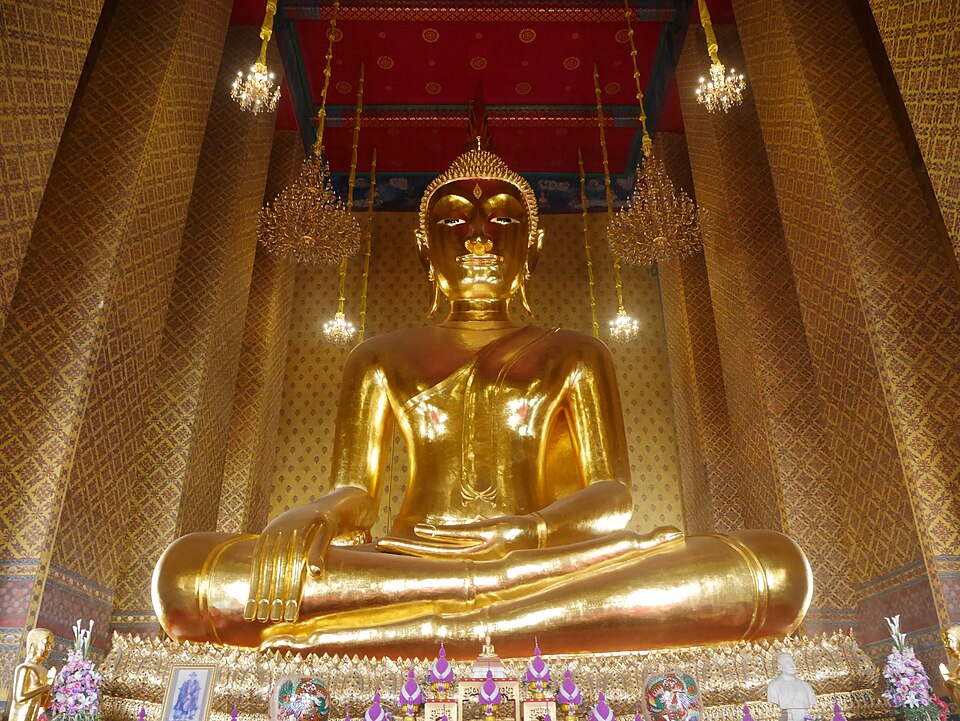
Two frames are worth planning. The first is from the water or the river terrace: the wihan sits directly on the bank at the mouth of Khlong Bangkok Yai, and the classic view is the hall with the river in front of it, best in the morning when the sun is behind you over Rattanakosin. The second is the interior problem — an image nearly twelve metres across the knees inside a hall built to contain it, which no lens solves by backing away. Shoot upward from the side aisles to get the gilding against the dark of the roof structure, or take a detail of the hand and the folded leg rather than an unsuccessful whole. Keep flash off inside the wihan, where it will hit gold leaf and other worshippers alike, and never photograph a monk or a person praying without asking.
Checked 2026-08-25
Chao Phraya Nikorn Bodin, whose personal name was To Kalayanamit, founded the temple in 1825 by giving his own residence and the surrounding land, then a quarter of Chinese houses, to establish it. King Rama III granted the name Wat Kalayanamit and made it a royal temple of the second class in the woramahawihan rank.
Phra Phuttha Trai Rattanayok measures 5 wa 3 sok across the knees, about 11.75 metres, and 7 wa 2 sok 10 niu in height, about 15.45 metres. It is stucco, gilded, and seated in the maravijaya attitude. King Rama III performed the installation ceremony on 18 May 1837.
Sam Pao Kong, or Sam Pao Hut Kong, is the name under which Chinese-Thai devotees venerate this image, and the temple was founded on land in a Chinese quarter by a Thai-Chinese merchant. The same name attaches to comparable large seated Buddhas elsewhere, and it carries an association with the admiral Zheng He and with prayers for prosperity and safe voyages.
The temple's bell tower holds a bronze bell of exceptional size and the temple is commonly described as having the country's largest. No weight or dimension for it is recorded on this page, because none could be sourced from the temple or from an official record; the claim is reported as it stands rather than given a number.
The ordination hall, built around 1835 on the site of the founder's own house, carries murals of Buddhist narrative and of everyday life in the reign of Rama III; the bell tower stands separately in the compound; and the riverside terrace at the mouth of Khlong Bangkok Yai gives the view back towards Rattanakosin. The architecture throughout is a Thai-Chinese hybrid, with square columns rather than redented Thai ones.
Yes, and it is the sensible way to visit. Wat Kalayanamit sits at one end of the Kudi Chin quarter, a short walk from Santa Cruz Church and the lanes of the Portuguese-descended community, with Chinese shrines along the same riverbank. The whole quarter is a half-day on foot, and the temple is the natural first or last stop depending on which ferry landing you use.
Loading the interactive map…
The interactive map could not be loaded.
Last updated:
Source: OpenStreetMap contributors, Wikidata ·