Smart Self-Managed Tours

Country guide

Sweden

A photograph of Sweden
Photograph · Martin Falbisoner · CC BY-SA 4.0

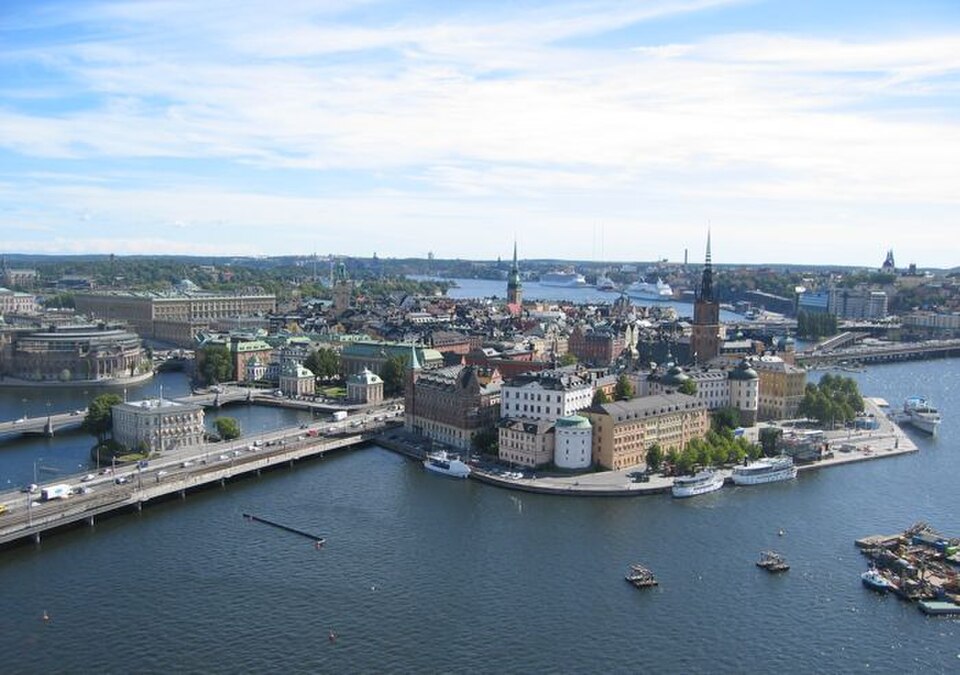
Sweden runs from 55°N to 69°N — long enough that its north and its south keep different weather and different daylight in the same week. Of its 450,295 km², built-up land accounts for 1.5 per cent, and 88 per cent of the 10,610,485 people counted in October 2025 live in towns concentrated in the south and the centre. That is the practical division for a visitor: the southern counties hold Stockholm and most of what fits into a weekend, while the rest of the 21 counties trade density for distance. Choose by how far you are willing to travel between two things.

Cities

Every city catalogued in this country so far, ranked by how much there is to see.

Practical information

Language spoken
Swedish
National practical orientation; regional and minority languages may also be used
Dialling code
+46
International calling code; local area and mobile prefixes still apply
Currency
Swedish krona (SEK)
Use the official local currency; card acceptance varies by place
Emergency number
112
Use only for an emergency; tourist assistance may use a separate number
Plug type
Type C and F · 230 V
Check that chargers support the recorded voltage before using an adapter
Tap water
Safe from the mains
Municipal drinking water is subject to Swedish food-safety controls

Planning a visit

  1. January: seasonal closure recorded
  2. February: seasonal closure recorded
  3. March: seasonal closure recorded
  4. April: seasonal closure recorded
  5. May: seasonal closure recorded
  6. June: seasonal closure recorded
  7. July: seasonal closure recorded
  8. August: no seasonality data recorded
  9. September: no seasonality data recorded — this month
  10. October: no seasonality data recorded
  11. November: no seasonality data recorded
  12. December: no seasonality data recorded

Top things to see

Ranked by importance — sitelinks, pageviews and heritage status, not editor preference.

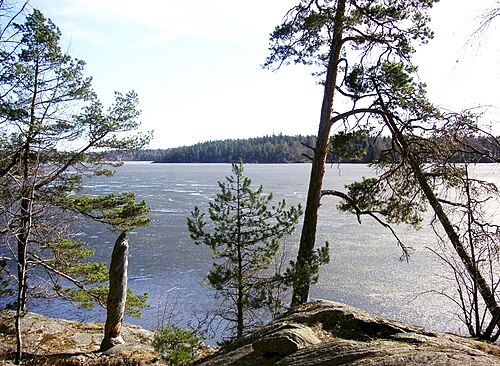
  1. Drevviken Drevviken
    02 1 hour

    Drevviken

    Drevviken is a lake located in Stockholm, Sweden. It forms part of the Stockholm archipelago's inland water system and is situated in the southern part of the city.

    • High
    • Nature site
    • Stockholm
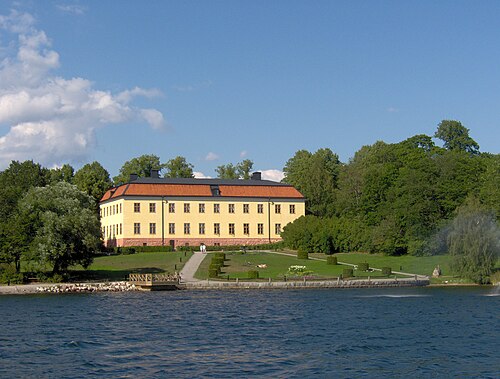
  2. Edsberg Castle Edsberg Castle
    03 1 hour

    Edsberg Castle

    Edsbergsparken

    Edsberg Castle is a historic castle located in Sollentuna Municipality, part of the Stockholm metropolitan area in Sweden. The castle dates to the 17th century and stands on the shores of Edsviken, a narrow inlet of the Baltic Sea.

    • High
    • Nature site
    • Stockholm
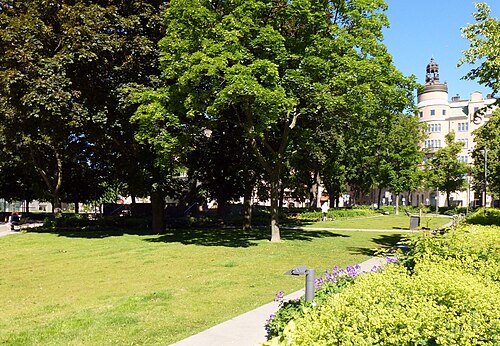
  3. Karlaplan
    06 1 hour

    Karlaplan

    • High
    • Nature site
    • Stockholm
  4. Albysjön
    07 1 hour

    Albysjön

    • High
    • Nature site
    • Stockholm
  5. Långsjön
    08 1 hour

    Långsjön

    • High
    • Nature site
    • Stockholm
  6. Magelungen
    09 1 hour

    Magelungen

    • High
    • Nature site
    • Stockholm
  7. Ältasjön
    12 1 hour

    Ältasjön

    • High
    • Nature site
    • Stockholm
  8. Aspen
    13 1 hour

    Aspen

    Södra Aspen

    • High
    • Nature site
    • Stockholm
  9. Flaten
    15 1 hour

    Flaten

    • High
    • Nature site
    • Stockholm
  10. Gömmaren
    16 1 hour

    Gömmaren

    • High
    • Nature site
    • Stockholm
  11. Kyrksjön
    19 1 hour

    Kyrksjön

    • High
    • Nature site
    • Stockholm
  12. Trekanten
    24 1 hour

    Trekanten

    • High
    • Nature site
    • Stockholm
  13. Ulvsjön
    26 1 hour

    Ulvsjön

    • High
    • Nature site
    • Stockholm
  14. Judarn
    28 1 hour

    Judarn

    • High
    • Nature site
    • Stockholm
  15. Laduviken
    29 1 hour

    Laduviken

    • High
    • Nature site
    • Stockholm
  16. Lillsjön
    30 1 hour

    Lillsjön

    • High
    • Nature site
    • Stockholm
  17. Lötsjön
    31 1 hour

    Lötsjön

    • High
    • Nature site
    • Stockholm
  18. Nytorget
    32 1 hour

    Nytorget

    • High
    • Nature site
    • Stockholm
  19. Vita Bergen
    38 1 hour

    Vita Bergen

    Vita bergen

    • High
    • Nature site
    • Stockholm
  20. Luxparken
    40 1 hour

    Luxparken

    • High
    • Nature site
    • Stockholm
  21. Bellevue park
    41 1 hour

    Bellevue park

    Bellevueparken

    • High
    • Nature site
    • Stockholm
  22. Balders hage
    57 1 hour

    Balders hage

    Balders Hage

    • High
    • Nature site
    • Stockholm
  23. Broparken
    62 1 hour

    Broparken

    • High
    • Nature site
    • Stockholm
  24. Cornelis park
    64 1 hour

    Cornelis park

    Cornelisparken

    • High
    • Nature site
    • Stockholm
  25. Ekebysjön
    66 1 hour

    Ekebysjön

    • High
    • Nature site
    • Stockholm
  26. Ellen Key park
    68 1 hour

    Ellen Key park

    Ellen Keys Park

    • High
    • Nature site
    • Stockholm
  27. Högalid park
    78 1 hour

    Högalid park

    Högalidsparken

    • High
    • Nature site
    • Stockholm
  28. Långbro park
    88 1 hour

    Långbro park

    Långbroparken

    • High
    • Nature site
    • Stockholm
  29. Mosebacke
    95 1 hour

    Mosebacke

    Mosebacke Torg

    • High
    • Nature site
    • Stockholm
  30. Ösbysjön
    98 1 hour

    Ösbysjön

    • High
    • Nature site
    • Stockholm

Source: OpenStreetMap contributors, Wikidata ·

Common questions

How long should a first trip to Sweden be?

Seven to ten days gives Stockholm three or four days and allows one rail-linked city, archipelago stay or northern extension. A journey into Swedish Lapland needs extra nights and should be planned as a distinct leg.

What entry documents are needed for Sweden?

The Swedish Migration Agency sets visitor and short-stay requirements. Check whether the passport needs a visa and which Schengen state should process an application for the complete itinerary.

What is the best way to travel around Sweden?

Stockholm Arlanda is the largest gateway; Gothenburg and the Copenhagen–Malmö route provide alternatives. Long-distance trains link the principal cities, while ferries, regional buses and domestic flights reach the wider country.

When is a practical time to visit Sweden?

May through August brings long daylight and the broadest summer access. Winter aurora or snow travel is a separate seasonal product, particularly in the north, with different transport and clothing requirements.

What money and payment basics apply in Sweden?

Sweden uses the krona (SEK), not the euro. Current cash and card acceptance is Not recorded in this file; check the operator’s stated payment method, particularly for unmanned or rural services.

What practical safety details should I save for Sweden?

Call 112 for emergencies in Sweden. Type C and F sockets operate at 230 V, and the recorded guidance says mains tap water is safe.