
4 min walk
Museo de la Real Academia de Bellas Artes de San Fernando
- Must see
- Museum
Language · 11 published
Activity · Madrid

Gran Vía is a major thoroughfare and prominent street in central Madrid, Spain. It stretches from Calle de Alcalá near Plaza de Cibeles to Plaza de España. Constructed in the early twentieth century, it represents a significant urban planning project that transformed the city center. The street is widely recognized for its dense concentration of early twentieth-century architecture, including buildings in styles ranging from Vienna Secession to Art Deco and Streamline Moderne. It functions simultaneously as a commercial corridor, entertainment district, and symbolic urban space within the Spanish capital.
Checked 2026-08-26
The street contains numerous buildings of architectural interest, including the Edificio Metrópolis with its distinctive dome, the Edificio Telefónica, and the Edificio España among others. Cinemas, theaters, and retail establishments line both sides of the avenue. The area includes the Cine Capitol and other historic entertainment venues. Restaurants, bars, and hotels occupy ground floors and upper levels of many structures. The street maintains active commercial use throughout its length. Specific current tenant information and interior access policies for individual buildings are not recorded in the available sources.
Checked 2026-08-26
A complete walk along Gran Vía from Plaza de Cibeles to Plaza de España covers approximately 1.3 kilometers. The duration required depends on individual walking pace and whether stops are made to enter buildings, observe architectural details, or use commercial services. A continuous passage without extended pauses typically requires fifteen to twenty-five minutes. Visitors intending to examine specific buildings, attend performances, or dine should allocate substantially more time. The street experiences varying pedestrian density throughout the day, which affects movement speed.
Checked 2026-08-26

Gran Vía is a public street accessible at all hours. Individual establishments along the avenue maintain their own operating schedules. Operator-confirmed hours for specific venues, including theaters, cinemas, restaurants, and retail establishments, are Not recorded pending review. The street atmosphere changes significantly between daytime commercial hours and nighttime entertainment periods. Seasonal variations in daylight and weather conditions affect the experience of walking the avenue. Visitors should consult current information from specific venues of interest before planning visits. Gran Vía also earns time in a madrid itinerary because Independent traveler stop frozen before production reconciliation; exact local identity verified without a proxy. Its value becomes clearer when the stop is compared with the surrounding streets and the other ranked places nearby.
Checked 2026-08-26
No general admission fee exists for entering or walking along Gran Vía as a public thoroughfare. Individual venues, including cinemas, theaters, and any buildings offering guided interior access, set their own pricing structures. Operator-confirmed prices for specific attractions, performances, or services are Not recorded pending review. Visitors should verify current costs directly with establishments. Some architectural viewing may be conducted from the public street without charge. The commercial nature of the area implies variable expenditure depending on services utilized.
Checked 2026-08-26
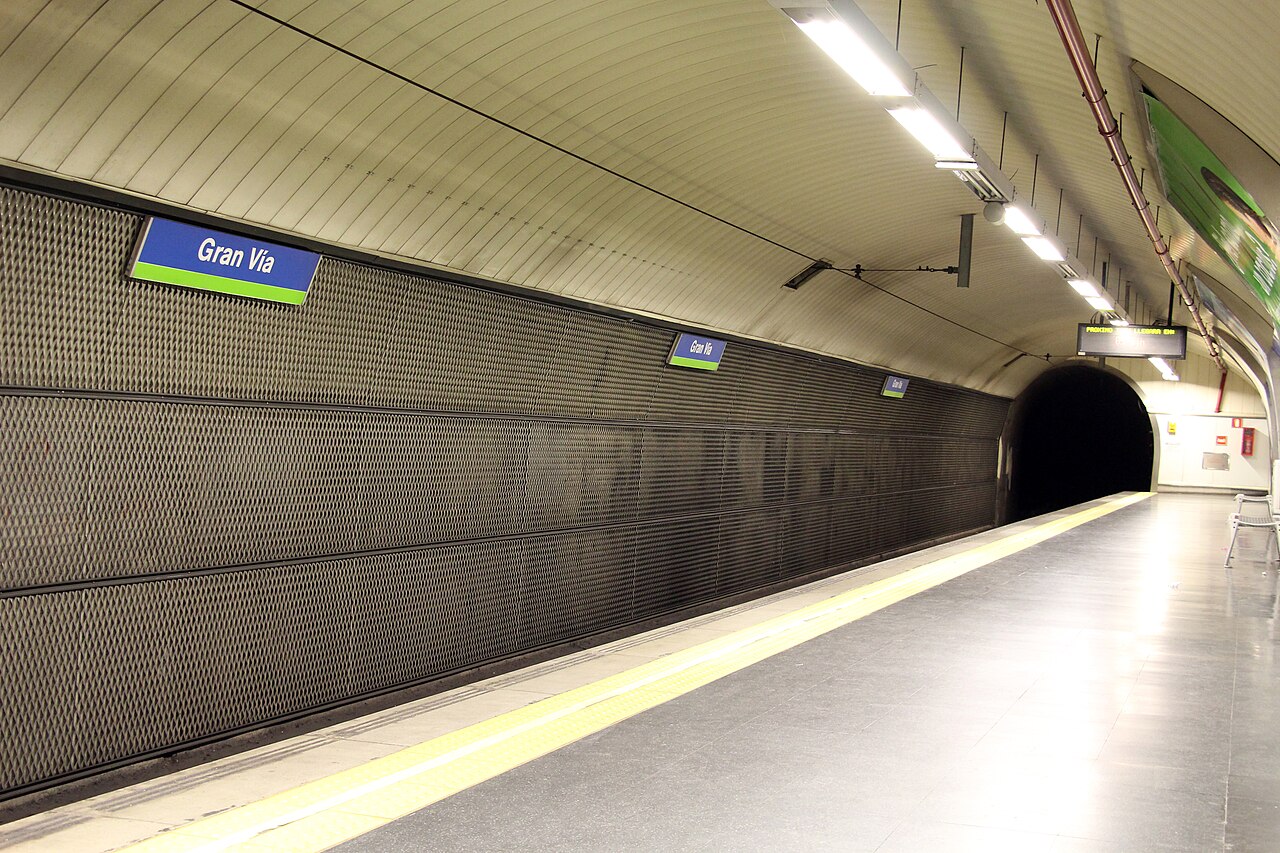
Gran Vía intersects with multiple Madrid Metro lines. Stations serving the avenue include Gran Vía, Callao, and Plaza de España, among others. The Metro provides connections across the city. Surface bus routes also traverse or intersect with the street. The central location permits pedestrian access from numerous surrounding districts. Madrid's rail network connects to suburban and regional services at nearby stations. Specific route numbers, frequencies, and current service status are not recorded in available sources. Visitors should consult current transit authority information.
Checked 2026-08-26
The street experiences high pedestrian and vehicular traffic. Visitors should exercise standard urban awareness regarding personal belongings in crowded conditions. The avenue functions as a major traffic artery; crossing requires attention to signals and traffic flow. Street performers and costumed individuals soliciting photographs operate in the area; engagement is discretionary. Nighttime activity increases substantially, altering the character of the space. Building facades may undergo renovation or be partially obscured by scaffolding. Commercial signage density is considerable. Air quality and noise levels reflect central urban conditions.
Checked 2026-08-26
The architectural facades along Gran Vía present subjects for exterior photography from public spaces. The Edificio Metrópolis, Edificio Telefónica, and other structures offer distinctive visual elements. Lighting conditions vary throughout the day and between seasons. Evening illumination of certain buildings creates altered photographic conditions. Tripod use in pedestrian thoroughfares may present practical difficulties during busy periods. Interior photography in commercial establishments requires permission from individual operators. No information regarding specific restrictions on professional or commercial photography equipment is recorded in available sources.
Checked 2026-08-26
Gran Vía functions as a major traffic artery in central Madrid. It is not recorded as being permanently closed to vehicles. Specific traffic regulations, pedestrianization phases, or temporary closures are not recorded in available sources.
The available sources do not record specific guided tour services dedicated to Gran Vía. Individual buildings may offer their own access arrangements. Visitors should consult current tourism information for Madrid.
Multiple stations serve the avenue including Gran Vía, Callao, and Plaza de España. The optimal station depends on which section of the street visitors wish to access first.
Specific public access policies for the interior of Edificio Metrópolis are not recorded in available sources. The building is prominently visible from the public street.
Gran Vía remains active during nighttime hours with increased entertainment-related foot traffic. Visitors should exercise standard urban precautions appropriate to any major city center.
Construction of Gran Vía occurred primarily in the early twentieth century. Individual buildings date from this period of development, with specific completion dates not recorded in available sources.
Loading the interactive map…
The interactive map could not be loaded.
Last updated:
Source: OpenStreetMap contributors ·


.jpg)
.jpg)