_07.jpg)

.jpg)


4 min walk
Puerta del Sol
- Must see
- Historic monument
Language · 1 published
Historic monument · Madrid
Monasterio de las Descalzas Reales

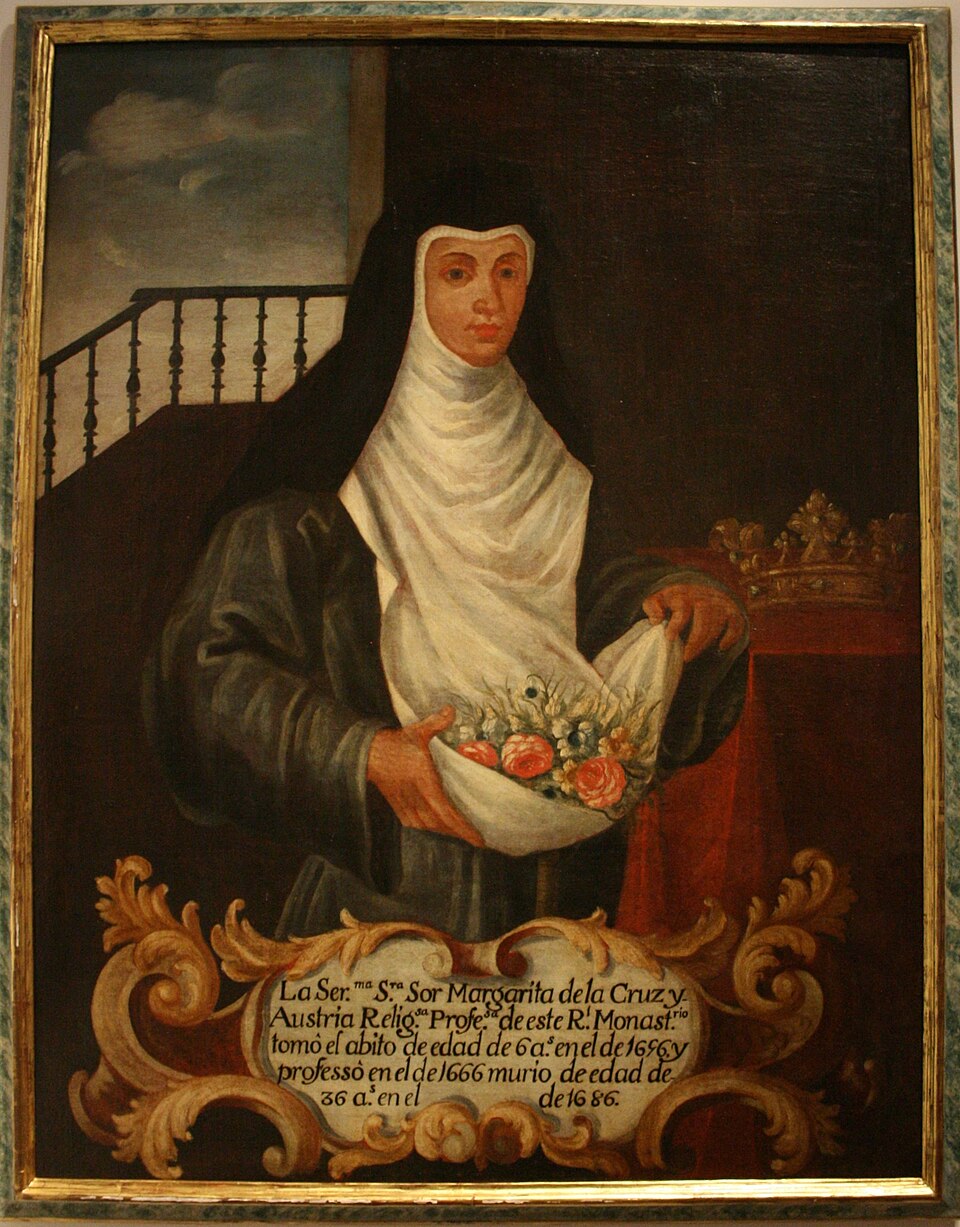
The Convent of Las Descalzas Reales is a royal monastery in central Madrid, founded in 1559 by Joanna of Austria, sister of Philip II. The local name Monasterio de las Descalzas Reales identifies this enclosed religious house where Franciscan nuns of the Poor Clare order have resided for centuries. It occupies a former royal palace site near Puerta del Sol. The institution remains active, with nuns living in cloistered contemplation, which directly affects visitor access and the atmosphere of any tour. Convent of Las Descalzas Reales also earns time in a madrid itinerary because Unique exact local or English production name match within the declared city scope. Its value becomes clearer when the stop is compared with the surrounding streets and the other ranked places nearby.
Checked 2026-08-26
The convent contains notable art collections accumulated through royal patronage and noble dowries. Visitors may see works by Titian, Rubens, and other European masters. The building preserves Renaissance and Baroque architectural elements, including chapels, cloisters, and royal apartments adapted for monastic use. The exact current inventory of displayed works is Not recorded. Religious furnishings, tapestries, and devotional objects reflect centuries of aristocratic female entombment and spiritual practice. The interior layout follows enclosed monastic conventions, limiting which spaces open to public view.
Checked 2026-08-26
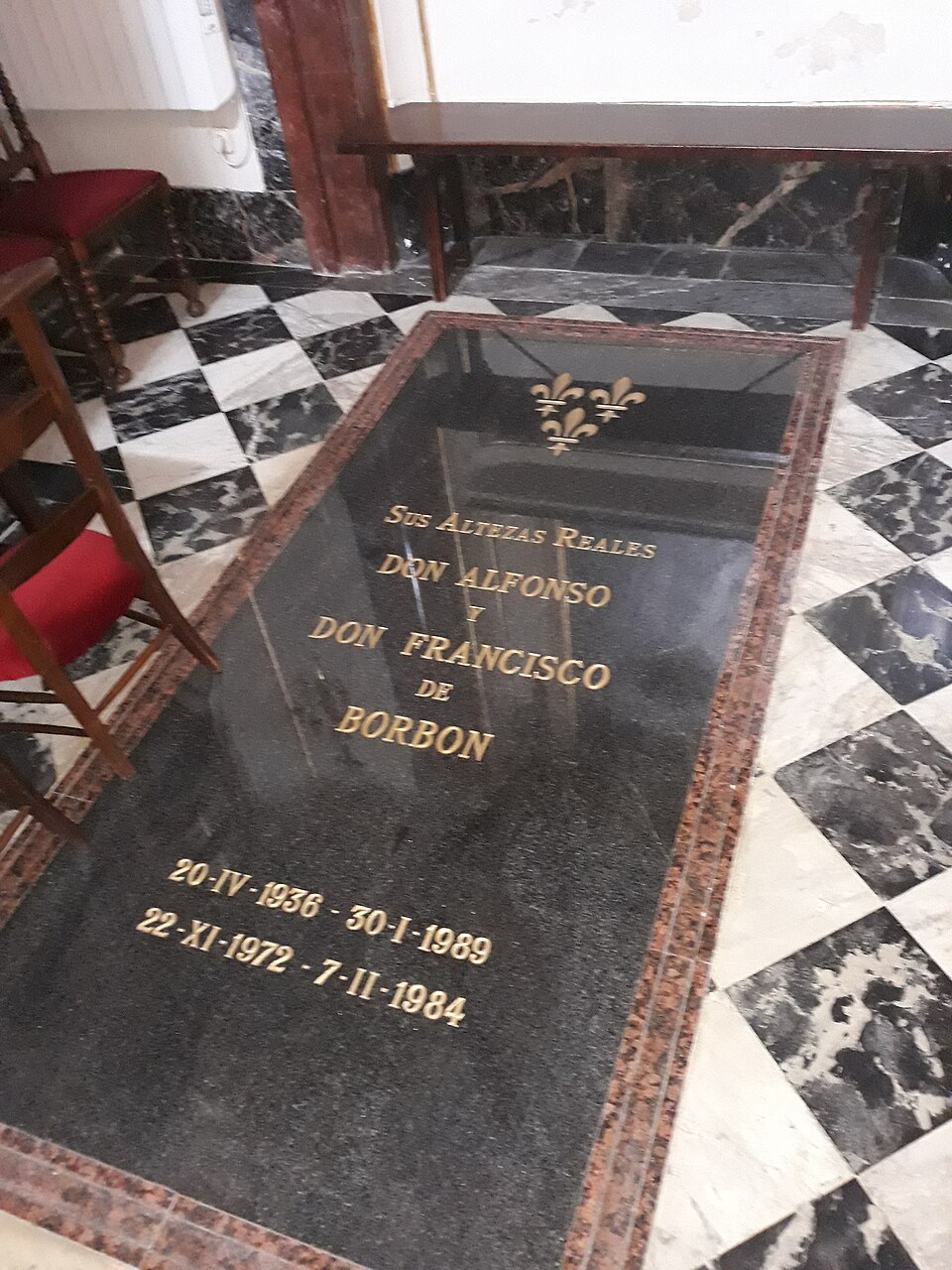
A typical visit requires approximately one hour, though this varies with individual pacing and any guided elements. The constrained route through working monastic quarters prevents extended self-directed exploration. Visitors should anticipate a structured experience rather than leisurely wandering. Those with deep interest in religious art history may wish to allocate additional time for contemplation of individual works, though practical access limitations apply. Groups move through designated passages under supervision. Planning for ninety minutes allows comfortable completion without rushing through historically significant chambers.
Checked 2026-08-26
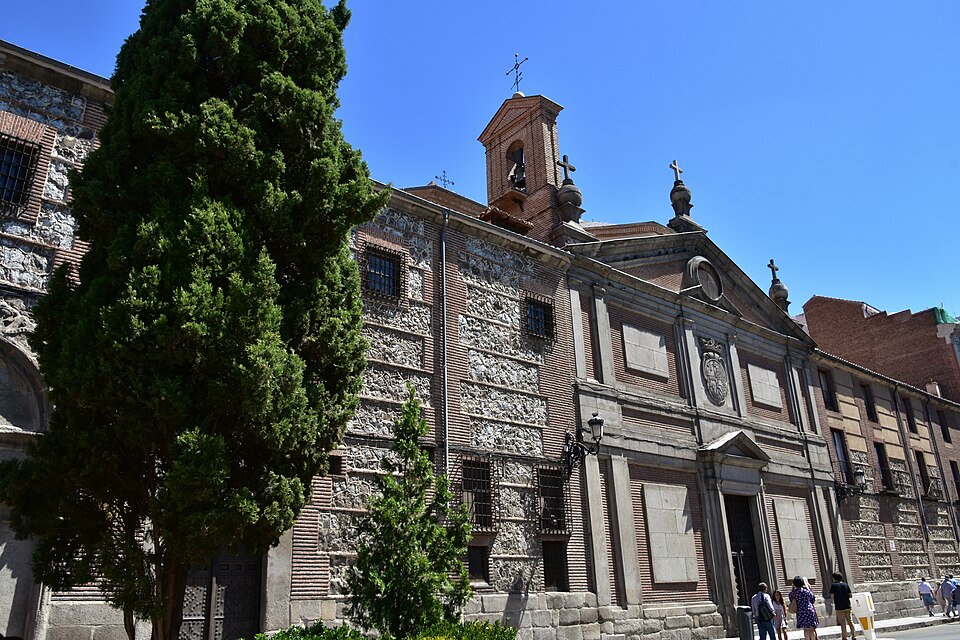
Operator-confirmed hours are Not recorded pending review. The convent maintains restricted visiting schedules reflecting its active religious function rather than conventional museum operations. Morning slots typically predominate for such institutions, though this cannot be confirmed. Seasonal variations likely occur, with reduced access during religious observances and monastic retreat periods. Visitors must verify current arrangements directly before travel, as cloistered communities modify schedules without external notice. Advance planning remains essential given the limited compatibility between contemplative monastic life and public tourism demands.
Checked 2026-08-26
Operator-confirmed prices are Not recorded pending review. The convent's status as active religious foundation with heritage collections creates ambiguous ticketing conventions. Some Spanish royal foundations operate with state support; others charge admission for conservation funding. Concession categories for seniors, students, or residents cannot be assumed. Payment methods and advance booking requirements are unknown. Visitors should consult official channels before arrival, carrying contingency funds. Free entry periods, common at Spanish state museums, may not apply to this semi-autonomous religious institution with separate governance structures.
Checked 2026-08-26
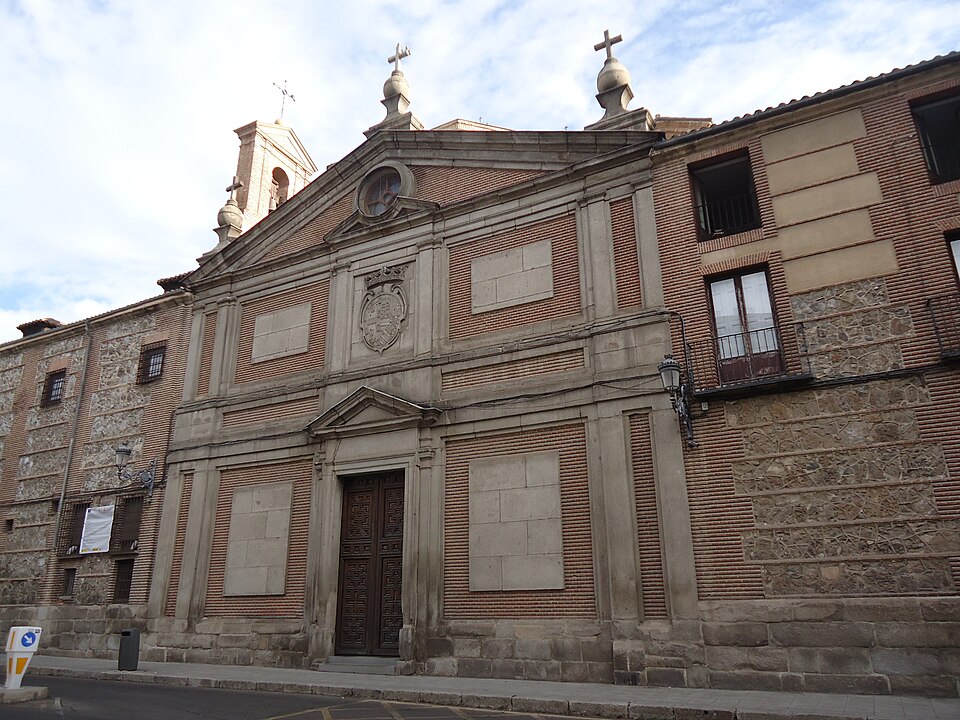
The convent occupies a central Madrid location near Plaza de las Descalzas, accessible from Puerta del Sol, the city's principal transport hub. Multiple Metro lines serve Sol station within short walking distance. Bus routes traverse surrounding streets. The compact historic center permits pedestrian approaches from major accommodations. Specific exit directions from Sol station are Not recorded. Taxis and ride services can approach nearby, though immediate street access may be constrained by pedestrian zones. Visitors should consult current urban mapping for precise final approach, as central Madrid undergoes periodic traffic modifications affecting vehicle access.
Checked 2026-08-26
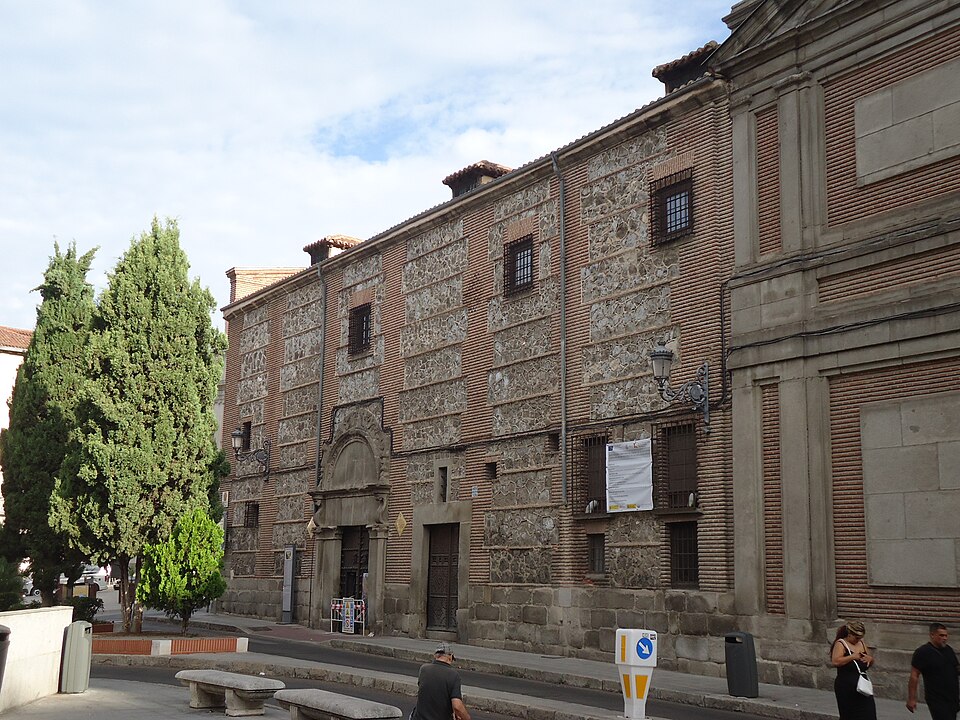
Respectful conduct is mandatory throughout; this remains an active monastery, not a secular museum. Photography restrictions likely apply internally, though exact policies are Not recorded. Modest dress is prudent for religious sites. Silence protocols may be enforced near cloistered areas. Accessibility limitations from historic building fabric should be anticipated. Advance reservation requirements, common for convent visits, are unconfirmed but probable. Last-minute closures for religious observance occur without notice. Visitors should verify operational status immediately before departure, as online information may lag behind monastic community decisions affecting public access.
Checked 2026-08-26
Photography policies are Not recorded. Active monasteries typically impose significant restrictions, particularly in chapels, cloisters, and areas visible to enclosed nuns. Flash photography is likely prohibited for art conservation. Tripods and professional equipment almost certainly require special permission. Mobile phone use may be restricted beyond photography concerns. Visitors should observe posted guidance and staff instructions without assumption of permitted documentation. The spiritual privacy of resident nuns takes precedence over visitor convenience. When uncertainty exists, refraining from photography demonstrates appropriate respect for this functioning religious community's dignity and boundaries.
Checked 2026-08-26
Yes. The Monasterio de las Descalzas Reales remains an active enclosed convent where Poor Clare nuns live in contemplation, which significantly affects visitor access and conduct requirements.
This is Not recorded. Many active monasteries require advance reservations due to limited capacity and religious schedules. Visitors should verify current requirements directly before travel.
The exact current inventory and display status are Not recorded. Royal foundations may rotate works or restrict access to certain chambers based on conservation and monastic needs.
Historic monastic buildings typically present accessibility challenges. Specific accommodations are Not recorded. Visitors should inquire directly about current facilities and alternative arrangements.
Language availability is Not recorded. Some Spanish religious foundations provide multilingual options; others operate only in Spanish. Direct inquiry before visiting is recommended.
This is Not recorded. Active monasteries often impose age restrictions or behavior expectations incompatible with young children. Families should verify policies directly before planning visits.
Loading the interactive map…
The interactive map could not be loaded.
Last updated:
Source: OpenStreetMap contributors, Wikidata ·