
.jpg)

,_Madrid,_Spain_(_Ank_Kumar_)_01.jpg)
,_Madrid,_Spain_(_Ank_Kumar_)_02.jpg)
,_Madrid,_Spain_(_Ank_Kumar_)_03.jpg)
2 min walk
Thyssen-Bornemisza Museum
- Must see
- Museum
Language · 1 published
Historic monument · Madrid
Fuente de Neptuno
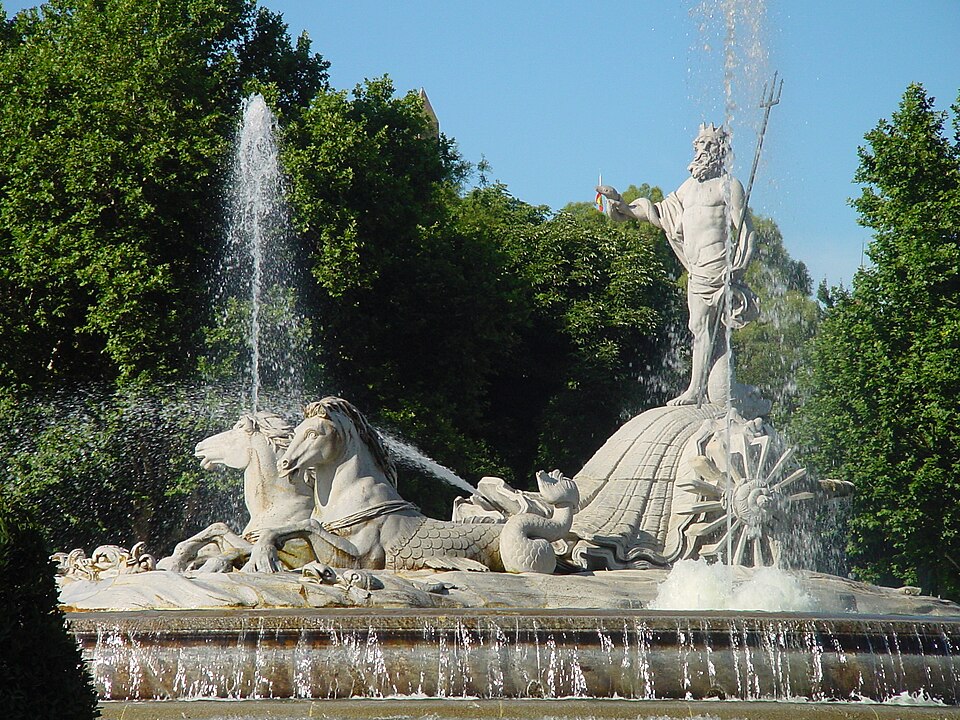
The Fountain of Neptune, known locally as Fuente de Neptuno, is a prominent neoclassical monument situated in Madrid. It depicts the Roman god of the sea, Neptune, standing upon a chariot drawn by sea horses. The fountain occupies a significant position within the urban landscape of the Spanish capital, serving as both a sculptural artwork and a recognizable civic landmark. Its placement reflects the historical importance of public monuments in Madrid's city planning and cultural identity. Fountain of Neptune also earns time in a madrid itinerary because Unique exact local or English production name match within the declared city scope. Its value becomes clearer when the stop is compared with the surrounding streets and the other ranked places nearby.
Checked 2026-08-26
The fountain features a bronze sculpture of Neptune holding a trident, positioned atop a shell-shaped chariot pulled by two hippocampi, or sea horses with fish tails. The sculptural group rests upon a stone basin with decorative elements. The monument's design embodies neoclassical artistic principles popular during its era of construction. Water features form part of the fountain's composition, though specific operational details regarding water displays are Not recorded. The surrounding plaza provides pedestrian access for viewing the monument from multiple angles.
Checked 2026-08-26
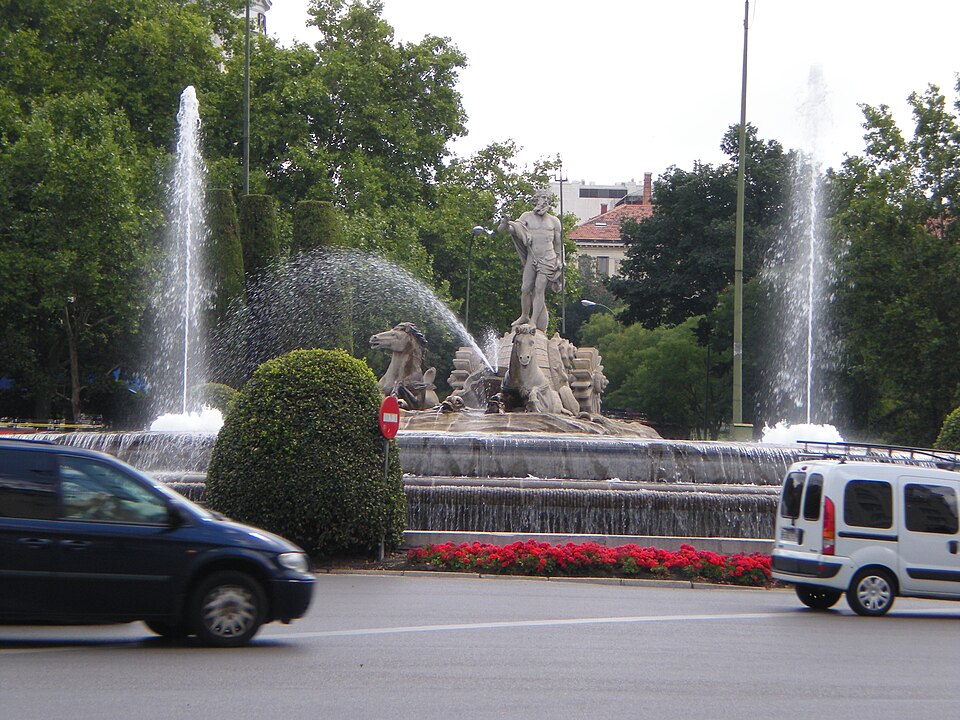
Visitors typically spend approximately fifteen to thirty minutes at the Fountain of Neptune, depending upon individual interest in photographic documentation and appreciation of sculptural details. The monument functions as an outdoor public installation without enclosed spaces requiring extended exploration. Many travelers incorporate the fountain into broader itineraries covering the surrounding district. The duration of visit may extend for those choosing to rest in the adjacent plaza or observe the fountain's interaction with its urban context during different lighting conditions throughout the day.
Checked 2026-08-26

The Fountain of Neptune is an outdoor public monument accessible at all hours, though operator-confirmed hours are Not recorded pending review. Visitors may approach the fountain during daylight for optimal visibility of sculptural details, or during evening hours when artificial illumination may enhance its visual presence. Seasonal weather conditions in Madrid should inform visitor planning, as the fountain offers no shelter. The surrounding plaza maintains activity throughout the day and evening, contributing to varying atmospheric conditions for observation.
Checked 2026-08-26
The Fountain of Neptune is a public monument accessible without admission charge. No ticketing infrastructure is present at the site. Operator-confirmed prices are Not recorded pending review. Visitors should anticipate no direct costs associated with viewing the fountain, though incidental expenses such as transportation to the location or refreshments in the surrounding area may apply. The absence of controlled entry reflects its function as civic infrastructure rather than a managed tourist attraction with regulated access protocols.
Checked 2026-08-26

The Fountain of Neptune occupies a position within central Madrid's urban fabric. Public transportation options serving the broader city center include the Madrid Metro system and municipal bus services, with specific route planning advisable based upon visitor origin points. The monument's prominence within the cityscape facilitates pedestrian discovery for those exploring the surrounding district on foot. Cyclists may find dedicated infrastructure in portions of central Madrid, though specific parking provisions at the fountain itself are Not recorded. Private vehicle access is constrained by typical central city traffic patterns.
Checked 2026-08-26

Visitors should exercise standard urban awareness in the plaza surrounding the Fountain of Neptune, as with any central city location experiencing significant pedestrian traffic. The fountain's water features may create slippery conditions on adjacent surfaces. No protective barriers separate viewers from the monument's basin, requiring caution particularly for accompanied children. Seasonal weather extremes in Madrid, including intense summer heat and occasional winter cold, necessitate appropriate preparation. The monument's popularity may result in crowded conditions during peak visitation periods, affecting both personal space and photographic opportunities.
Checked 2026-08-26

The Fountain of Neptune permits unrestricted photography as an outdoor public installation. Optimal photographic conditions occur during morning and late afternoon hours when directional sunlight illuminates the bronze sculpture. Night photography may capture artificial lighting effects, though specific illumination schedules are Not recorded. The surrounding plaza offers multiple vantage points, though the presence of traffic and pedestrians requires compositional patience. Wide-angle lenses accommodate the monument's height and contextual surroundings, while telephoto options isolate sculptural details. Drone operation would require compliance with Spanish aviation regulations and municipal restrictions not confirmed in available sources.
Checked 2026-08-26
No. The Fountain of Neptune is an outdoor public monument situated in a plaza. It requires no indoor access and has no enclosed visitor facilities.
Direct physical interaction with the monument is not advisable. Standard respectful behavior toward public artworks applies, and visitors should exercise caution near water features.
Dedicated guided tours for this single monument are Not recorded. The fountain is typically encountered during broader walking tours of central Madrid or independent exploration.
Specific operational schedules for water features are Not recorded pending review. The sculptural monument remains physically present regardless of water circulation status.
Public restroom facilities directly adjacent to the Fountain of Neptune are Not recorded. Visitors should plan accordingly when exploring the surrounding district.
The precise commissioning circumstances and intended commemorative purpose beyond general neoclassical civic decoration are Not recorded in the supplied context.
Loading the interactive map…
The interactive map could not be loaded.
Last updated:
Source: OpenStreetMap contributors, Wikidata ·