


3 min walk
Seoul Museum of History
- Must see
- Museum
Language · 1 published
Historic monument · Seoul
경희궁
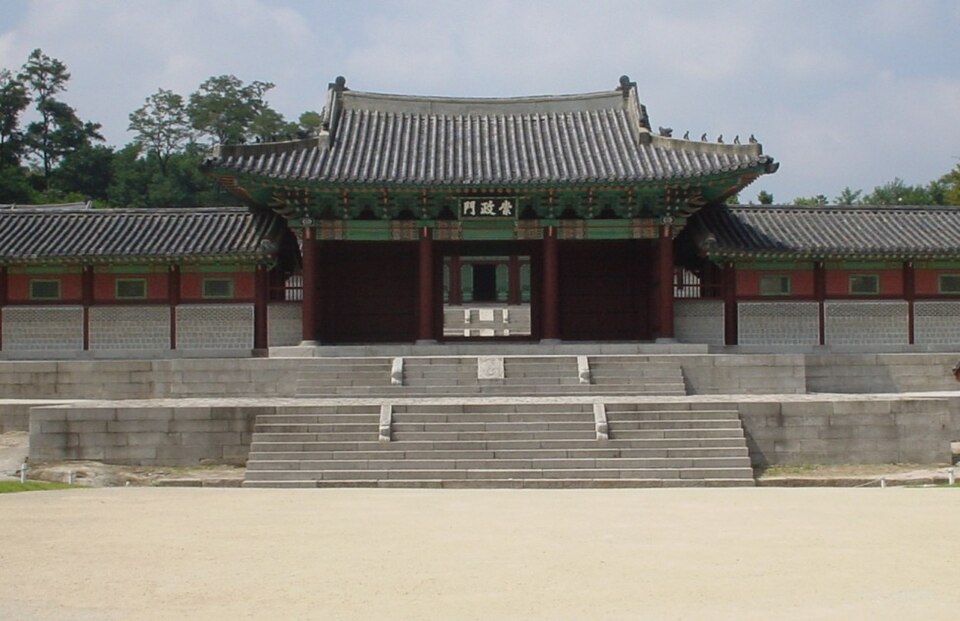
Gyeonghuigung is a former royal palace in Seoul, South Korea, with the local name 경희궁. It served as one of the Five Grand Palaces built during the Joseon Dynasty. The palace was originally constructed in the seventeenth century and functioned as a secondary palace for kings. Much of the original complex was destroyed during the Japanese colonial period and subsequent urban development. A partial reconstruction effort has restored several key buildings. The site now operates as a historical and cultural destination within the modern city, offering visitors insight into Korea's royal architectural heritage and the complex history of preservation in Seoul.
Checked 2026-08-26
The reconstructed palace grounds contain several traditional wooden structures typical of Joseon-era royal architecture. These include throne halls, residential quarters, and ceremonial buildings arranged according to Confucian spatial principles. The compound features stone foundations, tiled roofs with curved eaves, and painted wooden beams in the dancheong decorative style. Visitors can observe the contrast between the historical reconstructions and the surrounding contemporary urban environment. The site includes open courtyard spaces and pathways connecting the various structures. Some areas may contain informational displays or exhibits related to the palace's history, though specific current contents should be verified on-site.
Checked 2026-08-26

A thorough visit to Gyeonghuigung typically requires between one and two hours, depending on individual interest in architectural details and historical context. Casual visitors may complete a circuit of the main reconstructed areas in approximately forty-five minutes to one hour. Those wishing to examine building features closely, read available information, or photograph the structures should allocate additional time. The compact nature of the reconstructed site means extensive walking is not required. Visitors combining this palace with nearby historical attractions in the Seosomun or Gwanghwamun areas may wish to plan a half-day itinerary encompassing multiple destinations.
Checked 2026-08-26
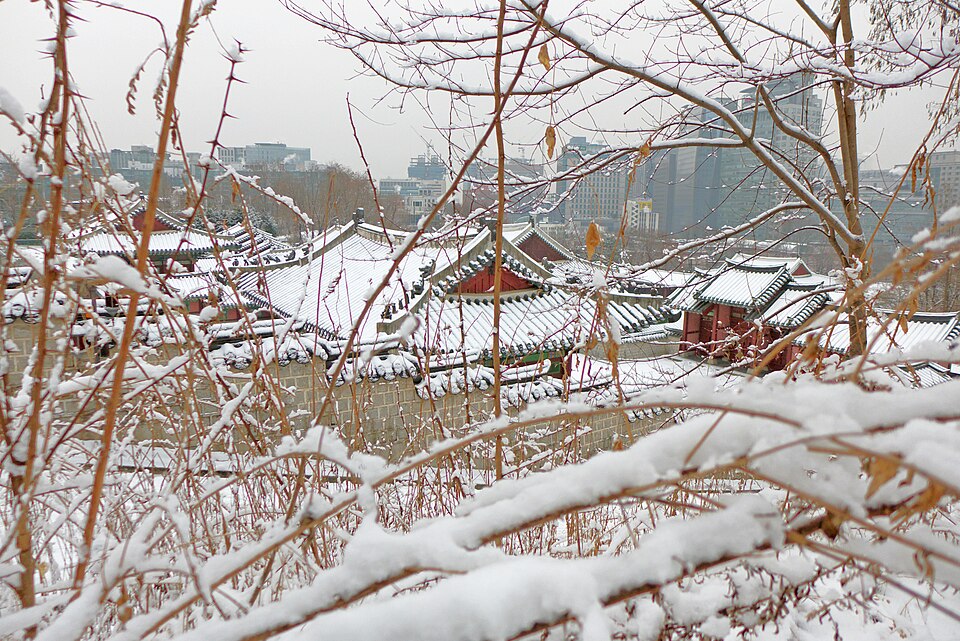
Operator-confirmed hours are Not recorded pending review. Visitors should verify current opening schedules through official channels before planning their trip. Seasonal considerations for Seoul include spring cherry blossom periods and autumn foliage, which may enhance the visual appeal of palace grounds. Summer months bring heat and humidity, while winter can be cold with occasional snow. The reconstructed buildings offer limited interior shelter. Weekday mornings may provide quieter visiting conditions compared to weekends. Special cultural events or ceremonies occasionally take place at palace sites, though specific programming at Gyeonghuigung should be confirmed through official tourism resources rather than assumed.
Checked 2026-08-26
Operator-confirmed prices are Not recorded pending review. Admission policies for Seoul's palace complexes vary, with some sites requiring fees and others operating free of charge. Visitors should consult current official sources for accurate pricing information. Certain categories of visitors, such as children, seniors, or holders of combined palace passes, may be eligible for reduced or waived admission at historical sites in Seoul. Foreign tourists should verify whether international identification is accepted for any applicable discounts. Payment methods accepted at the entrance should be confirmed in advance, as some Korean heritage sites may have limited options for cashless transactions from international cards.
Checked 2026-08-26

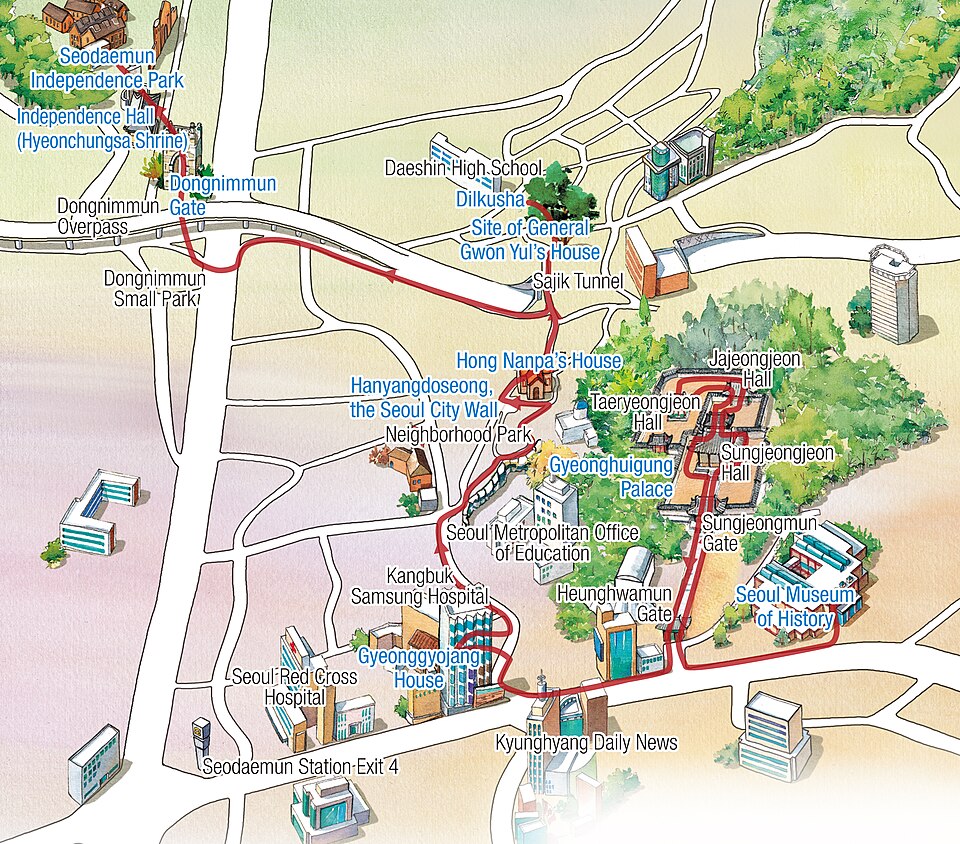
Gyeonghuigung is situated in central Seoul, accessible via the city's extensive public transportation network. The nearest subway stations include Seodaemun on Line 5 and Gwanghwamun on Line 5, with walking connections required from each. Multiple bus routes serve the surrounding district. Taxis and ride-hailing services operate throughout Seoul and can access the palace vicinity. Visitors should note that exact entrance locations and pedestrian routing may change due to urban development or construction projects. Digital mapping services using the provided production identity way/608947584 can assist with precise positioning, though on-the-ground verification of walking directions remains advisable in dense urban environments.
Checked 2026-08-26
The reconstructed palace sits within a heavily developed urban context, requiring awareness of traffic and construction when approaching on foot. Traditional wooden structures and stone surfaces may become slippery in wet conditions. Some areas lack comprehensive English signage, potentially creating navigation challenges. The compact site can experience crowding during peak visitation periods. Visitors should respect any roped-off or restricted zones protecting the reconstructed buildings. Photography policies may vary by specific structure or area. As with any tourist destination in Seoul, standard precautions regarding personal belongings apply. The surrounding district contains steep terrain in places, which may affect accessibility for visitors with mobility limitations.
Checked 2026-08-26
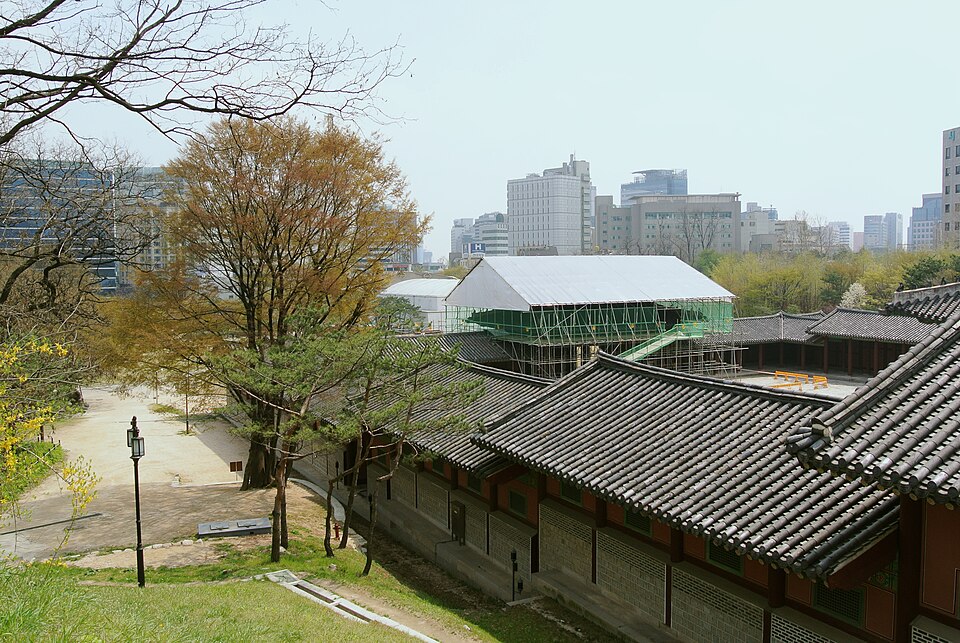
The reconstructed palace architecture provides subjects for photography, including traditional rooflines, painted decorations, and courtyard perspectives. The juxtaposition of historical structures against modern Seoul skyscrapers offers distinctive compositional opportunities. Natural lighting conditions vary significantly by season and time of day, affecting photographic results. Tripod use may be restricted without prior permission at heritage sites. Interior photography may be prohibited or limited in certain reconstructed buildings. Visitors should observe posted signage regarding camera equipment and commercial photography restrictions. Early morning or late afternoon light generally produces favorable conditions for exterior architectural photography. The relatively modest scale of the reconstructed complex means wide-angle lenses may prove useful for capturing building ensembles.
Checked 2026-08-26
Gyeonghuigung is historically classified among the Five Grand Palaces of the Joseon Dynasty, though it served as a secondary palace rather than the primary royal residence.
Most structures are reconstructions, as the original palace was largely destroyed during the Japanese colonial period and subsequent urban development.
Gyeonghuigung is significantly smaller in scale and less extensively reconstructed than Gyeongbokgung, with a more intimate atmosphere and fewer crowds.
English signage may be limited; visitors should not assume comprehensive multilingual interpretation throughout the reconstructed complex.
The central Seoul location permits walking or short transit connections to other historical sites, museums, and cultural destinations in the vicinity.
Specific amenity provisions are Not recorded pending review; visitors should plan accordingly and verify current facilities through official sources.
Loading the interactive map…
The interactive map could not be loaded.
Last updated:
Source: OpenStreetMap contributors, Wikidata ·