.jpg)
.jpg)

.jpg)

.jpg)
3 min walk
National Museum of Natural History and Science
- Must see
- Museum
Language · 1 published
Nature site · Lisbon
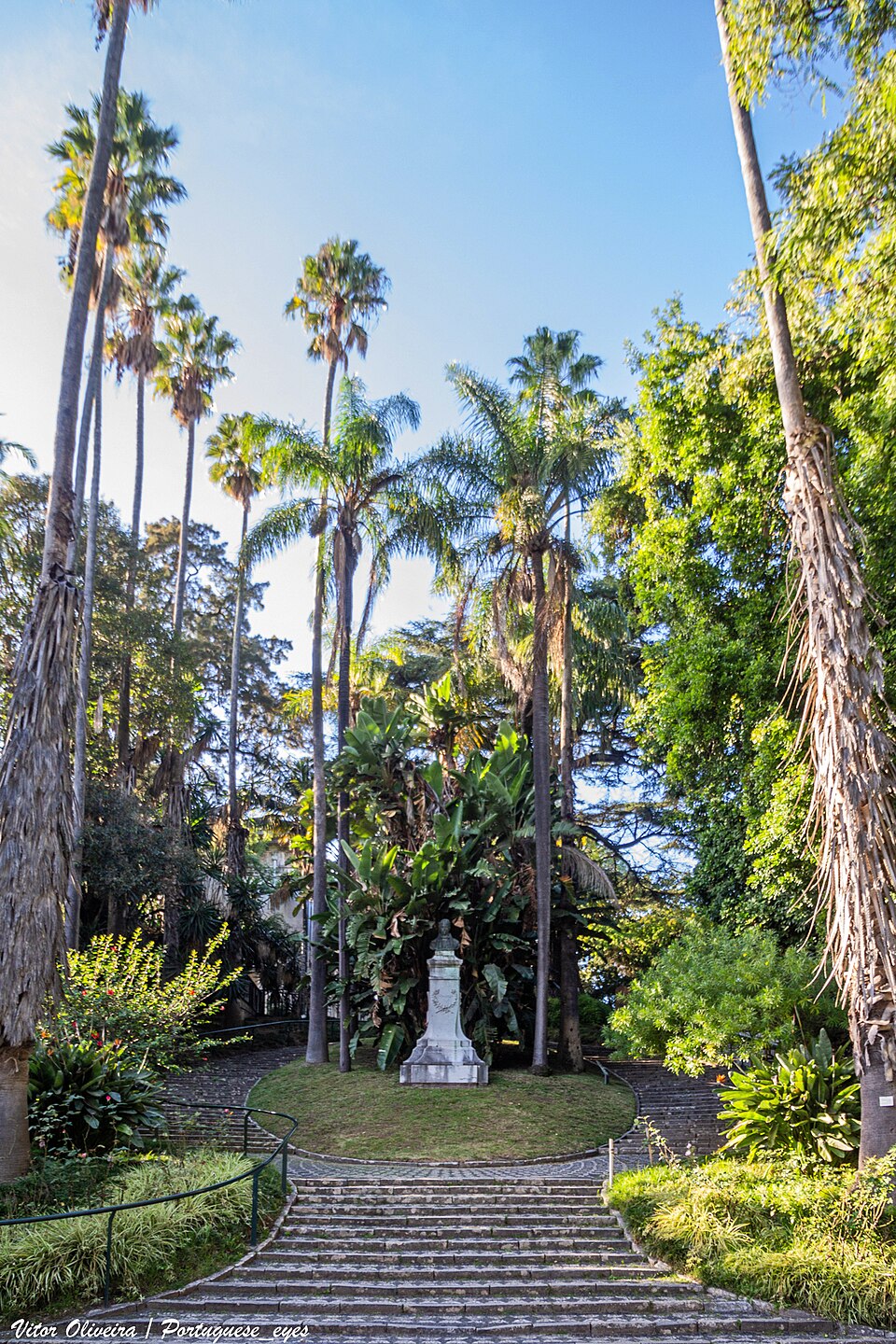
Jardim Botânico de Lisboa is a botanical garden in Lisbon, Portugal. Established in the 19th century, it serves as a scientific and educational institution focused on plant conservation and research. The garden occupies a hillside location in the Príncipe Real district, offering visitors a green retreat within the urban environment. It belongs to the Museu Nacional de História Natural e da Ciência and maintains collections of tropical, subtropical, and Mediterranean flora. The site contributes to Lisbon's cultural and scientific tourism landscape.
Checked 2026-08-26
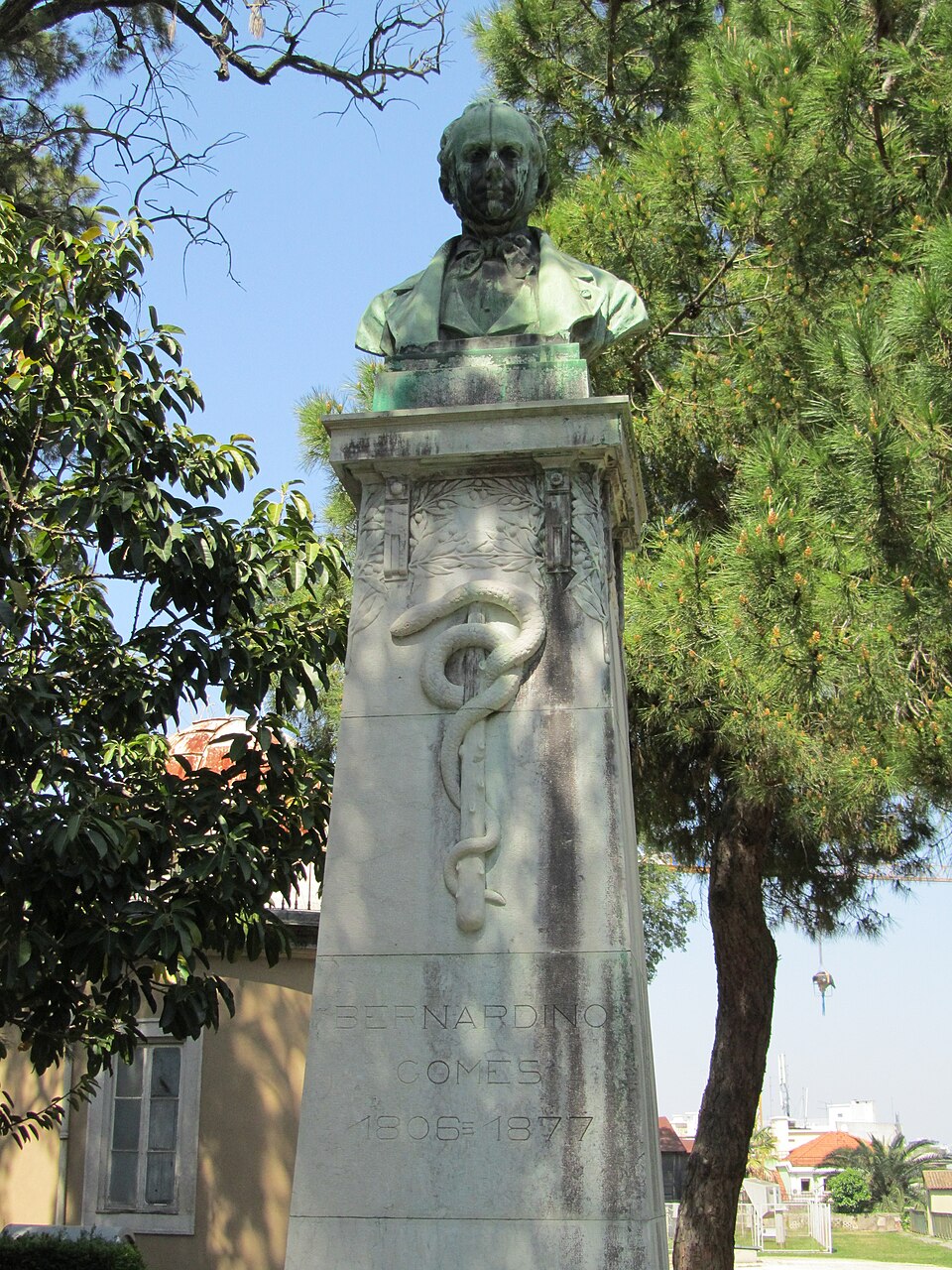
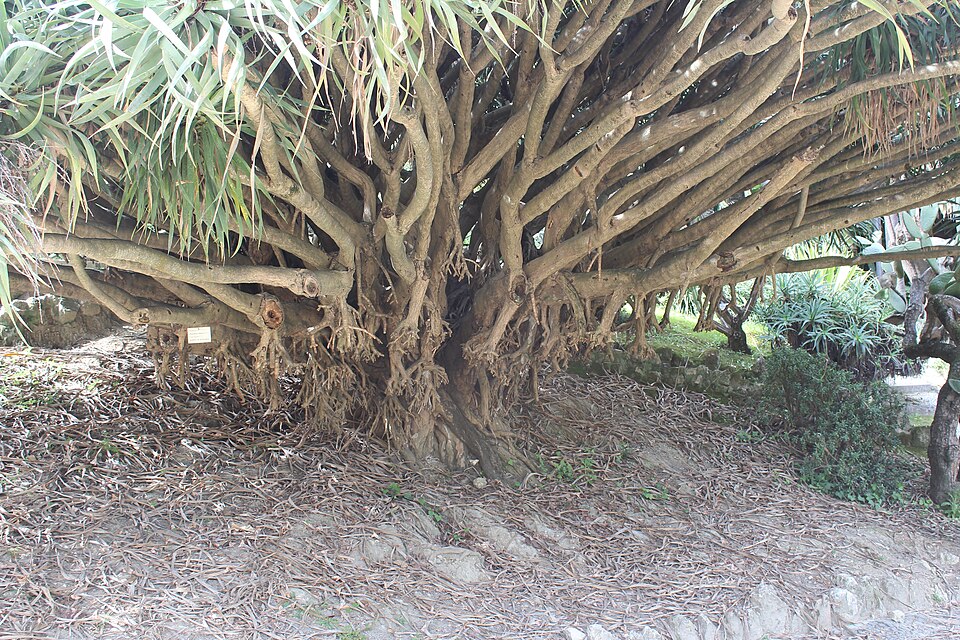
The garden contains diverse plant collections organized by geographic origin and botanical classification. Visitors encounter palm trees, cycads, ferns, and numerous exotic species in outdoor beds and greenhouses. A notable feature is the large kapok tree. The garden includes fountains, statuary, and shaded pathways that facilitate leisurely exploration. The greenhouses protect tender tropical specimens unsuited to Portugal's climate. Educational signage and labeled specimens support visitor understanding. The layout follows 19th-century garden design principles with terraced levels adapted to the sloping terrain.
Checked 2026-08-26
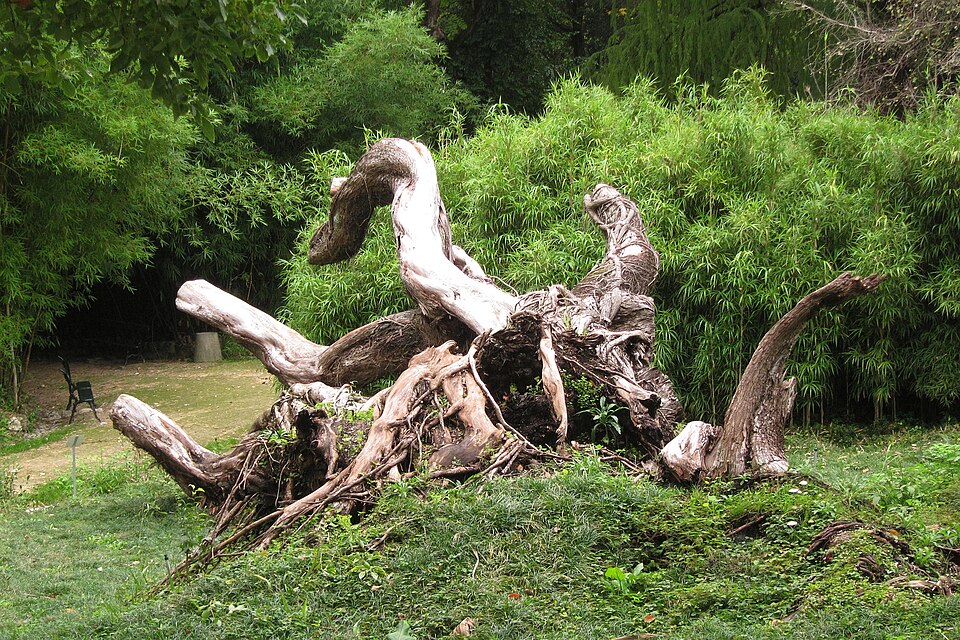
A thorough visit to Jardim Botânico de Lisboa typically requires between one and two hours. Casual visitors content with a brief stroll may complete a circuit in approximately forty-five minutes. Botanically inclined guests or those seeking photography opportunities should allocate additional time. The garden's compact size relative to major metropolitan parks permits efficient coverage. Visitors combining this destination with nearby Príncipe Real attractions often integrate it into a half-day itinerary. Morning visits may feel more relaxed before accumulated daily visitors arrive.
Checked 2026-08-26
Operator-confirmed hours are Not recorded pending review. Visitors should consult official sources before planning attendance. Seasonal considerations affect the garden experience. Spring brings flowering displays and active growth. Summer offers lush vegetation though midday heat may prove intense on exposed terraces. Autumn maintains considerable interest with changing foliage on deciduous specimens. Winter reduces some outdoor collections to dormant states but permits clearer structural views. Greenhouse environments remain productive year-round. Weekday mornings typically afford quieter conditions than weekends or holiday periods. Jardim Botânico de Lisboa also earns time in a lisbon itinerary because Unique exact local or English production name match within the declared city scope. Its value becomes clearer when the stop is compared with the surrounding streets and the other ranked places nearby.
Checked 2026-08-26
Operator-confirmed prices are Not recorded pending review. Visitors should verify current admission policies through official channels. The garden's association with the national natural history museum may affect ticketing structures, potentially including combination options with affiliated institutions. Discount categories commonly applicable at Portuguese cultural sites may encompass students, seniors, and youth, though specific eligibility requires confirmation. Free admission periods, if any, remain unverified. Cash and card acceptance should not be assumed without checking. Annual passes or membership benefits for repeated visits require direct inquiry.
Checked 2026-08-26
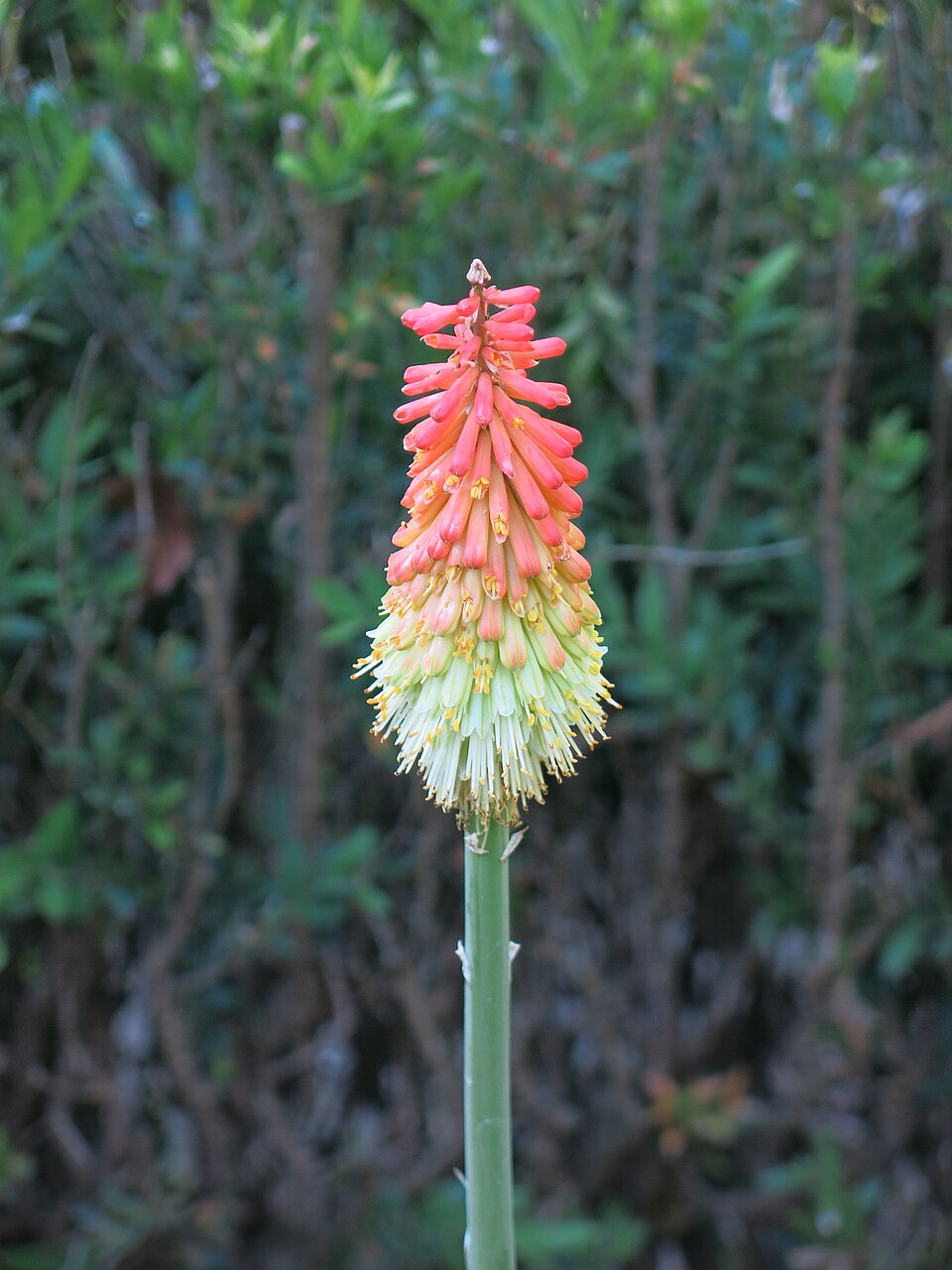
Jardim Botânico de Lisboa sits in the Príncipe Real neighborhood, northwest of central Baixa. The garden's hillside position necessitates some uphill walking from lower districts. Public transit access involves nearby bus and tram routes serving the area, with stops requiring short walks. The historic 28 tram passes through adjacent streets. Metro stations lie at moderate walking distances. Taxis and ride services can approach closer. Visitors with mobility limitations should research specific access points given the terraced terrain. Cycling presents challenges due to steep surrounding streets.
Checked 2026-08-26
The sloping terrain features steps and uneven surfaces throughout, requiring appropriate footwear and caution. Some pathways may become slippery after rain. Shade coverage varies; sun protection and water merit consideration during warm periods. Greenhouse interiors may feel humid. The garden's scientific purpose demands respectful behavior toward plant collections. Limited facilities exist within the grounds; visitors should address needs beforehand. Security closing procedures require attention to avoid inconvenience. Wildlife including birds and insects naturally inhabits the space. Personal belongings warrant standard vigilance as in any tourist-frequented location.
Checked 2026-08-26

The garden offers varied photographic subjects including specimen plants, architectural greenhouses, fountains, and terraced vistas. Morning and late afternoon light enhance the hillside setting. Macro opportunities abound for botanical detail work. The kapok tree and mature palms provide striking vertical elements. Greenhouse glass structures create interesting interior light conditions. Tripod use may require permission. Visitors should balance photographic activity with garden etiquette, avoiding damage to plantings or obstruction of narrow pathways. Seasonal variations significantly alter visual character, rewarding repeat visits throughout the year.
Checked 2026-08-26
Children may appreciate the garden's open space and exotic plants, though the scientific focus and lack of playground facilities limit dedicated child-oriented features. Parents should supervise closely on steps and slopes.
Guided tour availability is Not recorded. Visitors seeking structured interpretation should inquire directly with the garden or associated museum regarding scheduled programs or advance booking possibilities.
Full accessibility is unlikely given the hillside terracing and steps throughout. Visitors with mobility considerations should contact operators for specific route advice before visiting.
Picnicking policies are Not recorded. The garden's scientific and preservation mission suggests visitors should exercise judgment and avoid activities that might damage collections or disturb other guests.
Pet policies are Not recorded. Visitors should verify current regulations before bringing animals, as botanical gardens frequently restrict pets to protect plant collections and maintain visitor experience quality.
On-site commercial facilities are Not recorded. Visitors should not assume availability of refreshments or souvenirs within the grounds and may wish to provision accordingly or utilize nearby Príncipe Real establishments.
Loading the interactive map…
The interactive map could not be loaded.
Last updated:
Source: OpenStreetMap contributors, Wikidata ·