


4 min walk
Palácio Nacional da Ajuda
- Must see
- Museum
Language · 1 published
Nature site · Lisbon
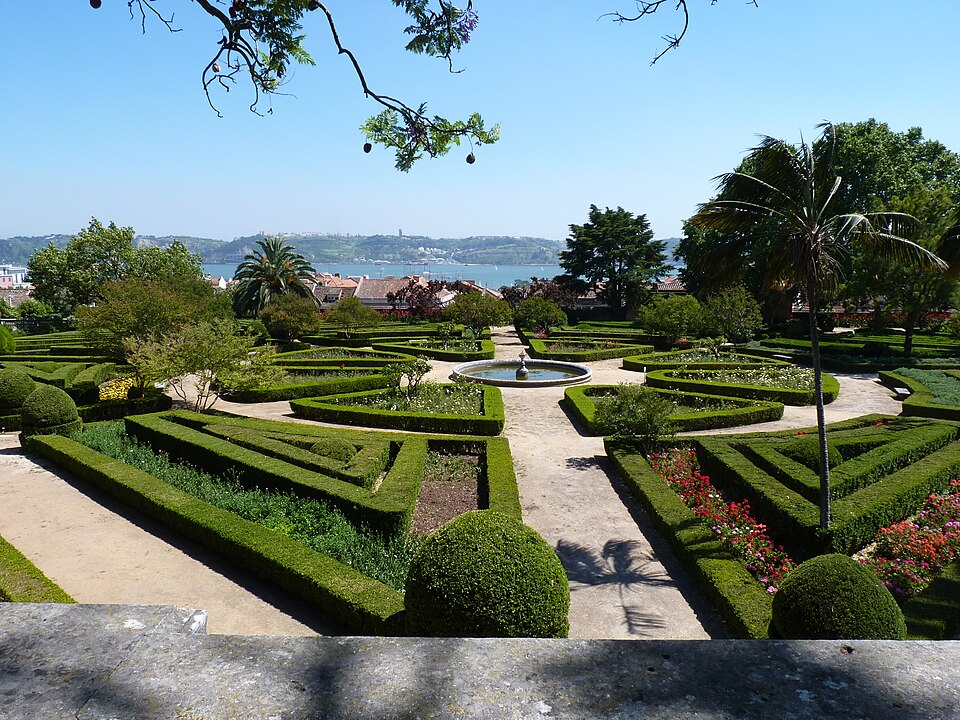
Jardim Botânico da Ajuda is a historic botanical garden in the Ajuda district of Lisbon. Established in the 18th century, it ranks among Portugal's oldest botanical gardens. The garden occupies a hillside position near the Palácio Nacional da Ajuda, offering views toward the Tagus River. It was originally created to support botanical research and education, serving as a repository for plant species from Portugal's global maritime explorations. The garden represents an important chapter in Portuguese scientific and colonial history. Jardim Botânico da Ajuda also earns time in a lisbon itinerary because Unique exact local or English production name match within the declared city scope. Its value becomes clearer when the stop is compared with the surrounding streets and the other ranked places nearby.
Checked 2026-08-26
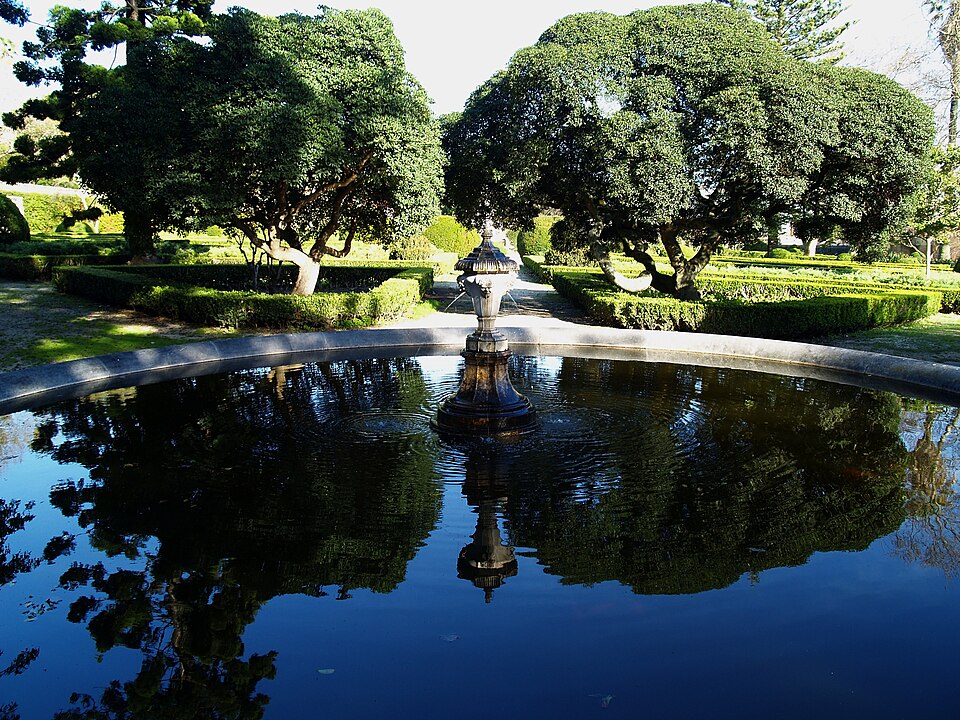
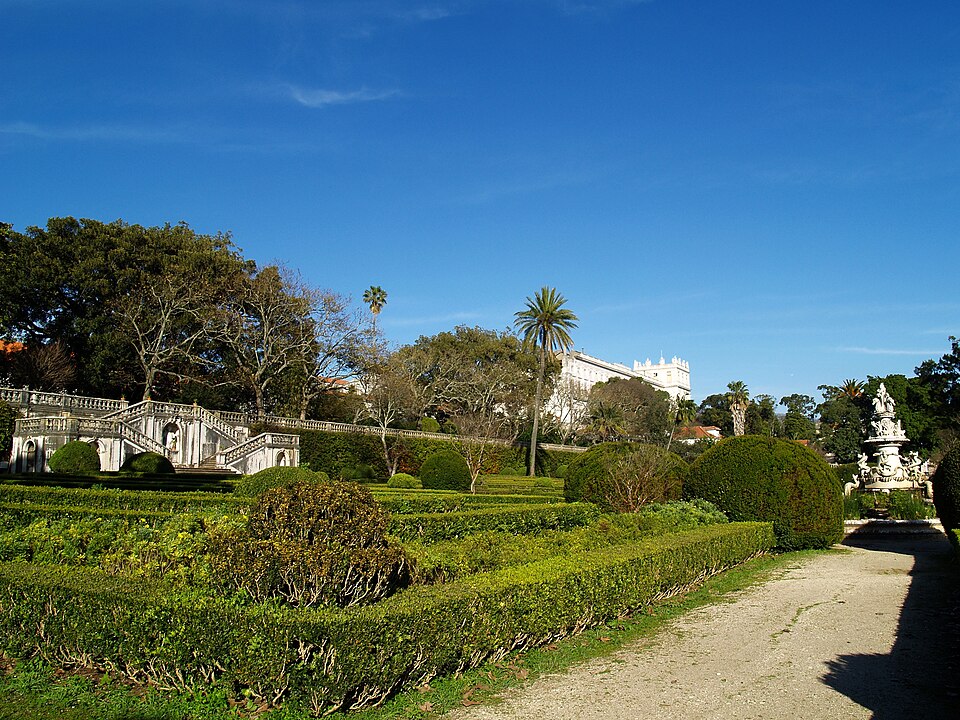
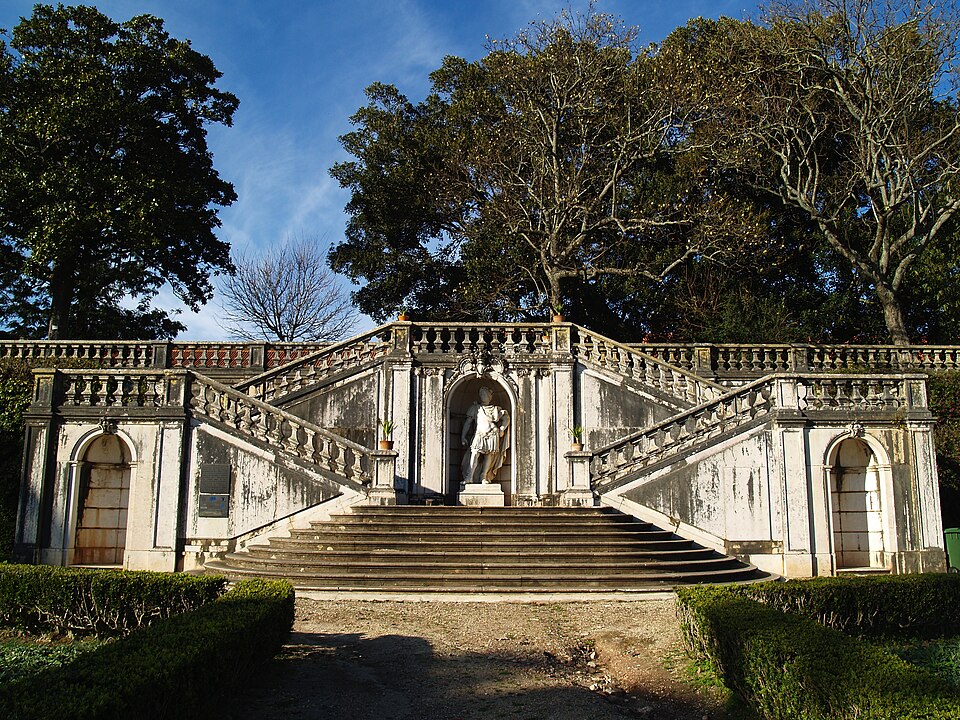
The garden contains organized collections of tropical and subtropical plants arranged in terraces descending the hillside. Notable features include historic greenhouses, fountains, and statuary from various periods. The garden preserves many specimens acquired during Portugal's Age of Discovery. Visitors encounter mature trees, formal garden layouts, and specialized botanical collections. The architectural elements include neoclassical and romantic garden design features. The site maintains its character as a research institution while accommodating public visitation. Plant labels and interpretive elements provide educational context for the collections.
Checked 2026-08-26
Most visitors spend approximately one to two hours exploring the garden's terraced pathways and collections. The hillside terrain requires moderate physical effort, with stairs and sloped walkways connecting the different levels. Those with strong botanical interest may extend their visit to examine specimens in detail. Photography enthusiasts often allocate additional time. The compact nature of the garden allows for a complete overview without excessive duration. Visitors should consider their mobility limitations given the topographical challenges. Combining this visit with nearby Palácio Nacional da Ajuda is common practice.
Checked 2026-08-26
Operator-confirmed hours are Not recorded pending review. Visitors should consult official sources before planning their arrival. Lisbon's Mediterranean climate permits outdoor garden visitation across much of the year. Summer months bring intense heat and limited shade in portions of the garden, potentially affecting comfort. Spring typically offers favorable conditions for observing flowering specimens. Winter rainfall may impact pathway conditions on the terraced slopes. Morning visits generally provide cooler temperatures and preferable lighting conditions. Checking current operational status is advisable as botanical gardens occasionally close for maintenance or private events.
Checked 2026-08-26
Operator-confirmed prices are Not recorded pending review. Visitors should verify current admission fees through official channels before arrival. Many Portuguese botanical gardens and museums offer reduced rates for students, seniors, and youth. Free admission policies may apply on specific national holidays or during promotional periods common to Portuguese cultural institutions. Combination tickets with adjacent Palácio Nacional da Ajuda may be available. Payment methods and online booking options should be confirmed in advance. Budget-conscious travelers should research whether Lisbon tourist cards include this attraction.
Checked 2026-08-26
The garden is located in the Ajuda district, west of central Lisbon. Public bus services connect the area to downtown Lisbon and Belém. Tram routes serve the broader Ajuda neighborhood. Walking from nearby attractions including the palace is feasible. The hillside location means final approaches involve ascending slopes. Visitors arriving by private vehicle should investigate parking availability in this historic district. Ride-sharing services operate in Lisbon but may have restricted access to narrow streets. Cycling presents challenges due to steep terrain. Allowing extra time for navigation is prudent.
Checked 2026-08-26
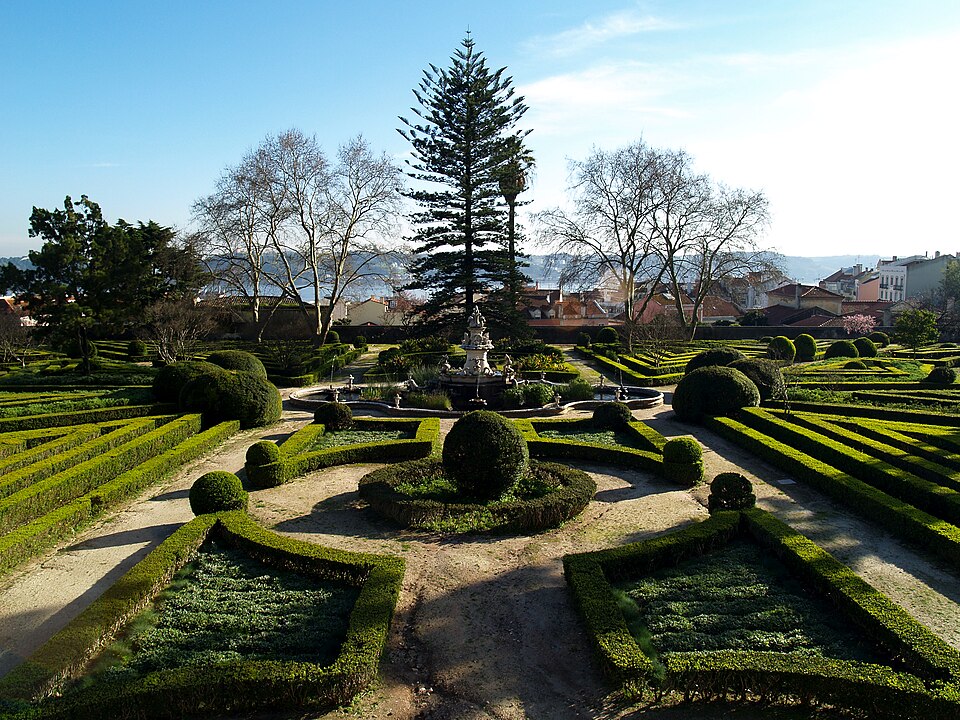
The terraced hillside design creates trip hazards and requires careful foot placement, particularly on worn stone surfaces. Limited railings exist on some elevated pathways. Summer heat demands hydration and sun protection due to variable shade coverage. Some plant specimens are protected or toxic and should not be touched. The garden's function as a research facility means certain areas may be restricted. Weather conditions change quickly; rain creates slippery conditions on sloped walkways. Visitors with mobility limitations should assess accessibility challenges honestly. Wildlife including insects is present in this cultivated natural environment.
Checked 2026-08-26
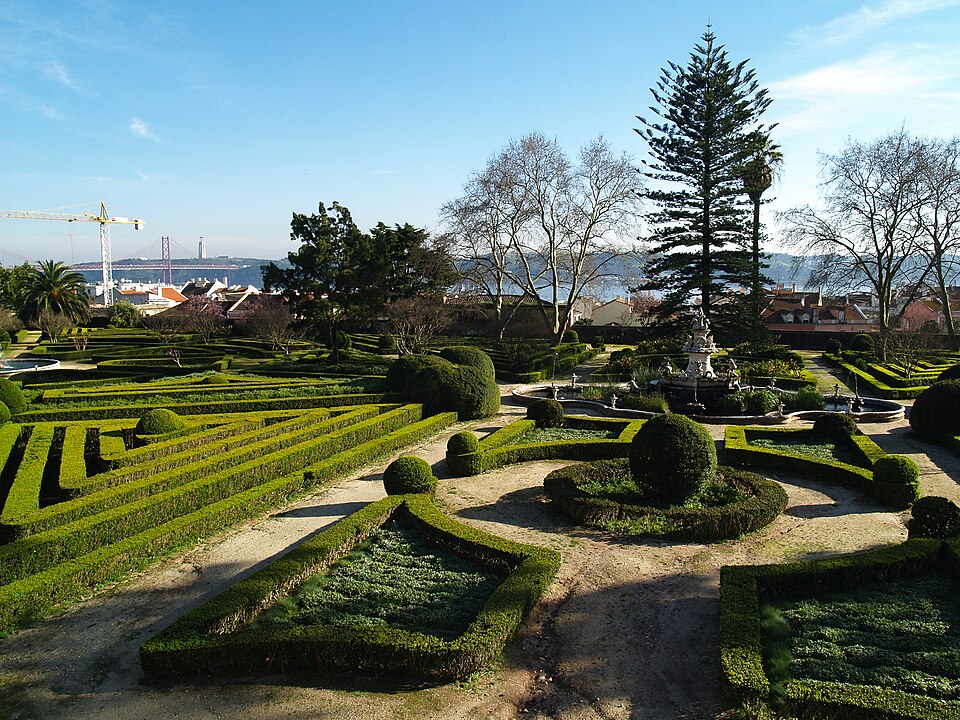
The terraced layout and mature vegetation create layered compositions with structural interest. Morning and late afternoon light enhances the garden's dimensional qualities. The palace visible above provides architectural context shots. Macro photography opportunities exist among diverse plant specimens. Tripod use policies are Not recorded pending review and should be confirmed. The hillside elevation offers glimpses of the Tagus River for landscape compositions. Greenhouse interiors may present challenging exposure conditions. Respecting other visitors and research activities takes priority in this functioning botanical institution. Commercial or posed photography may require advance permission.
Checked 2026-08-26
The terraced hillside design with stairs and sloped pathways presents significant challenges. Accessibility accommodations are Not recorded pending review. Visitors with mobility limitations should contact the garden directly before visiting.
Picnic policies are Not recorded pending review. As a historic botanical garden with research functions, food consumption may be restricted to protect collections. Visitors should verify current regulations with operators.
Guided tour availability in English or other languages is Not recorded pending review. Visitors seeking educational programming should contact the garden directly or consult official sources for current offerings.
Children can visit but require close supervision due to uneven terrain, trip hazards, and potential exposure to toxic plants. The educational value depends on individual interest levels. Stroller use would be extremely difficult.
Both are historic Lisbon botanical gardens with colonial-era collections. Jardim Botânico da Ajuda is older and more intimately scaled with stronger palace associations. Comparative visiting priorities depend on individual botanical and historical interests.
Facility availability and conditions are Not recorded pending review. Visitors with specific needs should verify amenities before arrival, as historic gardens sometimes have limited infrastructure.
Loading the interactive map…
The interactive map could not be loaded.
Last updated:
Source: OpenStreetMap contributors, Wikidata ·