

.jpg)
01
20 min
Mount Manunggal
- High
- Viewpoint
- Cebu City
Language · 11 published
Country guide
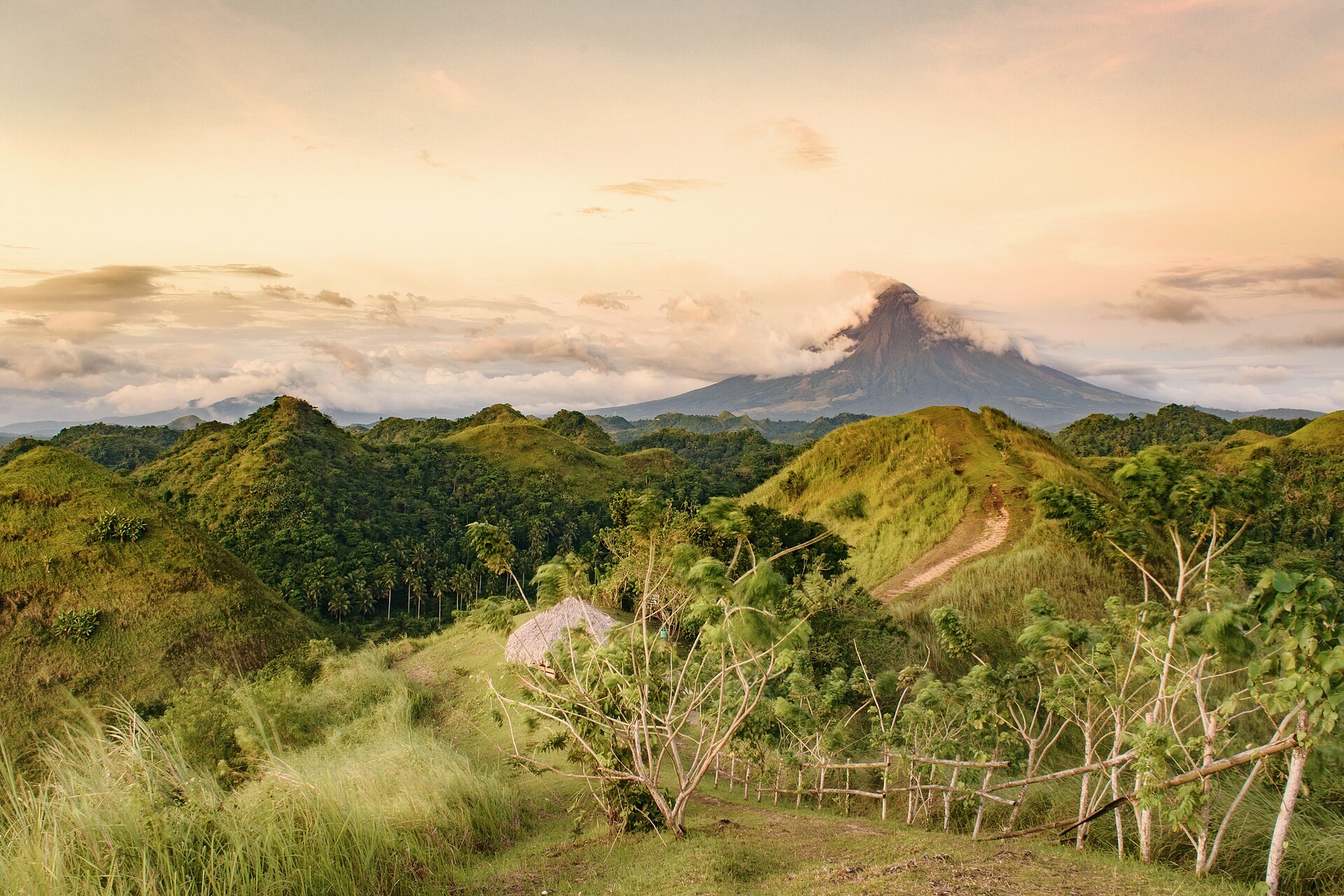
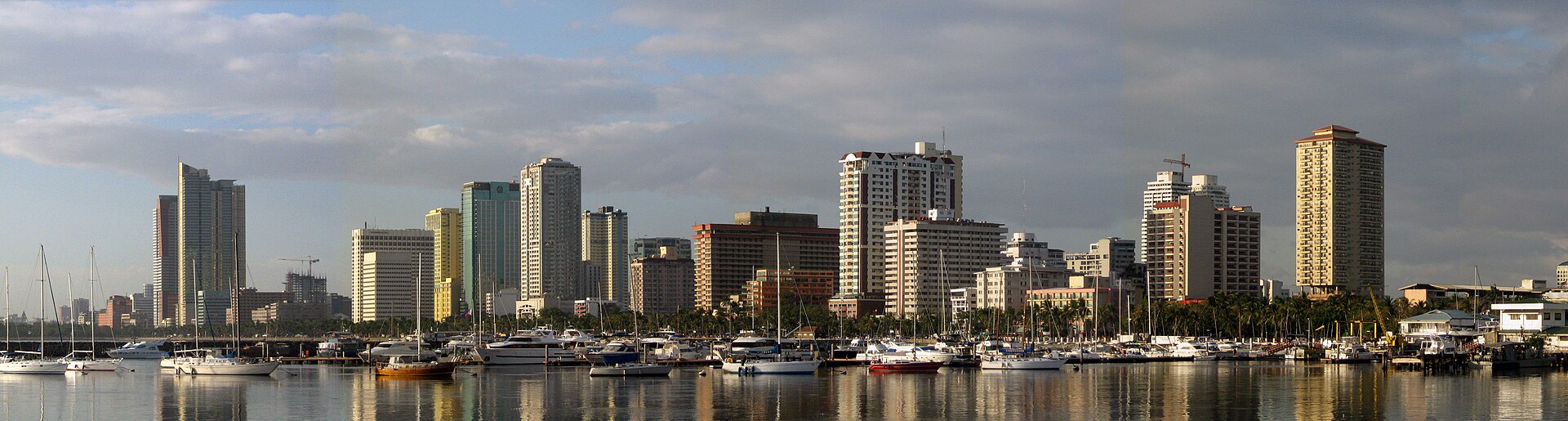
About 7,641 islands hold more than 114 million people, and the Philippines divides north to south into three parts — Luzon, the Visayas, Mindanao — which is the division a traveller ends up planning around. Luzon carries Manila and the national institutions; the Visayas are the middle scatter of smaller islands where most beach itineraries land; Mindanao in the south is the least visited of the three. Nothing here joins up by road for long. The land adds up to only about 300,000 square kilometres, but it is strung across a stretch of the western Pacific wide enough that a domestic flight is usually the honest answer.
Every city catalogued in this country so far, ranked by how much there is to see.
Photograph · Mike Gonzalez (TheCoffee) · CC BY-SA 3.0

Photograph · Patrickroque01 · CC BY-SA 4.0
Ranked by importance — sitelinks, pageviews and heritage status, not editor preference.
33 places match
Category
Typical visit duration


Source: OpenStreetMap contributors, Wikidata ·
Ten to fourteen days should focus on one or two island groups, such as Manila with Palawan or Cebu with nearby Visayan islands. Each additional island adds a terminal transfer and weather exposure, so keep the final night close to the international departure airport.
Use the official eTravel service for any required arrival registration and check Bureau of Immigration guidance for the passport and length of stay. Registration is not a substitute for a visa when one is required, and unofficial lookalike services should not be used.
The Philippine Ports Authority documents passenger terminals and inter-island links, including Batangas services toward Mindoro, Palawan, Panay, Negros, Cebu and Mindanao. Confirm the exact port and terminal with the licensed carrier. Domestic-air routing and claims about Manila or Cebu as flight hubs are Not recorded by this source, so they are not inferred here.
Dry-season expectations vary by island and typhoon exposure matters more than a single national calendar. Build the trip around the weather pattern of the selected island group, keep sea-transfer days flexible and monitor official storm notices before any ferry leg.
The Philippine peso is used nationwide. Cash is important on smaller islands and for local road transport, while city hotels and larger businesses more often accept cards; use bank-connected machines and check whether island services add separate terminal or environmental fees.
Call 911 for the recorded emergency service; power standards include Types A, B and C at 220 V. Tap-water safety is Not recorded in this dataset, so confirm supply locally, and retain carrier and terminal contacts whenever the itinerary includes sea travel.