.jpg)

01
1 hr 30 min
Casa Gorordo
Casa Gorordo Museum
Casa Gorordo is a house museum in Cebu's historic Parian district and a National Historical Landmark.
- Must see
- Museum
Language · 11 published
City guide · Philippines

Cebu combines a dense historic core in Cebu City with a much broader visitor region across Mactan Island and Cebu Province. The basilica, Magellan’s Cross, Fort San Pedro and nearby heritage streets form one central cluster. Mactan’s airport and coastal sites lie across the channel, while mountain viewpoints and provincial nature trips require dedicated routes.
Set your days, your pace and the hours you actually want to be out. The planner works around closing days and travel time, and leaves room to eat.
Ranked by importance — sitelinks, pageviews and heritage status, not editor preference.
25 places match
Category
Typical visit duration
Interests
Casa Gorordo Museum
Casa Gorordo is a house museum in Cebu's historic Parian district and a National Historical Landmark.

The National Museum of the Philippines - Cebu is a regional branch of the national museum system, located in Cebu City on Cebu Island. It serves as a cultural repository preserving and exhibiting artifacts relevant to the region's heritage.

The Yap-Sandiego Ancestral House is a heritage structure in Cebu City, recognised among the city's notable historical attractions. It represents a preserved example of Spanish colonial-era residential architecture in the Philippines.

Museo Sugbo is a museum in Cebu City, Philippines. It occupies a building with historical significance in the city's heritage landscape. The structure itself represents an important chapter in Cebu's urban development.

The Temple of Leah is a prominent landmark in Cebu City, often described as a memorial structure. It has gained recognition in local and travel-media coverage as a significant attraction within the city's top ten points of interest.

Carbon Market is Cebu's most important public market and serves as the city's primary trading hub for fresh produce, dry goods, and everyday commodities.

Cebu Ocean Park is an oceanarium situated in Cebu City, Philippines. It serves as a marine-themed visitor attraction within the metropolitan area. The facility is positioned as a destination for those interested in aquatic life and marine education.

Sugbo Mercado is an organised food market in Cebu City, positioned as a contemporary dining destination for residents and visitors. The name derives from Sugbo, the historic Cebuano name for the island and settlement.
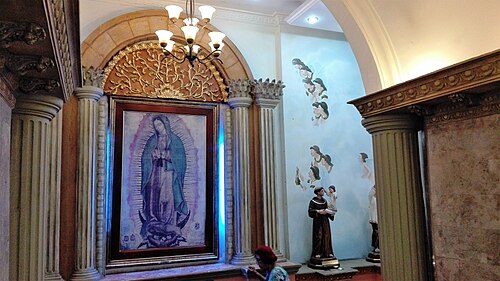
The Archdiocesan Museum of Cebu is a religious and cultural museum located in Cebu City, Philippines. It is housed within the historic compound of the Cebu Metropolitan Cathedral, one of the oldest ecclesiastical structures in the country.

The University of San Carlos Museum is a cultural institution located within the University of San Carlos, one of the oldest universities in the Philippines.
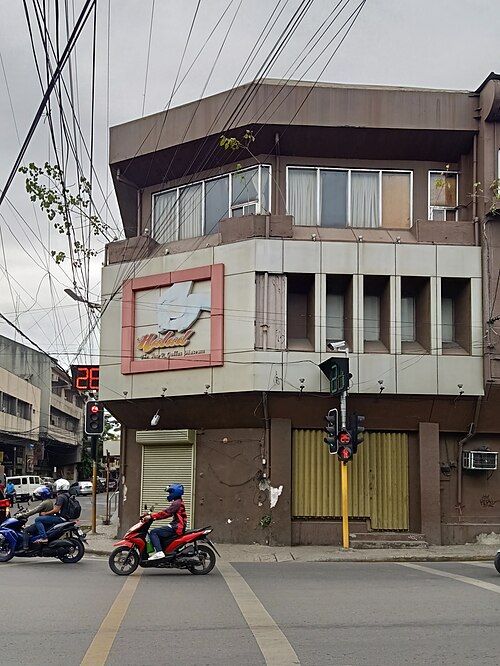
Jose R. Gullas Halad Museum is a cultural institution located in Cebu City, Philippines. The museum is named after Jose R. Gullas, a significant figure in Cebu's cultural and educational landscape.
Crocolandia is a Cebu City visitor-area destination retained as meaningful for travellers. It functions as an attraction focused on crocodiles and related wildlife. The facility serves educational and conservation purposes, presenting these reptiles to the public.
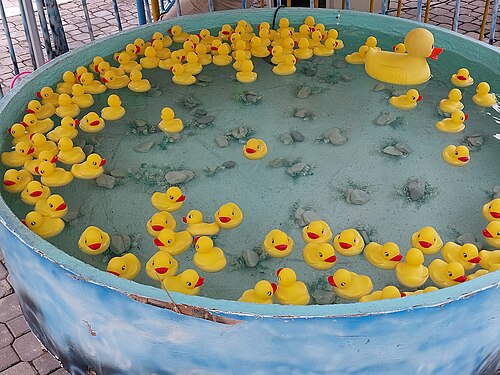
Anjo World Theme Park is a visitor-area destination in Cebu City, retained as a meaningful attraction for travellers exploring the region. The park operates as a recreational facility offering entertainment experiences.
Sachiko's Little Kyoto is a retained visitor-area destination in Cebu City, Philippines. The attraction draws thematic inspiration from Japanese cultural aesthetics, particularly evoking the atmosphere of Kyoto, Japan's former imperial capital.

Source: OpenStreetMap contributors, Wikidata ·
Start with the downtown heritage group around the basilica, Magellan’s Cross, Fort San Pedro and the old houses. Treat the Capitol and uptown museums as a second urban cluster. Mactan Island is a separate journey across the bridges, while the highlands, northern islands and southern waterfall or marine destinations belong to full-day provincial plans.
Checked 2026-08-26
Walking is practical around the downtown heritage core. For longer urban and metropolitan transfers, use public road transport or licensed taxi and transport-network vehicle services, and allow extra time around bridge approaches. Cebu Province covers many towns and islands, so confirm the correct terminal and return schedule before treating a provincial attraction as a city outing.
Checked 2026-08-26
A fixed stay length is not recorded. Build the visit around downtown Cebu, uptown and Mactan, then add the highlands and wider Cebu Province only when the available time supports a separate journey.
Group places by district instead of crossing the city repeatedly. Start with downtown Cebu, uptown and Mactan; treat the highlands and wider Cebu Province as separate routes with their own travel allowance.
Use Walking, public road transport and licensed car services. Walk within compact clusters and consult the linked official transport information before making longer transfers or relying on a particular route.
Only within individual neighbourhood clusters. The main visitor areas are separated by distances, waterways, major roads or regional approaches, so longer links normally need public transport or a licensed vehicle.
Plan the highlands and wider Cebu Province separately from downtown Cebu, uptown and Mactan. Check the current route, return connection and any access requirements on the official source before departure.