
01
30 min
Convento de San Francisco
- Must see
- Place of worship
Language · 11 published
City guide · Peru
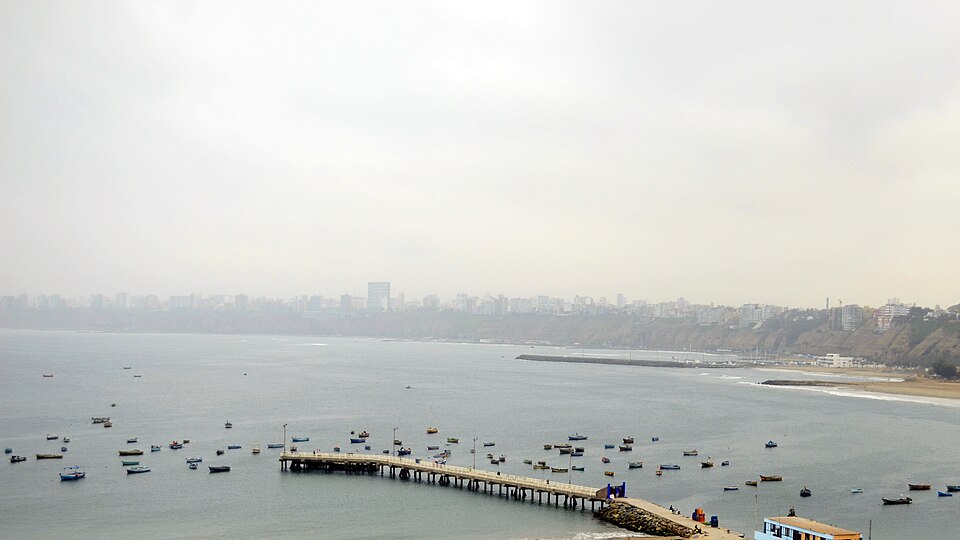
Lima spreads along the Pacific coast and is best understood as several distant visitor clusters. The historic centre lies inland around Plaza Mayor; Miraflores and Barranco form the principal coastal corridor; San Isidro sits between the centre and the coast; and archaeological sites appear across the metropolitan area. Keep the historic centre, coastal districts and outlying ruins in separate blocks because traffic can make cross-city travel slow.
Set your days, your pace and the hours you actually want to be out. The planner works around closing days and travel time, and leaves room to eat.
Ranked by importance — sitelinks, pageviews and heritage status, not editor preference.
100 places match
Category
Typical visit duration

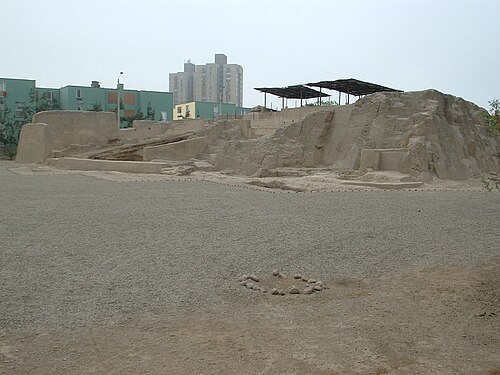
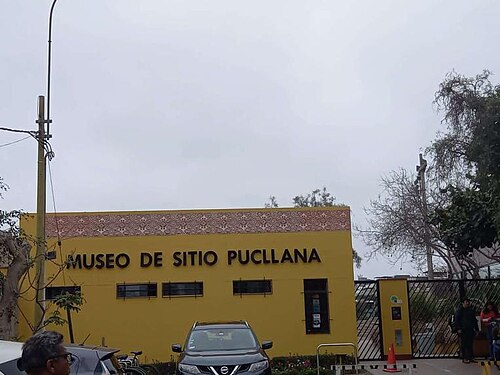
Huaca Pucllana is a pre-Inca adobe pyramid and ceremonial complex situated in the Miraflores district of Lima, Peru. Constructed by the Lima culture between 200 and 700 CE, it served as an administrative and religious center.

The Lima Cathedral Basilica, known locally as Basílica Catedral de Lima, stands as the principal cathedral of Lima and anchors the historic Plaza Mayor. This colonial-era basilica serves as the seat of the Roman Catholic Archdiocese of Lima.

Plaza San Martín is a monumental republican square in Lima's historic centre. It forms the southern anchor of the historic-centre walking route, connecting visitors to the broader colonial and republican urban fabric.
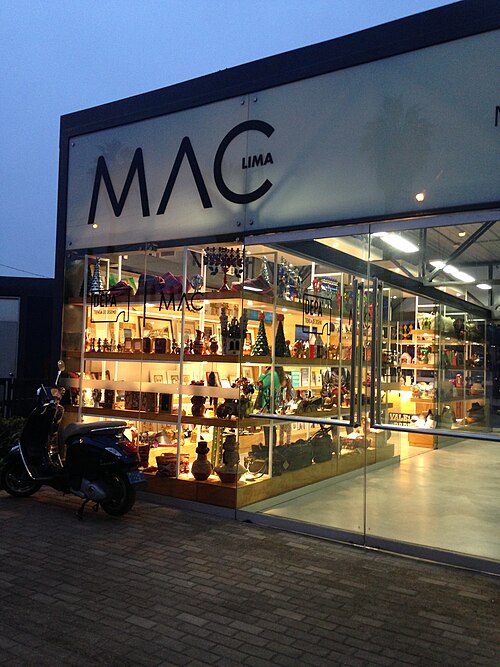
The Museum of Contemporary Art of Lima, known locally as Museo de Arte Contemporáneo de Lima or MAC Lima, is Lima's principal purpose-led contemporary-art museum.

The Museo Nacional del Perú, commonly known as MUNA, is Peru's flagship national museum. It stands near the Pachacamac archaeological complex southeast of central Lima.
The Gold Museum of Peru and Arms of the World is a private museum in Lima housing collections assembled by Miguel Mujica Gallo. It displays pre-Columbian gold and silver artifacts alongside a substantial arms collection from various periods and regions.
The Aeronautical Museum of Peru, known locally as Museo Aeronáutico del Perú, is a specialist aviation museum in Lima. It documents Peruvian military and civil aviation history through preserved aircraft, engines, uniforms, and archival materials.
Morro Solar is a headland located in the Chorrillos district of Lima, Peru. It rises above the Pacific coastline and serves as a prominent geographical landmark for the southern part of the city.
Source: OpenStreetMap contributors, Wikidata ·
The historic centre groups Plaza Mayor, churches, convents and civic buildings. Miraflores combines clifftop parks, commercial streets and Huaca Pucllana, while Barranco continues south with galleries, historic houses and the Bridge of Sighs. San Isidro has another archaeological and business cluster. Callao and distant huacas require additional travel. The official Lima guide presents these areas as distinct routes rather than one continuous old town.
Checked 2026-08-26
Metropolitan buses, the Metropolitano corridor, Metro services and taxis connect Lima's districts, but journey times vary with traffic. Walk within the historic centre, Miraflores or Barranco, then use planned transport between clusters. Airport and Callao journeys need additional time and a confirmed route. Use authorised services and verify current transport information locally; a place that looks nearby on a metropolitan map may still involve a long road journey.
Checked 2026-08-26
the historic centre, Miraflores, Barranco and San Isidro are separate visitor clusters
No fixed stay length is recorded; add blocks for central, coastal and outlying visits.
Use public transport or an authorised taxi between the centre and coast, allowing for traffic.
Miraflores and Barranco form the most natural coastal pairing for one day.
No official best-month range is recorded; check current local conditions before travel.