
_-_La_construcci%C3%B3n_del_Museo_Bolivariano_en_la_Magdalena_Vieja._(1).png)
_-_La_construcci%C3%B3n_del_Museo_Bolivariano_en_la_Magdalena_Vieja._(2).png)


14 min walk
Larco Museum
- Must see
- Museum
Language · 1 published
Museum · Lima
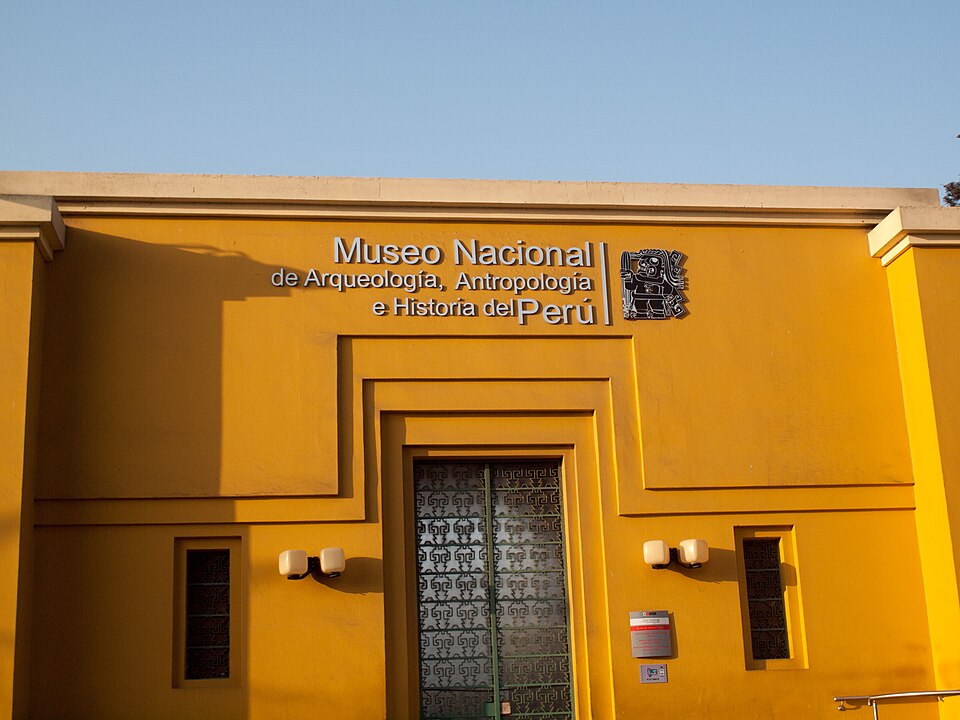
Museo Nacional de Arqueología, Antropología e Historia del Perú
| Monday | Closed |
|---|---|
| Tuesday | 08:45 – 16:00 |
| Wednesday | 08:45 – 16:00 |
| Thursday | 08:45 – 16:00 |
| Friday | 08:45 – 16:00 |
| Saturday | 08:45 – 16:00 |
| Sunday | 08:45 – 15:30 |
Parsed from OpenStreetMap opening hours on 2026-08-26.
The Museo Nacional de Arqueología, Antropología e Historia del Perú is Peru's oldest and largest state museum. It houses extensive collections spanning the nation's archaeological and historical heritage. The institution provides comprehensive insight into Peruvian civilizations from pre-Columbian times through the colonial period and into the republican era. Located in Lima's Pueblo Libre district, the museum occupies a historically significant building. Its holdings represent foundational aspects of Peruvian national identity and cultural memory. The museum serves as a primary destination for understanding the depth and diversity of Peru's ancient and modern history through curated material culture.
Checked 2026-08-26
The museum contains archaeological artifacts from major Peruvian civilizations including ceramics, textiles, metalwork, and mummies. Colonial-era paintings, furniture, and documents illustrate the Spanish period. The republican collection features objects from Peru's independence and nineteenth-century development. Notable holdings include pieces from Chavín, Paracas, Nazca, Moche, Wari, and Inca cultures. The museum displays ethnographic materials documenting contemporary Andean and Amazonian communities. Historical archives support research into Peruvian social and political evolution. The breadth of collections enables visitors to trace continuity and change across thousands of years of human occupation in the region.
Checked 2026-08-26

Visitors should allocate substantial time given the museum's scale and scope. A thorough examination of all galleries demands multiple hours. Those with focused interests in specific periods or cultures may concentrate on relevant sections. The archaeological collections alone warrant extended attention due to their chronological range and artifact density. History enthusiasts examining colonial and republican displays require additional time. Casual visitors seeking overview comprehension need at minimum half a day. The museum's status as Peru's largest state collection implies significant physical extent. Planning accordingly ensures adequate engagement without rushed examination of complex material.
Checked 2026-08-26

Operator-confirmed hours are Not recorded pending review. Visitors should consult the official museum website or contact the institution directly before planning attendance. Seasonal variations in Lima's climate may influence comfort during travel to the Pueblo Libre location. Morning visits potentially offer quieter conditions for concentrated examination of displays. Weekday attendance might reduce crowding compared to weekends when local visitors are more numerous. Holiday periods could affect accessibility or generate increased visitor numbers. Advance verification of operational status remains essential given potential changes to public opening schedules that are not reflected in secondary sources.
Checked 2026-08-26
Operator-confirmed prices are Not recorded pending review. The museum operates as a state institution which may influence fee structures relative to private museums. Potential categories could include general admission, reduced rates for students, seniors, or children, and possible free entry days. Some Peruvian state museums offer differential pricing for residents and foreign visitors. Verification through official channels is necessary before budgeting. Group rates or guided tour supplements may apply if such services are available. Payment methods accepted at the entrance should be confirmed in advance. Budgeting conservatively for full-price admission represents prudent planning.
Checked 2026-08-26
The museum resides in Lima's Pueblo Libre district, southwest of the historic center. Public transportation including buses and the Metropolitano rapid transit system serve surrounding areas. Taxis and ride services provide direct access though traffic conditions vary considerably by time of day. Walking from nearby accommodations is feasible for visitors staying in Pueblo Libre. Signage and local knowledge assist navigation to the specific address. The district contains other cultural attractions enabling combined itinerary planning. Allowing extra transit time accommodates Lima's unpredictable congestion patterns. Returning to central Lima or Miraflores requires similar consideration of peak travel periods.
Checked 2026-08-26

Lima's variable climate demands appropriate clothing layers despite generally mild conditions. Personal belongings require vigilant attention in any crowded public institution. The museum's extensive scale may cause fatigue; comfortable footwear supports prolonged standing and walking. Some archaeological displays contain human remains requiring respectful conduct. Information panels may be predominantly in Spanish; comprehension aids should be prepared if needed. Temporary closures of specific galleries for maintenance or rotation occasionally occur. Water and refreshments may have restricted availability inside; hydration planning matters given Lima's aridity. Accessibility features for mobility-impaired visitors should be verified directly with the institution.
Checked 2026-08-26

Photography policies in Peruvian museums vary significantly between institutions. Flash photography typically damages light-sensitive artifacts including textiles and pigments. Tripods and professional equipment often require special permits that must be arranged in advance. Some collections may be entirely restricted from photographic reproduction. Visitors should observe posted signage and staff instructions regarding camera use. Non-flash photography of non-restricted areas may be permitted for personal documentation. Commercial or publication photography involves separate licensing procedures through museum administration. Respecting all restrictions protects irreplaceable cultural heritage while ensuring continued public access. When uncertain, requesting clarification from attendants prevents policy violations.
Checked 2026-08-26
The museum contains extensive archaeological and historical collections that may engage children with prior interest in ancient cultures. The scale and density of information could challenge younger attention spans. Parental guidance helps interpret exhibits meaningfully.
Whether guided tours operate regularly is Not recorded pending review. Some state museums offer scheduled tours or audio alternatives. Visitors should inquire directly about current educational programming and language availability before arrival.
Whether a museum store operates is Not recorded pending review. Major institutions typically offer publications and reproductions. Visitors seeking specific items should verify current retail facilities directly with the museum.
The museum holds historical archives supporting scholarly investigation. Access procedures, appointment requirements, and available hours for researchers are Not recorded pending review. Prospective researchers should contact the institution directly.
Whether the museum provides cafes or restaurants is Not recorded pending review. The surrounding Pueblo Libre district contains various dining options. Visitors may wish to plan meal breaks around museum exploration.
This museum distinguishes itself through comprehensive national scope and state institutional status. Other Lima museums offer specialized focuses such as Larco's pre-Columbian emphasis or particular artistic collections. The depth of chronological coverage here is unmatched nationally.
Loading the interactive map…
The interactive map could not be loaded.
Last updated:
Source: OpenStreetMap contributors, Wikidata ·