
_-_Un_aspecto_del_Parque_Universitario_(...).png)


1 min walk
Panteón de los Próceres
- Must see · Heritage site
- Museum
Language · 1 published
Historic monument · Lima
Casona de San Marcos

The Casona of San Marcos is the historic main building of the National University of San Marcos, located in central Lima, Peru. Its local name is Casona de San Marcos. The structure forms part of the oldest university in the Americas, founded in 1551. The complex preserves colonial-era cloisters and serves as a significant architectural landmark connecting Lima's historic centre to this long-standing academic institution. The building represents centuries of Peruvian educational and cultural heritage within its walls.
Checked 2026-08-26
The Casona preserves colonial cloisters that visitors can observe. These historic courtyards and surrounding architecture reflect the building's lengthy academic tradition. The university complex contains spaces associated with administrative and ceremonial functions. Specific interior rooms, permanent exhibitions, or accessible chambers are not detailed in available sources. Visitors should expect a historic institutional atmosphere rather than a conventional museum setup. The architectural features themselves constitute the primary points of interest for those exploring this heritage site.
Checked 2026-08-26

Most visitors spend approximately one to two hours exploring the Casona's exterior and accessible interior spaces. Those with strong interest in colonial architecture or university history may extend their visit. The compact nature of the historic complex means extensive time is not required. Visitors often combine this stop with other nearby attractions in Lima's historic centre. Personal pace and photographic interest will influence duration significantly. No guided tour duration is specified in available sources. A flexible visit lets travellers connect Casona of San Marcos with the rest of the day without treating one room, viewpoint or photograph as the whole experience. The useful pace depends on personal interest and conditions on arrival.
Checked 2026-08-26
Operator-confirmed hours are Not recorded pending review. Visitors should consult the official university website at ccsm-unmsm.edu.pe or contact administrators directly before planning a visit. Academic institutions often maintain irregular public access schedules. Weekday mornings may offer better chances of entry when administrative activities occur, though this is speculative. Special university events or academic calendars could restrict access unexpectedly. Advance verification remains essential for any planned visit to this working educational facility. Casona of San Marcos also earns time in a lima itinerary because The historic university complex preserves colonial cloisters and connects the centre to the oldest university in the Americas. Its value becomes clearer when the stop is compared with the surrounding streets and the other ranked places nearby.
Checked 2026-08-26
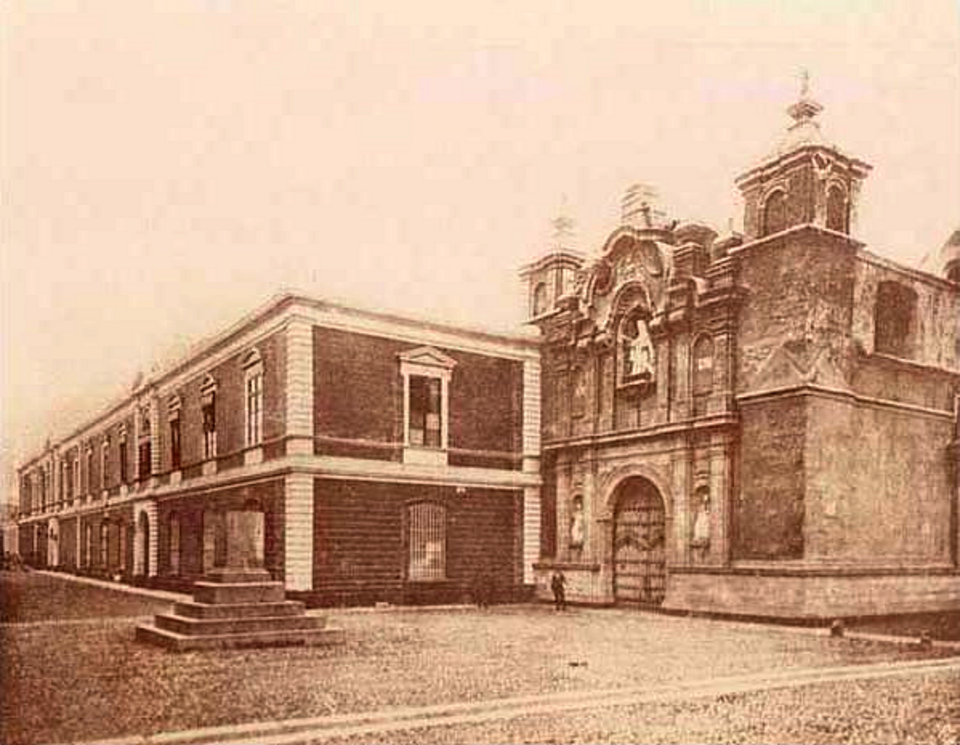
Operator-confirmed prices are Not recorded pending review. The Casona functions primarily as a university building rather than a commercial tourist attraction, which may affect admission policies. Some historic university buildings in Latin America permit free entry or request voluntary contributions. Visitors should not assume standard museum pricing structures apply. Contacting the university through ccsm-unmsm.edu.pe beforehand will clarify whether fees exist and what payment methods might be accepted. Carry small denominations if any contribution is requested.
Checked 2026-08-26

The Casona sits in central Lima, accessible via the city's historic centre. Visitors can reach the area using Lima's Metropolitano bus system, regular city buses, or taxis. The location near Plaza Bologna and adjacent to the university campus provides reasonable reference points. Walking from Plaza Mayor or other central landmarks is feasible for those staying nearby. Traffic congestion affects Lima significantly; allow extra time. Standard urban safety precautions apply in this busy central district, particularly regarding personal belongings.
Checked 2026-08-26
The Casona remains an active university facility, not a dedicated tourist site. Visitors may encounter restricted areas, ongoing academic activities, or limited staffing for public inquiries. Security personnel may question entry purposes. Photography restrictions are possible inside certain spaces. The surrounding central Lima area requires standard vigilance against petty theft. Weather protection matters during Lima's winter garúa season when coastal mist prevails. Wear comfortable footwear for uneven colonial flooring. Respect ongoing university operations and student activities throughout any visit.
Checked 2026-08-26
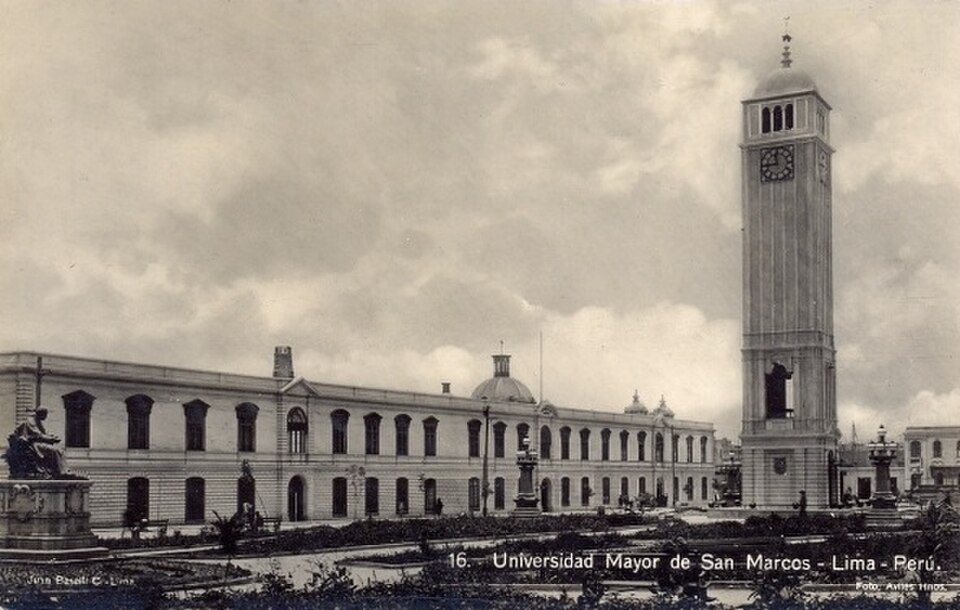
The colonial cloisters offer appealing architectural subjects for photography, particularly the arched corridors and courtyard perspectives. Natural lighting conditions vary by time and weather. Tripod use may attract security attention or require permission. Interior photography restrictions are possible and not documented in sources. Early arrival may provide quieter conditions. The historic textures and aged surfaces reward detailed capture. Consider the building's institutional context when photographing; avoid disrupting university functions. No specific photography permits or fees are recorded in available information.
Checked 2026-08-26
Public access is not definitively confirmed. As an active university building, entry may be restricted or require advance arrangement. Contact the university directly before visiting.
The Casona forms part of the National University of San Marcos, founded in 1551 as the oldest university in the Americas. It preserves colonial-era architecture connecting to this long academic heritage.
Guided tour availability is Not recorded. The institution's primary function is education rather than tourism. Self-guided observation of accessible areas may be the only option.
The Casona remains a working university facility. It lacks standard museum infrastructure such as curated exhibitions, visitor services, or dedicated staff for tourist engagement.
Comfortable footwear is advisable for colonial-era flooring. Standard urban clothing appropriate for Lima's mild climate suffices. No special dress code is recorded.
Public event attendance depends on specific university programming. Academic ceremonies and institutional events may not be open to visitors without invitation or registration.
Loading the interactive map…
The interactive map could not be loaded.
Last updated:
Source: OpenStreetMap contributors, Wikidata ·