Museum of Our Lord in the Attic
Ons' Lieve Heer op Solder
Ons' Lieve Heer op Solder is a museum in Amsterdam centred on a hidden Catholic church built in the attic of a seventeenth-century canal house.
- Must see
- Place of worship
- Amsterdam
Language · 11 published
Country guide
Twenty-six per cent of the Netherlands lies below sea level, and the polders holding that water back have been under construction since the fourteenth century. The 2026 census counted 18,130,208 people on 33,500 km2 of land, a density of 541 to the square kilometre, and that figure is what a visitor actually experiences: towns arriving one after another with worked farmland in between rather than open country. Twelve provinces sit in Europe. Three further special municipalities belong to the same country and are nowhere near it, out in the Caribbean.
Reviewed by Elena Voss · SSMTour Travel Editor
Every city catalogued in this country so far, ranked by how much there is to see.
Photograph · Diliff · CC BY 2.5
Ranked by importance — sitelinks, pageviews and heritage status, not editor preference.
Ons' Lieve Heer op Solder
Ons' Lieve Heer op Solder is a museum in Amsterdam centred on a hidden Catholic church built in the attic of a seventeenth-century canal house.
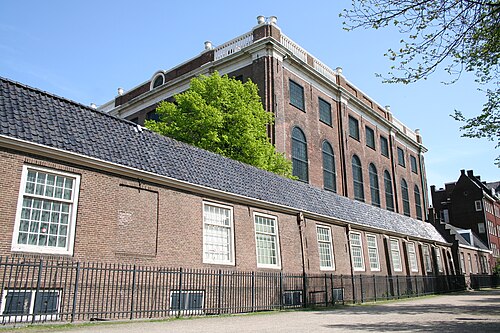
Portugese Synagoge
The Portuguese Synagogue stands on Mr. Visserplein in central Amsterdam and is known to the community that built it as the Esnoga, the Judaeo-Spanish word for synagogue.
Westerkerk is a Protestant church in Amsterdam, located in the Grachtengordel district beside the Prinsengracht canal. It was built in the Dutch Renaissance style and remains one of the city's most prominent religious structures.
Co-kathedrale Basiliek van Sint Nicolaas
The Church of St Nicholas, known locally as Co-kathedrale Basiliek van Sint Nicolaas, stands as a prominent Roman Catholic church in Amsterdam. Located in the city's oldest centre near Central Station, it serves as the city's main Catholic church.
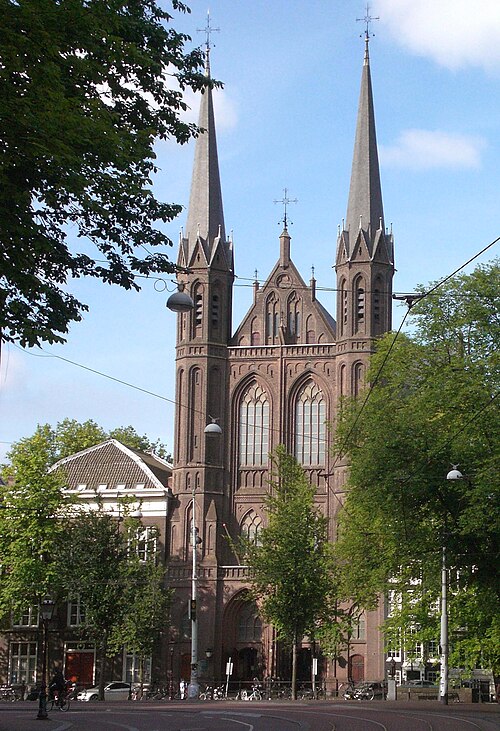
Sint-Franciscus Xaveriuskerk
De Krijtberg, also called Sint-Franciscus Xaveriuskerk, is a Catholic church on the Singel canal in central Amsterdam. The church is dedicated to Saint Francis Xavier and remains part of the city’s religious life.
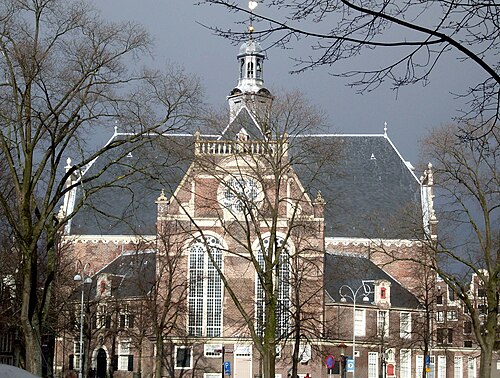
Noorderkerk is a Protestant church in Amsterdam, situated in the Jordaan district on the Noordermarkt. Designed by Hendrick de Keyser, construction began in 1620 and was completed in 1632.
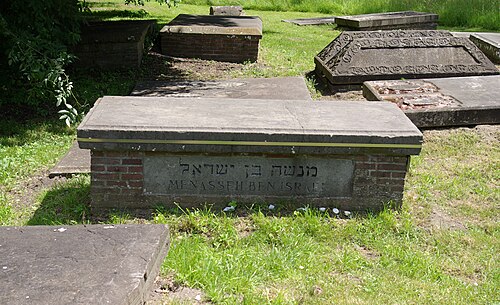
Beth Haim is a historic Jewish cemetery in Ouderkerk aan de Amstel, about seven kilometres south of central Amsterdam. Founded in 1614 by Amsterdam’s Portuguese Jewish community, it is among the oldest Jewish cemeteries in the Netherlands.
Mozes en Aäronkerk is a Catholic church in Amsterdam’s historic centre, named for Moses and Aaron. It is a working place of worship rather than a museum arranged around a visitor route.
Source: OpenStreetMap contributors, Wikidata ·
Six to nine days can use Amsterdam as one base while adding Utrecht, Haarlem, Rotterdam, or The Hague by train. Flower areas are seasonal and need confirmed opening dates, so they should not replace a permanent city day without checking the calendar.
The Netherlands is in the Schengen Area, and passport or visa requirements depend on nationality. Verify the applicable rule through the Dutch government's official entry service before travel.
Schiphol has a railway station beneath the airport, and the national network reaches roughly 400 stations. OVpay supports contactless check-in and check-out, but the same card or device must be used at both ends of a journey.
April to May suits spring flowers when opening dates align, while September is a broader city-trip option. Weather can change quickly, so protect outdoor cycling or garden plans with an indoor alternative.
The Netherlands uses the euro (EUR). Contactless payment is widespread, but keep a compatible backup because a card used to check into transport must also be available to check out.
Dial 112 for emergencies in the Netherlands. Type C and F sockets provide 230 V, and mains tap water is recorded as safe.