


.jpg)
.jpg)

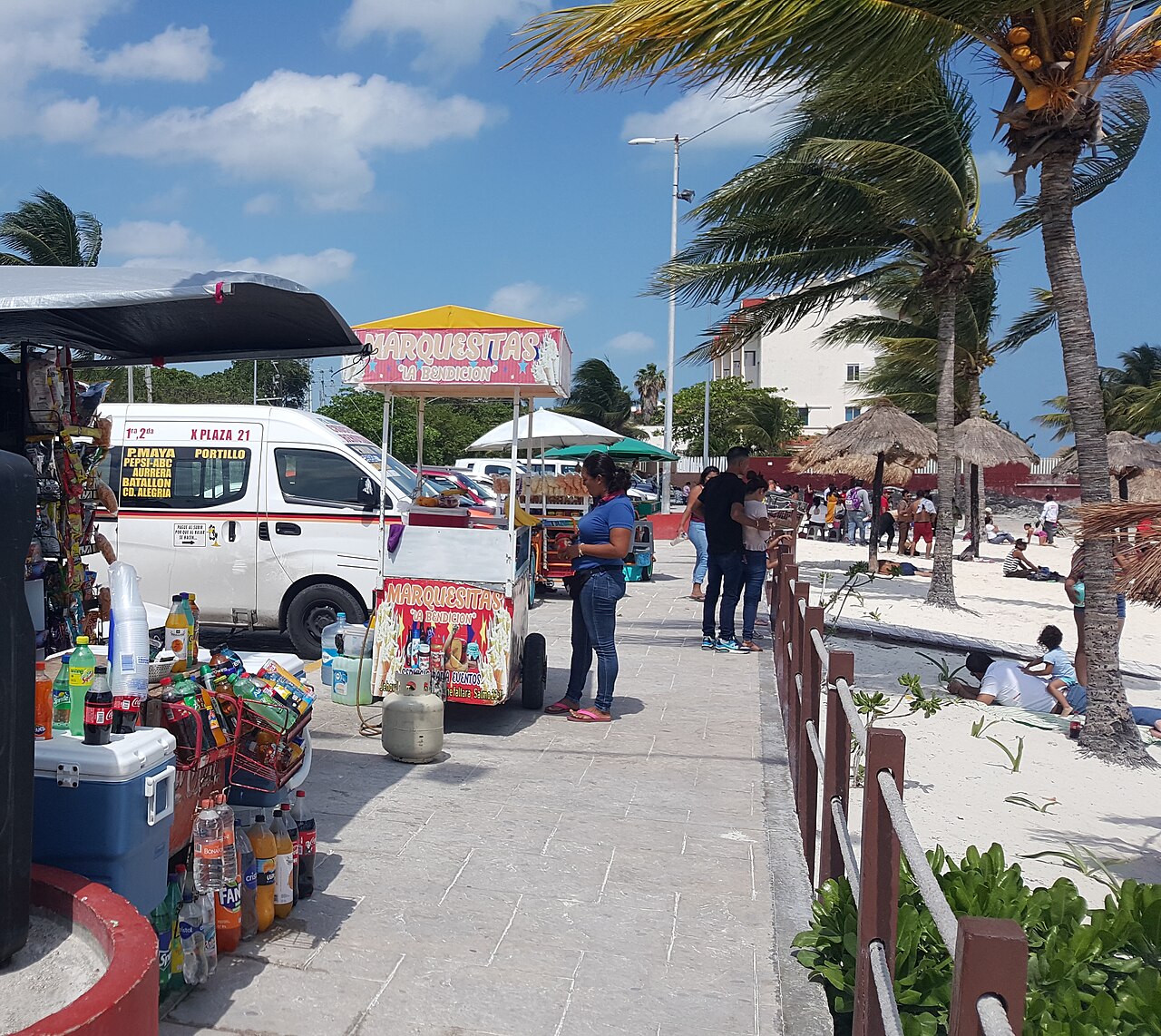
16 min walk
El Nino Beach
- Must see
- Nature site
Language · 11 published
Activity · Cancún
Puerto Juárez
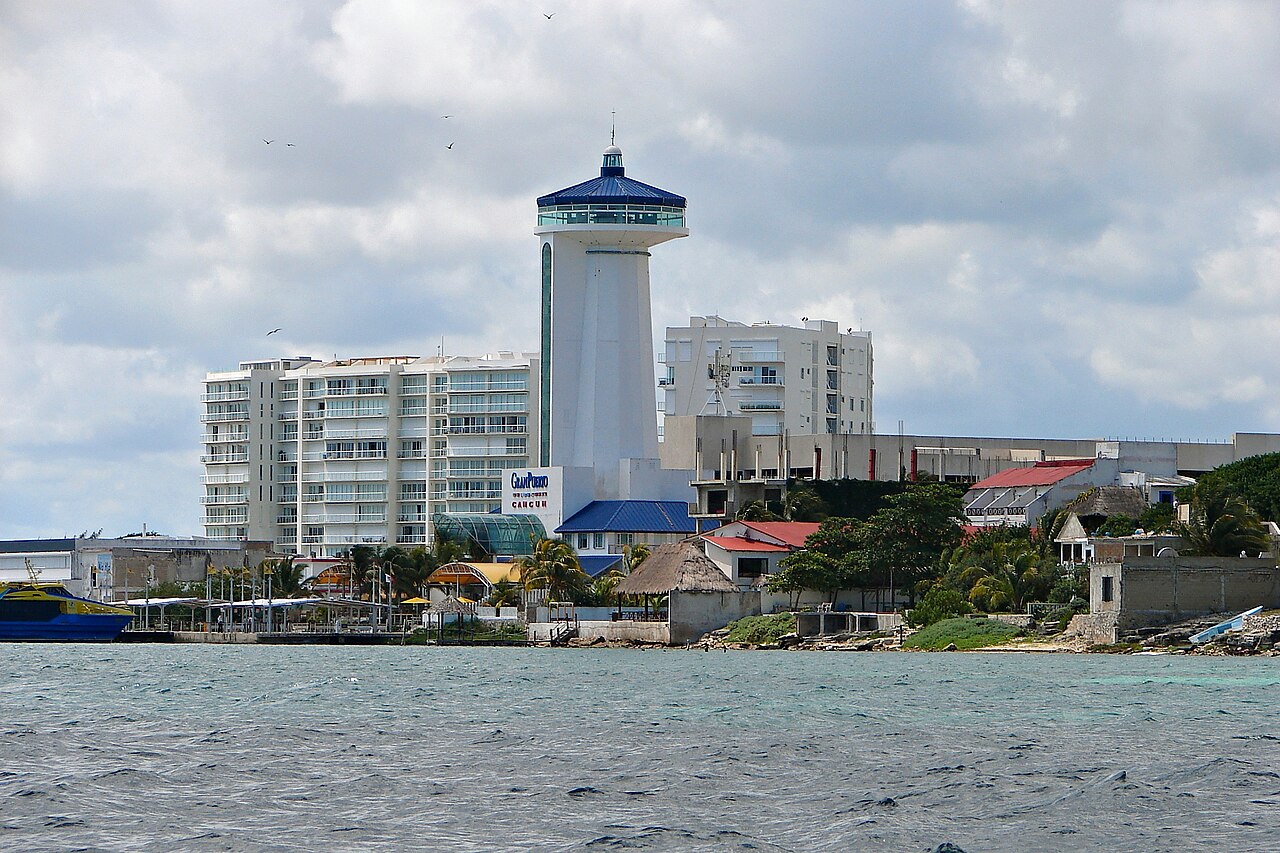
Puerto Juárez is a working maritime zone and passenger ferry terminal on the northern edge of Cancún's Hotel Zone. It serves as the mainland departure point for services to Isla Mujeres, a nearby island destination. The area retains functional port character rather than curated tourist infrastructure. Visitors encounter working docks, vessel operations, and local transit activity. The location offers an alternative perspective on Cancún beyond resort environments, presenting authentic maritime operations that support regional island connectivity and local commuter traffic alongside visitor movement.
Checked 2026-08-26
The zone contains ferry terminal buildings with passenger waiting areas, ticketing functions, and vessel boarding infrastructure. Adjacent streets hold modest commercial activity supporting port operations and traveler needs. The waterfront presents working harbor views with maritime traffic. No curated attractions, museums, or landscaped visitor amenities are documented. The surrounding colonia contains residential and service establishments reflecting local daily life. The experience centers on transit function rather than dedicated leisure facilities. Visitors find practical services and unembellished coastal environment distinct from Cancún's developed tourism corridors.
Checked 2026-08-26

Transit visitors typically spend under one hour awaiting departure or immediately proceeding to vessels. Those exploring the immediate area might allocate one to two hours for waterfront observation, local dining, or atmospheric engagement with working port surroundings. No extended activities or sequential attractions warrant longer stays. The location serves primarily as passage point rather than destination. Visitors should gauge time against ferry schedules and personal interest in unfiltered port environments. Extended presence offers diminishing returns without specific purpose such as photography or local culinary exploration in adjacent streets.
Checked 2026-08-26
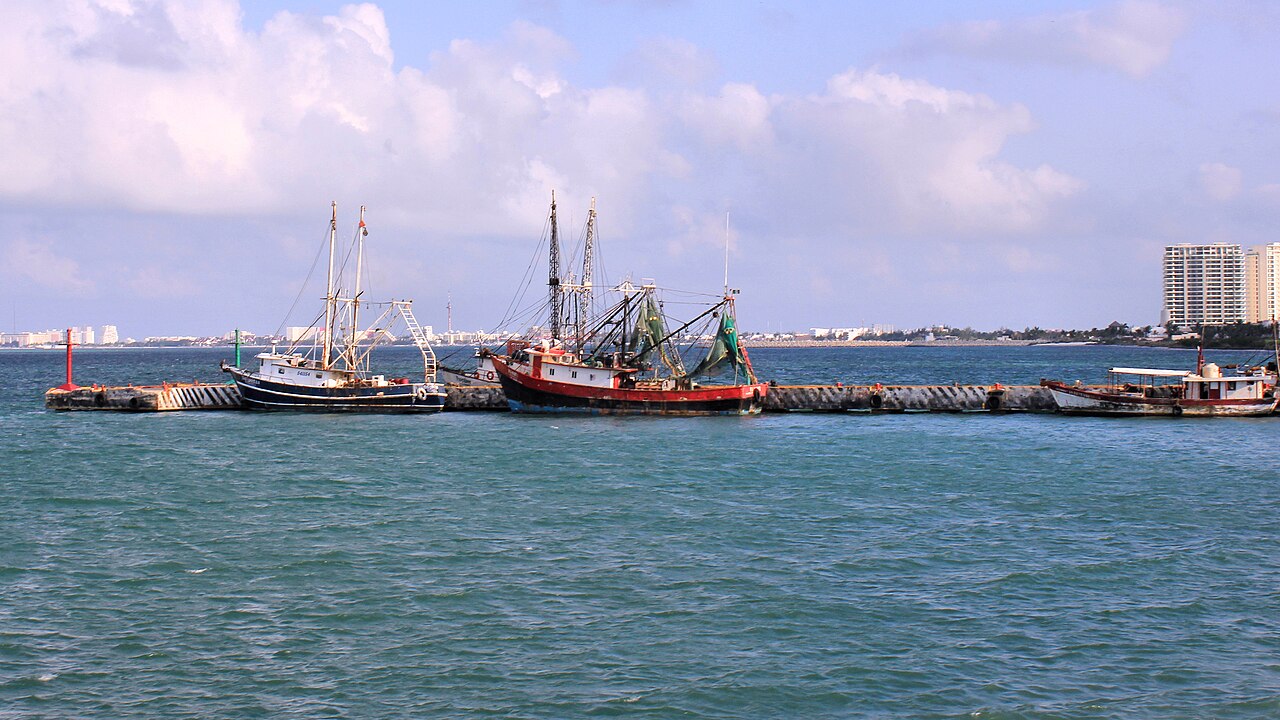
Ferry services operate throughout daylight and evening hours, though operator-confirmed hours are Not recorded pending review. Morning and midday periods typically see higher passenger volumes with corresponding service frequency. Weather considerations include tropical conditions and afternoon precipitation patterns common to the region. Peak visitor seasons from December through April increase transit demand. Local commuters utilize regular services, creating weekday rhythm distinct from leisure patterns. Early departure times may offer reduced congestion. Evening returns from Isla Mujeres generate concentrated passenger flows. Specific seasonal variations in service availability remain undocumented.
Checked 2026-08-26
Ferry passage requires purchased tickets, with operator-confirmed prices Not recorded pending review. Multiple operators may serve the route with varying service levels and corresponding fare structures. Payment methods and advance purchase options remain unverified. Round-trip arrangements may offer convenience for same-day returns. Visitors should verify current rates directly with operating companies rather than relying on secondary information. Group rates, resident discounts, or promotional periods are not documented. Budgeting should incorporate potential variability between standard and premium service tiers if multiple vessel categories operate from this terminal.
Checked 2026-08-26

Puerto Juárez sits north of Cancún's Hotel Zone, accessible via Avenida López Portillo and connecting roads. Public transit including local buses and colectivos serves the corridor from central Cancún and hotel districts. Taxi services operate throughout the area with negotiable or metered fares depending on vehicle type. Ride-hailing availability varies by platform and local regulatory status. Personal vehicle access involves port-adjacent parking of unverified capacity and security. Walking from nearby accommodations is feasible for visitors staying in northern Cancún. Signage and wayfinding may require Spanish comprehension or navigation assistance.
Checked 2026-08-26
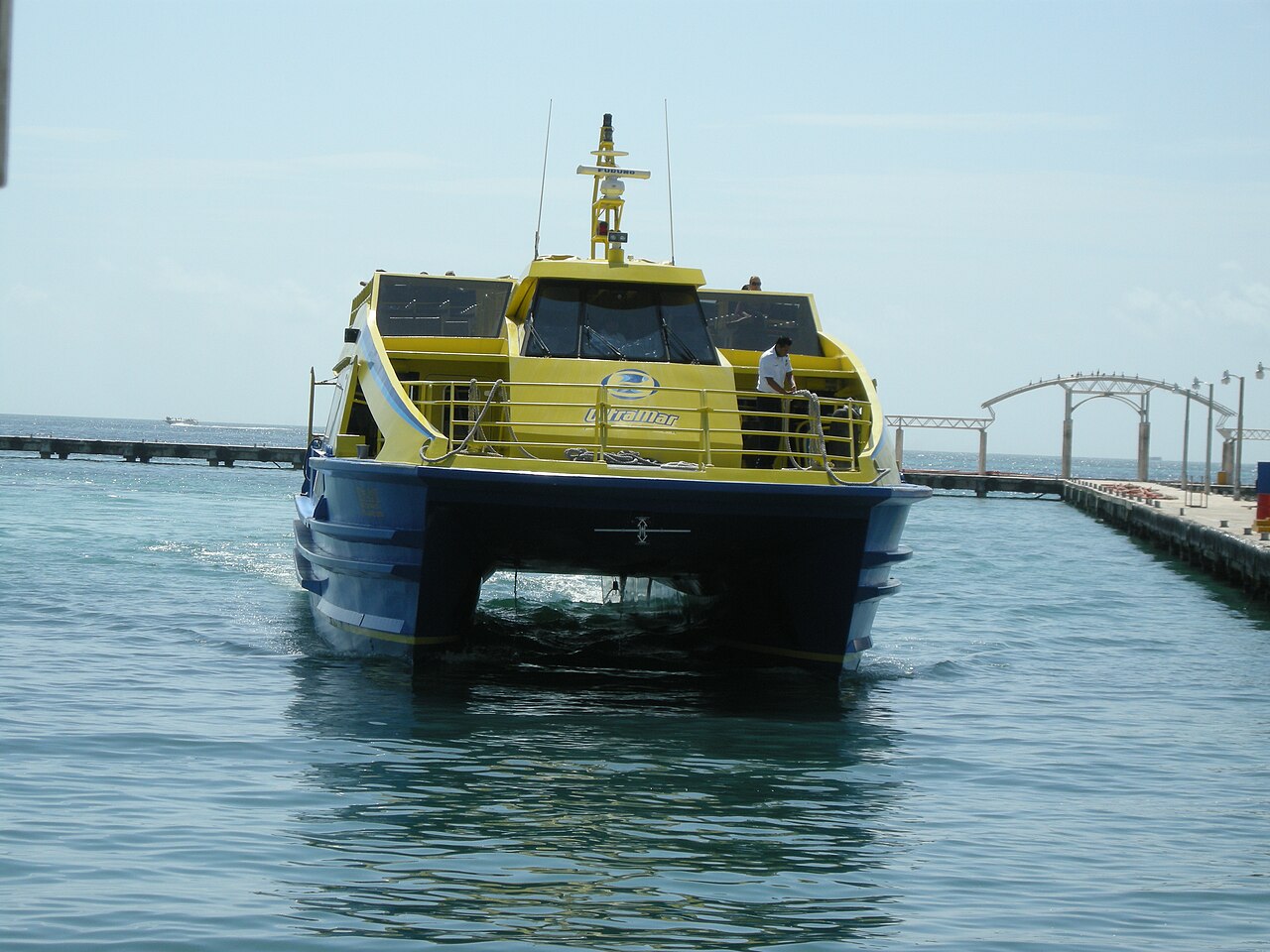
Working port environments present standard maritime hazards including vessel traffic, slippery surfaces, and limited barrier protection at water edges. Passenger congestion during peak departure periods requires personal belongings awareness. Street activity in surrounding areas demands ordinary urban precautions. Sun exposure lacks extensive shade infrastructure in queue areas. Vessel boarding involves steps and potential motion during docking. Last-minute schedule changes or capacity limitations may affect travel plans. Water taxi and ferry distinctions matter for destination accuracy. Informal service offers near terminals warrant verification against official operators to ensure legitimate passage and safety standards.
Checked 2026-08-26
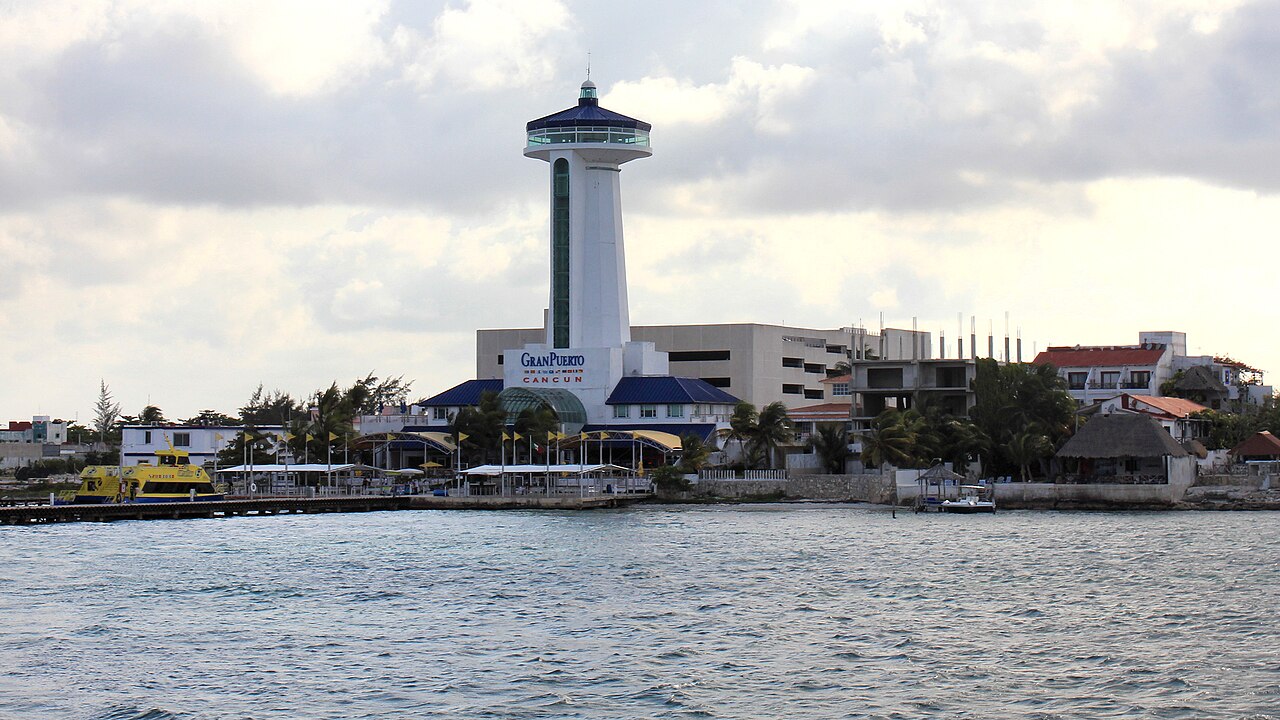
The working harbor offers maritime subjects including vessels, dock operations, and water views toward Isla Mujeres. Early and late light provides atmospheric conditions across the water. Terminal interiors may restrict photography for security protocols; observe posted guidance or staff direction. Local street scenes in adjacent colonia present documentary opportunities with appropriate discretion regarding residents. Tripod use in passenger areas likely obstructs flow and invites restriction. Drone operation near active port facilities raises regulatory and safety concerns requiring official authorization. The uncurated environment yields authentic imagery distinct from polished tourism photography elsewhere in Cancún.
Checked 2026-08-26
No. Puerto Juárez is a distinct working port area on the northern mainland, separate from the developed Hotel Zone corridor along the beach strip.
The distance is substantial for walking from central Cancún; public transit or vehicle transport is recommended for practical access.
No curated beach amenities are documented; the shoreline consists of working port infrastructure rather than recreational beach facilities.
Advance booking policies are not documented; visitors should verify current requirements directly with operating ferry companies.
Standard urban precautions apply; the area functions as working transit zone rather than dedicated tourist precinct, requiring normal awareness.
It offers authentic maritime function versus curated tourism; visitors seeking resort amenities or developed attractions will find different character here.
Loading the interactive map…
The interactive map could not be loaded.
Last updated:
Source: OpenStreetMap contributors, Wikidata ·