


01
2 hours
The Alchemist
- Must see
- Nightlife venue
- Nairobi
Language · 11 published
Country guide
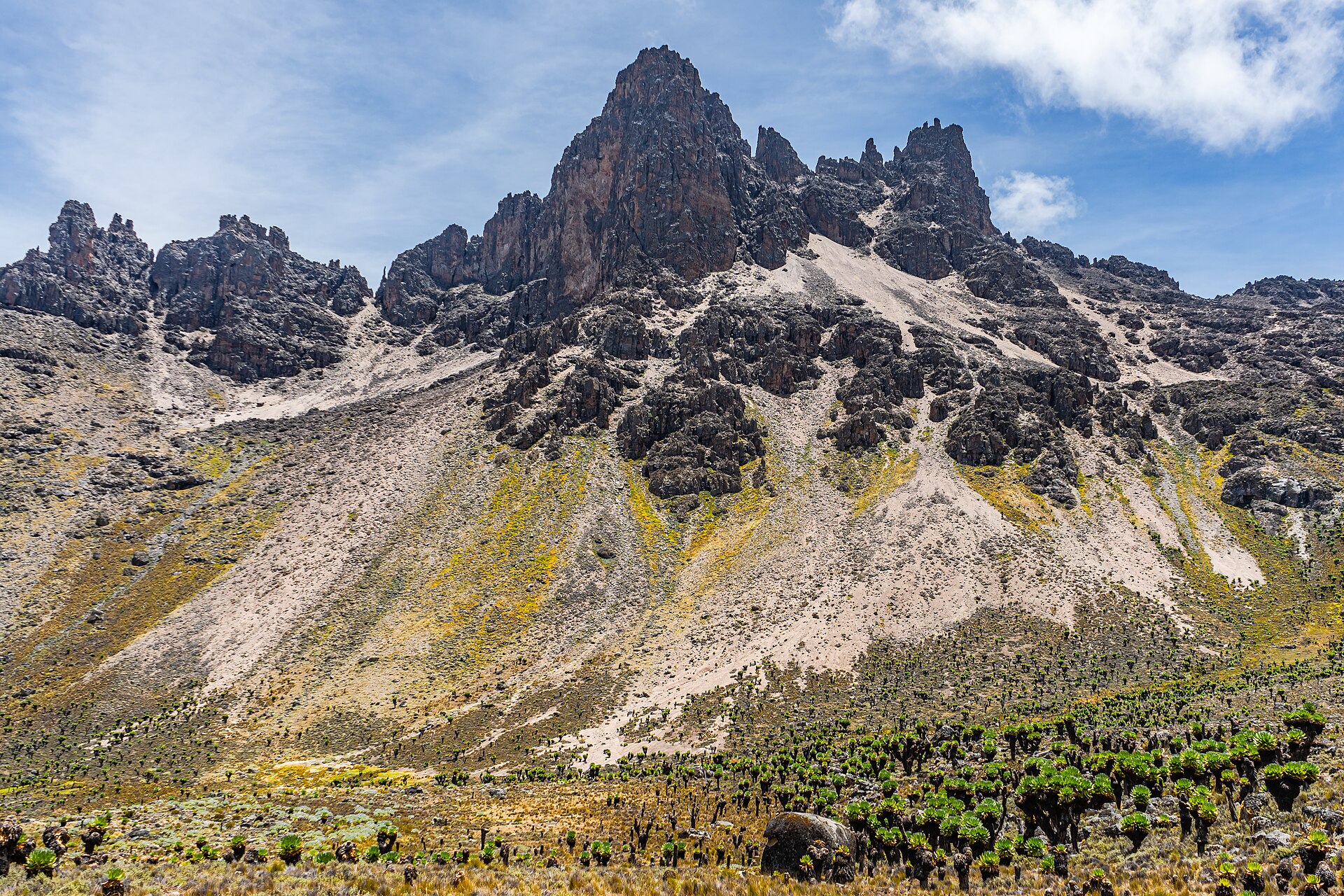
Kenya covers 580,367 km2 and its 2026 estimate counts 54,227,015 people, but the number worth knowing is how unevenly the land divides. The western Rift Valley counties carry snow on their highest peaks, forest below that and fertile farmland below that again, while much of the north and east is arid, semi-arid or outright desert. Nairobi, the capital, is where nearly every trip begins. Mombasa is the second city and the oldest one, a port sitting on its own island on the Indian Ocean, and choosing between highland and coast is the first decision a visitor here actually makes.
Every city catalogued in this country so far, ranked by how much there is to see.
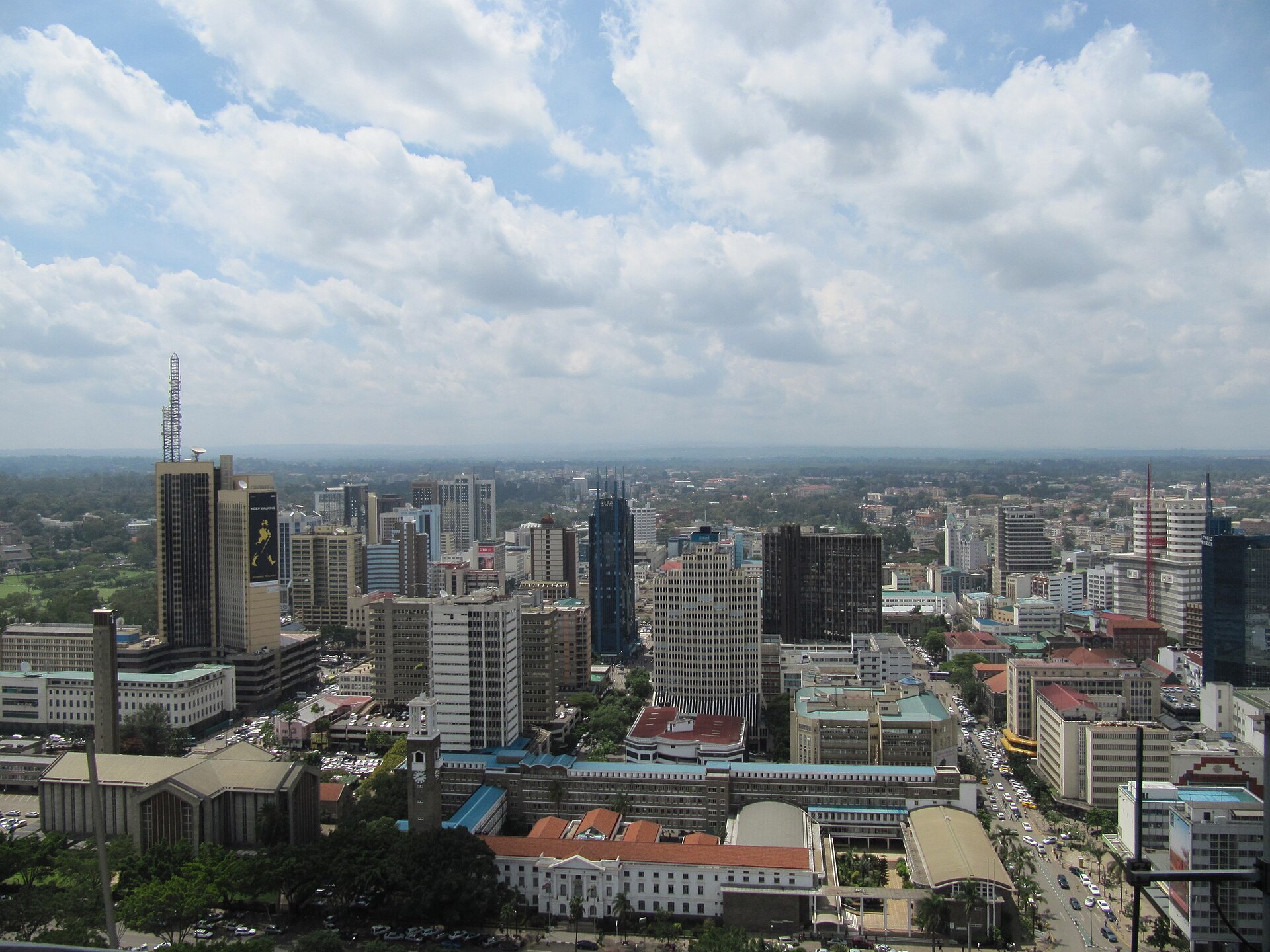
Photograph · Daryona · CC BY-SA 3.0
Ranked by importance — sitelinks, pageviews and heritage status, not editor preference.
100 places match
Category
Typical visit duration
Interests
Source: OpenStreetMap contributors, Wikidata ·
Ten to fourteen days allows Nairobi plus one safari circuit or coast extension without turning every day into a transfer. Combining several reserves and the Indian Ocean requires additional nights because road and flight links are not interchangeable.
Kenya’s Electronic Travel Authorisation service is the official place to determine pre-travel permission. Submit through that government portal and verify passport, transit and supporting-document requirements for the individual journey.
Nairobi is the main international and domestic hub, and scheduled flights connect safari airstrips and coastal airports. Road transfers remain central to many circuits; the final park, lodge or ferry connection should be confirmed with its operator.
July to October is a broad safari window, while the coast and individual reserves have their own rain and wildlife cycles. Select dates around the target ecosystem rather than treating Kenya as one climate zone.
Kenyan shillings (KES) are used for local prices. Current mobile-money access, cash requirements and card fees for visitors are Not recorded here; ask the operator which method it accepts before a remote transfer or park visit.
Kenya lists 999 and 112 for emergencies. Type G plugs carry 240 V; the available national source does not record tap-water safety, so seek local advice.