
.jpg)
.jpg)


3 min walk
Crypta Balbi
- Must see · Heritage site
- Historic monument
Language · 1 published
Place of worship · Rome
Chiesa del Gesù
| Monday | 07:30 – 12:30 |
|---|---|
| Tuesday | 07:30 – 12:30 |
| Wednesday | 07:30 – 12:30 |
| Thursday | 07:30 – 12:30 |
| Friday | 07:30 – 12:30 |
| Saturday | 07:30 – 12:30 |
| Sunday | 08:30 – 13:30 |
Also recorded: 07:30 – 12:00, 16:30 – 19:30, 17:00 – 19:30, 16:30 – 20:00, 17:00 – 20:00, 08:30 – 12:00
Parsed from OpenStreetMap opening hours on 2026-08-25.
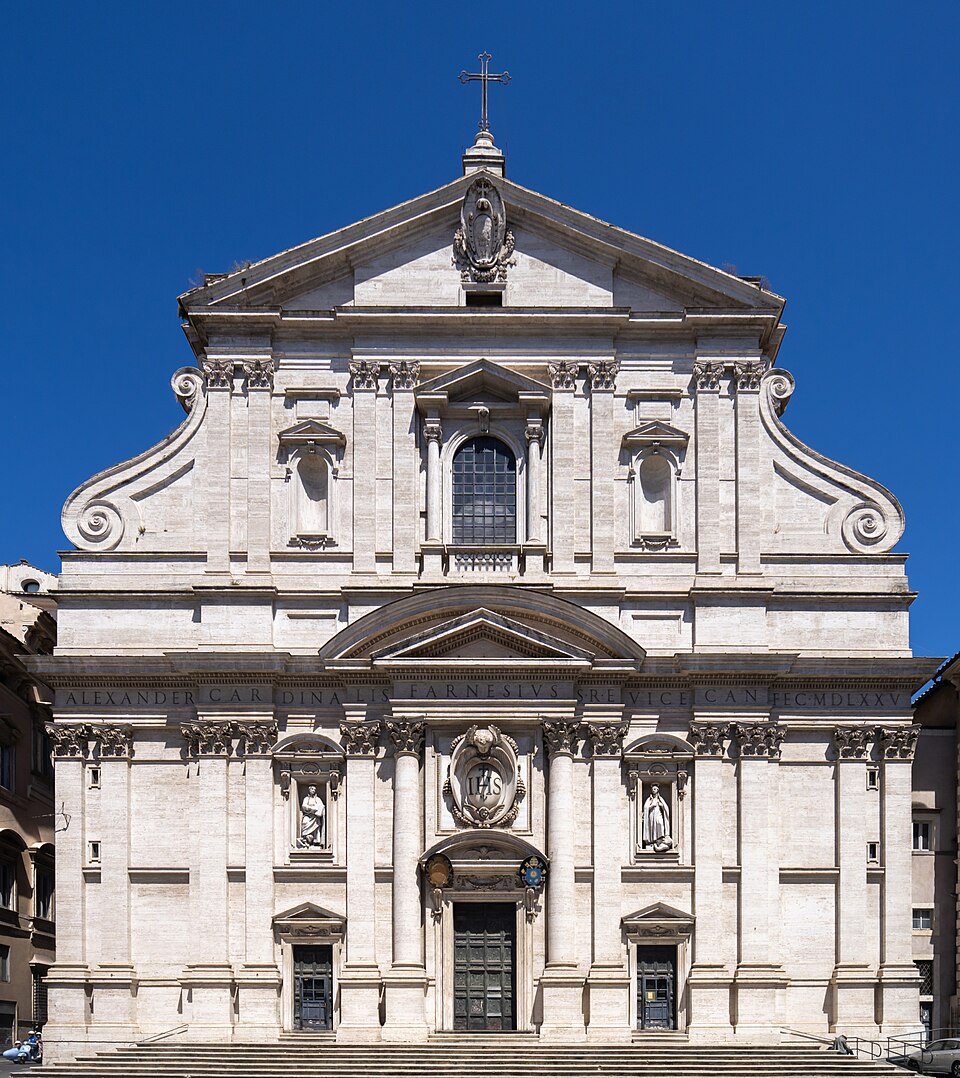
The Church of the Gesù, known locally as Chiesa del Gesù, stands as the mother church of the Society of Jesus in Rome. This landmark represents a foundational work of Baroque architecture and served as the architectural model for Jesuit churches worldwide. Its construction established a template that influenced ecclesiastical building design across continents. The church occupies a significant position in the urban fabric of Rome's historic centre, reflecting both religious devotion and artistic ambition of the Counter-Reformation period.
Checked 2026-08-26
The interior contains notable artistic works including ceiling frescoes and decorative elements characteristic of Roman Baroque style. Visitors encounter elaborate stucco ornamentation and gilded surfaces throughout the sacred space. The main nave and side chapels contain various altarpieces and sculptural elements. The tomb of Saint Ignatius of Loyola, founder of the Jesuit order, represents a focal point of religious significance. The overall decorative programme demonstrates the theatrical potential of Baroque ecclesiastical design intended to inspire devotion. Church of the Gesù also earns time in a rome itinerary because Exact production identity verified by OSM ID, canonical name, and coordinates; no near match was used. Its value becomes clearer when the stop is compared with the surrounding streets and the other ranked places nearby.
Checked 2026-08-26
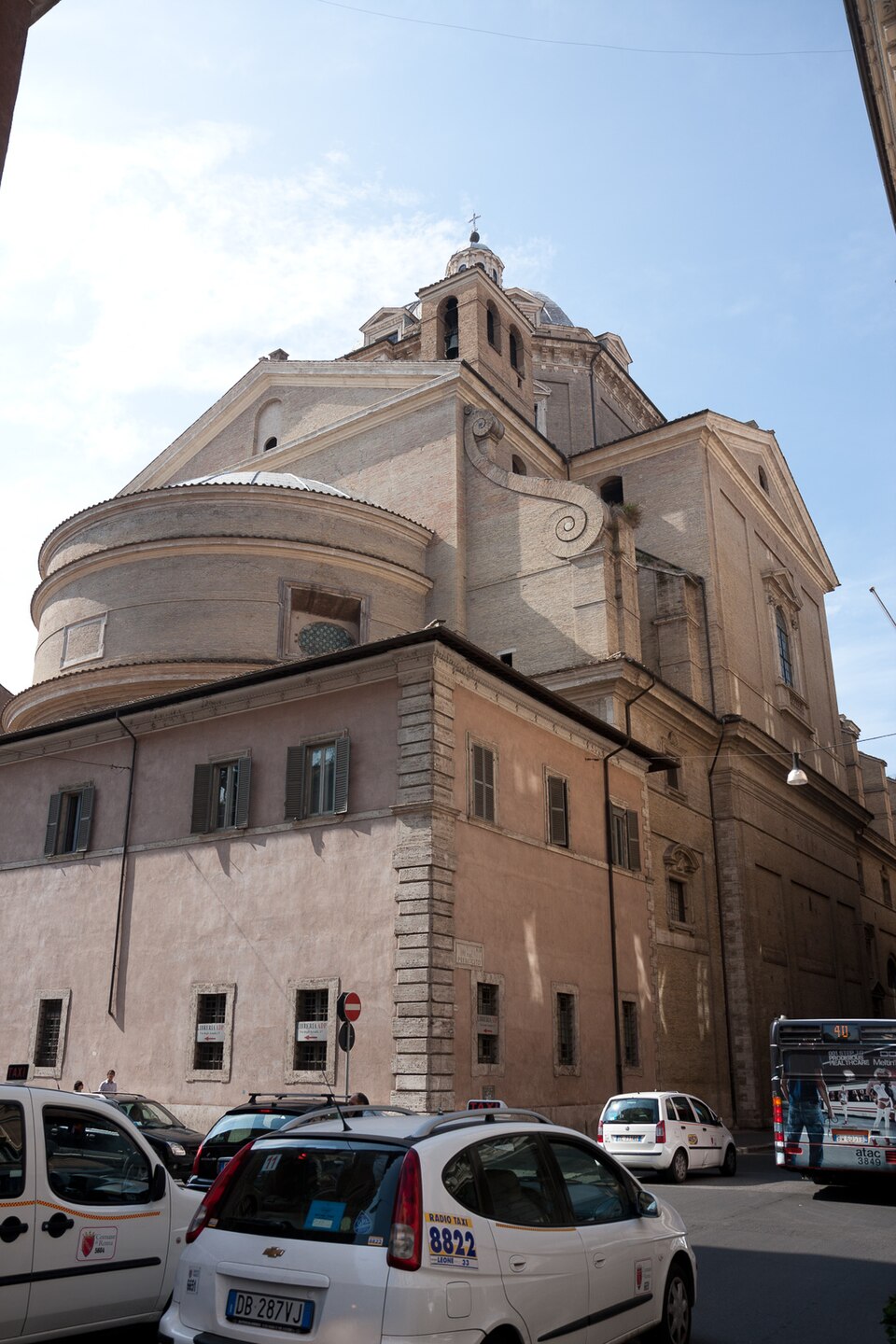
A thorough visit typically requires approximately forty-five to sixty minutes, depending on individual pace and interest in architectural and artistic detail. Brief visits focusing on the main nave and principal chapel may conclude in twenty to thirty minutes. Those wishing to examine side chapels, decorative surfaces, and commemorative elements more carefully should allocate additional time. The compact footprint of the church relative to its visual density means visitors often spend longer than initially anticipated absorbing the layered decorative programme.
Checked 2026-08-26
Operator-confirmed hours are Not recorded pending review. Visitors should consult official sources before planning attendance. The church functions as an active place of worship, which may affect accessibility during religious services and liturgical celebrations. Early morning or late afternoon visits may offer quieter conditions for contemplation of the interior. Weekday visits potentially present fewer visitors than weekends when pilgrimage and tourist traffic increases. Seasonal variations in daylight affect the quality of natural illumination entering through windows. A flexible visit lets travellers connect Church of the Gesù with the rest of the day without treating one room, viewpoint or photograph as the whole experience. The useful pace depends on personal interest and conditions on arrival.
Checked 2026-08-26

Operator-confirmed prices are Not recorded pending review. As a functioning religious institution, the church may operate without admission charges, though donations are commonly welcomed for maintenance purposes. Special exhibitions or access to particular areas might involve separate arrangements. Visitors should carry appropriate means of contribution should voluntary donation opportunities present themselves. Group visits and guided tours, if available, may involve different arrangements requiring advance verification with church administration or authorised visitor services operating at the site.
Checked 2026-08-26

The church occupies a central position within Rome's historic district, accessible via the city's public transportation network. Walking from nearby major landmarks including the Pantheon or Piazza Venezia represents a feasible option for mobile visitors exploring the centro storico on foot. Bus services operate along surrounding thoroughfares. The area's dense urban fabric and traffic restrictions mean private vehicle access presents practical difficulties. Visitors should anticipate navigating narrow streets and pedestrian-priority zones characteristic of Rome's ancient core when approaching the location.
Checked 2026-08-26
Active worship requires respectful conduct including appropriate dress covering shoulders and knees. Photography restrictions may apply in certain areas or during services. The polished floor surfaces and variable lighting conditions demand attention to footing. Crowding occurs during religious observances and peak tourist periods. Valuables require standard urban vigilance. The intense visual stimulation of Baroque decoration may overwhelm visitors sensitive to ornate environments. Acoustic conditions amplify sounds, necessitating quiet conversation. Wheelchair access should be verified in advance given historic building constraints.
Checked 2026-08-26
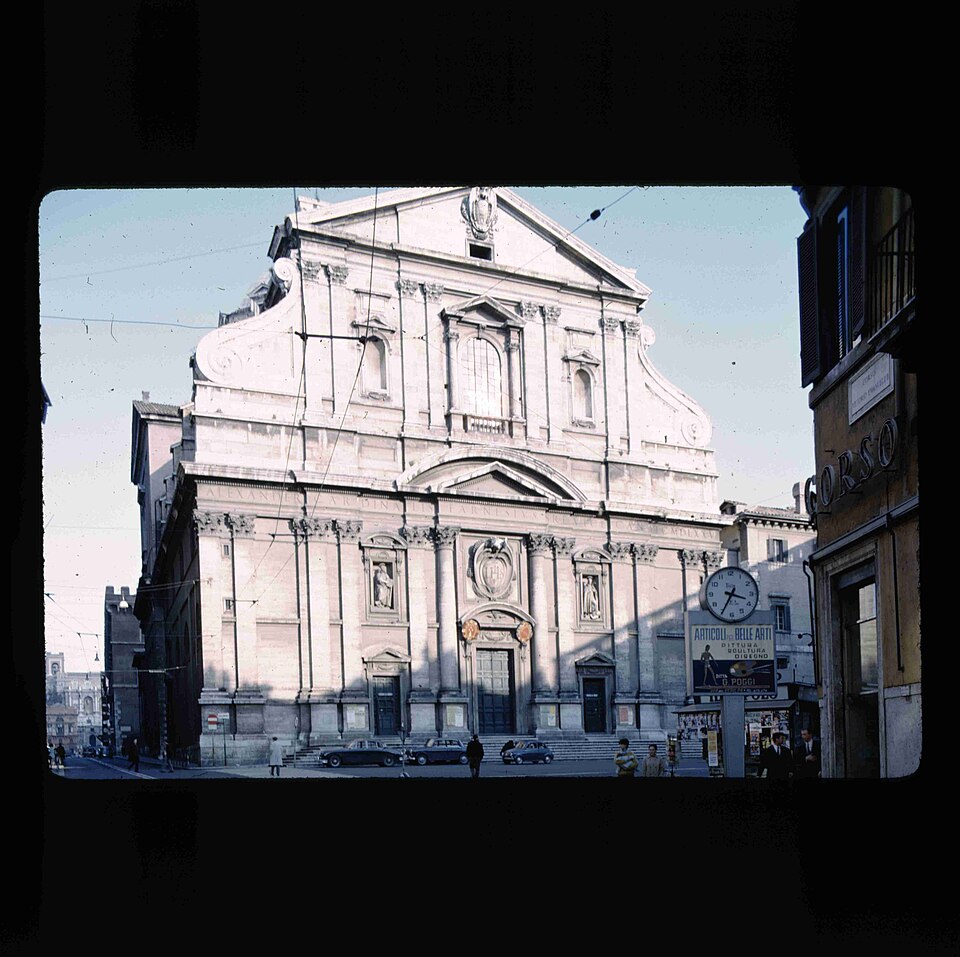
Photography policies are determined by church authorities and may vary by area, time, and occasion. Flash photography typically faces restriction due to conservation concerns and respect for worshippers. Tripods and professional equipment usually require explicit authorisation. During religious services, photography is generally inappropriate and may be prohibited entirely. Visitors should observe posted guidance and staff direction. The challenging lighting conditions of Baroque interiors, with strong contrasts between gilded surfaces and shadowed areas, present technical difficulties for casual photographers seeking satisfactory results without supplementary equipment.
Checked 2026-08-26
Not recorded. Visitors should verify current opening arrangements through official channels before visiting.
Not recorded. The church may operate without mandatory admission charges while welcoming voluntary contributions.
The church functions as an active place of worship. Visitors may participate in liturgical celebrations with appropriate demeanour and attire.
Not recorded. Historic building constraints may affect access; verification with official sources is recommended.
Not recorded. Visitors should inquire directly regarding any organised tour provision.
The Gesù served as the architectural prototype for Jesuit churches globally, establishing design principles widely replicated.
Loading the interactive map…
The interactive map could not be loaded.
Last updated:
Source: OpenStreetMap contributors, Wikidata ·