
.jpg)


_-_2021-08-29_-_1.jpg)
4 min walk
Domus Aurea
- Must see · Heritage site
- Historic monument
Language · 1 published
Historic monument · Rome
Basilica di San Clemente al Laterano

| Monday | 09:00 – 17:30 |
|---|---|
| Tuesday | 09:00 – 17:30 |
| Wednesday | 09:00 – 17:30 |
| Thursday | 09:00 – 17:30 |
| Friday | 09:00 – 17:30 |
| Saturday | 09:00 – 17:30 |
| Sunday | 12:00 – 17:30 |
Closed to visitors between 12:00 – 14:00
Parsed from OpenStreetMap opening hours on 2026-08-25.
The Basilica of San Clemente is a layered historical church near the Colosseum in Rome. The present structure dates from the twelfth century, built over a fourth-century basilica, which itself covers Roman-era buildings including a mithraeum. Dedicated to Pope Clement I, the site demonstrates Rome's stratified urban development across two millennia. The complex belongs to the Irish Dominican order. Visitors descend through archaeological levels to experience successive periods of construction, worship, and daily life. The church maintains active religious functions alongside its archaeological significance, serving as both parish church and internationally significant heritage destination.
Checked 2026-08-26
The upper basilica retains medieval mosaics including an apse composition featuring the Triumph of the Cross, with intricate gold backgrounds and symbolic figures. Twelfth-century frescoes depict Saint Catherine and scenes from the life of Saint Clement. The schola cantorum and cosmatesque pavement demonstrate Romanesque decorative traditions. Below, the excavated fourth-century basilica reveals early Christian wall paintings with biblical narratives. The deepest level exposes Roman structures including a possible mint, residential spaces, and the mithraeum with its altar and preserved frescoes. The cumulative effect presents exceptional evidence of continuous sacred use and architectural adaptation over centuries.
Checked 2026-08-26
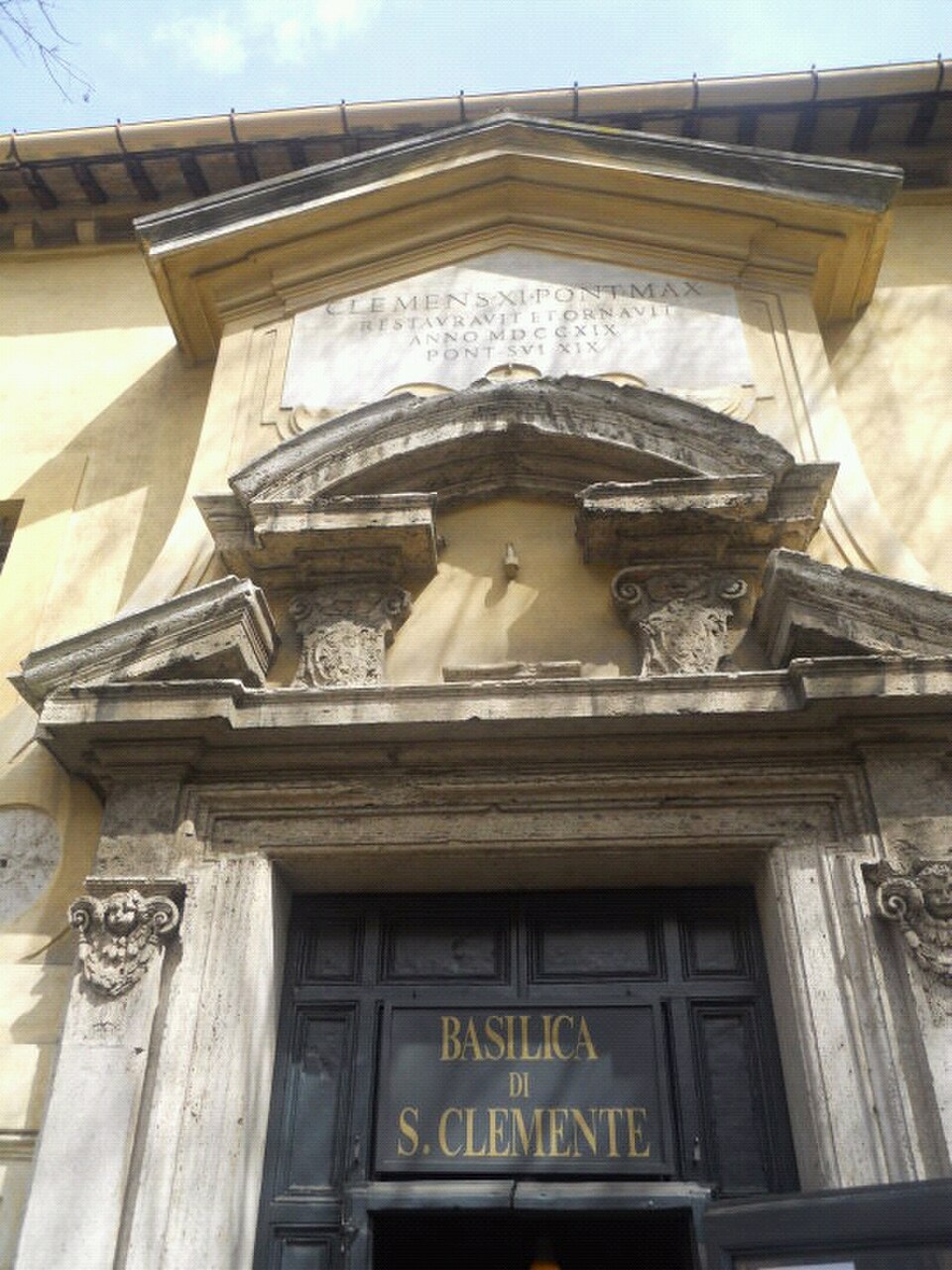
Visitors typically require between sixty and ninety minutes to appreciate all three levels thoroughly. The descent through archaeological strata demands careful movement on uneven surfaces and stairs, naturally pacing the experience. Those with primary interest in the upper church's medieval art may complete this level in twenty to thirty minutes. Comprehensive exploration including reading explanatory materials and contemplation of each archaeological zone extends duration. The confined spaces at lower levels create natural bottlenecks when multiple visitors converge. Individual pacing varies considerably based on physical mobility, historical interest depth, and crowd conditions during the visit.
Checked 2026-08-26
Operator-confirmed hours are Not recorded pending review. Visitors should consult the official Basilica di San Clemente al Laterano website or contact the Irish Dominican community directly before planning attendance. Religious observances may restrict tourist access during services, particularly Sunday mornings and major feast days in the Catholic calendar. The underground excavations maintain relatively stable temperatures year-round, eliminating seasonal comfort considerations. Morning visits potentially offer quieter conditions for contemplative examination of the archaeological levels. Advance verification remains essential given potential schedule modifications for liturgical events, maintenance activities, or extraordinary circumstances affecting regular operations.
Checked 2026-08-26
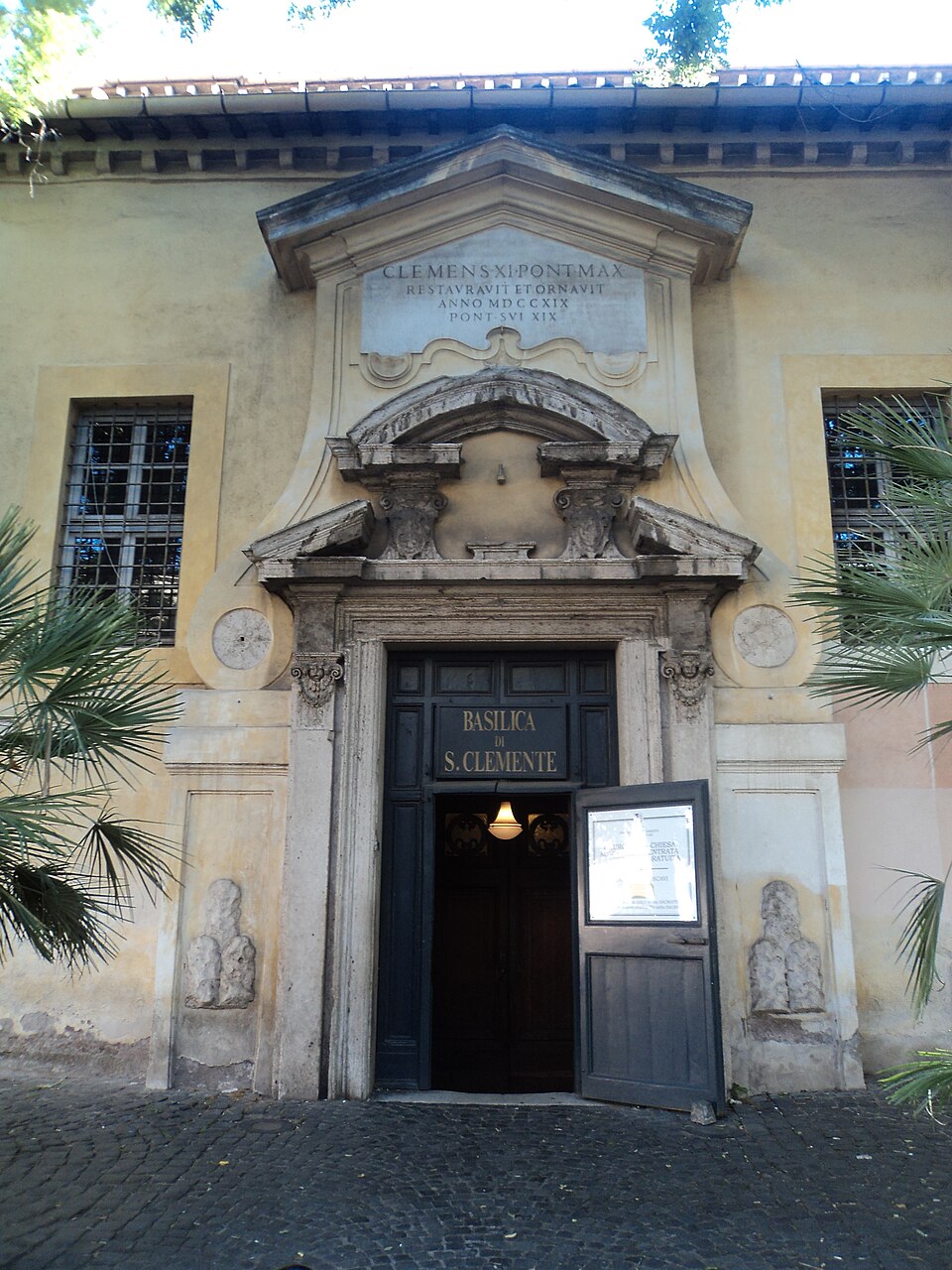
Operator-confirmed prices are Not recorded pending review. The basilica historically maintained separate admission structures for the upper church and the excavated archaeological zones below. Visitors should consult official sources for current fee schedules, potential concession categories, and any combined ticketing arrangements. Some religious sites in Rome offer free admission to worship spaces while charging for archaeological or museum components. Payment methods and advance booking requirements remain unverified. Groups may encounter specific arrangements or guided tour obligations. Budget-conscious travellers should prepare for possible charges while acknowledging that financial policies may have evolved since last published information.
Checked 2026-08-26
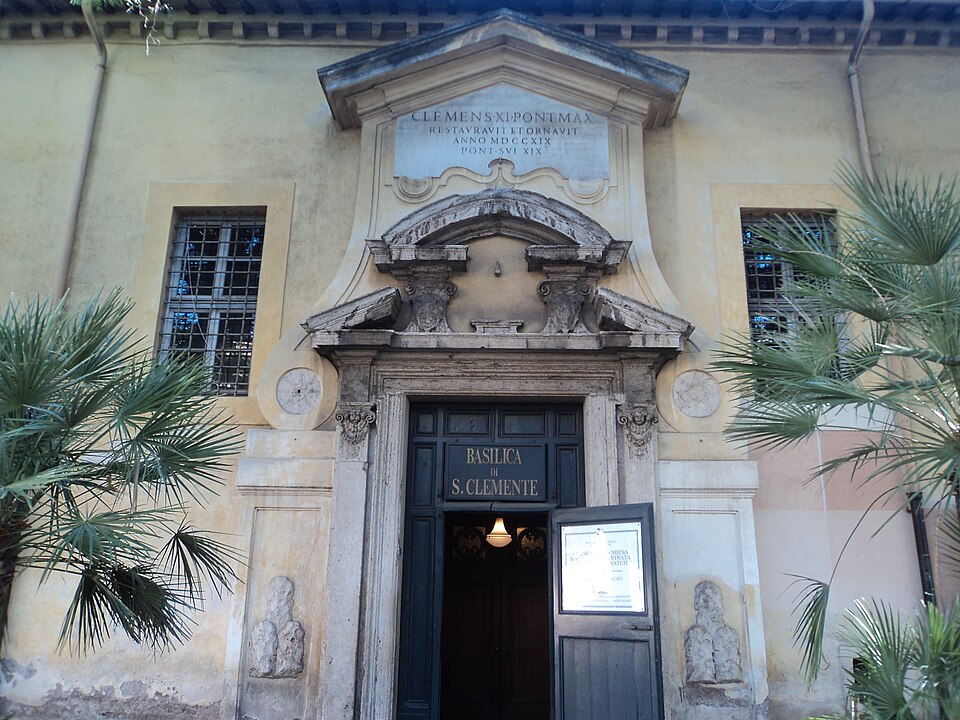
The basilica occupies Via Labicana in the Monti district, walkable from the Colosseum in approximately ten minutes. The nearest Metro station is Colosseo on Line B, with surface walking required thereafter. Multiple bus routes serve the surrounding area including stops along Via Labicana and nearby Via dei Fori Imperiali. The central location permits integration with visits to the Colosseum, Roman Forum, and San Giovanni in Laterano. Pedestrian navigation through ancient street patterns requires attention to signage. The entrance is not immediately conspicuous from the main road, demanding deliberate seeking by first-time visitors.
Checked 2026-08-26
The archaeological levels involve uneven flooring, irregular steps, and low ceilings requiring physical caution and appropriate footwear. Dim lighting in lower levels challenges visibility and photography. The confined spaces may discomfort those with claustrophobic tendencies. Religious services take precedence over tourist access; respectful behaviour and modest dress remain obligatory throughout. No seating exists in excavated areas for those requiring rest. The descent precludes wheelchair accessibility to lower levels. Crowding concentrates at narrow staircases between strata. Visitors should maintain awareness of guided tour groups whose schedules create temporary congestion at significant features within the restricted spaces.
Checked 2026-08-26

Photography policies are Not recorded pending review. Many Roman religious sites prohibit flash photography to protect sensitive artworks and maintain atmosphere. The challenging lighting conditions in lower archaeological levels complicate image capture regardless of permission status. Visitors should observe posted regulations and staff instructions without assumption. Tripods and professional equipment typically face restrictions in confined heritage environments. Respect for active worship spaces demands discretion with camera use during services. The golden apse mosaics in the upper church present particular photographic interest if permitted. Verification of current rules before visiting prevents disappointment or inadvertent policy violation.
Checked 2026-08-26
The upper twelfth-century basilica is accessible, but the excavated lower levels with Roman and early Christian remains are reached by stairs and are not wheelchair accessible.
Tourist access may be restricted during services. Visitors should check schedules in advance and respect active worship when present.
The exact depth measurements are Not recorded pending review, but visitors descend through multiple levels spanning from the twelfth century down to Roman-era structures.
Whether official guided tours are offered is Not recorded pending review. Visitors may encounter external tour groups and should verify options through official sources.
As an active religious site, modest dress covering shoulders and knees is expected as a matter of respectful visitor judgement.
The church maintains active religious functions under the Irish Dominican order, but specific service times are Not recorded pending review.
Loading the interactive map…
The interactive map could not be loaded.
Last updated:
Source: OpenStreetMap contributors, Wikidata ·