


20 min walk
Museo del Calcio
- High · Heritage site
- Museum
Language · 1 published
Museum · Florence
Cenacolo Andrea del Sarto

The Museum of the Last Supper of Andrea del Sarto, locally known as Cenacolo Andrea del Sarto, is a museum in Florence dedicated to preserving and displaying Andrea del Sarto's renowned Last Supper fresco. Andrea del Sarto was a leading High Renaissance painter whose work earned him the epithet "the faultless painter." The museum occupies a former convent refectory setting, the traditional location for Renaissance Last Supper paintings, allowing visitors to experience the artwork in its original devotional and architectural context as intended by the artist.
Checked 2026-08-26
The museum's centerpiece is Andrea del Sarto's Last Supper, a large-scale fresco painted with the artist's characteristic technical precision and balanced composition. The work demonstrates his mastery of color harmony and figure arrangement that influenced subsequent generations of Florentine painters. The refectory space retains elements of its original monastic character, providing atmospheric surroundings for contemplation of the sacred subject. Additional display materials may contextualize the painting within del Sarto's broader career and the tradition of Florentine cenacoli, though specific accompanying collections are not recorded in available sources.
Checked 2026-08-26
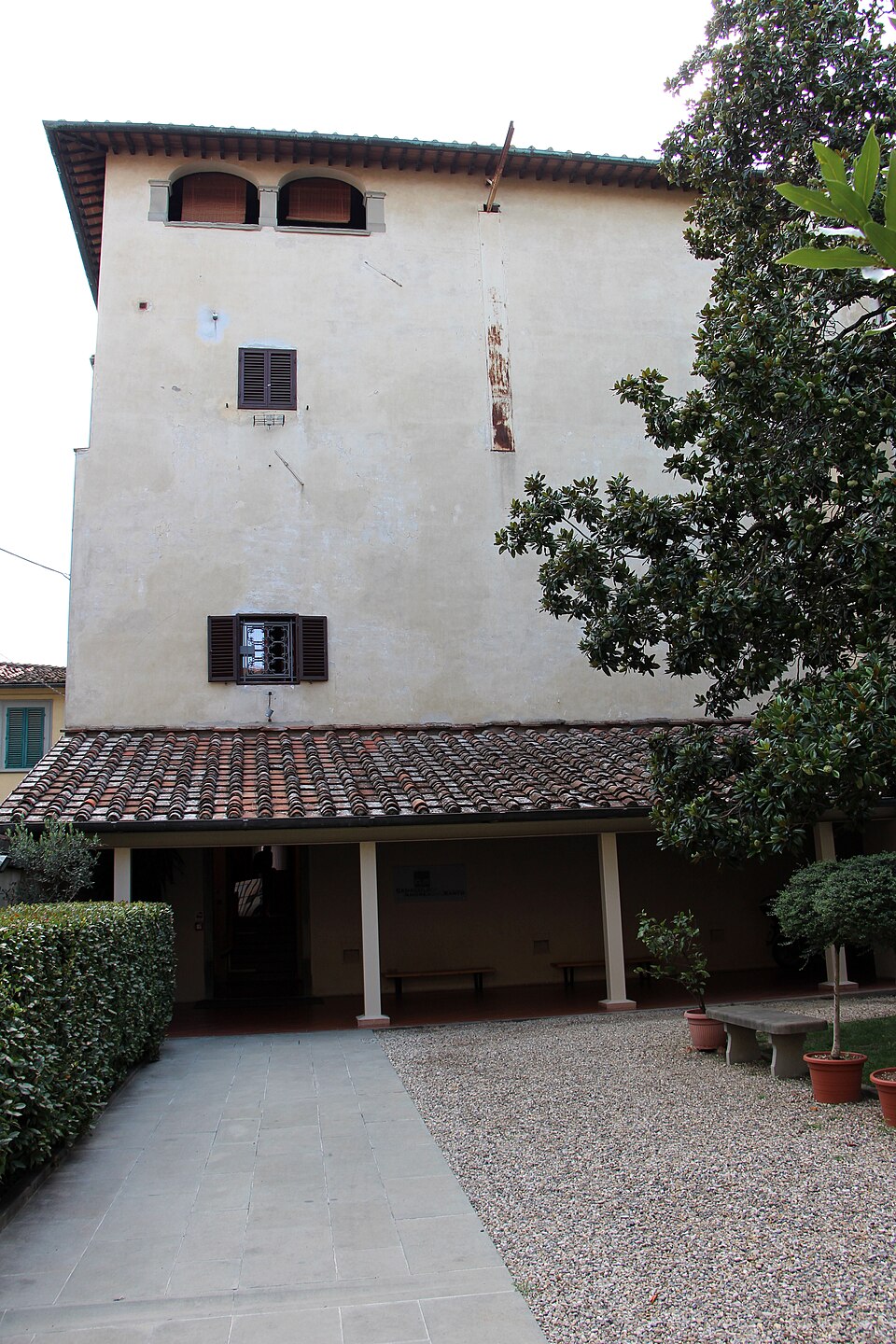
Visitors typically allocate approximately thirty to sixty minutes for this focused museum experience, given its single-masterwork presentation. The compact nature of the site suits travelers combining multiple cultural destinations in a single Florence itinerary. Art historians and dedicated Renaissance enthusiasts may extend their stay through careful examination of del Sarto's brushwork techniques and compositional decisions. The intimate scale encourages unhurried viewing without the overwhelming crowds characteristic of major institutional collections. Individual pacing varies considerably based on prior familiarity with Andrea del Sarto's oeuvre and general interest in Renaissance religious painting traditions.
Checked 2026-08-26

Operator-confirmed hours are Not recorded pending review. Visitors should consult official sources before planning their visit. The museum likely experiences reduced attendance compared to Florence's premier attractions, potentially offering more tranquil viewing conditions throughout standard operating periods. Morning visits may provide optimal lighting conditions for appreciating fresco details. Seasonal tourism patterns in Florence peak during summer months and major holiday periods, suggesting shoulder seasons as potentially preferable for unhurried examination. Advance verification of accessibility remains essential given the specialized nature of this smaller cultural institution within Florence's dense museum landscape.
Checked 2026-08-26
Operator-confirmed prices are Not recorded pending review. Admission structures for smaller Florentine museums typically range from modest individual fees to inclusive combination passes covering multiple civic cultural sites. Some religious-affiliated or municipally administered cenacoli may operate with reduced or donation-based entry. Visitors should verify current pricing through official channels prior to arrival. Potential eligibility for reduced rates based on age, student status, or residency may apply according to standard Italian museum conventions. Advance reservation requirements, if any, remain unconfirmed and require direct institutional consultation to determine whether timed entry or pre-purchase obligations exist.
Checked 2026-08-26

The museum resides within Florence's historic center, accessible through pedestrian navigation of the compact Renaissance street plan. Walking from the Duomo or Santa Maria Novella station represents the most straightforward approach for centrally accommodated visitors. Public bus services operate throughout the city center, though exact routing requires current transit authority verification. Limited vehicular access characterizes the historic core, rendering private transportation impractical for most visitors. Bicycle and electric scooter rentals offer alternative mobility options within Florence's relatively flat topography. Signage and mapping applications should guide final approach through potentially narrow medieval thoroughfares typical of central Florence.
Checked 2026-08-26

The museum's modest scale and specialized focus may surprise visitors accustomed to comprehensive institutional collections. Climate control and preservation requirements may impose environmental restrictions affecting visitor comfort. Step access and historic building fabric may present mobility challenges requiring advance inquiry. Nearby dining and restroom facilities may be limited compared to major tourist zones, necessitating prior planning. The surrounding San Salvi neighborhood, while historically significant, receives less tourist infrastructure investment than central districts. Visitors should maintain standard urban awareness regarding personal belongings in less trafficked areas, particularly during evening hours when cultural sites close and pedestrian activity diminishes.
Checked 2026-08-26

Photography policies for Andrea del Sarto's Last Supper are not explicitly documented in available sources. Italian museums frequently restrict flash photography to protect light-sensitive artworks, particularly frescoes vulnerable to cumulative illumination damage. Some institutions prohibit all photography of specific works or within particular galleries. Visitors should observe posted signage and staff guidance upon entry. Tripod and professional equipment usage typically requires advance authorization across Italian cultural sites. Respectful behavior maintaining quiet contemplation atmosphere aligns with the devotional origins of refectory settings. When uncertainty exists, verbal confirmation from attendant personnel prevents policy violations that could result in equipment confiscation or visitor ejection.
Checked 2026-08-26
Not recorded. Visitors should verify current combination pass inclusions directly with the museum or official tourism promoters before purchase.
Not recorded. The museum's modest scale may not support regular guided programming, though audio materials or occasional special arrangements may exist.
Not recorded. Historic refectory locations frequently present step barriers; direct accessibility confirmation is strongly advised before visiting.
Andrea del Sarto's interpretation represents a distinct High Renaissance approach emphasizing coloristic harmony and compositional balance rather than Leonardo's experimental narrative drama, reflecting different artistic temperaments and patronal contexts.
Florence preserves several Renaissance refectory frescoes by various masters; dedicated visitors may construct thematic itineraries, though logistical coordination requires individual verification of each site's independent operating parameters.
Not recorded. Smaller municipal and religious museums may operate with walk-up admission, though post-pandemic protocols may have introduced reservation systems requiring current confirmation.
Loading the interactive map…
The interactive map could not be loaded.
Last updated:
Source: OpenStreetMap contributors, Wikidata ·